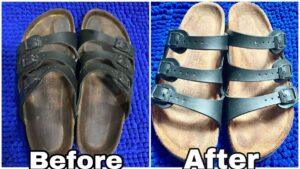
Clean cork sandals with a soft brush, mild soap, little water, and plenty of air.
Cork sandals are comfortable, but their natural footbeds can hold sweat, dust, and stains. As a result, cleaning them takes a gentle touch rather than a soaking wash. This guide explains how to clean cork sandals safely, protect the cork seal, remove odors, and prevent common damage using simple tools and proven care methods.
Why Cork Sandals Need Special Care
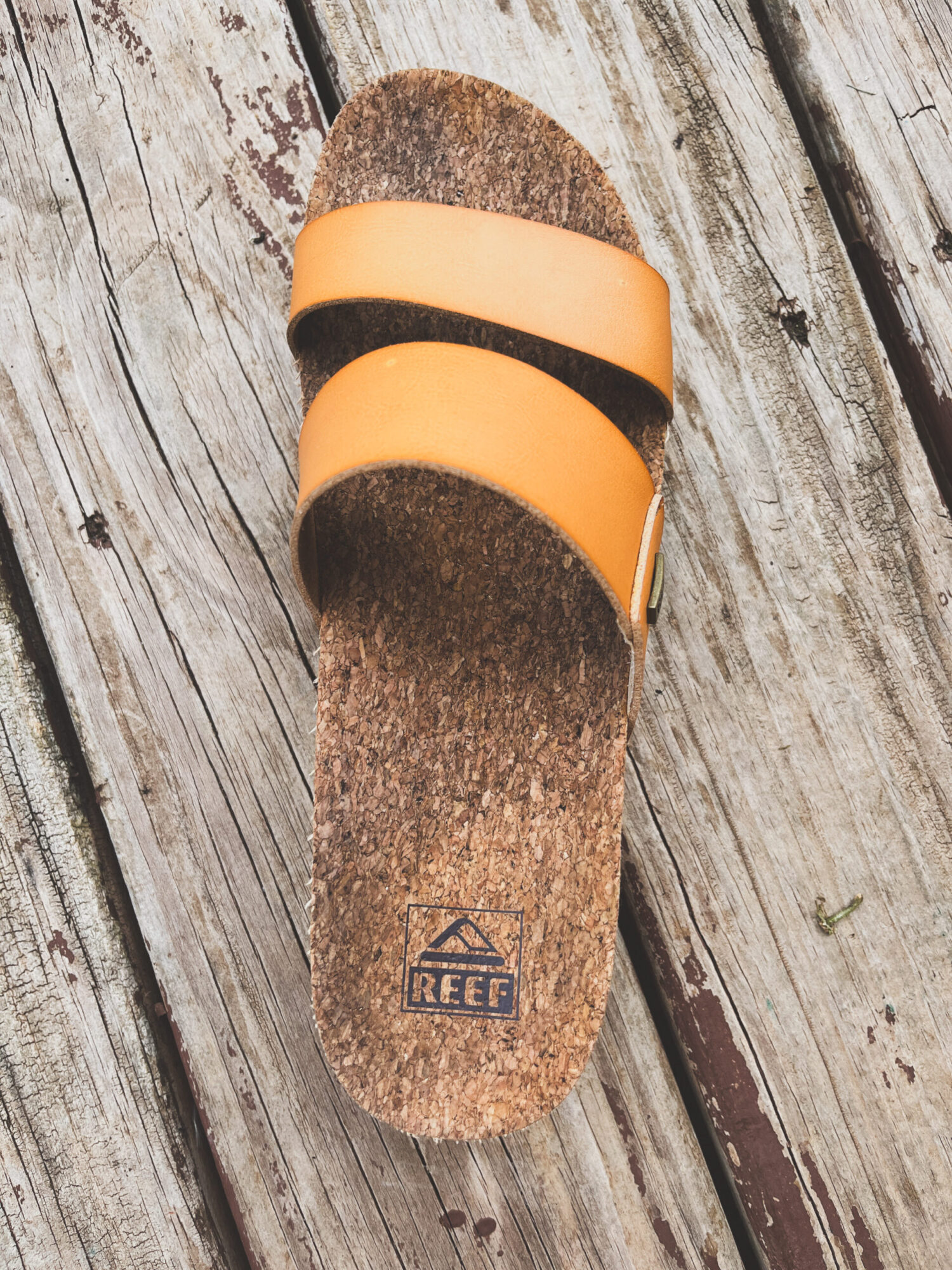
Cork is a natural material made from the bark of cork oak trees. It feels light and springy, but it is also porous. If too much water reaches the cork footbed, the material may soften, crack, swell, or lose its shape.
Most cork sandals have a thin protective sealant over the footbed. This coating helps block moisture and dirt. However, harsh soap, stiff brushes, and repeated soaking can wear it down over time.
Regular cleaning offers several benefits:
- It removes sweat, skin oils, and dust.
- It helps reduce foot odor.
- It keeps the footbed looking fresh.
- It protects the cork seal from heavy buildup.
- It may extend the useful life of the sandals.
A light cleaning every few wears is better than waiting until the footbed has dark stains or a strong smell. Think of cork care like brushing your teeth. Small, gentle steps are much easier than fixing a neglected problem later.
What You Need to Clean Cork Sandals
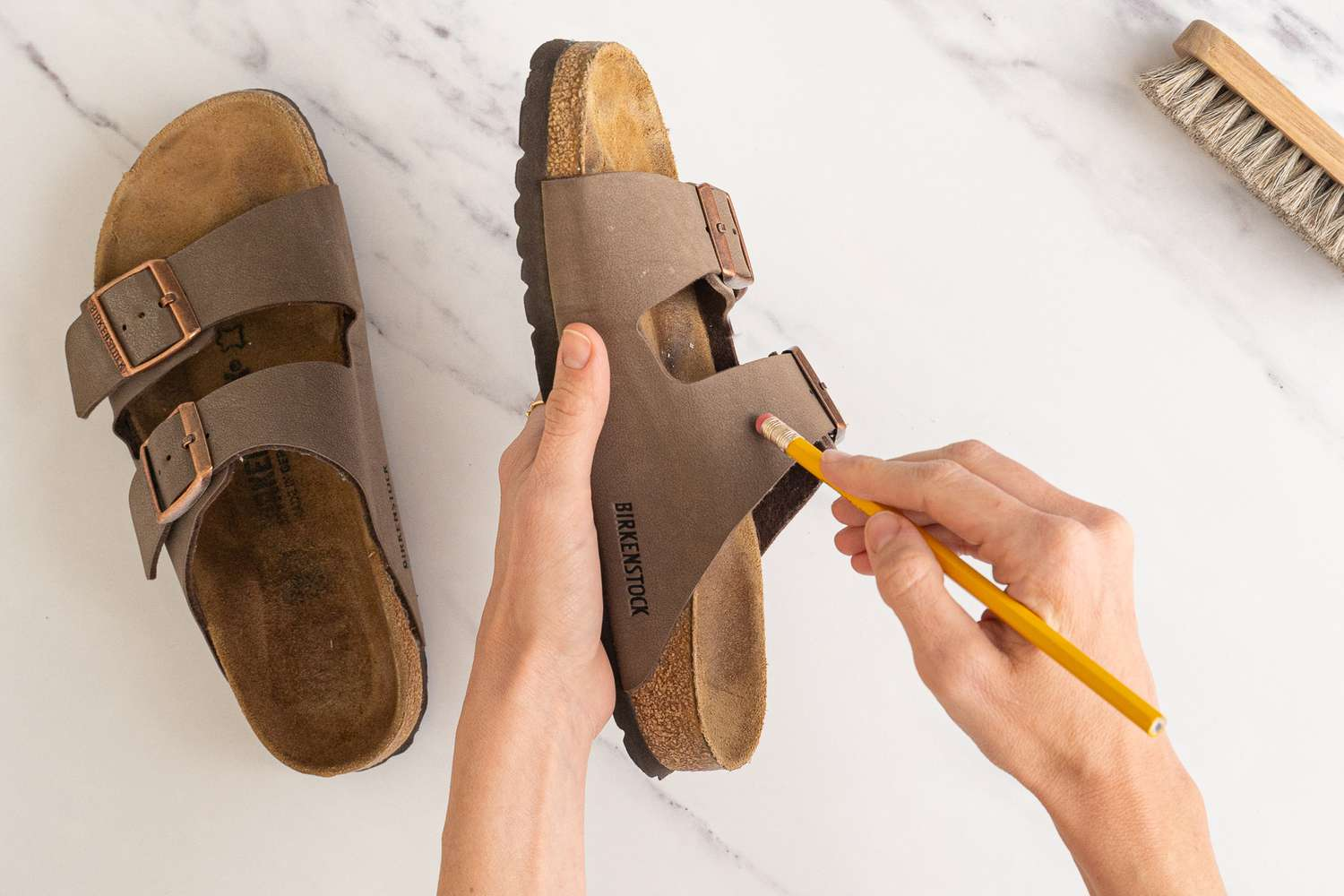
You do not need expensive products to clean cork sandals. Most of the tools are likely already in your home.
Gather these items:
- A soft toothbrush or soft shoe brush
- A clean microfiber cloth
- Lukewarm water
- A small bowl
- Mild liquid soap or gentle dish soap
- A dry towel
- Baking soda for odor control
- Cork sealant for later protection, if needed
Avoid bleach, alcohol, acetone, strong detergents, and abrasive powders. These products can strip the protective coating or change the color of the cork.
You should also check the upper material before cleaning. Leather, suede, fabric, and synthetic straps need different care. A cleaning method that works for the cork footbed may damage suede or unfinished leather.
Before using any cleaner, test it on a small hidden area. Wait until the spot dries. This simple test can reveal color bleeding, darkening, or surface damage before it affects the whole sandal.
How to Clean Cork Sandals Step by Step
The safest way to clean cork sandals is to use very little water and gentle pressure. Never place cork sandals in a washing machine or leave them in a bucket of water.
1. Remove Loose Dirt
Take the sandals outdoors or over a trash can. Tap the soles together gently to remove loose grit.
Use a dry, soft brush to sweep dirt from the footbed, edges, and grooves. Brush in one direction instead of scrubbing back and forth. This helps lift dirt without roughing up the cork surface.
2. Make a Mild Cleaning Solution
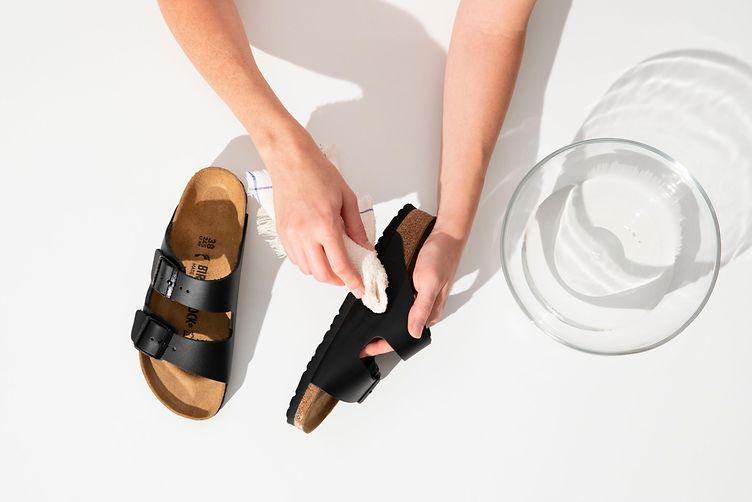
Add a few drops of mild soap to a bowl of lukewarm water. The water should look slightly cloudy, not heavily soapy.
Dip the cloth into the mixture, then wring it out very well. The cloth should be damp, not wet. Too much water is one of the most common causes of cork damage.
3. Wipe the Footbed
Wipe a small area of the cork footbed at a time. Use light, circular motions on surface marks.
For stubborn dirt, use a soft toothbrush with only a small amount of the cleaning solution. Do not press hard. Cork can look tough, but its surface can wear down when scrubbed aggressively.
4. Clean the Edges
Dirt often collects along the cork sidewall. Use the damp cloth around the edge, then wipe the area with a clean, barely damp cloth.
Do not flood the seam between the cork and the sole. Water trapped in this area may weaken the adhesive or cause separation.
5. Remove Soap Residue
Use a clean cloth dampened with plain water. Wring it out well and wipe the footbed once more.
Soap residue can attract dirt and leave the sandal feeling sticky. A light final wipe helps prevent that film.
6. Dry the Sandals Naturally
Pat the sandals with a dry towel. Leave them in a cool, well-ventilated room until fully dry.
Keep them away from radiators, hair dryers, fireplaces, and direct midday sunlight. Fast heat can dry cork unevenly and lead to cracks or shape changes.
How to Remove Stains From a Cork Footbed
Some stains need more than a simple wipe. The safest method depends on the type of mark.
Light Dirt and Gray Marks
Use a damp microfiber cloth with a tiny amount of mild soap. Rub gently, then wipe away residue with a clean damp cloth.
Repeat the process only once or twice. Several gentle cleanings are safer than one hard scrubbing session.
Dark Footprints
Dark areas often come from sweat, skin oils, and normal wear. Start with the mild soap method described above.
If the mark remains, make a thin paste with baking soda and a few drops of water. Apply a very small amount to the stain, leave it for five minutes, and gently wipe it away. Test this method first because baking soda is mildly abrasive and may change the look of some finishes.
Sticky Residue
For gum, food, or sticky dirt, let the substance dry if possible. Lift it carefully with the edge of a plastic card.
Avoid knives and metal tools. They can cut the cork or scratch the protective coating. After lifting the residue, wipe the spot with a barely damp cloth.
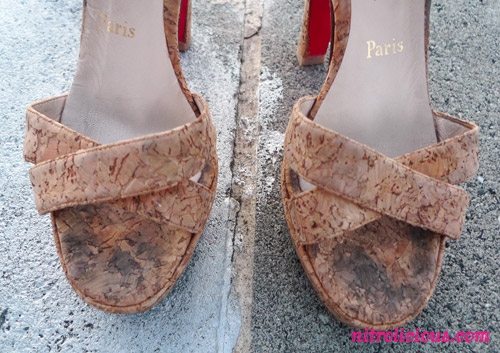
Ink, Oil, and Strong Color Stains
Ink and oil can soak into porous materials. Cleaning may lighten these stains, but it may not remove them completely.
Do not use nail polish remover, paint thinner, or rubbing alcohol on cork. These solvents can dissolve sealants and leave a pale or rough patch. For a valuable pair, consult a shoe repair professional before trying a stronger product.
How to Clean Different Sandal Materials
Cleaning cork sandals involves more than the footbed. The straps and soles also need the right method.
Leather Straps
Wipe finished leather with a slightly damp cloth. Use a small amount of leather cleaner only if the product label says it is safe for that type of leather.
After cleaning, let the leather dry naturally. A suitable leather conditioner can help prevent dryness, but keep conditioner away from the cork footbed.
Suede Straps
Do not use a wet cloth on suede unless the care label allows it. Use a suede brush to lift dirt and restore the nap.
For a small mark, use a suede eraser with light pressure. Always test first, since suede can change color or texture.
Fabric Straps
Brush away dry dirt first. Then dab the fabric with mild soapy water and a clean cloth.
Do not saturate the fabric. Moisture can travel into the cork and may create a musty smell.
Synthetic Straps
Synthetic materials are often easier to clean. Wipe them with mild soap and water, then remove soap residue with a clean cloth.
Even when the straps are water-resistant, avoid soaking the entire sandal. The cork and glue may still be sensitive to excess water.
Rubber or EVA Soles
Clean the outsole with a damp cloth or soft brush. A little mild soap can remove road dust and grime.
Keep dirty sole water away from the cork footbed. Black rubber marks can transfer easily to light-colored cork.
How to Remove Odor From Cork Sandals
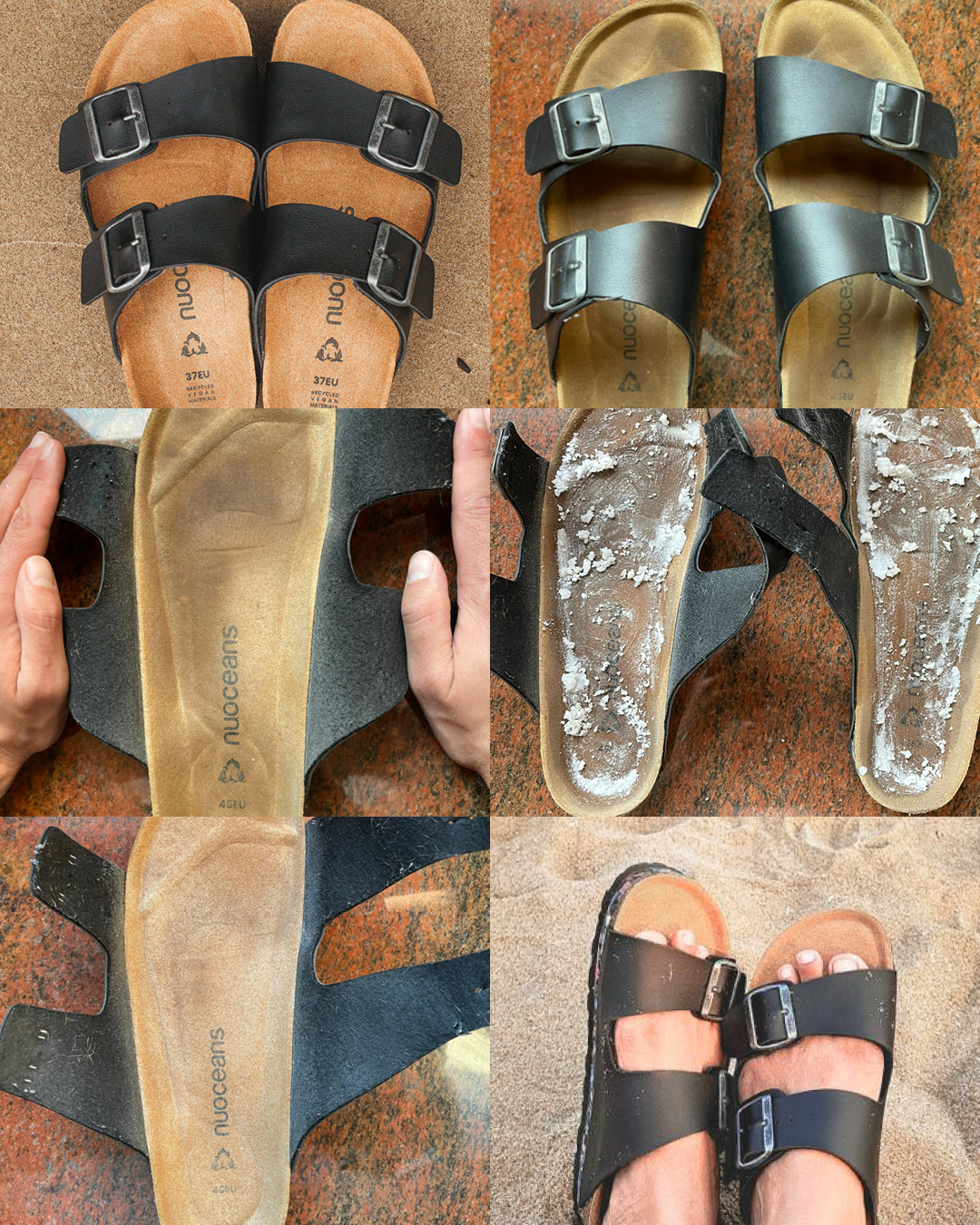
Cork sandals can develop odor when sweat, bacteria, and moisture remain in the footbed. Cleaning helps, but drying and airflow are just as important.
First, wipe the footbed with a mild soap solution. Allow the sandals to dry completely before wearing them again.
For mild odor, sprinkle a small amount of baking soda over the dry footbed. Leave it overnight, then brush or vacuum it away the next day. Do not leave baking soda on the sandals for weeks, and do not use it on delicate or unfinished materials without testing.
You can also place the sandals in a dry, airy room after each wear. Avoid sealing damp sandals in a closet or plastic bag.
These habits can help prevent odor:
- Wear clean socks when practical.
- Alternate between two pairs of sandals.
- Let each pair rest for at least a day after heavy use.
- Wipe away sweat after wearing them.
- Keep the sandals in a cool, dry place.
Sprays that contain heavy fragrance may hide odor without solving the cause. Avoid products that contain bleach, strong alcohol, or harsh disinfectants unless the manufacturer specifically approves them.
How to Protect and Reseal Cork Sandals
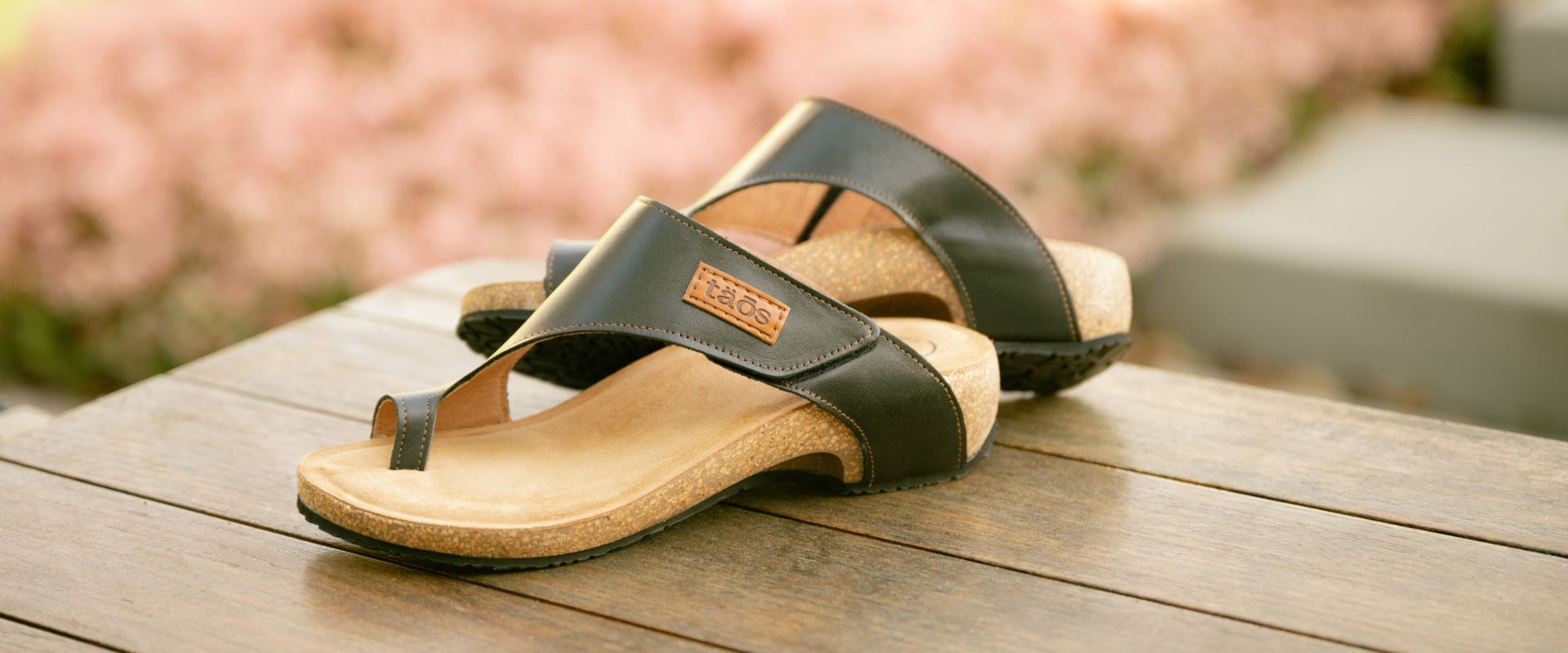
A cork sealant creates a protective barrier over exposed cork. It can help reduce water absorption and slow drying and cracking.
Check the sandals first. If the cork still looks smooth and has a slight protective sheen, it may not need a new coat. If it looks dry, rough, or pale, resealing may help.
Follow these steps:
- Clean the sandals and let them dry completely.
- Remove dust with a soft, dry cloth.
- Apply a cork sealant made for footwear.
- Use a thin, even coat around the exposed cork.
- Keep sealant off suede, fabric, and unfinished leather.
- Let the sandals cure for the time listed on the product label.
- Apply another thin coat only if the instructions allow it.
Do not apply sealant to dirty or damp cork. It can trap stains and moisture under the coating.
Sealants are not permanent. Frequent wear, sweat, rain, and friction slowly reduce their effect. Inspect the cork every few months, especially if you wear the sandals often.

Common Mistakes to Avoid
Many cork sandals are damaged during cleaning because the owner uses a method that works for rubber shoes or canvas sneakers. Cork needs less water and less force.
Avoid these mistakes:
- Do not put cork sandals in a washing machine.
- Do not soak them in a sink or bathtub.
- Do not use a stiff wire brush.
- Do not scrub until the cork becomes fuzzy.
- Do not dry them with direct heat.
- Do not use bleach or harsh household cleaners.
- Do not apply leather conditioner to the cork footbed.
- Do not wear them before the footbed is fully dry.
- Do not seal cork while it is dirty or damp.
- Do not ignore cracks, loose soles, or deep water damage.
One practical lesson is worth remembering: more product does not mean better cleaning. I have seen people turn a small stain into a large faded patch by using a strong cleaner and pressing too hard. A mild solution, a soft brush, and patience usually produce a better result.
How Often Should You Clean Cork Sandals?
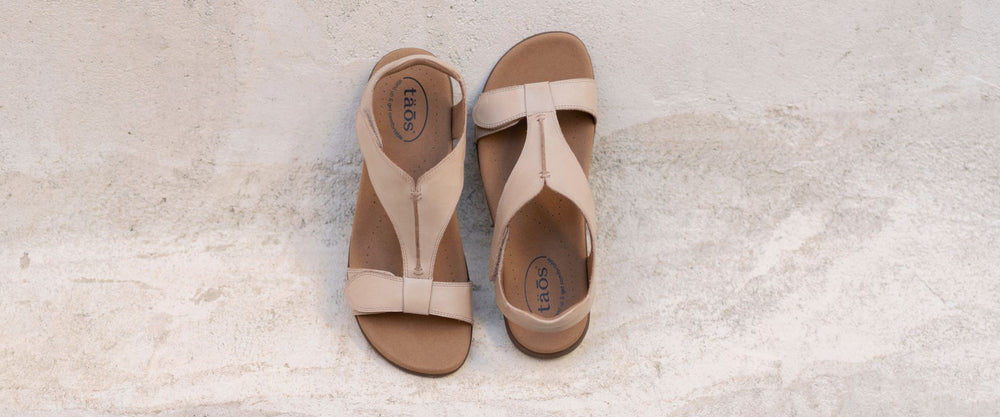
Clean cork sandals lightly whenever dirt or sweat becomes visible. For regular summer wear, a quick wipe once a week is often enough.
Give them a deeper clean when:
- The footbed feels sticky.
- Dark wear marks begin to spread.
- The sandals smell after drying.
- Dirt builds up around the edges.
- The cork looks dull or dusty.
People who wear sandals daily may need more frequent care. Those who wear them only indoors may need less.
The right schedule depends on climate, foot sweat, use, and storage. Hot, humid weather calls for more airflow and more frequent wiping. A dry climate may require more attention to cracking and sealant wear.
When Cleaning Is Not Enough
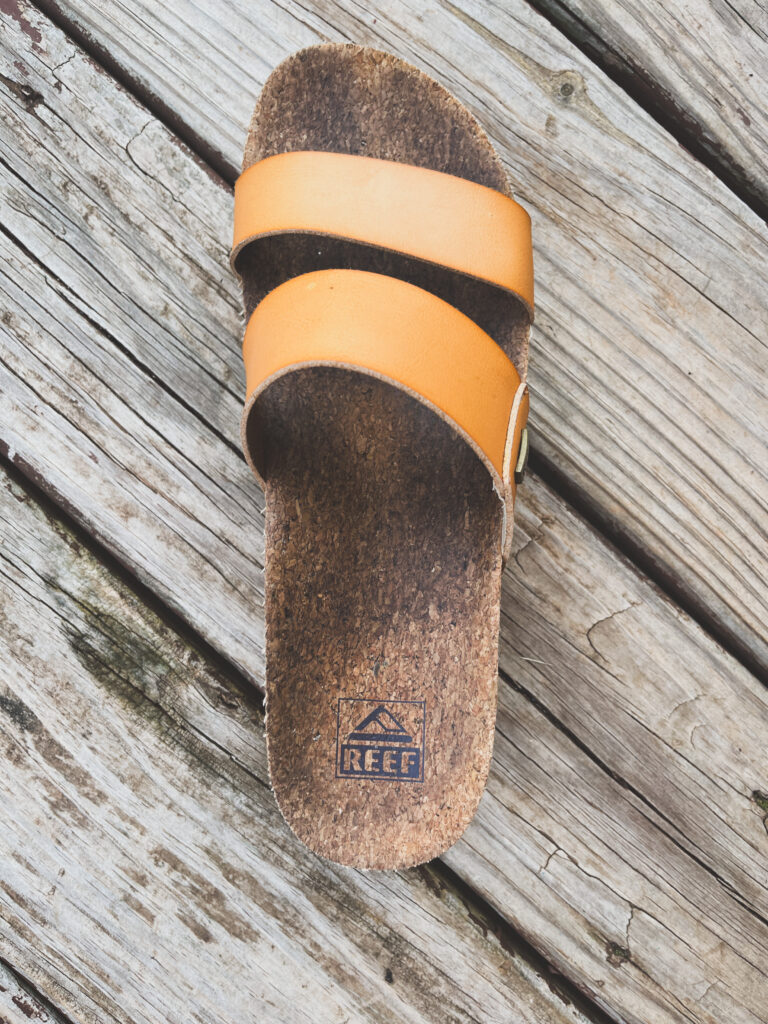
Cleaning can remove surface dirt, but it cannot repair every problem. Consider professional repair when the cork is deeply cracked, the sole is separating, or the footbed has become soft.
A small surface crack may be manageable with a suitable cork repair product and fresh sealant. A large crack can affect support and comfort, so home repair may only hide the problem for a short time.
Replace the sandals if:
- The footbed collapses under your weight.
- The sole is badly detached.
- Sharp edges cause discomfort.
- Mold returns after thorough drying and cleaning.
- The sandal no longer supports your foot evenly.
Mold deserves extra care. Wear gloves, keep affected footwear away from other shoes, and clean it in a well-ventilated area. If the material remains musty or visibly moldy after cleaning, professional advice or replacement is safer.
A Simple Maintenance Routine
A short routine can keep cork sandals clean without much effort.
After each wear:
- Brush off loose dirt.
- Let the sandals air out.
- Wipe visible sweat from the footbed.
Once a week:
- Inspect the cork and straps.
- Wipe the footbed with a barely damp cloth.
- Clean the outsole separately.
- Check for odor or sticky areas.
Every few months:
- Look for dry cork, cracks, or worn sealant.
- Apply cork sealant if the product instructions support it.
- Clean the storage area.
- Rotate pairs if possible.
Store cork sandals on a shelf or in a breathable fabric bag. Keep them away from damp basements, hot cars, and strong sunlight. Good storage is part of knowing how to clean cork sandals because it prevents new dirt and moisture problems.
Frequently Asked Questions About How to Clean Cork Sandals
Can I wash cork sandals with water?
You can use a small amount of water on a cloth, but do not soak the sandals. Too much water may damage the cork, glue, or protective finish.
Can I use dish soap to clean cork sandals?
A few drops of mild dish soap mixed with lukewarm water can work for surface dirt. Use very little solution, wring out the cloth well, and remove soap residue afterward.
How do I clean cork sandals that smell?
Wipe the footbed with mild soapy water and let it dry fully in a well-ventilated room. For mild odor, sprinkle baking soda on the dry footbed overnight, then brush it away.
Can I use baking soda on a cork footbed?
Baking soda may help absorb mild odor, but it is mildly abrasive. Test it on a hidden area first, and avoid rubbing hard or using it on delicate finishes without checking the care instructions.
How do I dry cork sandals after cleaning?
Pat them with a dry towel and let them air-dry indoors. Do not use a hair dryer, radiator, fireplace, or strong direct sunlight because heat can cause cracking or shape changes.
Can I clean cork sandals in a washing machine?
No. A washing machine can expose the sandals to too much water, heat, and movement. This may damage the cork, adhesives, straps, and sole.
How often should I reseal cork sandals?
There is no single schedule because wear and climate vary. Inspect the cork every few months and apply a footwear cork sealant when the surface looks dry, rough, or unprotected.
Conclusion
Learning how to clean cork sandals is mostly about using less water, less pressure, and the right materials. Brush away dry dirt, wipe the footbed with mild soapy water, dry the sandals naturally, and protect exposed cork with a suitable sealant when needed.
Avoid soaking, harsh chemicals, rough scrubbing, and direct heat. With a simple care routine, your cork sandals can stay cleaner, more comfortable, and useful for many seasons. Try these steps during your next sandal clean, and share your best cork care tip in the comments.

Madison Clark is a footwear expert and the voice behind MyStyleGrid.com. She specializes in honest shoe reviews, style tips, and practical guides to help readers find the perfect pair for any occasion. With years of experience in blogging and content creation, Madison makes footwear knowledge simple, stylish, and easy to follow.