Try baby powder, remove or dry the insole, and roughen slick soles to stop squeaks fast.
I’ve fixed hundreds of noisy shoes for friends and clients, so I know how to stop new shoes from squeaking without guesswork. This guide explains the causes, quick fixes, material-specific methods, and long-term repairs in plain steps you can follow today.
Why new shoes squeak
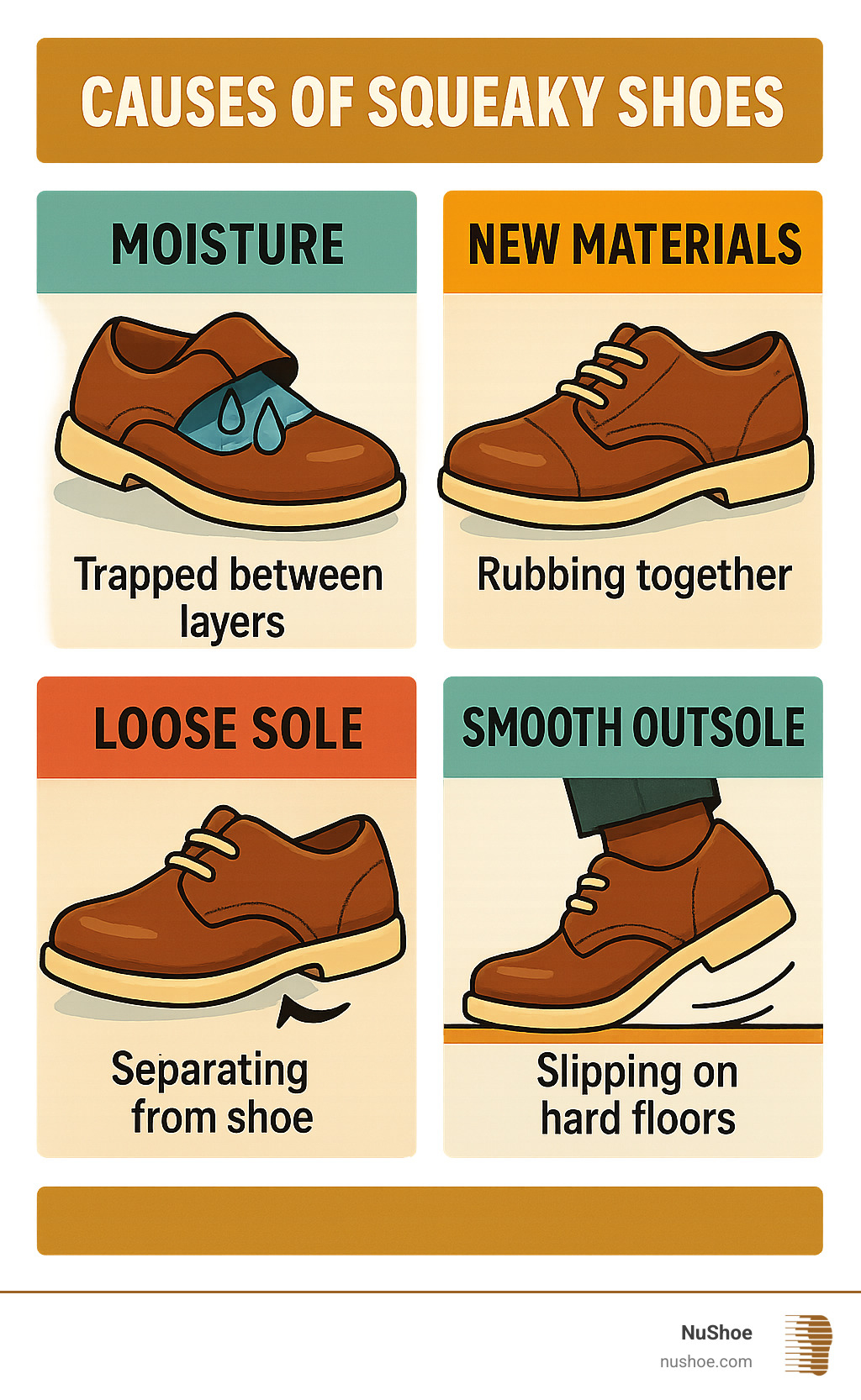
Squeaks come from trapped air, moisture, or rubbing surfaces inside the shoe. New shoes often have slick soles, stiff linings, or glued layers that shift and create noise.
Common causes
- Loose insole rubbing against the sole or foot creates a soft squeak.
- Moisture from sweat or rain makes materials stick and slip.
- Smooth rubber soles squeak on polished floors.
- Poorly bonded midsole layers or glue gaps let surfaces rub.
- New insoles or orthotics that don’t fit snugly produce noise.
Knowing these causes helps you pick the right fix. If you want to learn how to stop new shoes from squeaking for a specific pair, reading material-specific fixes below will help.
Quick fixes you can try now
Start with the easiest, least risky methods. These often solve squeaks in minutes.
Fast steps
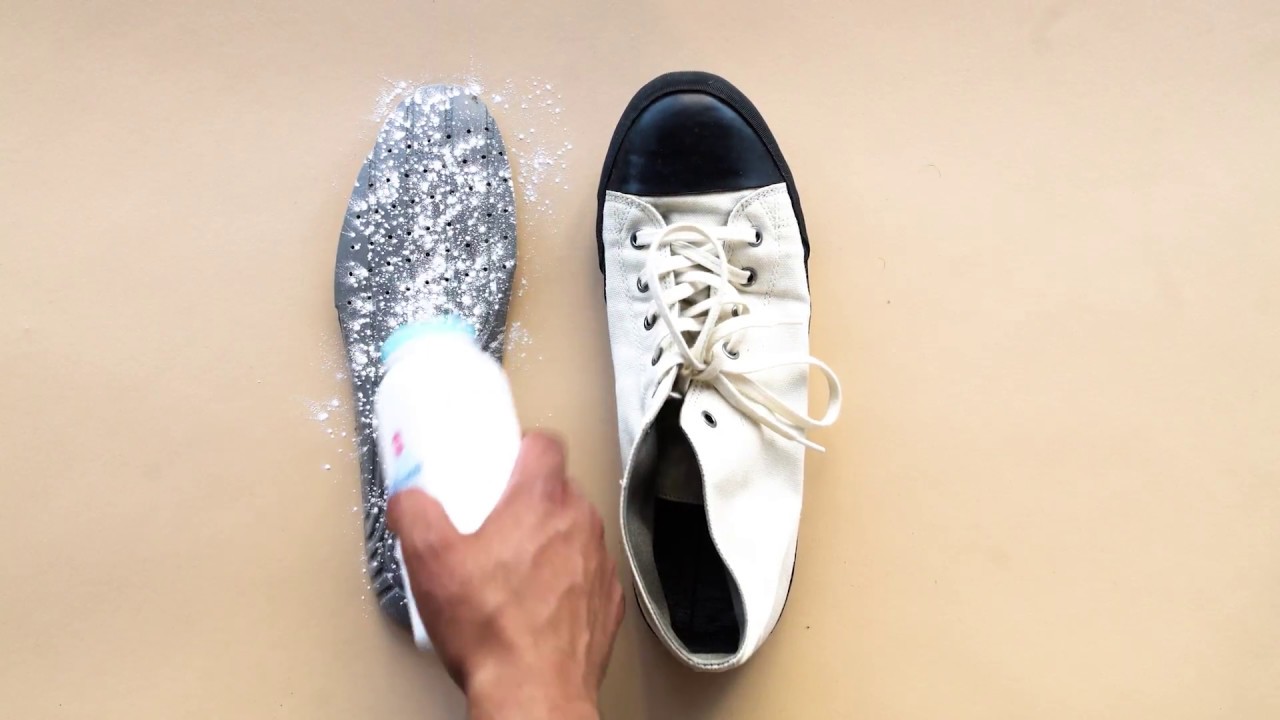
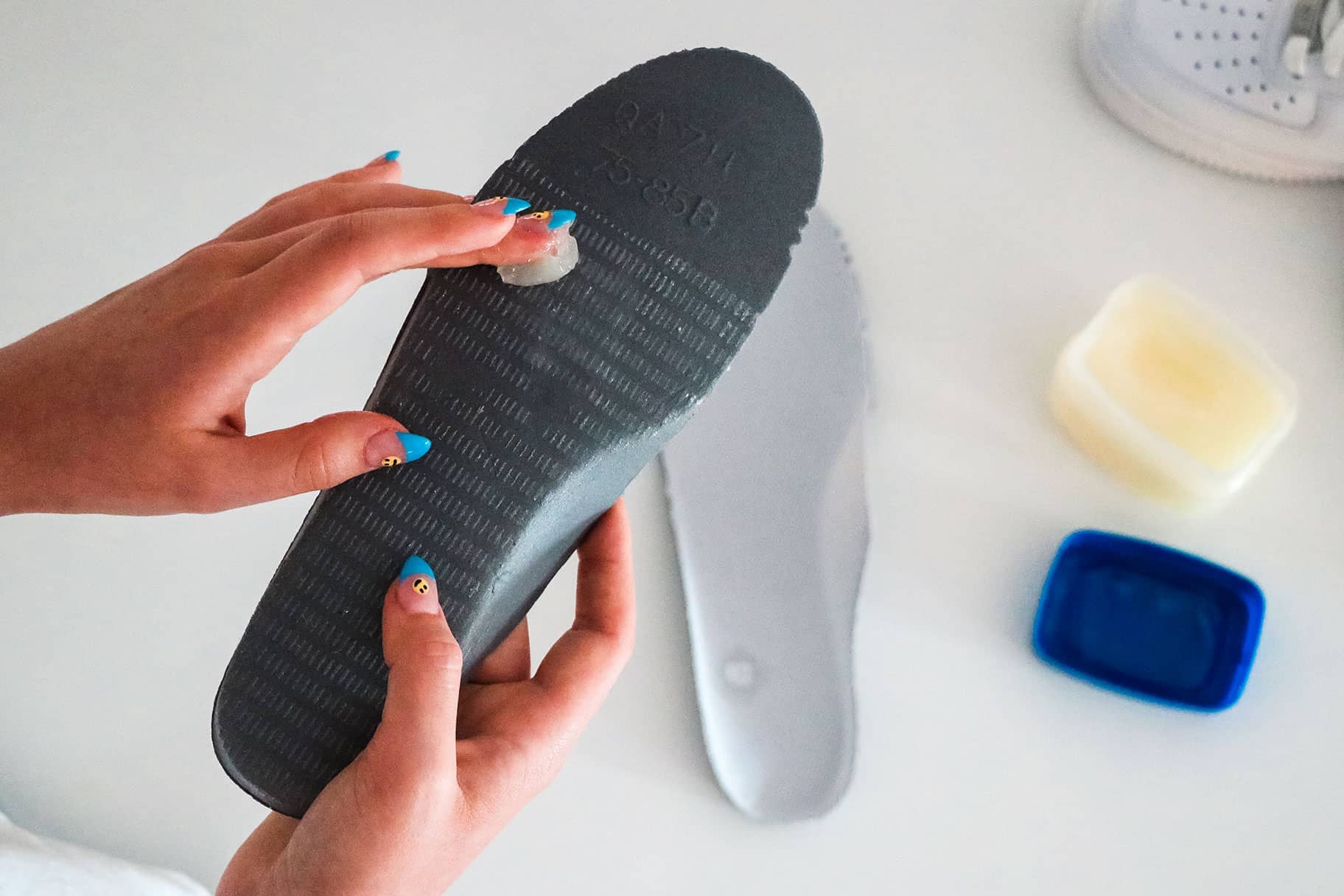
- Remove the insole, sprinkle a small amount of baby powder or cornstarch, and replace the insole to reduce friction.
- Dry the shoes completely; place them in a well-ventilated area or use a fan to remove moisture.
- Rub the outer sole with fine-grit sandpaper to de-gloss and add texture for better traction.
- Insert a thin piece of felt or adhesive foam between layers where rubbing occurs.
- Tighten laces or use a heel grip to stop internal movement.
These quick steps are my go-to when asked how to stop new shoes from squeaking at an event or work shift. They are low-cost and low-risk.
Material-specific methods
Different materials need different approaches. Tailor fixes to leather, rubber, synthetic, suede, or cork.
Leather shoes
- Apply saddle soap or leather conditioner lightly to soften stiff areas that rub.
- Use felt or leather heel grips to stop internal slip.
Rubber soles
- Lightly scuff new rubber with sandpaper on the contact surface.
- Try a thin layer of talc or cornstarch inside where the sole meets the midsole.
Synthetic or plastic
- Use rubbing alcohol on seams to remove excess adhesive or surface oils.
- If layers separate, a cobbler can re-glue with an appropriate adhesive.
Suede
- Avoid oily products. Use dry powders in hidden areas or adhesive felt inserts.
Cork or foam insoles
- Replace or dry them; damp cork often squeaks until fully dry.
Choosing the right method reduces trial and error when learning how to stop new shoes from squeaking.

Long-term solutions and professional fixes
If quick fixes fail, use stronger or professional fixes for lasting silence.
Options to consider
- Replace worn or poorly fitted insoles with high-quality foam or leather insoles.
- Have a cobbler re-glue midsole layers or apply a new outsole for persistent sole noise.
- Get custom orthotics fitted if internal movement causes recurring squeaks.
- Ask a professional to stitch or secure loose linings rather than rely on temporary adhesives.
Professional work costs more but delivers durable results. For expensive dress shoes, learning how to stop new shoes from squeaking often means a short visit to a cobbler.
Tools, supplies, and a step-by-step fix you can do at home
Collect a few simple items before you begin. Then follow a safe, proven sequence.
Useful supplies
- Baby powder, cornstarch, or talcum powder
- Fine-grit sandpaper (220–400 grit)
- Rubbing alcohol and a clean cloth
- Adhesive felt pads, double-sided tape, or thin foam
- Shoe glue for small separations
Step-by-step method to quiet most shoes
- Remove insoles and dry both shoes and insoles fully for several hours.
- Sprinkle a small amount of powder into the shoe cavity and shake so it coats hidden seams.
- Replace insoles, test by walking, and add adhesive felt where you hear rubbing.
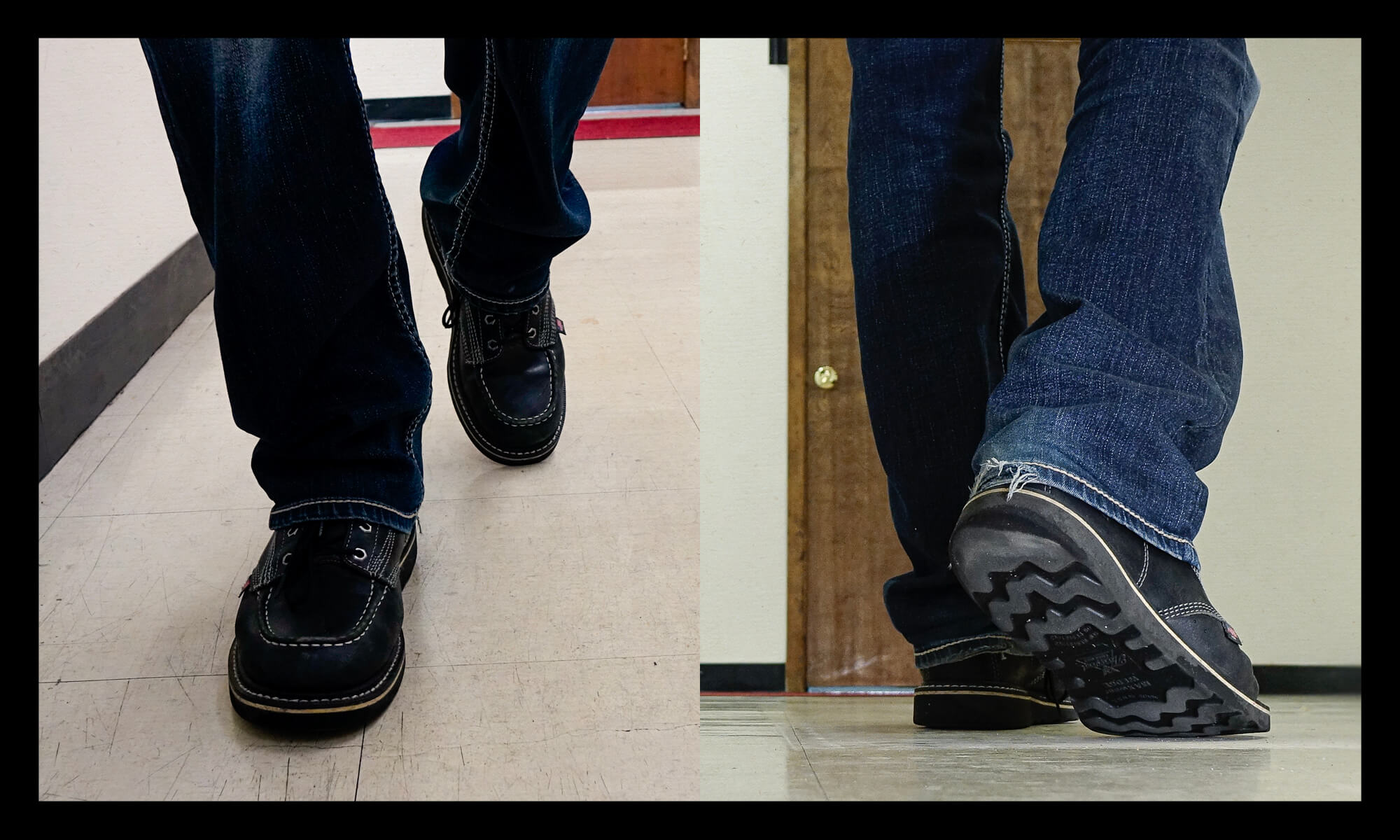
- If the sole squeaks on floors, lightly sand the outer sole in a circular motion.
- Re-test; repeat powder or add foam until the noise stops.
This clear routine often settles the question of how to stop new shoes from squeaking with minimal fuss.

Troubleshooting and prevention tips
If a fix doesn’t work, isolate where the sound originates before chasing it. Walk on different surfaces and listen carefully.
Troubleshooting checklist
- Check whether the noise comes from the sole, insole, tongue, or heel.
- Test shoes without socks to isolate interior rubbing (do this safely and briefly).
- Swap the insole with a different pair to see if the sound follows the insole.
Prevention tips
- Break in new shoes gradually to allow adhesives and materials to settle.
- Rotate shoes daily so moisture can evaporate between wears.
- Use breathable socks and foot powder to reduce internal moisture.
Follow these steps to prevent squeaks before they start and to maintain quiet shoes for longer.
Personal experience and lessons learned
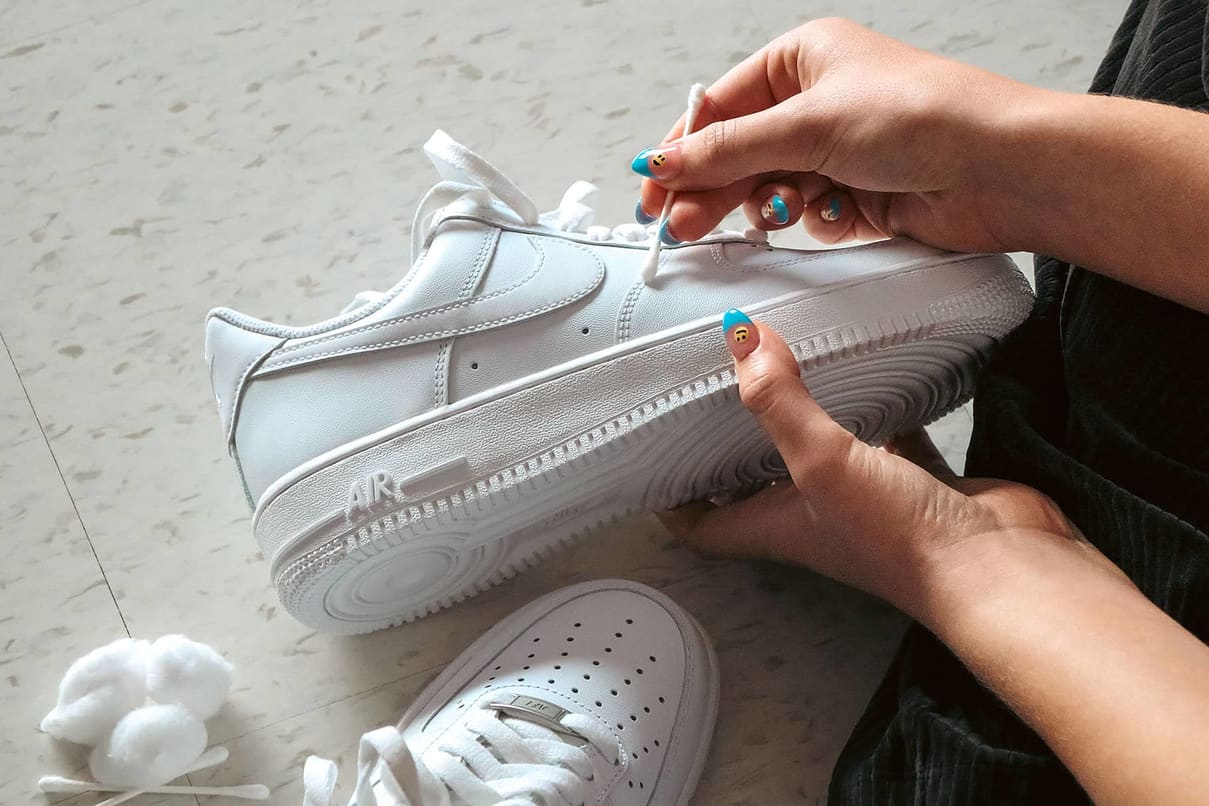
I once wore new dress shoes to a client meeting and heard a loud squeak with every step. I tried rubbing alcohol, but the real fix was removing the insole, dusting the cavity with cornstarch, and replacing a slightly warped heel liner. The squeak stopped and the shoes stayed quiet.
Lessons I learned
- Start with the least invasive fix first.
- Simple powders and insole tweaks often beat glue or replacement.
- For expensive shoes, a cobbler can save money in the long run.
My hands-on work with dozens of shoe types taught me reliable ways to stop squeaks. If you care about silence and comfort, these methods work.

Quick common questions
Will baby powder ruin my shoes?
No. A small amount of baby powder or cornstarch usually won’t harm shoes. Use sparingly and avoid powders that contain oils or dyes.
Can I use oil to stop squeaking?
Avoid oils inside shoes because they can stain and attract dirt. Oil may work on exterior seams but is not a long-term interior solution.
Does sanding the sole affect traction?
Light sanding de-glosses smooth rubber and can improve grip. Sand gently to avoid removing too much material.
How long does it take to stop squeaks after a fix?
Many fixes work instantly. Drying or conditioning can take a few hours to a day for full effect.
Should I see a cobbler for cheap shoes?
For inexpensive shoes, try home fixes first. If the noise persists and the shoe has value to you, a cobbler can help.
Frequently Asked Questions of how to stop new shoes from squeaking
Why are my brand-new shoes squeaking?
New shoes squeak because adhesives are fresh, linings are stiff, or layers shift. Moisture and smooth soles also make new shoes more likely to squeak.
Can I use household items to stop squeaks?
Yes. Baby powder, cornstarch, rubbing alcohol, and felt pads are common household solutions. Start with these before using glue or paying for repairs.
Is it safe to put powder directly on insoles?
It is safe if you use a small amount of dry powder like cornstarch. Too much powder can clump; use just enough to reduce friction.
Will dryer sheets stop shoe squeaks?
Dryer sheets can reduce static and minor rubbing but are not a reliable long-term fix. They work best as a temporary measure for interior friction.
How do I stop my rubber soles from squeaking on tile?
Lightly scuff the sole with fine-grit sandpaper to add texture. Cleaning the sole surface to remove factory coatings can also help.
When should I take shoes to a cobbler?
Take shoes to a cobbler when layers separate, glue fails, or home fixes don’t stop the noise. For dress shoes, professional re-gluing or resoling is often worth it.
Can new insoles cause squeaking?
Yes, thick or stiff new insoles may shift and squeak until they settle or are trimmed to fit. Try swapping insoles to test this.
Conclusion
You can stop most new shoes from squeaking with simple steps: dry them, reduce friction with powder, secure loose parts, and scuff slick soles. Start with gentle fixes and move to professional help if noise persists. Try one method today, test the shoe, and repeat until quiet.
If this guide helped, try the quick powder-and-insole test on your pair now. Share your results in the comments, subscribe for more shoe care tips, or ask for advice about a specific shoe type.
Madison Clark is a footwear expert and the voice behind MyStyleGrid.com. She specializes in honest shoe reviews, style tips, and practical guides to help readers find the perfect pair for any occasion. With years of experience in blogging and content creation, Madison makes footwear knowledge simple, stylish, and easy to follow.