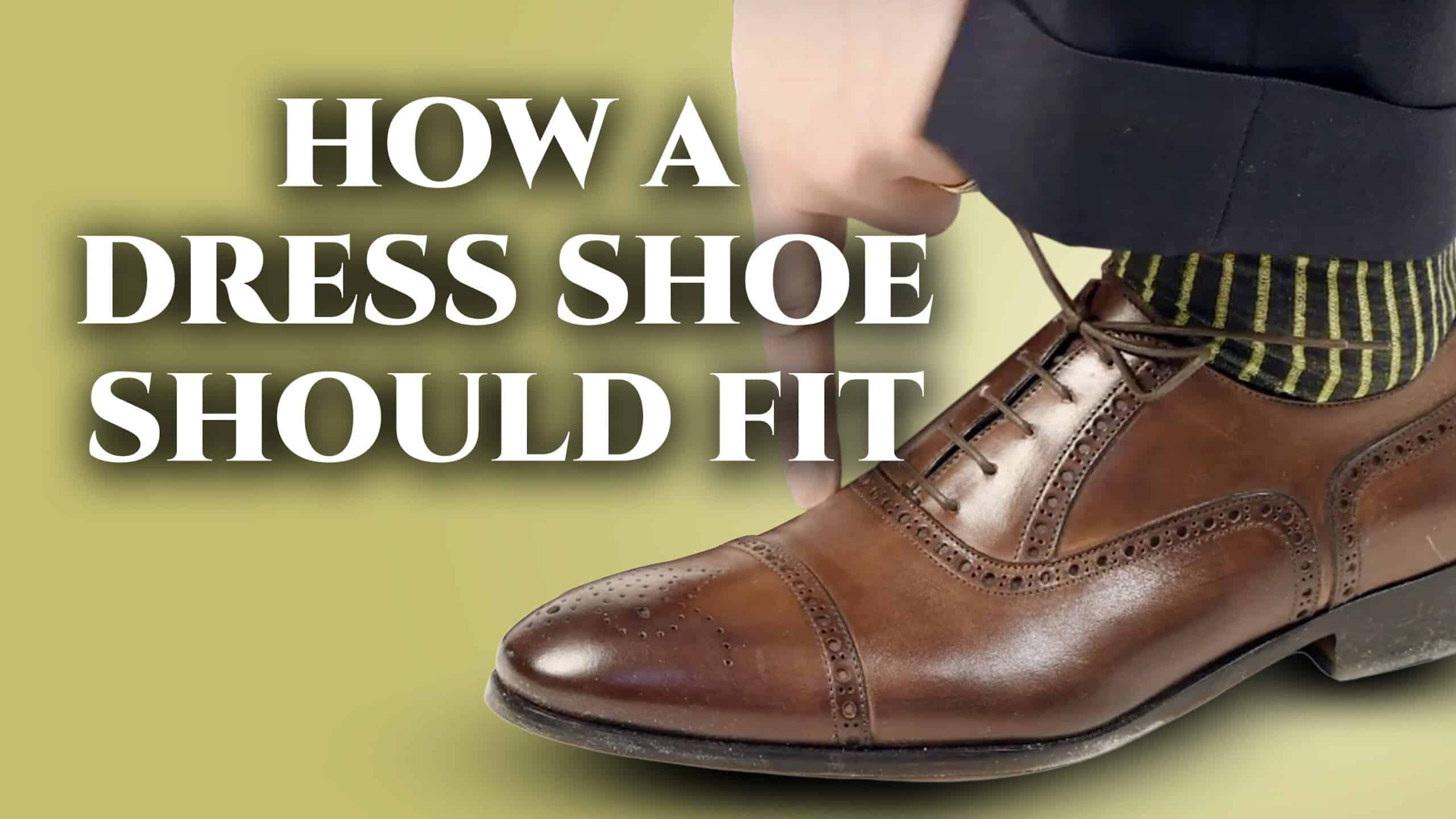
Dress shoes should fit snug at the heel, have about a thumbnail of room at the toe, and not pinch.
I’ve spent years fitting shoes for clients and testing dress styles, so I know how confusing sizing can be. This guide explains exactly how should dress shoes fit, step by step, with clear checkpoints, common problems and fixes, measurement tips, and real-world examples from my experience. Read on and you’ll learn to pick dress shoes that look sharp, feel comfortable, and protect your feet long-term.
Fit fundamentals: what “fit” really means for dress shoes
Fit means comfort, support, and correct proportions for your foot and style of shoe. Dress shoes should align with how your foot moves and not force it into an unnatural shape. A good fit helps posture, prevents blisters, and makes shoes last longer.
Key ideas to remember:
- Length must allow a little wiggle room in the toe box.
- Width should hold the midfoot without squeezing.
- Heel should stay put with no continuous slipping.
- Instep comfort avoids pressure across the top of the foot.
how should dress shoes fit matters more than brand or price. Cheap shoes that fit well often out-perform expensive shoes that don’t. I’ve seen clients improve comfort instantly by switching to a different last or size. Dress shoes that fit correctly feel like an extension of your foot, not a foreign object.
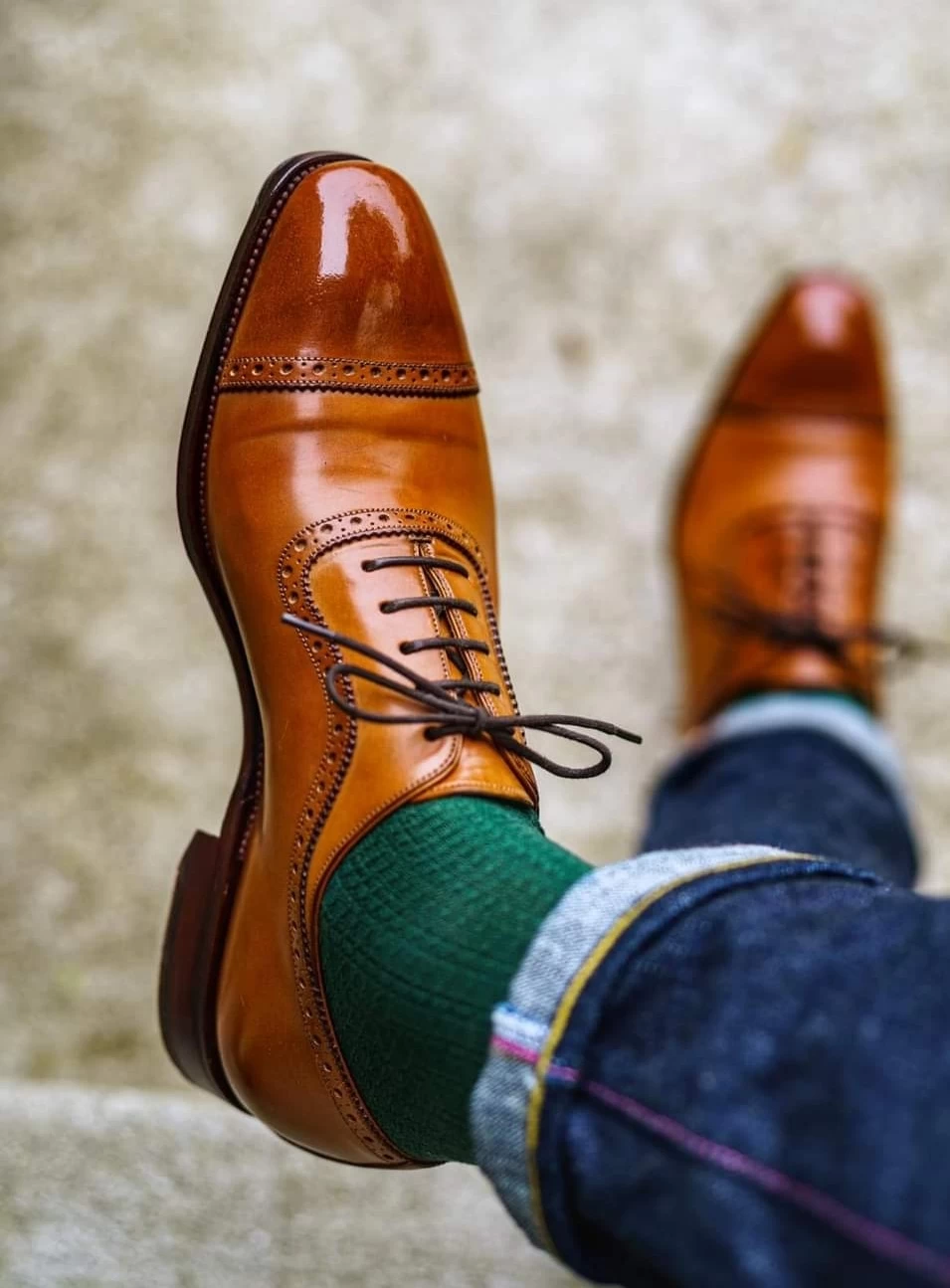
Key checkpoints when trying on dress shoes
When you try shoes on, use quick tests to know how they fit. These checkpoints are simple and repeatable.
Checkpoints to run through:
- Toe box space: You should have about 1/4 inch (a thumbnail) between longest toe and shoe end.
- Heel hold: Heel should not slip more than half an inch when you walk.
- Width fit: Shoe sides should touch without painful pressure or bulging.
- Instep feel: Laces or straps should close easily without pinching.
- Flex point: The shoe should bend where your foot bends, usually at the ball of the foot.
- Overall comfort: Walk 10–15 steps; there should be no hot spots or sharp pressure.
how should dress shoes fit? Use these checkpoints every time. My own rule: if one checkpoint fails, try another size, width, or last before buying. Often a half size up or down fixes a single problem.

Measuring and trying on: practical steps
A quick, accurate measurement saves time and money. Use these steps at home or in-store.
Steps to measure and try on:
- Measure feet in the afternoon when they are slightly larger.
- Wear the socks you’ll usually use with the shoes.
- Measure both feet; buy for the larger foot when sizes differ.
- Try shoes standing and walking, not just sitting.
- Test with your usual walking pattern and on different floor surfaces if possible.
how should dress shoes fit during the try-on? Always walk and test for pressure spots. I once recommended a client size up because his toes hit the toe box after 30 minutes of walking—something we’d have missed if he’d only stood still.
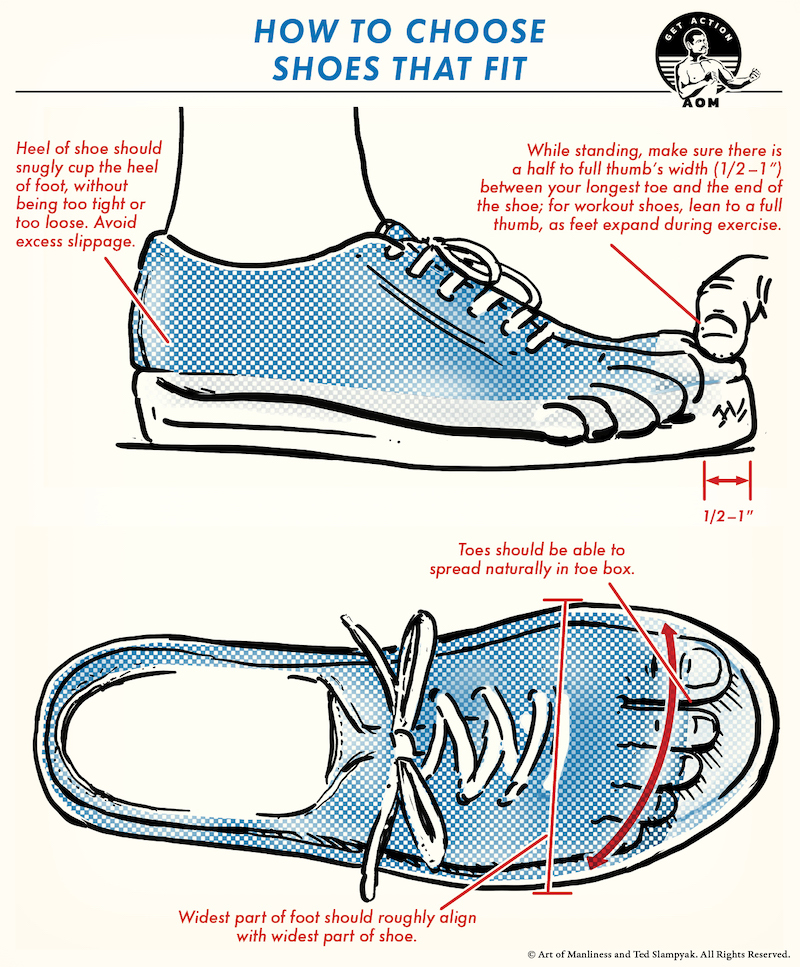
Common fit problems and simple fixes
Problems happen. Here’s how to diagnose and fix them without returning the shoes every time.
Problems and fixes:
- Tight toes or pinching: Try a half size up or a different last; consider stretching by a cobbler.
- Heel slip: Add heel pads, use thicker socks, or try a half size down. If slip persists, a different last may be needed.
- Too wide: Add insoles or tongue pads to fill extra space.
- Too narrow: A cobbler can stretch leather, or try a wider width.
- Pressure across the instep: Choose shoes with lower vamp or adjust lacing patterns to relieve pressure.
- Blisters and hotspots: Break shoes in gradually and use friction-reducing products.
how should dress shoes fit if you have foot issues? If you have bunions, wide forefoot, or high arches, look for shoes with accommodating lasts and bring orthotic inserts when trying on. I recommend consulting a specialist for chronic conditions.

Materials, break-in, and long-term comfort
Material and construction affect fit over time. Leather behaves differently than synthetics. Understanding this prevents surprises.
What to expect:
- Full-grain leather molds to your foot and stretches slightly with wear.
- Synthetic materials rarely stretch and need very accurate sizing.
- Goodyear welt and Blake stitch construction can change how a shoe flexes and fits.
- Insoles and arch support can alter fit and should be tested with shoes on.
how should dress shoes fit after break-in? Expect minor softening and a little extra room in leather shoes. I recommend wearing new dress shoes for short periods the first week. Use shoe trees after wearing to maintain shape and absorb moisture.

Styling and fit: how fit affects appearance
Fit directly impacts how dress shoes look with clothing. A bad fit ruins an outfit; a good fit elevates it.
Style-fit tips:
- Sleek oxfords look best with a close, clean fit across the vamp.
- Brogues and derbies can hide a slightly fuller foot due to open lacing.
- Loafers need snuger fit across the heel to avoid sliding.
- Match shoe width to trouser break; too tight shoes can alter your gait and change pant drape.
how should dress shoes fit to look sharp? Aim for balance—neither pinched nor sloppy. I’ve adjusted trouser breaks after switching to a different shoe size; fit and style go hand in hand.
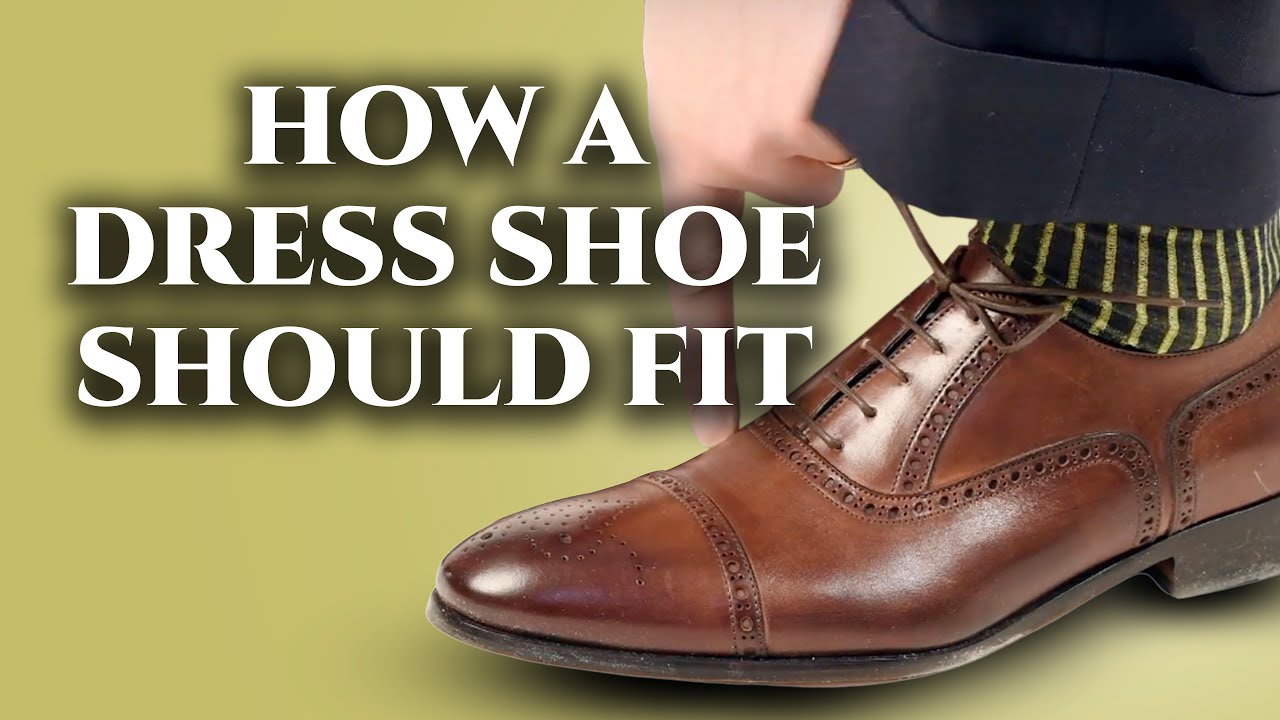
Personal experience, lessons, and practical tips
I’ve fitted hundreds of clients and tested many dress shoes. Here are the lessons I return to most.
Lessons learned:
- Don’t assume your dress shoe size equals your sneaker size—measure each time.
- Try shoes later in the day for best fit.
- Always walk when trying on; standing alone hides many issues.
- Invest in a good cobbler; small adjustments often fix fit problems.
- Use shoe trees to prolong shape and comfort.
A story from my work: I once advised a client to choose a wider last instead of a larger size. The problem was width, not length. After the switch, he reported zero discomfort on a 12-hour travel day. Real fit advice often comes from small adjustments like that.

How should dress shoes fit when you wear orthotics or special socks
Orthotics change internal volume. Plan for them during the try-on.
Tips for orthotics:
- Bring orthotics when trying shoes and wear them during the walk test.
- You may need a half size up or a different width to accommodate orthotics.
- Consider shoes with removable insoles to make room for inserts.
how should dress shoes fit with orthotics? Fit for comfort with the insert in place. I recommend testing full walking cycles because orthotics can shift pressure points.
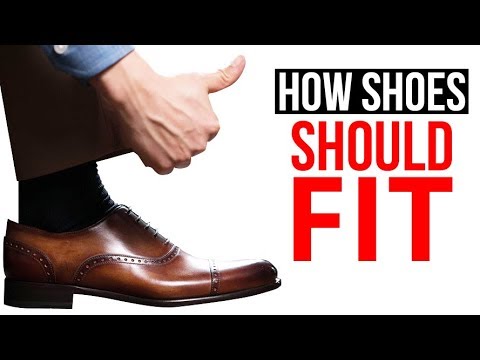
PAA-style questions (People Also Ask)
What is the ideal amount of toe room in dress shoes?
- Aim for about a thumbnail’s width (roughly 1/4 inch) from your longest toe to the shoe tip. This allows natural foot expansion while walking.
Should dress shoes be tight at first?
- New leather may feel snug initially but should never cause sharp pain or severe numbness. Minor firmness will ease after short wear sessions.
How do I know if the heel is slipping too much?
- Heel slip that persists beyond a few steps or causes blisters indicates poor fit. Heel slip should be minimal—under half an inch—when walking.
Can I size down if the shoe feels loose?
- Yes, but only after checking width and insole options. Sometimes adding an insole or tongue pad fixes looseness without changing length.
Is it normal for leather shoes to stretch?
- Full-grain leather will stretch slightly and mold to your foot. Synthetics stretch much less, so pick a precise fit for non-leather shoes.
Frequently Asked Questions of how should dress shoes fit
How much space should be at the toe of dress shoes?
A good guideline is about a thumbnail (roughly 1/4 inch) of space from the longest toe to the shoe tip. This prevents toes from hitting the front as feet swell during the day.
Should dress shoes feel tight at the heel?
No. The heel should sit snugly without constant slipping. A little movement is okay during first wears, but persistent slip can cause blisters and poor walking form.
How do I choose width for dress shoes?
Try widths labeled standard, wide, or extra wide based on how your foot feels. If the shoe pinches the sides, try a wider width or a different last.
Can shoe trees fix fit problems?
Shoe trees help maintain shape and reduce moisture, but they won’t fix a size or width mismatch. They’re best for preserving correctly fitting shoes.
When should I see a cobbler for fit adjustments?
See a cobbler for minor stretching, adding heel pads, or adjusting eyelets. If the shoe is grossly too small or large, a different size or model is a better option.
Conclusion
Getting the fit right for dress shoes means thinking about length, width, heel hold, and materials. Use simple tests, measure both feet, and walk in the shoes before you buy. Small adjustments like insoles or heel pads can help, but the best solution is a shoe built on the right last for your foot.
Take action: try the checklist next time you shop for dress shoes and keep a pair of shoe trees handy. If you found this helpful, subscribe for more shoe-fitting tips or leave a comment with your fit questions.

Rubel Miah is the Senior Editor at MyStyleGrid.com, where he brings a sharp editorial eye and an unshakable love for fashion to everything he does. A true style addict, Rubel lives and breathes trends, from streetwear to high fashion, and has a knack for turning inspiration into impactful stories. With years of experience in fashion journalism and digital media, he curates content that empowers readers to express themselves through style. When he’s not editing features or forecasting the next big thing, you’ll find him hunting down vintage pieces or capturing street style moments around the city.