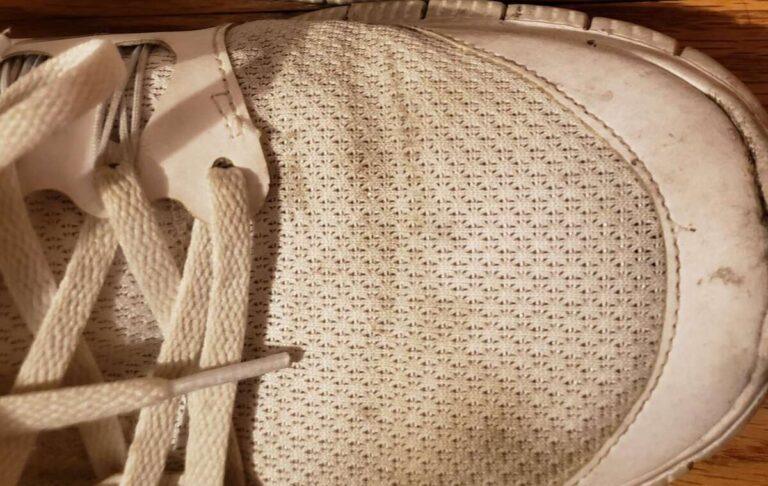
Clean mesh Nike shoes with a gentle hand wash using mild soap and air-dry properly.
I’ve spent years caring for athletic footwear and have cleaned dozens of mesh Nikes for myself and clients. This guide explains exactly how to clean Nike shoes with mesh safely and effectively, using simple supplies, step-by-step methods, and real-world tips to protect fit, color, and performance. Read on to learn the safest techniques, common mistakes to avoid, and quick maintenance routines that keep your mesh Nikes looking and performing their best.
Why proper cleaning matters for mesh Nike shoes
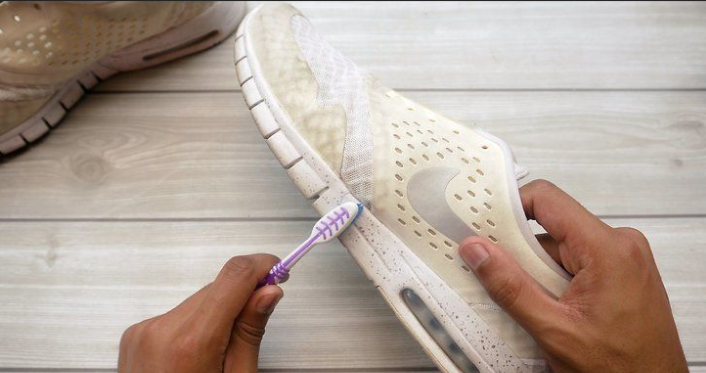
Mesh makes shoes breathable and lightweight, but that same openness traps dirt, sweat, and odors. Cleaning mesh Nike shoes preserves breathability, prevents material breakdown, and keeps cushioning performing well. Regular cleaning also extends the life of adhesives and colors by removing grit that causes abrasion over time.
Mesh is delicate. Aggressive scrubbing, harsh chemicals, or high heat can deform fibers and ruin the shoe’s shape. Knowing how to clean Nike shoes with mesh helps you remove stains without damaging structure, so you can keep comfort and fit for longer.
What you need to clean Nike shoes with mesh
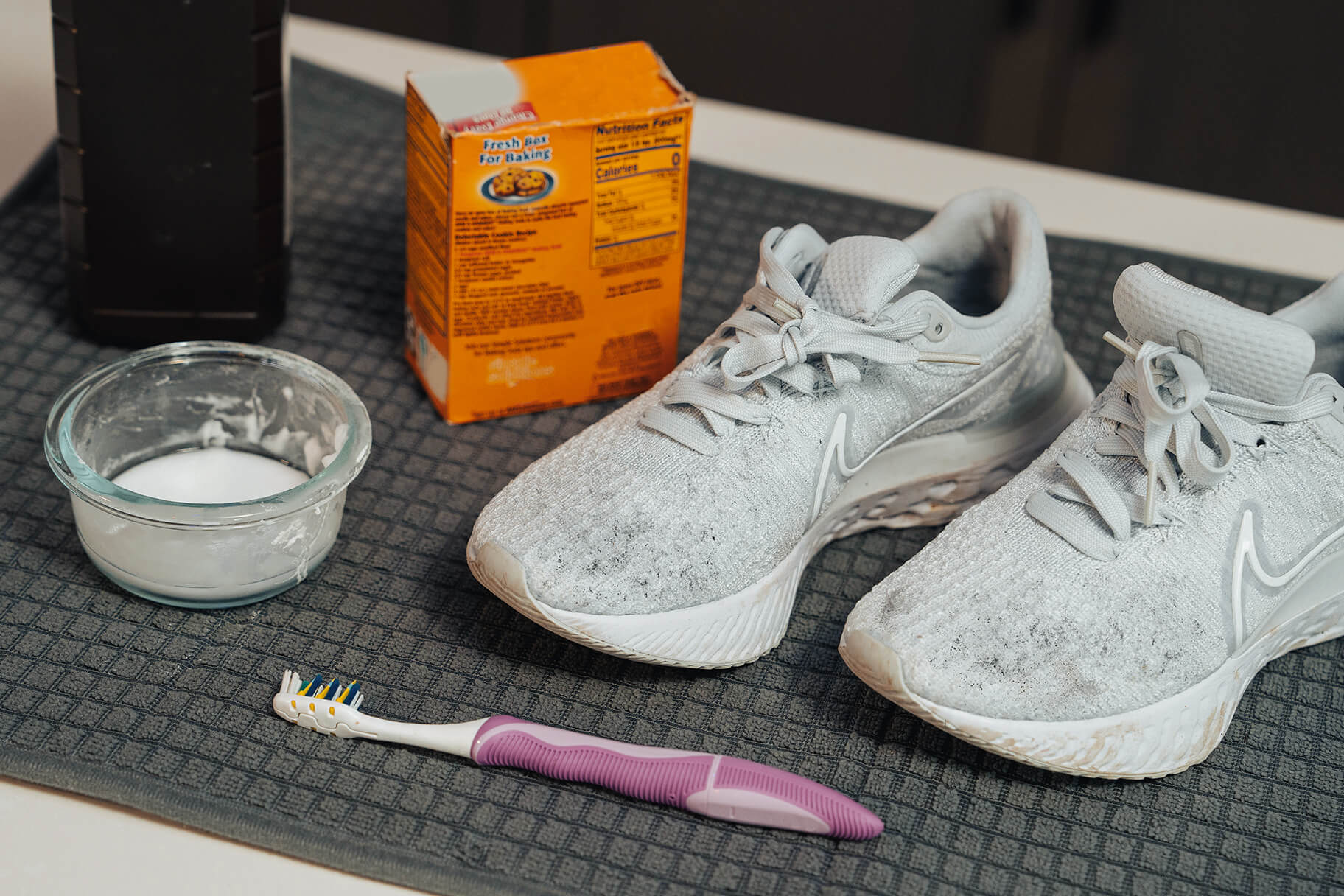
Gather these gentle tools and supplies before you start. Using the right items reduces the chance of damage.
- Soft-bristled brush, like an old toothbrush
- Microfiber cloths or soft towels
- Mild liquid detergent or sneaker cleaner
- Lukewarm water in a bowl
- Baking soda (optional, for odor)
- Soft sponge
- Paper towels or shoe trees for drying
- Small bowl for the cleaning solution
- Optional: sneaker protector spray
Using household cleaners like bleach or strong stain removers can weaken mesh threads. Stick to mild soap and warm water when learning how to clean Nike shoes with mesh.

Step-by-step: How to clean Nike shoes with mesh
These steps cover preparation, spot cleaning, full hand-wash, and safe rinsing. Follow them in order for best results.
- Prep and inspection
- Remove laces and insoles. Laces can be laundered separately. Insoles should be hand-cleaned and air-dried to preserve cushioning.
- Tap out loose dirt and use a soft brush to remove surface dust. Check for stuck debris in seams.
- Make a gentle cleaning solution
- Mix one teaspoon of mild liquid detergent with one cup of lukewarm water. For odor control, add a pinch of baking soda to the cleaning bowl.
- Avoid concentrated cleaners or bleach. Mesh reacts poorly to strong alkalines.
- Spot treatment for stains
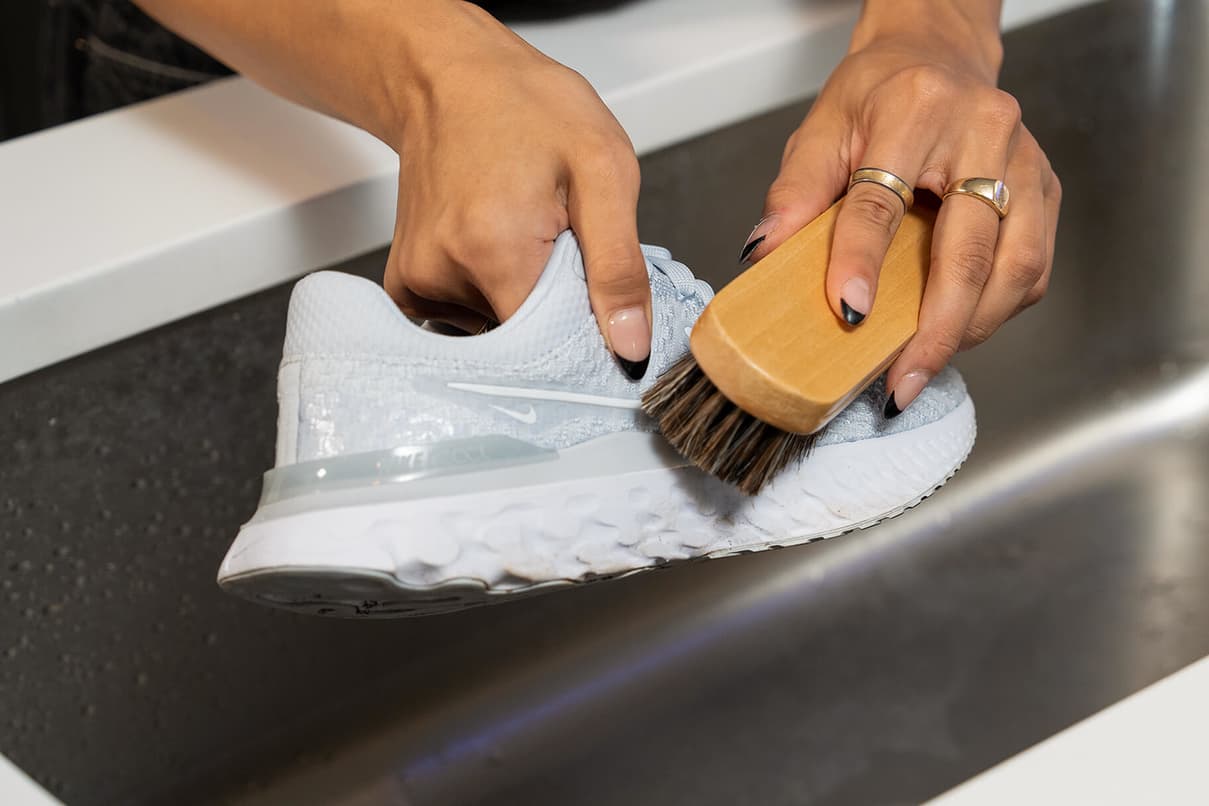
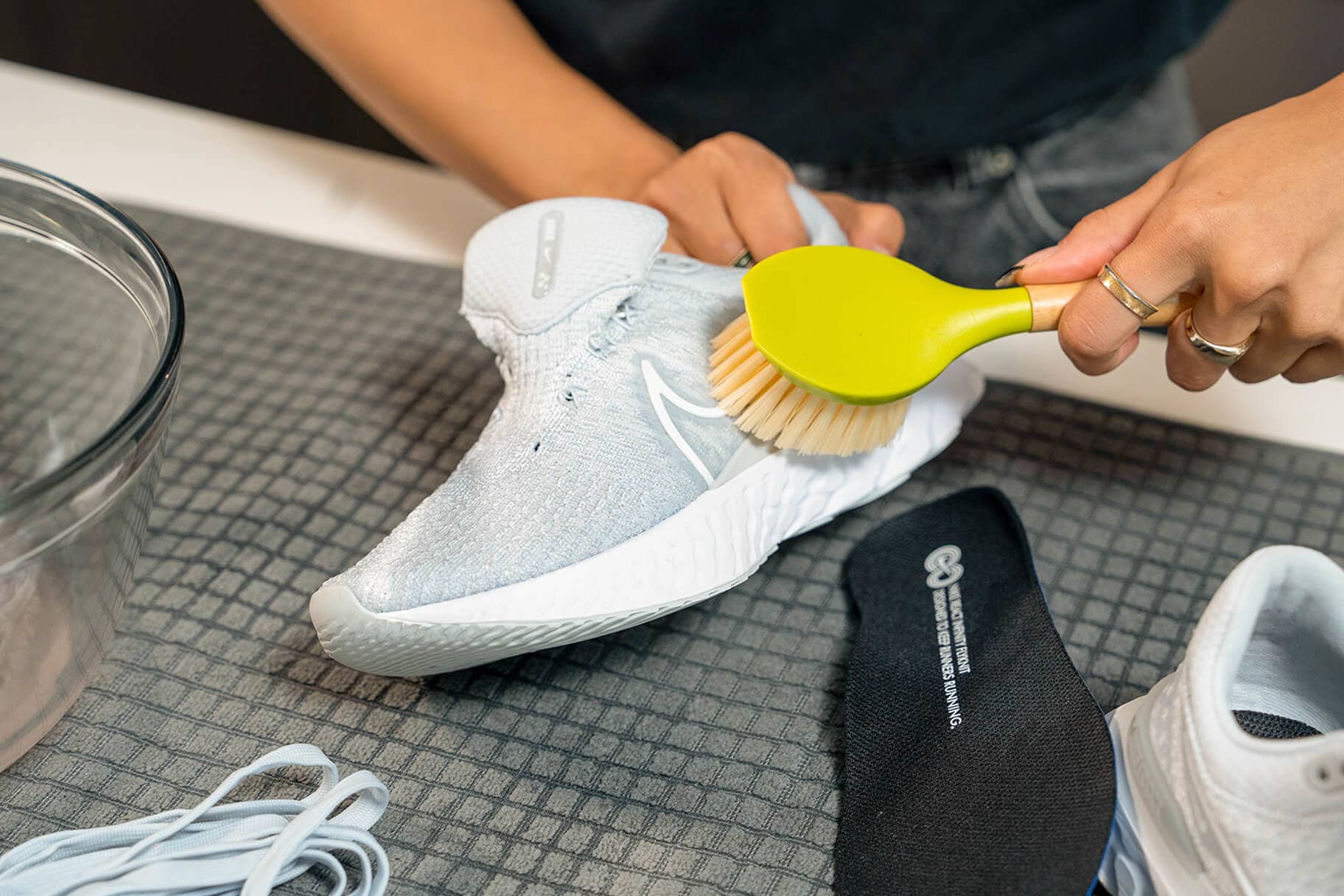
- Dip the soft-bristled brush in the solution and gently agitate the stained area. Work in small circular motions.
- For stubborn spots, let the solution sit on the stain for 2–3 minutes before brushing again.
- Rinse the brush, then blot the area with a damp microfiber cloth to lift soap residue.
- Hand-wash the upper
- Use a sponge or cloth dipped in the cleaning mix to wipe the shoe upper. Keep motions light and controlled.
- Clean the tongue, heel collar, and toe box carefully. Do not submerge the whole shoe unless necessary.
- For very dirty soles, use a slightly firmer brush on the rubber areas only.
- Rinse and remove soap
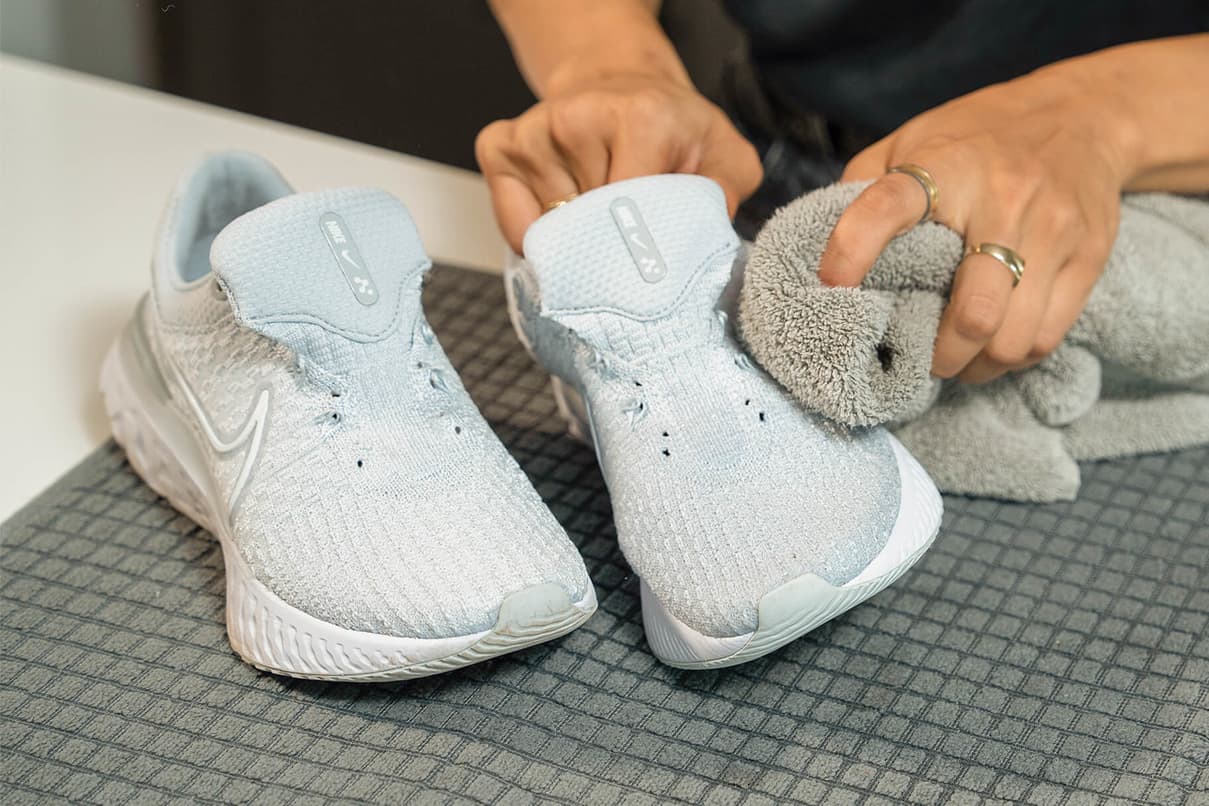
- Use a clean cloth dampened with plain water to wipe away soap. Repeat until no suds remain.
- Avoid running shoes under a tap for too long; prolonged soaking can loosen adhesives.
- Drying and reshaping
- Pat excess water with paper towels and reshape the toe box with your hands.
- Stuff shoes with crumpled paper towels or a shoe tree to maintain shape.
- Air-dry at room temperature in indirect light. Drying can take 12–48 hours depending on humidity.
- Reassemble and protect
- Once fully dry, replace insoles and laces. Consider a light mist of sneaker protector spray to repel future stains and water.
These steps show how to clean Nike shoes with mesh safely, keeping texture and structure intact.
Machine washing: when it’s okay and how to do it safely
Machine washing is tempting but risky. Use it only if the shoe tag allows and you follow strict precautions.
- Put shoes in a mesh laundry bag or pillowcase and tie it shut.
- Remove insoles and laces; wash laces separately.
- Use a cold, gentle cycle with mild detergent.
- Add towels to balance the load and cushion shoes.
- Never tumble dry. Always air-dry and reshape.
From my experience, hand washing is safer for most mesh Nikes. Machine washing can work for durable models, but expect slightly faster wear over many cycles.
Drying, reshaping, and post-clean care
Drying right keeps mesh breathable and the fit consistent.
- Never use direct heat sources like radiators, dryers, or hair dryers.
- Replace crumpled paper towels every few hours until dry to speed moisture removal.
- For stubborn odors, sprinkle baking soda inside after drying and shake out the next day.
- Store shoes in a cool, ventilated area away from direct sunlight to prevent fading and warping.
I once dried a pair on a radiator and lost the shoe’s snug toe shape. That taught me to always air-dry and use stuffing or shoe trees.
Common mistakes and how to avoid them
Avoid these errors when you learn how to clean Nike shoes with mesh.
- Using bleach or harsh chemicals
- Scrubbing too hard and damaging mesh fibers
- Drying in direct heat or sunlight
- Reassembling shoes before they are fully dry
- Ignoring dirt in seams and creases
A gentle touch beats brute force. Treat the mesh like a delicate fabric, and you’ll keep shoes lasting longer and looking newer.
Routine care to reduce deep cleans
Small habits reduce the need for heavy cleaning and protect mesh integrity.
- Brush off dirt after every use.
- Spot-clean spills immediately with a damp cloth.
- Rotate shoes; avoid wearing the same pair daily.
- Use a protector spray monthly for light water and stain resistance.
- Wash laces and insoles separately every few weeks.
These routines cut down on deep cleans and preserve cushioning and breathability.
When to seek professional cleaning or repair
If mesh is torn, seams are coming apart, or glue has failed, a professional cobbler or sneaker restoration service is the safer option. Professionals can reweave or patch mesh and stabilize the structure without risking further damage. For vintage or high-value Nike models, professional care often preserves resale and sentimental value.

Frequently Asked Questions of how to clean nike shoes with mesh
Can I use bleach to clean mesh Nike shoes?
No. Bleach weakens mesh fibers, discolors fabric, and can damage adhesives. Use mild detergent and lukewarm water instead.
How often should I clean mesh Nike shoes?
Clean them lightly after heavy use and deep-clean every 6–12 weeks depending on activity and dirt levels. Frequent spot care reduces deep-cleans.
Will machine washing ruin my Nike mesh shoes?
Machine washing can speed wear and loosen glue. Use it only if the manufacturer allows, on a gentle cold cycle, inside a mesh bag, and air-dry afterward.
How do I remove stubborn stains from mesh?
Use a mild detergent paste or a soft-bristled brush with the cleaning solution, let it sit a few minutes, then blot with a damp cloth. Repeat sparingly to avoid over-saturation.
Can I use a protector spray on mesh?
Yes. A breathable sneaker protector spray helps repel stains and water. Test on a hidden spot first to check for color changes.
Conclusion
Cleaning mesh Nike shoes well is a simple mix of gentle tools, careful technique, and routine upkeep. Start with soft brushing, use mild soap and lukewarm water, spot-treat stains, and always air-dry while reshaping. These methods keep mesh breathable, colors bright, and fit consistent.
Take action today: clean one pair using the steps above and add a weekly quick-brush to protect your shoes long-term. If you found this guide helpful, try the method on an older pair and leave a comment with your results or questions.

Rubel Miah is the Senior Editor at MyStyleGrid.com, where he brings a sharp editorial eye and an unshakable love for fashion to everything he does. A true style addict, Rubel lives and breathes trends, from streetwear to high fashion, and has a knack for turning inspiration into impactful stories. With years of experience in fashion journalism and digital media, he curates content that empowers readers to express themselves through style. When he’s not editing features or forecasting the next big thing, you’ll find him hunting down vintage pieces or capturing street style moments around the city.