No — snowboard boot sizes are not identical to everyday shoe sizes; sizing systems and fit differ.
I fit snowboard boots for years and have dialed in what works. If you've ever asked "are snowboard boot sizes the same as shoes," this guide will answer it clearly. I explain how sizes map, why boots feel different, and how to pick the right fit. Read on to avoid painful runs, cold toes, or a wasted return trip.
How snowboard boot sizing works and why it differs from shoes
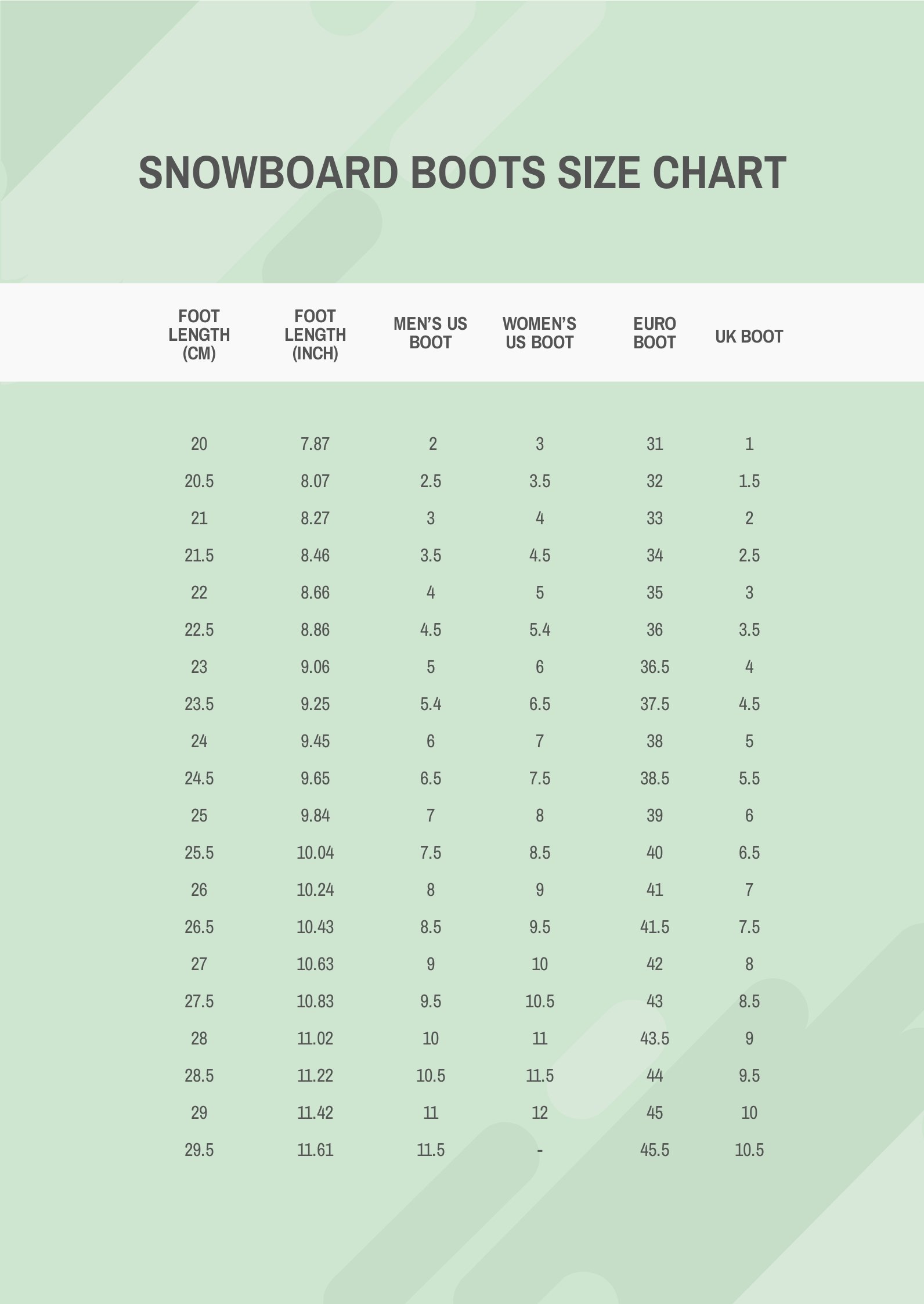
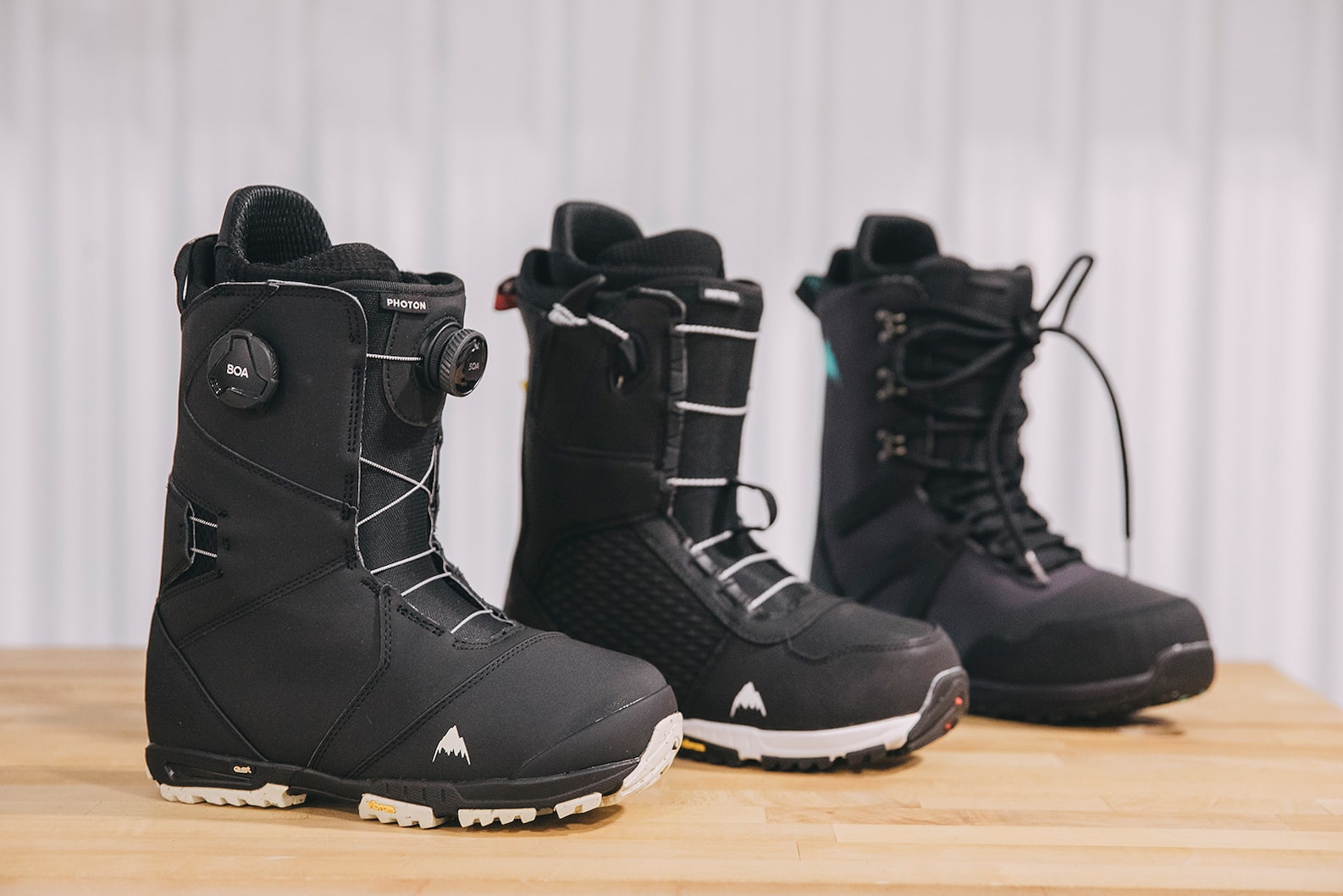
Snowboard boots use different sizing scales and measure your foot differently than street shoes. Many brands list size by mondo point, which is the length of your foot in centimeters. Other makers still use U.S., U.K., or EU numbers, but those can vary by brand. Beyond numbers, snowboard boots focus on a snug, performance fit. That means the way a boot grips, molds, and supports your foot is more important than the printed size.
Shoe vs boot shape: why the same number feels different
A size 9 shoe and a size 9 snowboard boot rarely feel the same. Casual shoes usually have softer soles and looser volume. Snowboard boots have thicker liners, stiffer shells, and a design meant to lock your heel in place. That adds bulk and changes fit. Also, liners pack out over time, shrinking internal space as they mold to your foot. So the answer to "are snowboard boot sizes the same as shoes" is no, because shape and intended fit are very different.
Converting shoe sizes to snowboard boot sizes
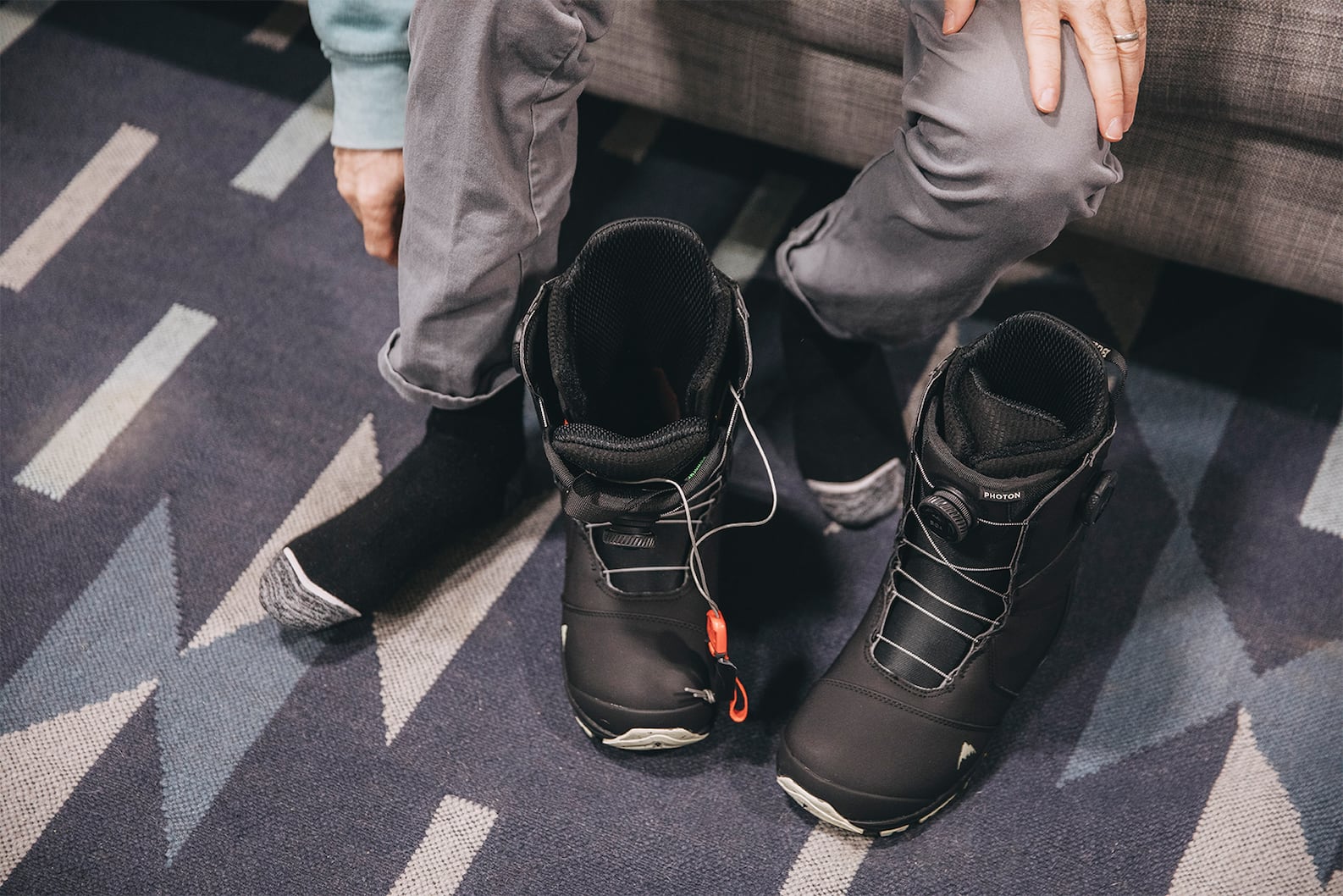
You can convert, but do it carefully. Use mondo point as the bridge. To get your mondo size, measure your foot from heel to longest toe in centimeters. Round up to the nearest half centimeter for most boots. Then compare that number to brand charts. Keep these tips in mind:
- Measure while standing to capture true length.
- Wear the socks you plan to snowboard in.
- Consider width and volume; two feet of the same length can need different sizes.
Conversions help, but trying boots on is always best.

Fit goals: how snowboard boots should feel
A good snowboard boot fit is snug but not painful. Aim for:
- Heel locked down with no lift when flexing.
- Toes that barely touch the end at first; they should pull back slightly after break-in.
- Even pressure across the foot with no sharp pinch points.
- Comfortable ankle and shin contact for board control.
If you find yourself asking "are snowboard boot sizes the same as shoes" while trying them on, stop and refit. The feeling is what counts, not the number.
How liners, shells, and lacing systems affect size
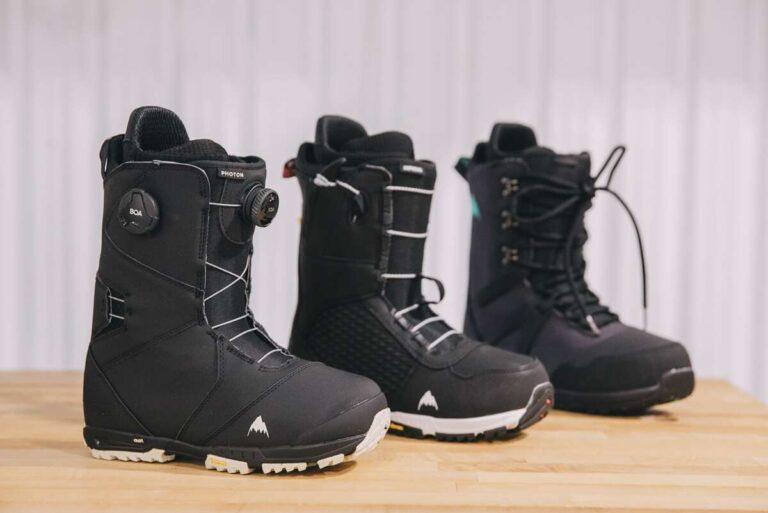
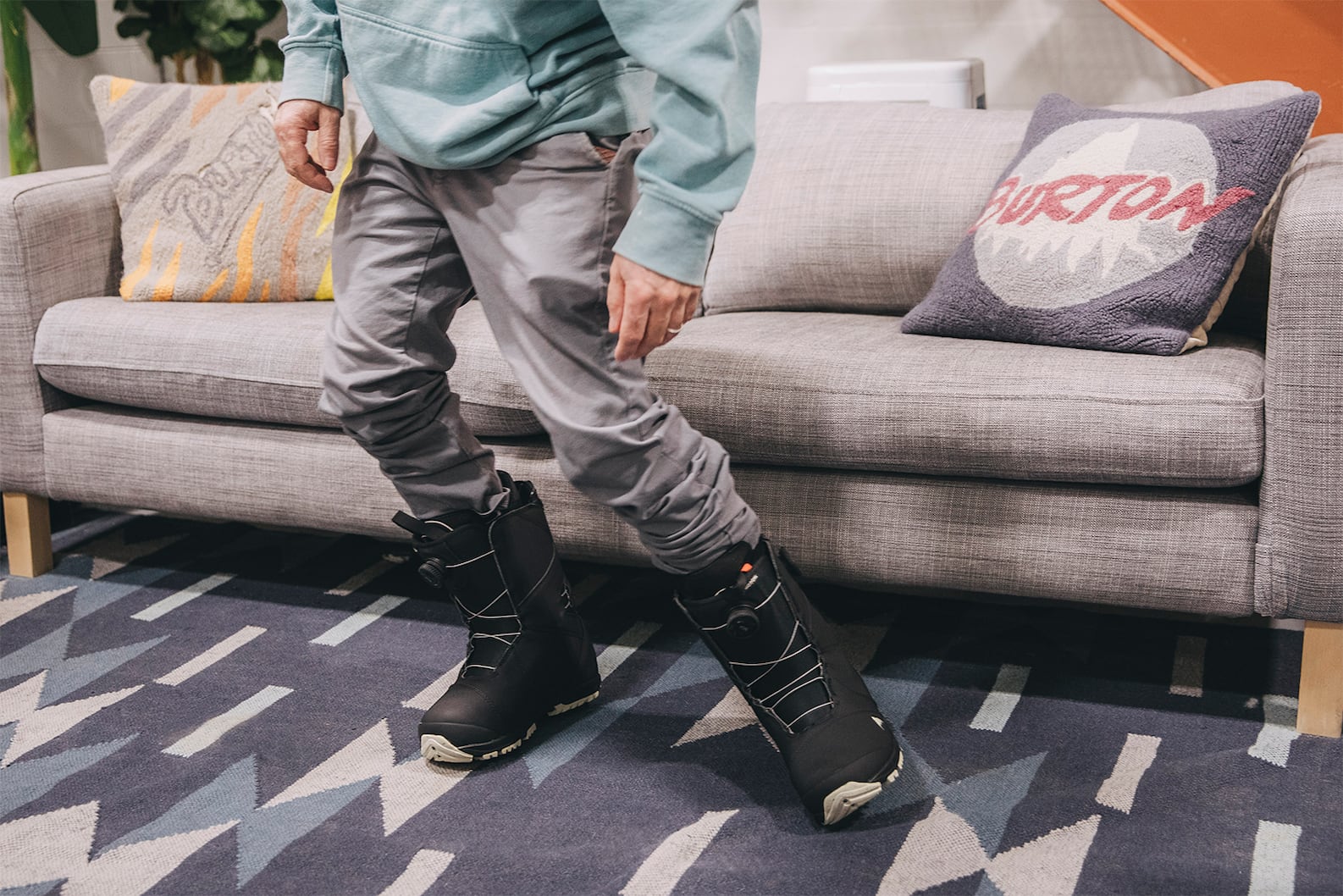
Liners add thickness. Heat-moldable liners will shrink and conform to your foot. Rigid shells can force you to pick a half size up or down. Lacing systems change volume instantly:
- Traditional laces let you micro-adjust forefoot tightness.
- Boa systems tighten evenly and can fine tune fit on the fly.
- Speed laces focus on quick entry and hold.
These parts mean that two boots the same nominal size can feel quite different. Always test the whole system.
Common mistakes and practical tips from experience
From my years fitting boots, here are the biggest mistakes and how to avoid them:
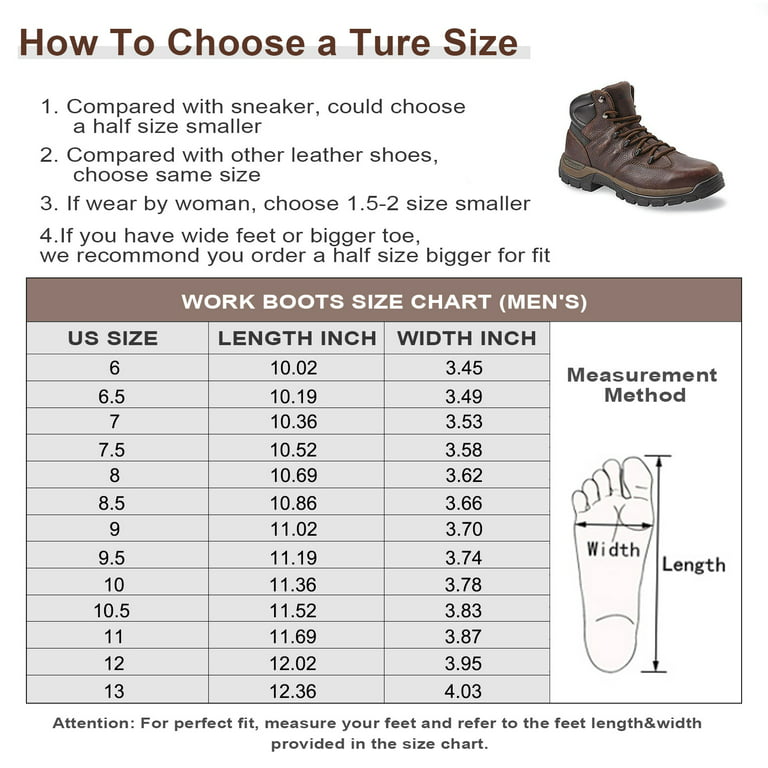
- Buying the same number as your street shoe. Try boots on instead.
- Ignoring width. Wide feet need wider lasts or boots with generous volume.
- Skipping test flexes. Squat and flex in the shop to check heel lift.
- Forgetting socks. Thin ski socks change fit versus thick wool socks.
- Not allowing break-in. Many liners compress after a few uses. Expect minor change, not massive shrink.
These tips will save you time and money.
When to size up or down: practical rules
Use these simple rules for final decisions:
- Size down if you want a precise, performance fit and your toes just touch up front.
- Size up if you feel constant toe pain, heel numbness, or you have wide feet.
- Choose the size that locks the heel first; toe length adjusts with liners.
- For rental or casual use, prioritize comfort over performance.
As you decide, remember the guiding question: are snowboard boot sizes the same as shoes? They are not, so judge by fit and function, not by shoe habit.
Buying online: how to reduce risk
Buying online is easy if you prepare. Steps to follow:
- Measure both feet and use the larger measurement.
- Check the brand's mondo chart and previous customer notes on fit.
- Read return and exchange policies before purchase.
- Consider heat-moldable liners for a closer fit after delivery.
- Buy from retailers that offer free returns to test at home.
These actions lower the chance of ending up with boots that fit like a different shoe.
PAA-style questions you might search for
- Can I wear my regular shoe size in snowboard boots?
Regular shoe sizes rarely match snowboard boots. Use mondo measurements and try boots on to confirm. - How tight should snowboard boots be?
They should be snug with a locked heel and no sharp pain. Slight toe contact is normal at first. - Do snowboard boots stretch or pack out?
Liners pack out and mold with use and heat molding. Shells rarely stretch.
These quick answers cut through confusion and help you make fast decisions on the hill.
Frequently Asked Questions of are snowboard boot sizes the same as shoes
Are snowboard boot sizes equal to shoe sizes?
No. Snowboard boots usually use mondo point or different brand sizing, and the fit aims to be tighter and more supportive than street shoes.
How do I find my mondo point?
Stand on a ruler or paper, mark heel and longest toe, measure in centimeters, and round up to the nearest half centimeter for most manufacturers.
Can I use my normal shoe size for snowboard boots?
You can use it as a reference, but do not rely on it. Try on boots or use exact measurements for a correct fit.
Should snowboard boots feel tight at first?
Yes. Expect a snug feel that becomes more comfortable after break-in. Persistent pain means the boot is the wrong fit.
When should I size up for comfort?
Size up if you have wide feet, persistent toe pain, numbness, or if the boot compresses too much after molding and rides too tight.
Conclusion
Snowboard boots are not the same as regular shoes. They use different sizing systems, shapes, and fit goals. Measure your foot, try boots on, and prioritize heel lock and comfort. If you care about performance or long days on the mountain, invest the time to fit boots properly. Try a few models, note the mondo size, and ask for a professional fit if uncertain. Ready to find your true fit? Test, measure, and upgrade your boots for better control and more fun on the slopes.

Rubel Miah is the Senior Editor at MyStyleGrid.com, where he brings a sharp editorial eye and an unshakable love for fashion to everything he does. A true style addict, Rubel lives and breathes trends, from streetwear to high fashion, and has a knack for turning inspiration into impactful stories. With years of experience in fashion journalism and digital media, he curates content that empowers readers to express themselves through style. When he’s not editing features or forecasting the next big thing, you’ll find him hunting down vintage pieces or capturing street style moments around the city.