Use proper fit, shoe trees, conditioning, and smart storage to stop creases fast.
I have worked with shoes for years as a repairer and stylist. I know what makes leather fold and what stops it. This guide on how to keep shoes from creasing pulls together practical tips, clear steps, and real-world tests so you can protect your favorite pairs. Read on to learn simple habits and pro tricks that make a big difference.

Why shoes crease and what causes it
Shoes crease when the upper bends where your toes meet the foot. Repeated bending breaks fibers and wrinkles the material. Softer leathers and fabrics crease faster. Tight or loose fit makes bending worse. Heat and moisture speed fiber wear and set creases. Knowing the cause helps you stop creases before they form.
Common causes:
- Natural walk motion that forces the upper to fold.
- Poor fit that lets the foot shift in the shoe.
- Thin or unlined materials that have little support.
- Wet or dry conditions that change material flexibility.
I have seen shoes that looked new last much longer by fixing fit and by using simple supports. Learning how to keep shoes from creasing starts with spotting these causes.

Materials and shoe types: which crease most
Different materials crease in different ways. Leather will show deep creases over time. Suede creases but can be brushed smooth. Mesh and knit crease yet often spring back. Patent and coated finishes crack if bent deeply.
How materials behave:
- Full-grain leather: durable but shows character lines and deep creases.
- Corrected-grain leather or coated leather: can crack when creased badly.
- Suede and nubuck: mat and flatten; can be raised with a brush.
- Synthetics and knit: may fold but often rebound.
Knowing the material guides your prevention method. For example, leather loves conditioning and structured shoe trees. Knit shoes benefit more from stuffing and rotation. This matters when you want to keep shoes from creasing.

Practical steps to prevent creasing (daily habits)
These easy habits stop creases before they form. Do a few every day and your shoes will age much better.
Fit and sizing
- Buy the right size and width. A proper fit reduces excess bending.
- Try shoes on with the socks you wear. Walk a minute to test fit.
Use shoe trees
- Insert cedar shoe trees after each wear. They hold shape and absorb moisture.
- For soft sneakers, use blow-mold shoe trees or full last trees for dress shoes.
Rotate your shoes
- Don’t wear the same pair two days in a row. Rotation lets materials rest and dry.
- Keep a rotation of three or more pairs for best results.
Condition and clean
- Condition leather regularly to keep it supple. Dry leather creases faster.
- Brush suede gently. Use protectant spray for fabric shoes.
Stuffing and shaping
- For casual shoes, use tissue paper or soft inserts to fill the toe box.
- Use heel locks or pads if the foot slips and causes folding.
Mind how you walk
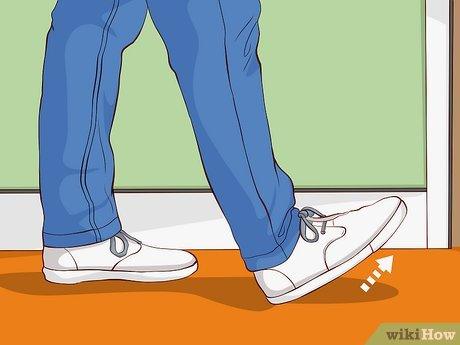
- Try to avoid an exaggerated toe-off that bends the vamp. Small changes help.
- If your gait causes early creasing, consult a shoe fitter or podiatrist.
I once saved a favorite pair by adding cedar shoe trees and rotating them. The creases slowed a lot within weeks. Little daily steps add up.

Storage and travel tips that reduce creasing
How you store shoes matters as much as how you wear them. Good storage keeps the shape and slows crease formation.
Short term storage
- Always insert shoe trees after wear.
- Store shoes upright on a shelf or in breathable dust bags.
Long term storage
- Keep shoes in cool, dry places away from direct sun.
- Use acid-free tissue in the toe box and shoe trees for long storage.
Packing for travel
- Stuff toes with soft socks or tissue. Place shoe trees or inflatable forms if you can.
- Pack shoes heel-to-heel in a hard case to avoid crushing.
I learned to pack shoes upright in a carry-on compartment to prevent creases on trips. It helps more than you think.

DIY fixes for existing creases
Creases that already exist can often be softened or reduced. Use care, and test on a hidden spot first.
Steam method
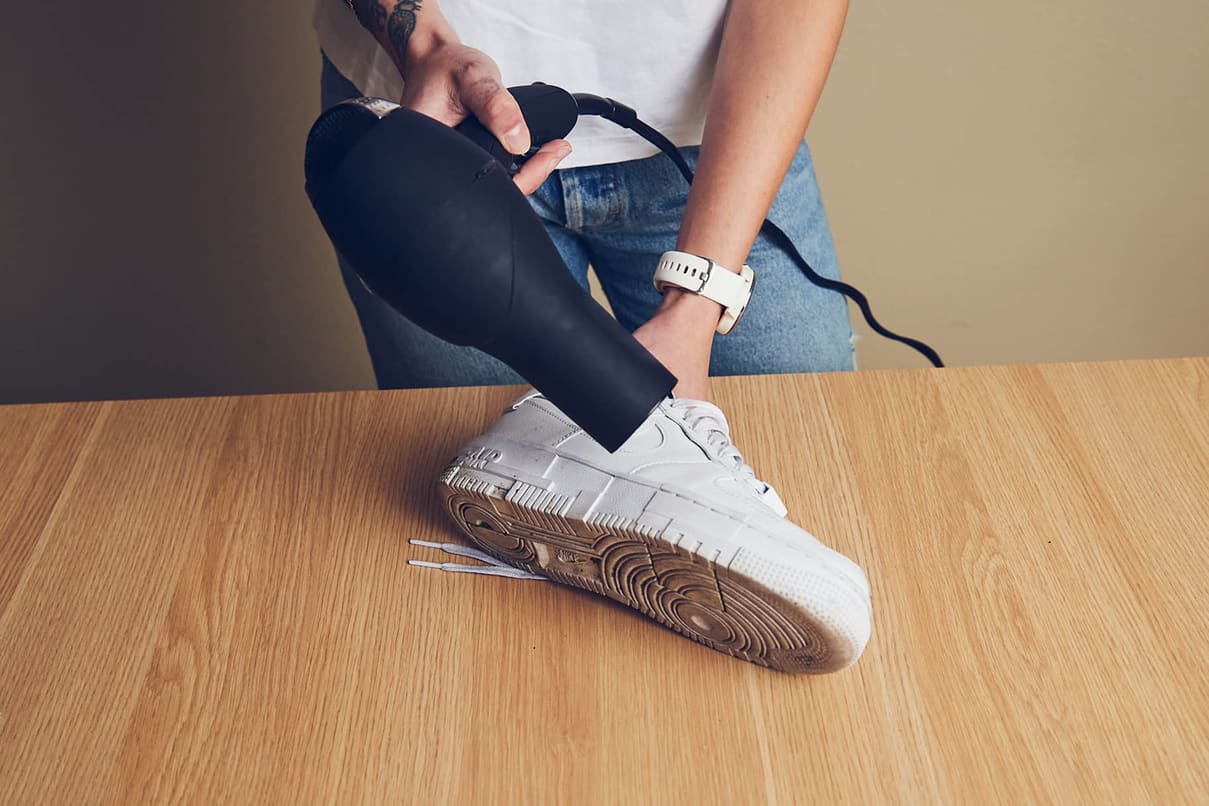
- Hold a gentle steam from a kettle about 6 inches away. Don’t wet the shoe.
- Put a shoe tree in place and smooth the crease with a cloth as it cools.
Iron method for leather
- Place a damp cloth over the crease. Use a low iron for a few seconds. Keep moving.
- Never apply the iron directly to leather or suede.
Fill and reshape
- Use a shoe filler or tongue pad to push the crease outward from inside.
- Apply leather cream and gently massage the area to soften fibers.
Professional repair
- A cobbler can inject filler and re-dye or re-finish severe creases.
- For expensive shoes, professional repair can be the best long-term option.
I tried steam and a cedar tree on a creased oxford. The crease became much less noticeable in a single session. Test first and be gentle.
Tools and products that actually help
Good tools make prevention easy. Invest in a few quality items and your shoes will last longer.
Must-have tools
- Cedar shoe trees for dress shoes.
- Plastic or inflatable shoe forms for sneakers.
- Soft horsehair brush for suede and leather.
- Leather conditioner and neutral cream.
Worthwhile extras
- Tongue pads and heel grips to fix fit.
- Crease protectors that stick to the vamp for high-risk shoes.
- Shoe bags and boxes for tidy storage.
When choosing products, pick ones made for your shoe material. Cheap fix-all products often do more harm than good.

Common mistakes to avoid
Some habits speed crease formation. Avoid these to keep shoes looking newer.
Mistakes to skip
- Wearing the same pair daily without rest.
- Skipping shoe trees after wearing.
- Using household oil or generic creams on leather.
- Storing shoes in hot attics or damp basements.
Fast fixes like stuffing with newspaper can distort shape. Use soft tissue or proper supports instead. I learned this the hard way when a cheap stuffing made my shoes misshapen. Proper tools save money in the long run.

Maintenance schedule and simple routine
A short, regular routine prevents creases and extends life. Here is a weekly and monthly list.
Weekly
- Air shoes after wear.
- Insert shoe trees overnight.
- Brush off dirt.
Monthly
- Condition leather pairs every 4–6 weeks if worn often.
- Inspect soles and insoles for wear and fix fit issues.
Yearly
- Have leather resoled or repaired as needed.
- Replace shoe trees if they are warped or no longer fit.
A clear routine makes caring for shoes easy. Stick to it, and you will see real results in how to keep shoes from creasing.
Personal tips and lessons from experience
I have repaired and cared for hundreds of shoes. Here are practical lessons I learned.
What worked best
- Cedar shoe trees give the biggest improvement in shape.
- Rotation and fit fixes reduce most early creases.
- Conditioning leather keeps creases soft, not deep.
Mistakes I made
- I once left shoes in a damp car trunk and ruined the leather.
- I used too-hot steam and caused a patchy finish on one pair.
Small changes add up. Focus on fit, support, and rest. These three things are central to how to keep shoes from creasing.
Frequently Asked Questions of how to keep shoes from creasing
How often should I use shoe trees to prevent creases?
Use shoe trees after every wear. Leave them in overnight to absorb moisture and hold shape.
Can creases be fully removed from leather shoes?
Minor creases can be greatly reduced. Deep, old creases may not vanish but can be softened by steam or professional repair.
Are sneaker trees different from dress shoe trees?
Yes. Sneaker trees are lighter and shaped for flexible uppers. Dress shoe trees are fuller and made for structured leather.
Is conditioning really necessary to stop creasing?
Yes. Conditioning keeps leather supple. Dry leather creases faster and can crack.
Will stuffing shoes with paper stop creases?
Paper can help short term but may distort shape. Use tissue or proper inserts for better support.
Conclusion
Protecting your shoes from creasing is simple when you focus on fit, support, and care. Use shoe trees, rotate pairs, condition leather, and store them right. Small daily habits and a short maintenance routine will keep shoes looking newer and lasting longer. Try one change this week—insert shoe trees or fix fit—and watch the difference. Share your results or ask a question below to keep the conversation going.

Madison Clark is a footwear expert and the voice behind MyStyleGrid.com. She specializes in honest shoe reviews, style tips, and practical guides to help readers find the perfect pair for any occasion. With years of experience in blogging and content creation, Madison makes footwear knowledge simple, stylish, and easy to follow.