Keep sandals dry, clean, and aired out to stop odor-causing bacteria and fungi from growing.
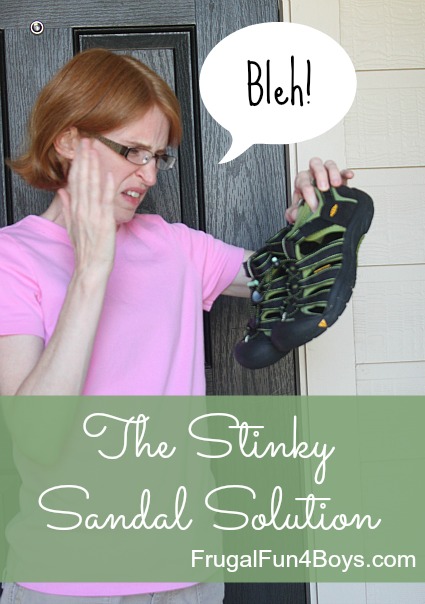
Smelly sandals are usually caused by sweat, skin oils, bacteria, and moisture trapped against the foot or inside the sandal. I have found that the best way to learn how to make sandals not smell is to treat both the footwear and the feet, then build a simple drying routine that prevents odor from returning.
Why Do Sandals Smell?
Sandals smell when sweat and skin cells collect on the footbed. Sweat itself has little odor, but bacteria break down the proteins and fats in sweat and release unpleasant-smelling compounds.
Warm weather can make the problem worse. Open shoes allow air to reach your feet, but the footbed may still hold moisture, especially when it is made from rubber, foam, leather, or fabric.
Common causes of sandal odor include:
• Wearing the same pair every day without letting it dry
• Sweating heavily in hot or humid weather
• Walking in sandals after exercise
• Wearing sandals with dirty or damp feet
• Poorly cleaned footbeds
• Fungal infections, such as athlete’s foot
• Nonbreathable materials that trap heat
A sandal can look clean and still smell. Odor often settles into tiny pores and seams that are not easy to see.

How to Make Sandals Not Smell: A Simple Cleaning Method
The most reliable answer to how to make sandals not smell is regular cleaning followed by complete drying. Do not simply spray perfume over the odor. Fragrance may cover the smell for a short time, but it does not remove sweat, bacteria, or grime.
Use this basic method:
-
Remove loose dirt with a dry cloth or soft brush.
-
Mix warm water with a small amount of mild dish soap.
-
Dip a cloth or soft toothbrush into the mixture.
-
Scrub the footbed, straps, edges, and seams.
-
Wipe away soap with a clean, damp cloth.
-
Press the sandals with a dry towel to remove extra water.
-
Let them air-dry fully before wearing them again.
Avoid soaking leather sandals unless the care label allows it. Too much water can stain leather, weaken glue, or cause the material to crack.
For rubber or plastic sandals, you can usually wash the entire pair with mild soap and water. Rinse well, because leftover soap can make the surface sticky and attract more dirt.
In my own sandal-care tests, the most common mistake is putting sandals away while they are still slightly damp. That small amount of moisture can create a closed, warm space where odor returns quickly.
Use Baking Soda to Absorb Odor
Baking soda can help make sandals not smell because it absorbs moisture and reduces acidic odors. It is especially useful for sandals with fabric, foam, or textured footbeds.
Sprinkle a thin layer of baking soda over the dry footbed. Leave it overnight, then shake it off and wipe away any residue the next morning.
For sandals with deep grooves, use a soft brush to remove the powder. You can also place each sandal in a paper bag with a few tablespoons of baking soda. This keeps the powder contained while it works.
Use caution with dark or delicate materials. Baking soda is generally mild, but powder can collect in rough leather or leave a pale film. Test a small hidden area first.
Baking soda works best as an odor-control step, not as a replacement for washing. If the sandal has heavy sweat buildup, clean it first and use baking soda after it dries.

Try Vinegar Carefully
Diluted white vinegar may help reduce odor because its mild acidity can make the sandal surface less friendly to some odor-causing microbes. It should never be used at full strength on footwear.
Mix one part white vinegar with one part water. Lightly dampen a cloth with the mixture, then wipe the footbed and straps. Do not flood the sandals. Let them air-dry in a well-ventilated place.
Always test vinegar on a hidden section first. It may damage or discolor:
• Suede
• Unfinished leather
• Some dyed fabrics
• Delicate adhesives
• Metallic decorations
Do not mix vinegar with bleach or other cleaning products. The fumes can be harmful.
Vinegar can help with mild odor, but it is not a medical treatment for athlete’s foot or another skin infection. Persistent odor may need a different solution.

Dry Sandals Completely After Every Wear
Drying is one of the most important parts of how to make sandals not smell. Think of moisture as fuel for odor. Remove the fuel, and bacteria have less chance to multiply.
After wearing your sandals, follow these steps:
• Wipe away visible sweat with a clean towel.
• Open straps and loosen buckles so air can reach the footbed.
• Place sandals in a dry, shaded area.
• Stand them upright if possible.
• Turn them over after several hours.
• Wait until they are fully dry before storing them.
Avoid placing sandals on a hot radiator or using high heat from a hair dryer. Heat can warp rubber, dry out leather, and loosen glue. Direct sunlight may also fade color or damage some materials.
A fan can speed up drying without exposing the sandal to strong heat. In humid weather, place the sandals near moving air or use a dehumidifier.

Rotate Your Sandals
Wearing the same sandals every day makes odor much more likely. Even if the pair feels dry, moisture may remain inside the footbed.
Keep at least two pairs in regular use. Let one pair rest for a full day while you wear the other. This gives sweat time to evaporate.
Rotation also protects the sandal from early wear. Footbeds recover from pressure, and straps get time to dry. This simple habit is one of the easiest ways to make sandals not smell for the long term.
If you must wear one pair daily, clean the footbed often and dry the sandals overnight. In hot climates, a second pair is especially helpful.
Wash Your Feet and Keep Them Dry
Clean sandals cannot solve every odor problem. Your feet may be the main source of sweat, bacteria, or fungus.
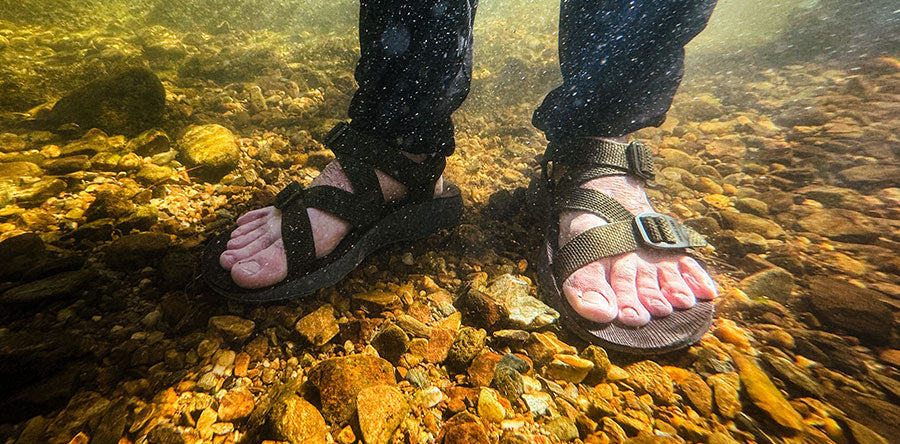
Wash your feet once a day with soap and warm water. Clean between the toes, where moisture often collects. Dry carefully, especially between the toes, before putting on sandals.
You can also take these steps:
• Change out of sweaty footwear after exercise.
• Keep toenails short and clean.
• Use clean towels.
• Apply foot powder if your feet sweat heavily.
• Choose moisture-wicking socks when sandals allow socks.
• Avoid sharing footwear or towels.
Some people use antiperspirant on their feet. Products with aluminum salts may reduce sweating, but apply them only as directed. Do not use them on broken, irritated, or infected skin.
If your feet itch, peel, crack, burn, or develop a rash, ask a health professional for advice. Foot odor combined with skin changes may point to athlete’s foot or another condition that needs treatment.

Choose Odor-Resistant Sandal Materials
Material affects how easy it is to make sandals not smell. Some surfaces absorb sweat, while others are easier to wash.
Generally, washable rubber and molded synthetic materials are simple to clean. Leather may resist some surface buildup, but it can absorb oils and needs careful care. Fabric and foam can hold moisture deep inside the sandal.
When buying sandals, look for:
• A removable or washable footbed
• Breathable straps
• A smooth, easy-to-clean surface
• Moisture-resistant materials
• Antimicrobial treatment, if clearly explained by the manufacturer
Antimicrobial materials may slow the growth of some microbes, but they are not odor-proof. They still need cleaning and drying.
Do not assume expensive sandals will never smell. A high price does not replace good hygiene. A well-maintained basic pair may stay fresher than a premium pair that is worn wet every day.

Use Rubbing Alcohol With Care
Rubbing alcohol can dry quickly and may reduce some surface bacteria. However, it can damage leather finishes, dyes, coatings, and adhesives.
If the care label permits it, test a small hidden area first. Apply a small amount of 70% isopropyl alcohol to a cloth, then lightly wipe a washable synthetic footbed. Allow the sandal to dry in a ventilated area.
Do not pour alcohol directly onto sandals. Do not use it near flames or high heat. Never apply rubbing alcohol to your skin as a routine foot treatment unless a medical professional tells you to do so.
For most sandals, soap and water remain the safer first choice. Alcohol is an optional method for suitable, nonporous materials.
Remove Strong Odors From Leather Sandals
Leather sandals need gentle care. Harsh cleaners can remove natural oils and leave the leather stiff or cracked.
Start by brushing away dirt. Wipe the leather with a slightly damp cloth and mild soap if the manufacturer allows it. Dry the sandals at room temperature, then apply a leather conditioner made for that type of leather.
For odor inside leather sandals, use baking soda in a thin cloth pouch rather than sprinkling it directly onto the surface. Leave the pouch inside overnight, then remove it.
Never use vinegar, bleach, or strong disinfectants on leather without checking the care instructions. When odor comes from deep inside the leather, professional cleaning may be safer than repeated home treatments.
What Not to Do When Removing Sandal Odor
Some popular odor remedies can create new problems. Avoid these common mistakes:
• Do not spray perfume over dirty sandals.
• Do not mix bleach, vinegar, ammonia, or other cleaners.
• Do not seal damp sandals in a plastic bag.
• Do not use high heat to dry leather or glued sandals.
• Do not soak sandals that are not washable.
• Do not use essential oils as a substitute for cleaning.
• Do not wear sandals with an active foot infection without treatment.
Essential oils may smell pleasant, but they can irritate skin and damage materials. Tea tree oil, for example, is not safe for everyone and should not be applied undiluted.
When learning how to make sandals not smell, a gentle method used often is safer than a powerful method used once.
Create a Weekly Sandal-Care Routine
A routine makes sandal odor easier to control. You do not need a complicated collection of products.
Use this schedule:
After each wear
Wipe away sweat and dirt. Leave the sandals in an open, dry place.
Once or twice a week
Clean the footbed and straps with mild soap and water if the material allows it.
Every few weeks
Inspect the seams, footbed, and straps. Clean areas where dirt collects.
When needed
Use baking soda overnight for mild odor. Replace sandals when the footbed stays damp, cracks, or holds odor despite cleaning.
This routine takes only a few minutes. It also helps you spot damage before a strap breaks while you are walking.
When Should You Replace Smelly Sandals?
Sometimes the sandal has absorbed too much odor to recover. Replacement may be the best option when:
• The smell returns soon after cleaning.
• The footbed is cracked or deeply worn.
• The material stays damp for hours.
• Mold or visible growth remains after cleaning.
• The sandal causes skin irritation.
• The sole no longer supports your foot safely.
Do not keep wearing sandals with visible mold, especially if you have asthma, allergies, diabetes, or a weakened immune system. People with diabetes should also take foot irritation seriously and seek medical advice promptly.
A sandal that smells does not always need to be thrown away. Try proper cleaning and drying first. But if the odor is deep, persistent, or linked to skin problems, replacement may be healthier and more practical.
How to Make Sandals Not Smell in Hot Weather
Hot weather increases sweat, so prevention matters more than emergency cleaning. Wear sandals during cooler parts of the day when possible, and avoid keeping them in a hot car.
Choose pairs with breathable straps and washable footbeds. Carry a small towel so you can wipe your feet and sandals after long walks.
If your feet sweat heavily, foot powder or a foot antiperspirant may help. Use products as directed and stop if you develop redness, burning, or a rash.
Travelers should also pack two pairs of sandals. This allows one pair to dry while the other is in use, which is often the simplest way to make sandals not smell during a vacation.
Frequently Asked Questions About How to Make Sandals Not Smell
How can I make sandals not smell overnight?
Clean the footbed with mild soap and water, wipe away the residue, and let the sandals dry fully. Once dry, sprinkle a small amount of baking soda on the footbed overnight and remove it in the morning.
Does baking soda remove sandal odor?
Baking soda can absorb moisture and reduce mild odors. It works best after the sandals have been cleaned, because it does not remove deep dirt or treat a foot infection.
Can I wash smelly sandals in a washing machine?
Only wash sandals in a machine if the care label says it is safe. Machine washing can damage leather, foam, glued parts, buckles, and sandal shape.
Why do my sandals smell even after I wash them?
Odor may remain because moisture is trapped inside the footbed or because bacteria are still present on the straps and seams. Your feet may also be contributing to the smell, especially if you have excessive sweating or a fungal infection.
Is vinegar safe for all sandals?
No. Diluted vinegar may be suitable for some washable synthetic sandals, but it can discolor or damage suede, leather, fabric, and adhesives. Test a hidden area and follow the manufacturer’s care instructions.
How often should I clean my sandals?
Clean sandals once or twice a week during frequent use, and wipe them after sweaty wear. Clean them more often in hot, humid weather or after exercise.
Should I wear socks with sandals to prevent odor?
Socks can absorb sweat and reduce direct contact between your feet and the sandal. Choose breathable, clean socks, and wash both the socks and sandals regularly.
Conclusion
Learning how to make sandals not smell comes down to four habits: clean the footbed, dry the pair fully, keep your feet clean and dry, and rotate your footwear. Baking soda can help with mild odor, while vinegar or alcohol should be used only when the material allows it.
Start today by washing your sandals, drying them in moving air, and leaving them uncovered overnight. If odor keeps returning or comes with itching and peeling skin, seek medical advice and consider replacing the pair. Share your favorite sandal-care tip or explore more footwear guides for fresher, more comfortable steps.

Rubel Miah is the Senior Editor at MyStyleGrid.com, where he brings a sharp editorial eye and an unshakable love for fashion to everything he does. A true style addict, Rubel lives and breathes trends, from streetwear to high fashion, and has a knack for turning inspiration into impactful stories. With years of experience in fashion journalism and digital media, he curates content that empowers readers to express themselves through style. When he’s not editing features or forecasting the next big thing, you’ll find him hunting down vintage pieces or capturing street style moments around the city.