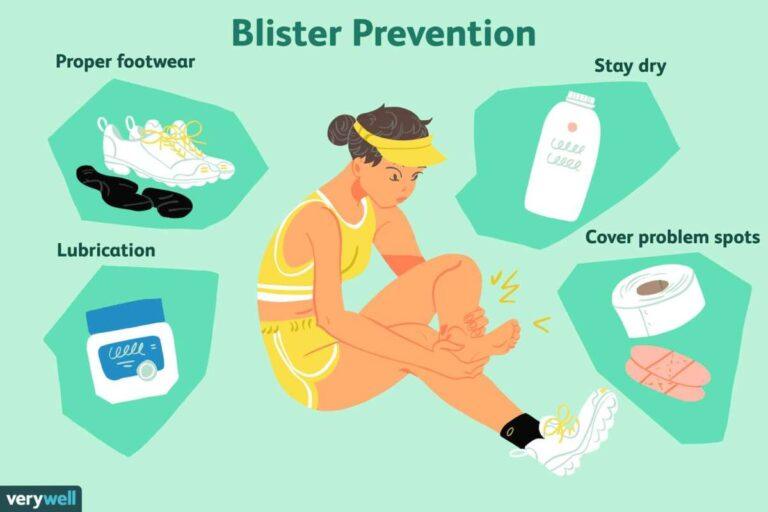
Wear proper fit, control moisture, and protect hot spots with tape or pads to prevent blisters.
I’ve treated sore feet, tested gear, and helped friends pick shoes for decades. This guide shows exactly how do you prevent blisters from new shoes with clear steps, real-life tips, and simple fixes. Read on to learn why blisters form, how to stop them before they start, and what to do if one shows up.
Why new shoes cause blisters
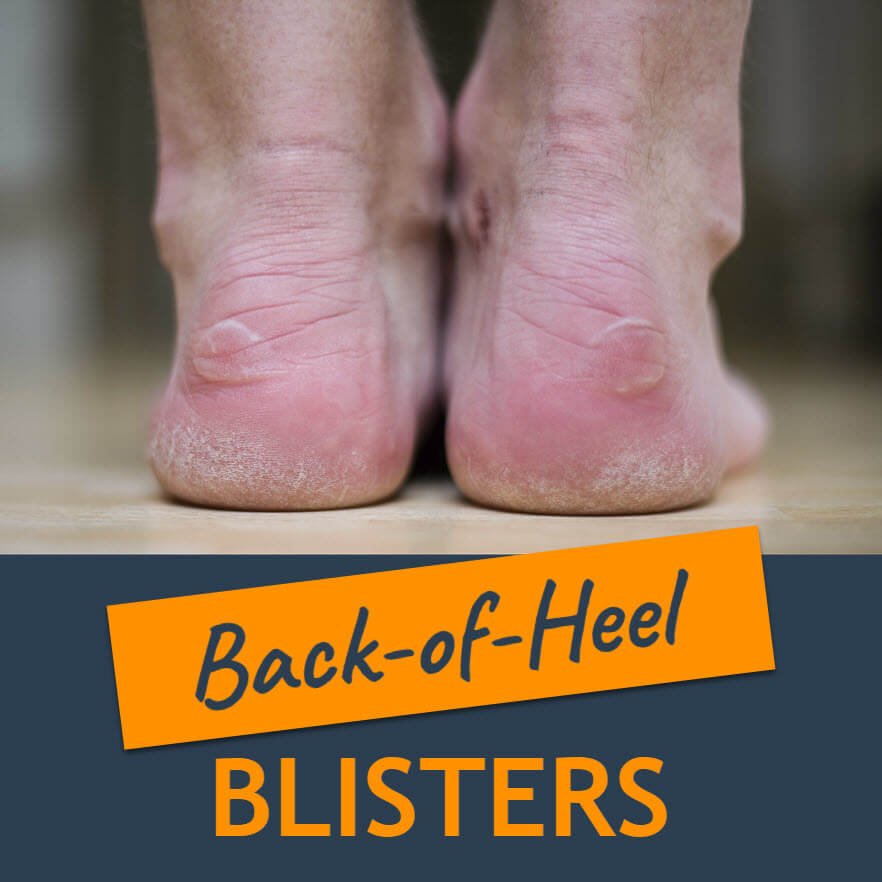
New shoes rub in new ways. The skin reacts to repeated friction and heat. That friction creates a pocket of fluid we call a blister. Materials, fit, seams, and moisture all raise risk. Understanding why blisters form helps you prevent them.
Causes in short:
- Friction between skin and shoe
- Wet or sweaty feet that weaken skin
- Stiff materials or seams that press on skin
- Poor fit that allows the foot to slide
- Long walks or sudden increases in activity
When you ask how do you prevent blisters from new shoes, think of reducing rubbing, heat, and moisture. Simple steps go a long way.
Before you wear new shoes: prep and break-in
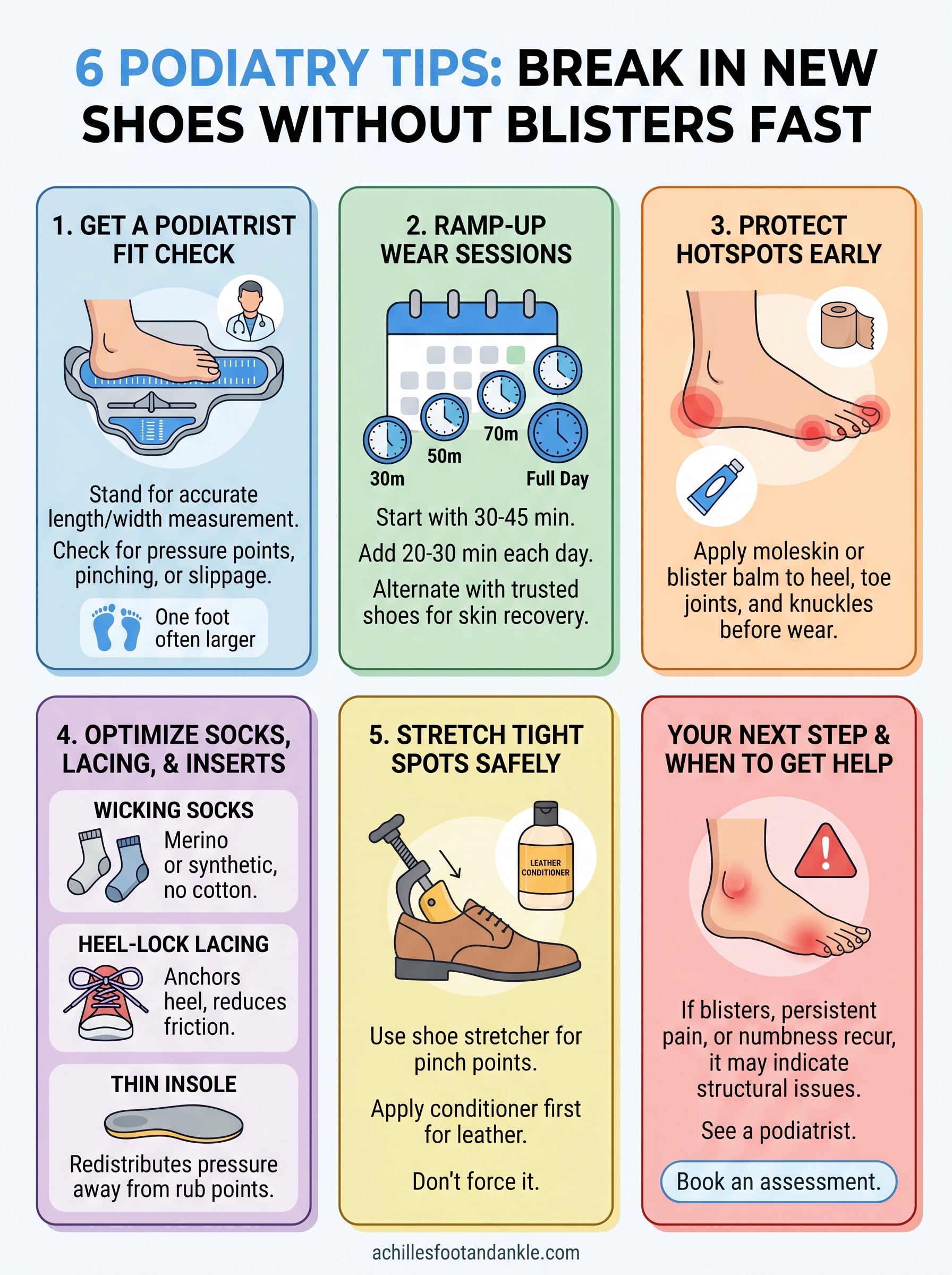
Buy the right size and test at the right time. Feet swell during the day. Try shoes in the afternoon. Wear the socks you plan to use when testing fit.
Break-in steps:
- Wear indoors for short periods. Walk on carpet for 15–30 minutes.
- Use thick socks at first to stretch the shoe slightly.
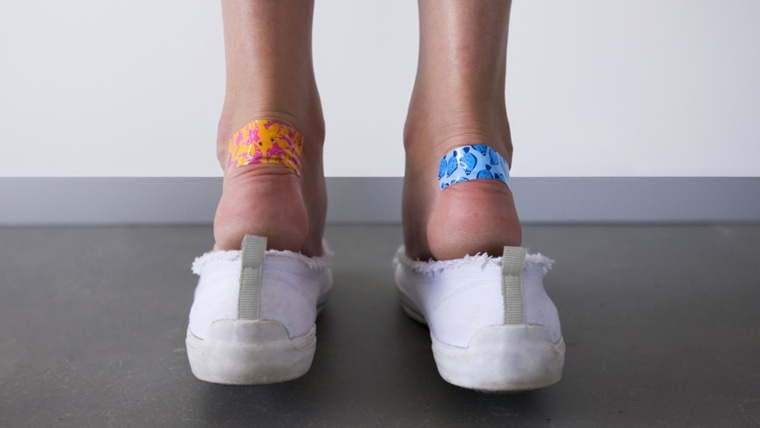
- Apply moleskin or blister patches to likely hot spots before long wear.
- Replace insoles if they cause pressure or lack cushion.
- Loosen or change lacing to prevent heel slip.
If you wonder how do you prevent blisters from new shoes at the start, the short answer is to break them in slowly and protect hot spots from day one.
During wear: tactics to avoid blisters
Small tricks keep skin safe while you wear new shoes. Use layers and barriers to reduce friction and moisture.
Practical tactics:
- Wear moisture-wicking socks made for your activity type.
- Use thin liner socks under thicker socks for friction reduction.
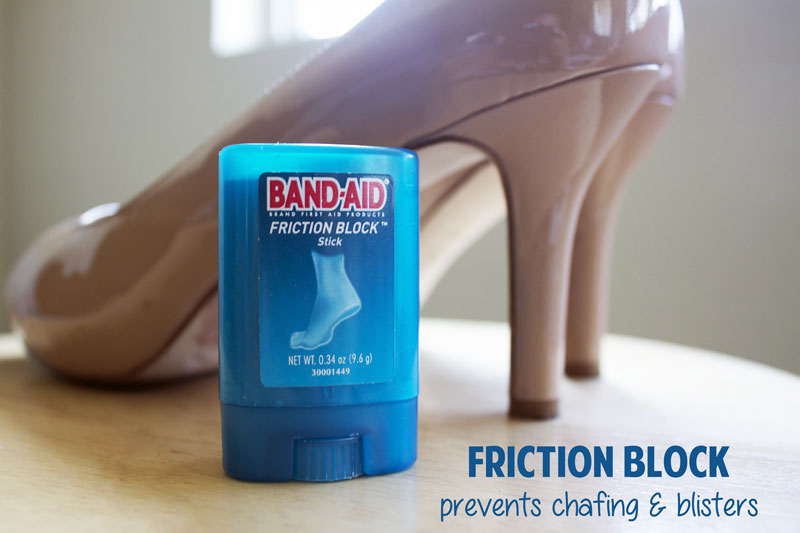
- Apply anti-chafe balm or petroleum jelly to problem areas.
- Use adhesive tape or blister patches on heels and toes.
- Adjust lacing to lock the foot in place and stop sliding.
- Change socks or footwear if your feet get soaked.
These steps answer how do you prevent blisters from new shoes while you’re walking or running. Keeping feet dry and stable is the key.
:max_bytes(150000):strip_icc()/blisters-begone-seven-strategies-to-prevent-blisters-3432491_color1-7a21d17089de47c09c4cbb6afc712310.png)
If a blister forms: immediate care and do’s/don’ts
A blister that’s small and not painful can be left alone. The fluid cushions and protects the skin. But if it hurts or is in a high-pressure spot, treat it.
Do this:
- Clean the area with mild soap and water.
- Cover with a sterile blister bandage or donut pad.
- If it must be drained, use a sterilized needle, poke at the edge, press fluid out gently, keep the skin flap intact, then cover.
- Apply antibiotic ointment if skin breaks, then bandage.
- Replace dressing daily and watch for infection signs: increasing redness, pus, warmth, or fever.
Do not do this:
- Do not rip off the roof of the blister.
- Do not ignore signs of infection.
- Do not return to intense activity until protected.
Knowing how do you prevent blisters from new shoes includes knowing how to care for one if prevention fails.
Shoe choice and materials that reduce blister risk
Some shoes and liners are more blister-friendly. Choose shoes and accessories that match your needs.
What to look for:
- Seamless linings and soft collars near the heel
- Breathable fabrics to reduce sweat
- Cushioned midsoles and contoured insoles
- Proper heel counters to stop slipping
- Wider toe boxes if your toes press on the front
Add-ons that help:
- Gel heel cups and padded insoles
- Moleskin sheets and adhesive blister patches
- Thin liner socks and moisture-control powders
When you think about how do you prevent blisters from new shoes, prioritize fit and materials that reduce rubbing and moisture.

Special cases: heels, boots, and athletic shoes
Different shoes create different blister risks. Tailor prevention to shoe type.
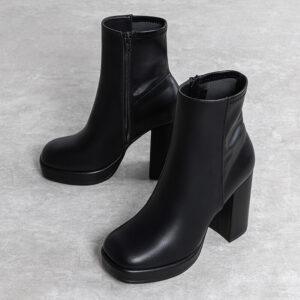
Heels:
- Use heel grips and cushioned pads.
- Try ankle wraps or low-profile blister patches.
- Break in slowly with thicker socks.
- Check for seam pressure and use sturdier lacing patterns.
Running shoes:
- Focus on correct size and sock choice.
- Replace insoles if they create hot spots.
Hiking and long wear demand extra protection. When you ask how do you prevent blisters from new shoes for a specific shoe type, use targeted tools like grips for heels or extra padding for boots.

Personal experience and real-life tips
I once hiked a new trail in brand-new boots and learned hard lessons. My mistake was assuming a short road test was enough. After one painful mile I stopped, applied moleskin to the heel, and adjusted lacing. The rest of the hike was fine. Lesson learned: break in and protect before long use.
My tested tips:
- Always carry blister patches and antiseptic wipes on long outings.
- Test shoes on terrain like the event you plan.
- Keep foot powder and a spare pair of socks in your bag.
- If you feel a hot spot, stop and treat it immediately.
These practical habits answer how do you prevent blisters from new shoes through experience. They saved me from multiple ruined outings.
Quick questions (PAA-style)
Will sock choice really stop blisters?
Yes. Moisture-wicking, well-fitting socks reduce friction and sweat. Use liner socks under thicker socks for added protection.
Is it OK to use lubricant every time?
Lubricants work well for short runs or hikes. Reapply as needed because sweat and movement reduce effectiveness.
Frequently Asked Questions of how do you prevent blisters from new shoes
How long should I break in new shoes?
Break them in over several days with short-wear sessions. Aim for 1–2 hours at a time before a long outing.
Can I prevent blisters by going up half a size?
Half a size up can reduce toe pressure but might increase heel slip. Balance toe room with secure heel fit.
Are blister patches better than tape?
Blister patches are designed to stay in place and cushion better than regular tape. Use tape for short fixes and patches for longer protection.
Should I pop a blister before covering it?
Avoid popping if possible. If it must be drained, use sterile tools and keep the skin flap intact to reduce infection risk.
When should I see a doctor for a blister?
See a doctor if you notice spreading redness, severe pain, pus, fever, or signs of infection. Diabetics should seek medical advice for any foot blister.
Conclusion
Preventing blisters from new shoes comes down to fit, friction control, and moisture management. Test shoes, protect hot spots, and stop to treat early. Small steps before and during wear prevent most problems. Start using these tips today: try better socks, prep shoes, pack a blister kit, and trust your feet. Share your stories or ask questions below, and subscribe for more foot-care tips.

Rubel Miah is the Senior Editor at MyStyleGrid.com, where he brings a sharp editorial eye and an unshakable love for fashion to everything he does. A true style addict, Rubel lives and breathes trends, from streetwear to high fashion, and has a knack for turning inspiration into impactful stories. With years of experience in fashion journalism and digital media, he curates content that empowers readers to express themselves through style. When he’s not editing features or forecasting the next big thing, you’ll find him hunting down vintage pieces or capturing street style moments around the city.