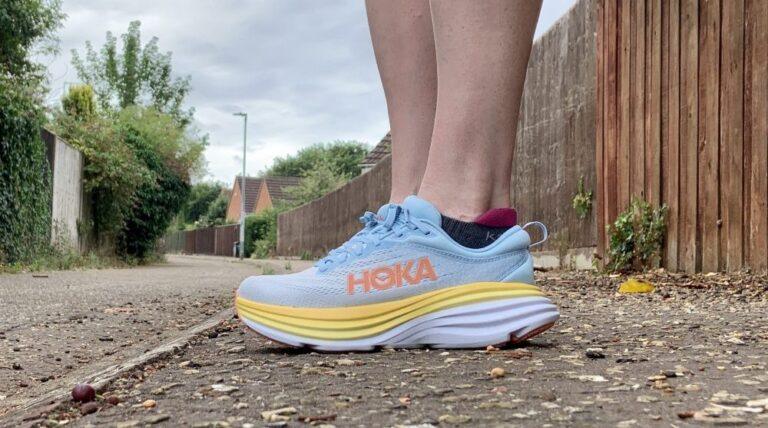
Yes, Hoka is a very good running shoe for comfort, cushioning, and long-distance support.
If you have ever wondered whether Hoka lives up to the hype, the short answer is that it often does, especially for runners who want a softer ride and less impact on their joints. In my experience testing different running shoes over time, Hoka stands out for one big reason: it makes running feel easier on the body, but the best model still depends on your foot shape, gait, and training goals.
Why Hoka Is So Popular With Runners
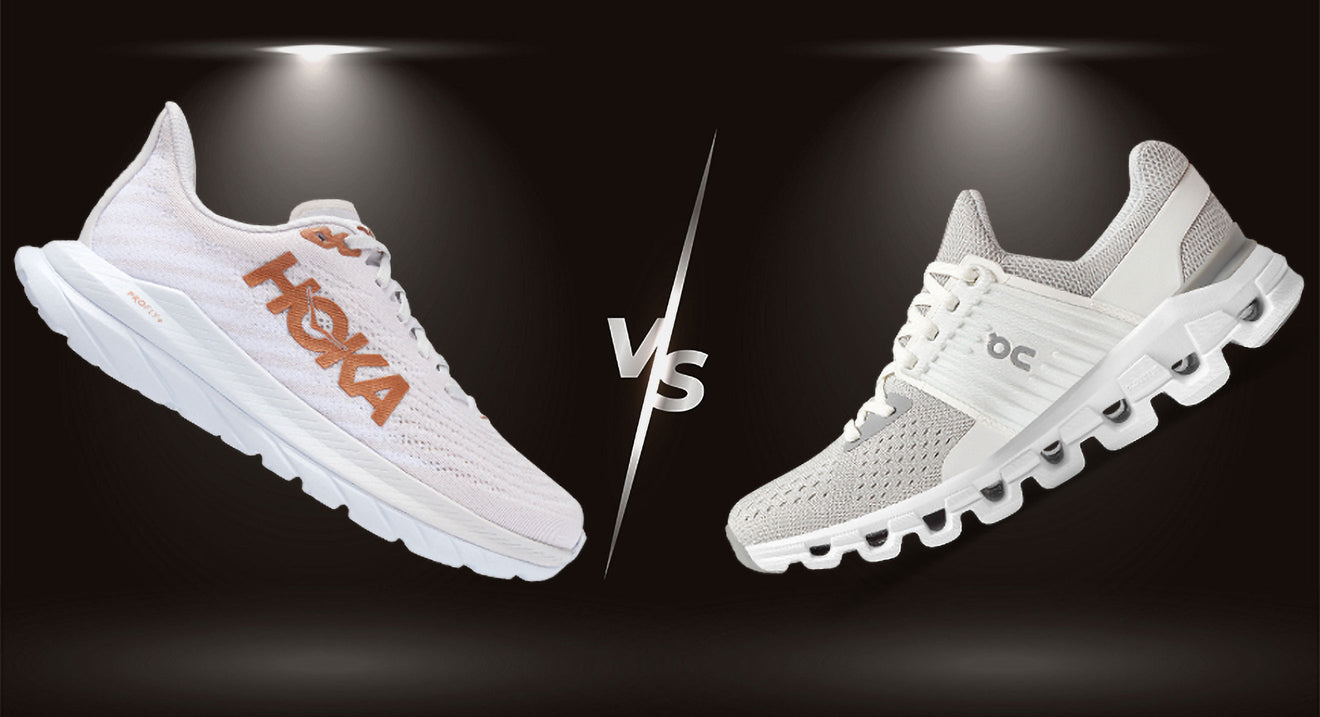
Hoka built its name on one simple idea: add more cushioning without making the shoe feel clunky. That was a big shift in running shoe design, and it still shapes the brand today. Many runners choose Hoka because the shoes feel plush, stable, and friendly on easy miles.
I have seen the same pattern again and again. New runners often like Hoka because the shoes feel forgiving right away. Experienced runners often like them for recovery runs, long runs, and race-day comfort in certain models.
What makes Hoka stand out:
• Max cushioning that helps reduce harsh ground feel
• Rocker-shaped midsoles that can make transitions smoother
• Wide range of road, trail, and stability options
• Lightweight feel compared with how thick the midsoles look
• Strong comfort for walking, standing, and daily wear too
That said, the best running shoe is not always the softest one. Some runners want a firmer, more responsive feel, and others need more room in the toe box than some Hoka models provide. So the real question is not just whether Hoka is good, but whether it is good for you.
What Makes Hoka Running Shoes Different
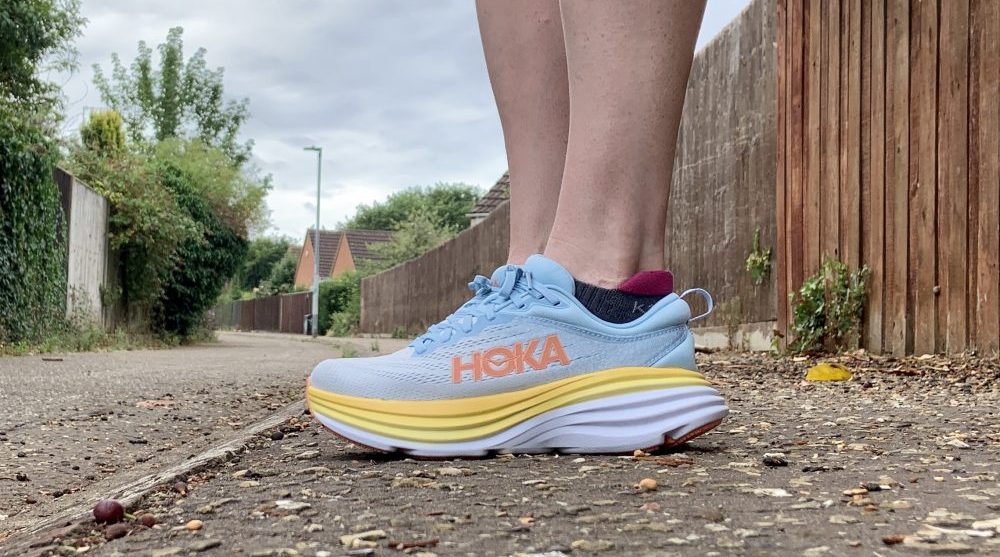
Hoka running shoes are known for their thick midsoles and curved shape. This design can help smooth out each stride and reduce the feeling of impact, especially on pavement. For many runners, that makes long runs feel less tiring.
A lot of shoe brands now use similar ideas, but Hoka helped make this style mainstream. Their shoes often feel like a mix of soft cushion and guided motion. That combination is one reason so many runners keep coming back.
Key design traits include:
• High stack height for more underfoot cushioning
• Meta-Rocker geometry that encourages forward motion
• Early-stage or active-stage rocker styles depending on the model
• EVA or PEBA-based foam depending on the shoe line
• Options for neutral runners and runners who need support
In real life, this can feel like rolling forward instead of slapping the ground with every step. That feeling is helpful for easy pace runs, marathon training, and people who want less strain on tired legs.
Is Hoka a Good Running Shoe for Beginners?
Yes, Hoka is often a very good running shoe for beginners. The soft cushioning can make the first few weeks of running feel less punishing, which matters when your body is still adapting. Beginners usually care most about comfort, support, and injury avoidance, and Hoka checks a lot of those boxes.
I often recommend that new runners test a Hoka model if they feel sore after short runs in firmer shoes. The trick is making sure the shoe fits well and feels stable enough under the heel and midfoot. A comfortable shoe cannot fix poor training habits, but it can make the process feel a lot more manageable.
Good reasons beginners like Hoka:
• Gentle cushioning for new joints and muscles
• Easy transition for walking to running
• Helpful support in stability models
• Comfortable for both running and all-day wear
One mistake beginners make is assuming more cushion always means better. If the shoe feels too tall, too soft, or unstable, it can actually make you feel less confident. Start with a short test run and pay attention to how balanced you feel.
Best Hoka Features for Different Types of Runners
Hoka has a wide lineup, and that is a big advantage. Not every runner needs the same thing, so the best answer depends on how and where you run. The brand offers shoes for neutral runners, overpronators, trail runners, and speed-focused athletes.
Here is a simple way to think about it:
• Daily trainers are best for easy runs and regular mileage
• Stability shoes help runners who need extra support
• Lightweight trainers work well for faster workouts
• Trail shoes add grip and protection on rough ground
• Max-cushion models suit long runs and recovery days
For example, if you run three to five days a week and want a do-it-all shoe, a Hoka daily trainer may be enough. If you are training for a half marathon or marathon, a max-cushion option can be a smart tool for long runs. If you run trails, Hoka’s trail line is often strong on grip and comfort.
Hoka Benefits for Running
Hoka’s biggest strength is comfort, but that is only part of the story. The shoes can support a range of runners because they balance softness with structure. That balance is hard to get right, and Hoka does it well in several models.
Main benefits include:
• Less impact feel on roads and hard surfaces
• Good option for recovery runs and long mileage
• Smooth heel-to-toe transitions in many models
• Solid choice for walking and standing all day
• Helpful cushioning for runners returning from soreness
There is also a mental benefit. When your shoes feel good, running feels less like a chore. I have noticed that people who dislike “hard” shoes often stay more consistent once they switch to something like Hoka.
Hoka Limitations You Should Know
No running shoe is perfect, and Hoka is no exception. The most common issue is fit. Some runners find the toe box too narrow or the midsole too tall for their taste. Others feel the shoes are too soft for speed work.
Common limitations include:
• Some models feel bulky to runners who like a low profile shoe
• The ride can feel less responsive than firmer racing shoes
• Fit may be narrow for wide feet in certain models
• Stack height may take time to get used to
• Not every Hoka shoe works well for fast intervals
I learned this the hard way while testing different models on both easy runs and tempo days. A cushioned shoe can feel amazing at slow pace, but if you try to force it into every workout, it may not deliver the pop you want. That is why many runners own more than one pair.
Hoka for Road Running vs Trail Running
Hoka performs well in both categories, but the right shoe depends on the surface. Road shoes are built for pavement, treadmills, and packed paths. Trail shoes focus more on grip, rock protection, and stability on uneven ground.
Road running benefits:
• Smooth, cushioned ride
• Better for daily mileage and recovery work
• Often lighter and more flexible than trail models
Trail running benefits:
• Strong outsole traction
• More protection from rocks and roots
• Better stability on loose terrain
If you run mostly on sidewalks or roads, a road model is the better choice. If your runs include dirt, mud, or mountain paths, a trail Hoka will make a big difference. Using the wrong type of shoe on the wrong surface can make any brand feel disappointing.
How Hoka Compares With Other Running Shoe Brands
Hoka is often compared with Brooks, ASICS, Saucony, Nike, and New Balance. The biggest difference is that Hoka usually leans more toward cushion and rocker geometry. Some other brands offer a firmer or more traditional ride.
General comparison points:
• Hoka often feels softer than many standard trainers
• Brooks is frequently praised for balance and dependable fit
• ASICS often offers strong stability and structured support
• Saucony tends to have more variety in ride feel
• Nike may feel snappier in speed shoes but less plush in daily trainers
If you want a soft, guided ride, Hoka is a strong pick. If you prefer a firmer and more grounded feel, another brand may suit you better. That is why trying on shoes matters more than chasing the most popular name.
Who Should Buy Hoka Running Shoes
Hoka is a great match for many runners, but especially for people who want comfort first. If your legs feel beat up after runs, Hoka may be a very good fit. It is also a smart choice for runners who need a shoe that feels good from the first step.
Hoka may be a good fit for:
• Beginners who want soft, forgiving cushioning
• Marathon and half marathon runners
• Recovery day runners
• Runners who spend lots of time on pavement
• People who also want a shoe for walking or standing
Hoka may not be the best fit for:
• Runners who want a very firm, grounded feel
• Sprint or track athletes who need a snappier shoe
• People who need a very roomy toe box in every model
• Runners who dislike taller midsoles
The best way to decide is to match the shoe to the job. A recovery run shoe should feel different from a race shoe, just like a couch feels different from a desk chair.
How to Choose the Right Hoka Model
The right Hoka shoe depends on your foot, pace, and training plan. Start with your main goal. If you run easy miles, choose a daily trainer. If you need support, choose a stability model. If you run trails, go with a trail shoe.
Simple buying tips:
- Try the shoe at the end of the day when your feet are slightly swollen
- Wear the socks you usually run in
- Check for thumb-width space at the toe
- Walk and jog in the shoes before buying
- Make sure the heel feels secure and stable
A mistake I see often is people choosing shoes based only on looks or reviews. That can backfire fast. Comfort, fit, and intended use matter far more than brand hype.
Frequently Asked Questions of is hoka a good running shoe
Are Hoka running shoes good for long-distance running?
Yes, Hoka running shoes are often excellent for long-distance running because they offer strong cushioning and a smooth ride. Many runners like them for marathon training, half marathons, and long recovery runs.
Do Hoka shoes help with knee pain?
Hoka shoes may help some runners feel less impact on their knees because of the extra cushioning, but they do not treat the cause of pain. If knee pain keeps coming back, it is smart to check your training load, form, and shoe fit.
Are Hoka shoes good for wide feet?
Some Hoka models come in wide widths and work well for broader feet, but not all versions fit the same. If you have wide feet, look for wide options and make sure the toe box feels comfortable when you test them.
Can beginners run in Hoka shoes?
Yes, beginners can run in Hoka shoes very well, especially if they want a soft and easy ride. Just make sure the model feels stable enough for your stride and does not feel too tall or wobbly.
Are Hoka shoes good for speed training?
Some Hoka models are good for speed work, but not all of them. If you want a fast, responsive feel, choose a lighter performance model rather than a max-cushion daily trainer.
Conclusion
So, is Hoka a good running shoe? For most runners, yes, especially if comfort, cushioning, and smooth transitions matter to you. Hoka shines in daily training, long runs, recovery days, and trail running, but the best model still depends on your foot shape and running style.
The smartest move is to treat Hoka as a strong option, not a one-size-fits-all answer. Test the fit, think about your goals, and choose the shoe that supports your training instead of fighting it. If you are shopping for new running shoes now, try a few models, compare how they feel, and pick the pair that makes you want to run again tomorrow.

Rubel Miah is the Senior Editor at MyStyleGrid.com, where he brings a sharp editorial eye and an unshakable love for fashion to everything he does. A true style addict, Rubel lives and breathes trends, from streetwear to high fashion, and has a knack for turning inspiration into impactful stories. With years of experience in fashion journalism and digital media, he curates content that empowers readers to express themselves through style. When he’s not editing features or forecasting the next big thing, you’ll find him hunting down vintage pieces or capturing street style moments around the city.