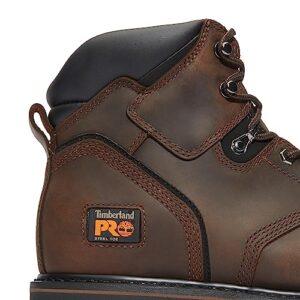
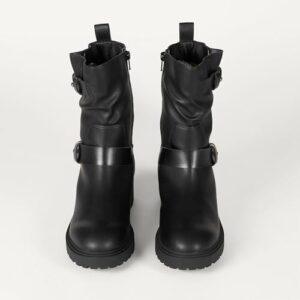
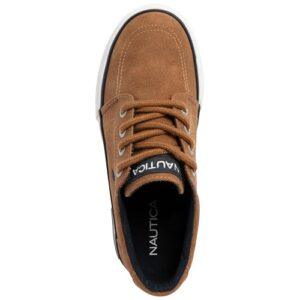
Yes — duck shoes can be good for snow when they’re insulated, waterproof, and paired with good traction.
I’ve worn and tested duck shoes in wet winters and heavy snow. I’ll explain how duck shoes work in snow, when they excel, and when you should choose a different boot. This guide draws on hands‑on experience, lab-style features to check, and practical tips to help you decide if duck shoes are right for your snowy days. Read on to learn the details and avoid common mistakes.
How duck shoes perform in snow
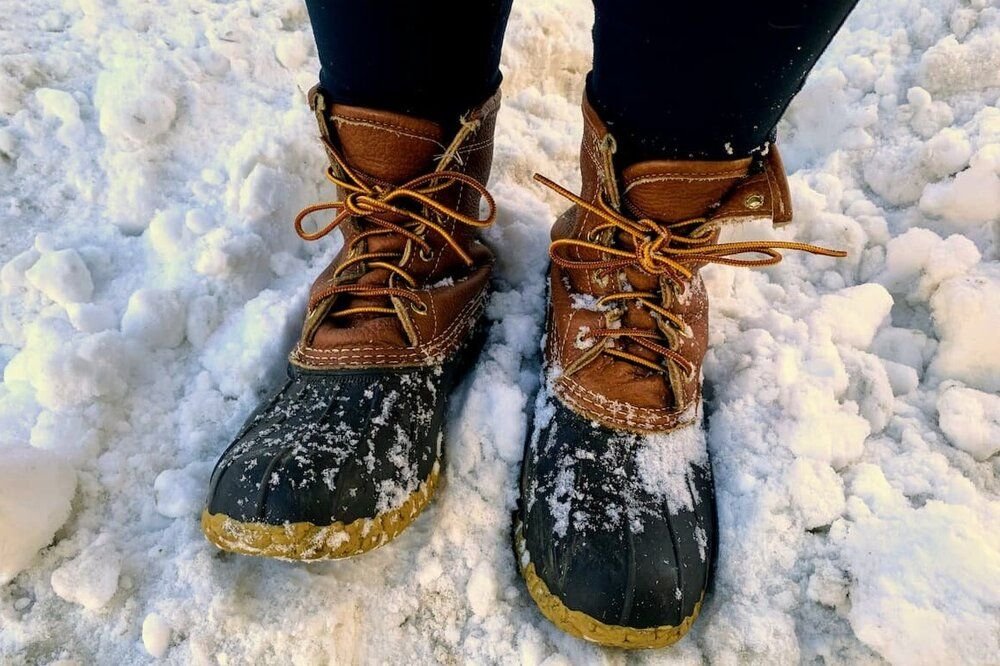
Duck shoes are low- to mid-cut rubber-bottom boots with leather uppers. They were made for wet, slushy conditions. In snow, performance depends on three things. These are waterproofing, insulation, and sole traction.
If a pair is fully waterproof, has warm insulation, and a grippy sole, then duck shoes do very well. If any of those are missing, they can let cold and moisture in. In short, are duck shoes good for snow depends on the model and how you plan to use them.
People ask about warmth and traction first. Good duck shoes keep feet dry and resist ice build-up. They do not always match tall winter boots for deep snow. For city use or light hikes, they are often enough. For long treks or extreme cold, choose a heavier boot.
Key features that make duck shoes good for snow
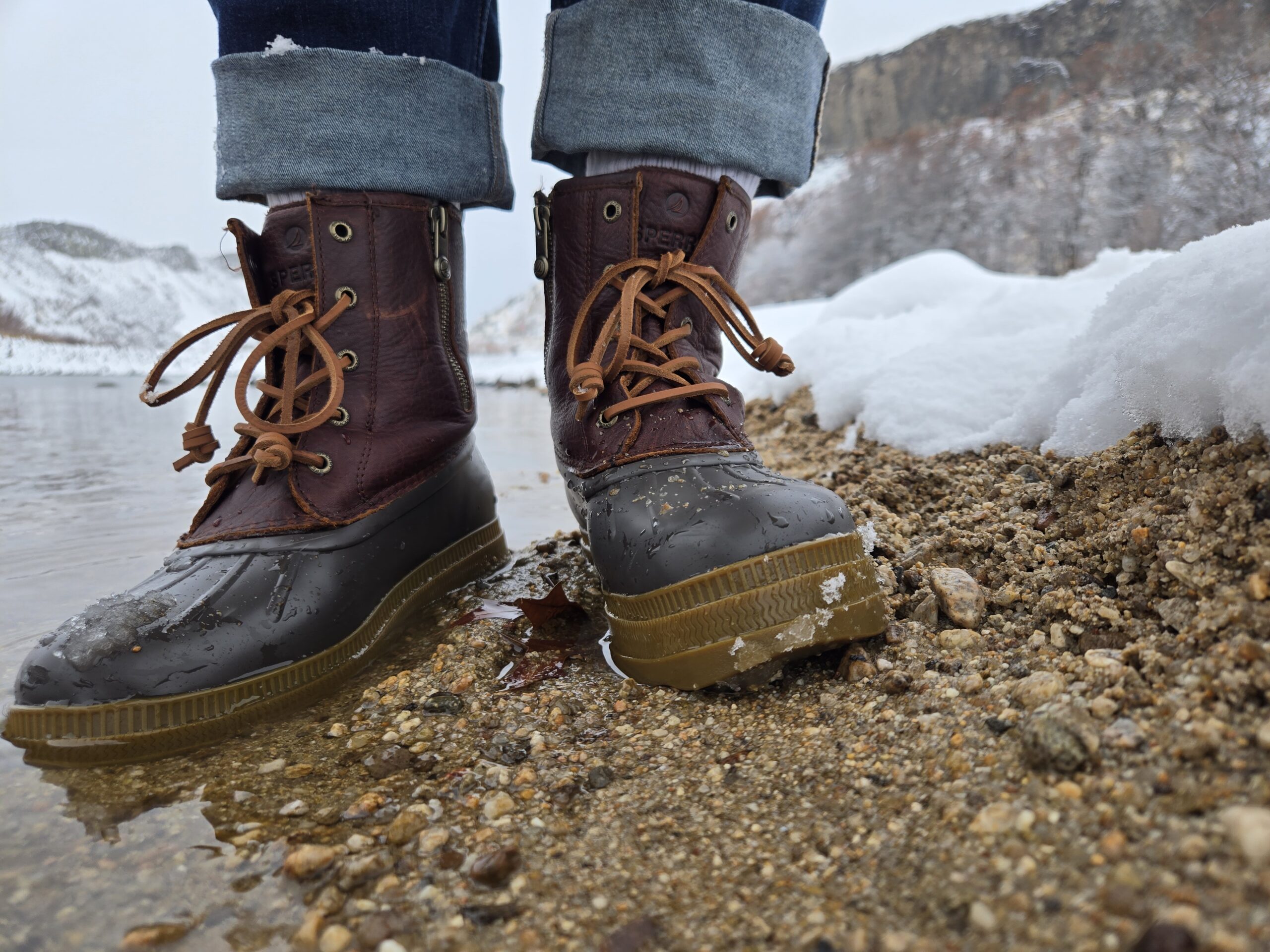
Look for these features when assessing are duck shoes good for snow. Each matters for comfort and safety.
- Waterproof membrane or sealed seams — prevents melt and slush from soaking in.
- Insulation rating — Thinsulate or similar liners add warmth. More mm = warmer.
- High rubber rand and deep tread — stops snow from entering and improves grip.
- Mid-cut shaft height — blocks slush while keeping mobility.
- Non-slip rubber compound — stays flexible in cold and grips icy surfaces.
- Removable liners — easy to dry and swap for thicker socks.
If a duck shoe has only a leather upper and thin sole, it will not handle snow well. Choose a model with intentional winter features.

Pros and cons: are duck shoes good for snow?
Weigh pros and cons before buying.
Pros
- Lightweight compared with heavy winter boots.
- Easy to slip on and off.
- Excellent for wet sidewalks and short walks in snow.
- Many styles are versatile for work and casual wear.
Cons
- Can be cold in very low temps without proper insulation.
- Not ideal for deep snow or technical winter hikes.
- Traction varies; some soles perform poorly on ice.
- Lower shafts may let snow into the boot during heavy storms.
I use duck shoes for errands and shoveling. They keep my feet dry and are easy to wear all day. For long days outside, I switch to insulated tall boots.

Comparing duck shoes to snow boots and hiking boots
Knowing differences helps answer are duck shoes good for snow in your situation.
Duck shoes vs snow boots
- Duck shoes are more flexible and casual.
- Snow boots are taller and usually warmer.
- Choose duck shoes for short, wet tasks. Pick snow boots for long exposure and deep snow.
Duck shoes vs hiking boots
- Hiking boots focus on ankle support and rough-terrain grip.
- Duck shoes focus on waterproofing and warmth in city-style use.
- For trails with ice and deep snow, hiking boots or winter-specific boots beat duck shoes.
Match the choice to the activity. If you need warmth, ankle support, and deep-snow protection, duck shoes may fall short.
Sizing, fit, and sock strategy
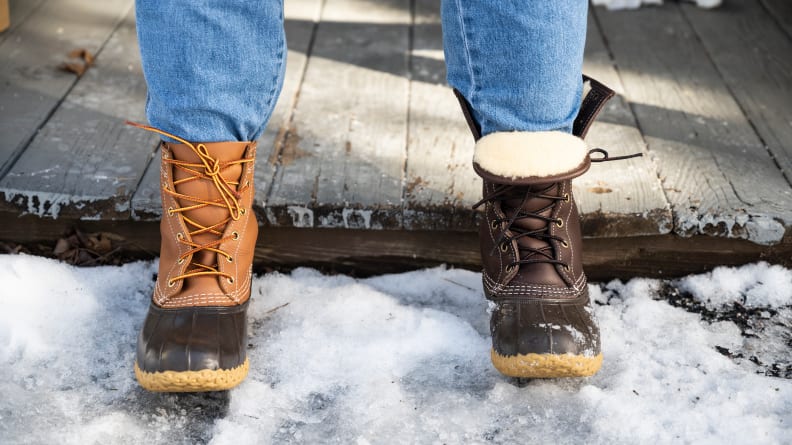
Fit matters in cold weather. A good fit keeps warmth and avoids blisters.
- Size with room for a warm sock. One extra half size can be helpful.
- Use wool or synthetic socks. Cotton stays wet and chills.
- If a model has removable liners, you can add thicker liners for colder days.
- Make sure toes have slight wiggle room to prevent numbness.
I once sized duck shoes too snug. My toes went numb in 15°F weather. After switching socks and sizing up half, comfort improved greatly.
Care, maintenance, and winter prep
Proper care boosts performance and life span. Follow these steps.
- Clean off salt and slush after each use to protect leather and soles.
- Reapply waterproofing treatments to leather yearly.
- Dry removable liners separately and air out your boots overnight.
- Inspect seams and rand for gaps. Reseal if needed.
- Rotate footwear. Let one pair fully dry between heavy winter days.
Good maintenance keeps your duck shoes performing in snow longer and prevents leaks.

When duck shoes are not the right choice
Be honest about limits. Duck shoes are not always best.
- Deep, powdery snow taller than the shaft height.
- Multi-day backcountry treks in subzero temps.
- Ice climbs or steep, icy slopes where specialized traction is needed.
- Long exposure without a plan to warm and dry feet.
If your day includes long exposure to cold, pick insulated tall boots or mountaineering options.

Personal experience and practical tips
I’ve used several duck shoe models for winters in the Northeast. Here’s what I learned.
- Choose models with bonded rubber going higher on the upper. That stops slush.
- If you plan long walks, look for soles with siping and soft rubber for cold.
- Use traction cleats or microspikes when walking on hard-packed icy surfaces.
- Break in duck shoes before winter travel to avoid blisters.
One winter, a well-insulated duck shoe kept me dry on a snowy commute. Another season, a low-cost pair failed after one storm. The difference was construction and insulation. Spend a little more for real winter-ready features.

Buying guide: pick the right duck shoe for snow
Follow this checklist when shopping for duck shoes designed for snow.
- Confirm full waterproofing and sealed seams.
- Look for 200–400g insulation for moderate cold.
- Check sole depth and rubber compound ratings for cold grip.
- Prefer mid-cut models that keep out slush.
- Read user reviews on winter performance.
- Test fit with your winter socks before final purchase.
Also consider warranty and repair options. Good brands offer resoling or repair services that add value.
People Also Ask — short answers to common queries
Are duck shoes warm enough for winter?
Yes, many duck shoes are warm enough for mild to moderate winter if they have insulation. For extreme cold, choose heavier winter boots.
Can duck shoes handle ice?
Some can, if they have a cold-flex rubber and deep tread. For slick ice, use traction cleats.
Should duck shoes be treated for waterproofing?
Yes. Reapplying waterproofing helps maintain leather protection and prolongs water resistance.
Are duck shoes good for deep snow?
No. Duck shoes with low shafts let deep snow in and are not ideal for powder that exceeds shaft height.
Can I use duck shoes for winter hiking?
Use them for short, non-technical hikes. For long or technical winter hikes, choose boots made for winter trekking.
Frequently Asked Questions of are duck shoes good for snow
What makes duck shoes suitable for snow?
Good duck shoes have waterproof construction, insulated liners, and grippy soles. Those features keep feet dry and warm in snowy conditions.
How much insulation do I need in duck shoes for snow?
For city winter use, 200–400 grams of insulation is often enough. For very cold days, go higher or layer with warm socks.
Can leather duck shoes be waterproofed?
Yes. Leather duck shoes can be treated with waterproofing waxes or sprays and benefit from regular care to maintain protection.
Do duck shoes work on icy sidewalks?
They can if they have a soft, cold-weather rubber sole with deep siping. If not, add traction cleats for safety.
Are duck shoes good for slushy conditions?
Yes. Duck shoes excel in slush because of their rubber lower and raised rand that block moisture.
Conclusion
Duck shoes can be good for snow when they have waterproofing, proper insulation, and a winter-ready sole. For short urban walks, commuting, and light outdoor tasks, they are a smart, stylish, and practical choice. For deep snow, long treks, or extreme cold, pick taller, purpose-built winter boots. Try a well-rated winter duck shoe, size for socks, care for the leather, and add traction when needed. If you found this helpful, try a recommended model, share your own test, or leave a comment about your winter footwear experience.

Rubel Miah is the Senior Editor at MyStyleGrid.com, where he brings a sharp editorial eye and an unshakable love for fashion to everything he does. A true style addict, Rubel lives and breathes trends, from streetwear to high fashion, and has a knack for turning inspiration into impactful stories. With years of experience in fashion journalism and digital media, he curates content that empowers readers to express themselves through style. When he’s not editing features or forecasting the next big thing, you’ll find him hunting down vintage pieces or capturing street style moments around the city.