Measure your foot across the ball and compare that width to a shoe-width chart or use a Brannock device.
I’ve spent years fitting shoes for friends, testing brands, and measuring feet in stores and at home. If you’ve ever wondered how do i know my shoe width, this guide walks you through clear steps, simple tools, and real-world tips so you can pick shoes that fit comfortably and last longer.
Why shoe width matters
Shoe width affects comfort, foot health, and how shoes perform. Wearing the wrong width can cause blisters, bunions, pain, and poor gait.
Knowing how do i know my shoe width helps you buy shoes that fit your foot shape. Proper width avoids pressure points and lets your toes rest naturally. Brands vary a lot, so measuring is the only reliable way to know.

How to measure your foot width — answering how do i know my shoe width
Measuring is simple and fast. You can use a professional device or a DIY method at home.
Steps to measure at home:
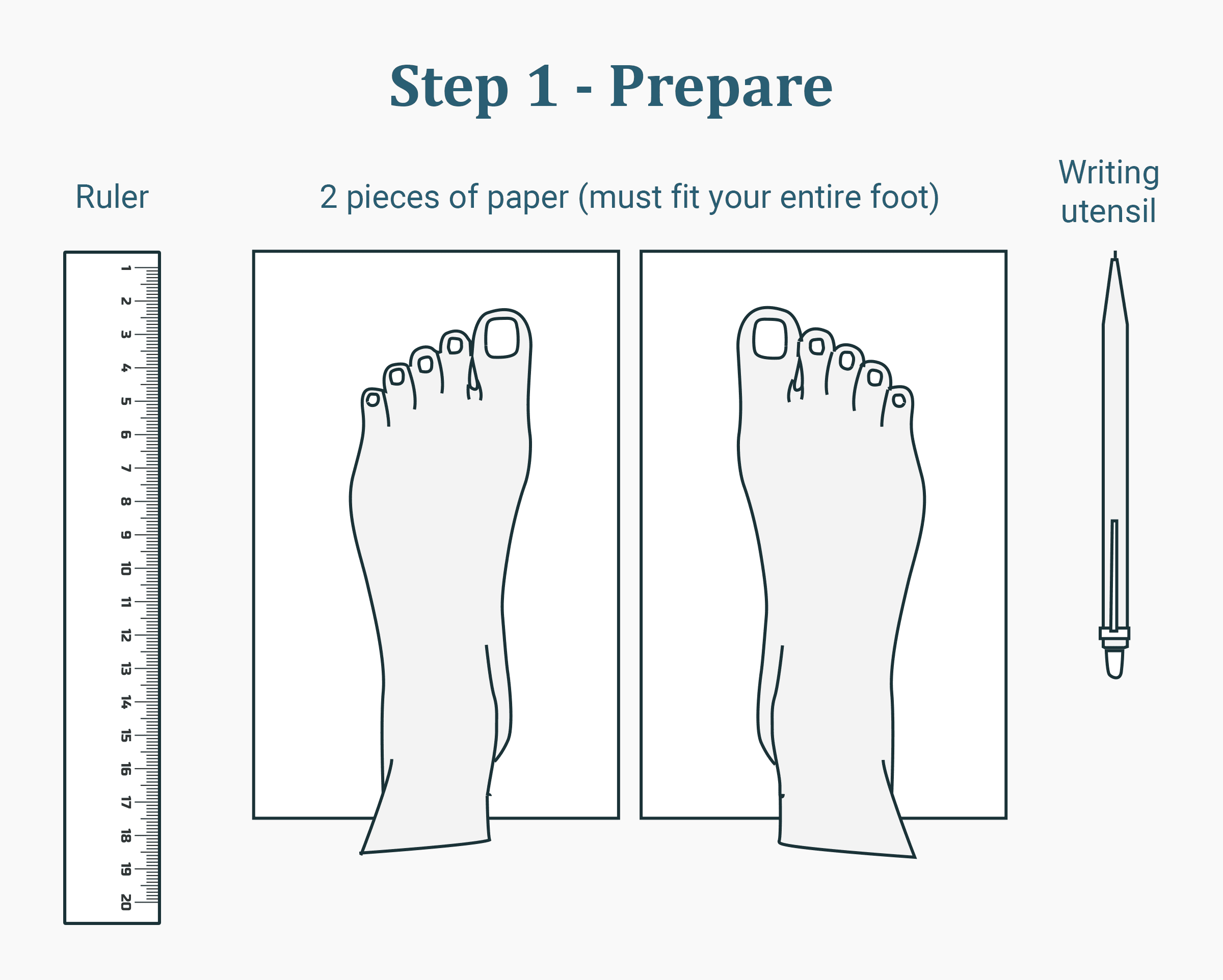
- Place a piece of paper on a hard floor and stand on it wearing the socks you’ll wear with the shoe.
- Trace your foot outline while standing evenly and naturally.
- Mark the widest points near the ball of the foot and measure the distance with a ruler or tape in inches or centimeters.
- Measure both feet and use the larger value. Feet often differ slightly.
If you visit a shoe store, ask for a Brannock device. It measures length and width precisely and answers how do i know my shoe width in seconds. A common question is whether to measure sitting or standing — always measure standing, because your foot flattens under weight.

Interpreting measurements and converting to shoe widths
After you measure, convert the width into a letter or label. Men’s and women’s standard widths differ. Instead of quoting exact inches (which vary by system), use these general rules:
- Men’s typical widths: Narrow = B, Standard = D, Wide = 2E (EE), Extra wide = 4E and up.
- Women’s typical widths: Narrow = A/AA, Standard = B, Wide = D, Extra wide = 2E (EE).
- If your measurement is near a boundary, try on both sizes or choose the wider option if you have swelling or orthotics.
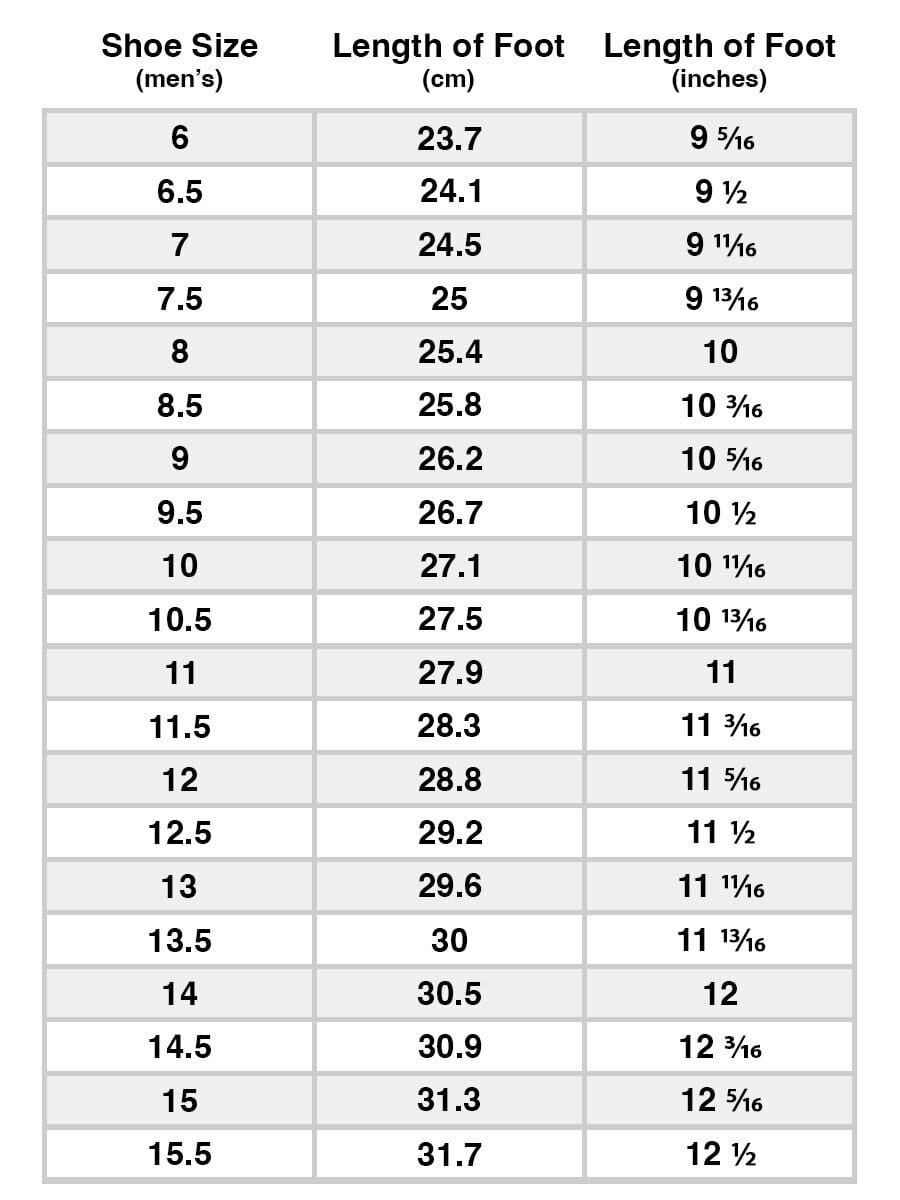
Brands and regions use different systems. When you ask how do i know my shoe width for a specific brand, check that brand’s size and width chart. Many brands provide millimeter or inch tables to match your measured width with their letters.
Common signs your shoe width is wrong
Your shoes tell you when width is off. Watch for these signs:
- Tightness across the ball of the foot or pinched toes means shoes are too narrow.
- Sliding and heel rubbing means shoes are too wide or too long.
- Pain on the side of the foot, blisters, or calluses often point to poor width fit.
- Numbness or tingling can indicate compression from narrow shoes.
If you keep asking how do i know my shoe width after trying several pairs, focus on the ball-of-foot comfort first. That area determines width fit more than length.

Practical tips for buying shoes with the right width
These tips reduce guesswork and help you shop smart.
- Shop late in the day because feet swell over the day. This helps answer how do i know my shoe width under realistic conditions.
- Bring the socks you’ll wear with the shoe and any orthotics or insoles you use.
- Try both feet. Fit to the larger foot.
- Walk around the store for several minutes to test width while moving.
- If you’re between widths, size up in width, not just length.
- Read brand reviews for notes on narrow or wide fits. Many brands run narrower or wider than standard.
Personal note: I once ordered a dress shoe online without measuring. The pair pinched my forefoot badly. After I used a Brannock device and measured at home, I switched to a wide option and the shoes finally felt right. Measuring saved time and returned items in the future.

How to fix width problems and limitations
If a shoe is close but not perfect, you can try fixes. Stretching leather works for narrow spots. A cobbler can add width in some designs. Insoles can take up slack in shoes that are too wide but may make a narrow shoe worse.
When not to force a fit:
- Avoid forcing non-stretch materials that cause pain.
- Don’t rely on thin socks to fix tight shoes — they mask fit issues.
- Know that some sports shoes require a snug fit for performance; consult a pro if needed.
If you still wonder how do i know my shoe width and the measures conflict, consult a podiatrist or professional fitter for complex foot shapes or chronic pain.

Frequently Asked Questions of how do i know my shoe width
How often should I measure my shoe width?
Measure when buying new shoes, after major weight changes, pregnancy, or if foot pain appears. Feet can change shape over time, so re-check every year or when issues arise.
Can I measure shoe width at home accurately?
Yes. A tracer method or tape measurement while standing gives a good estimate. For best results, compare your measurement to a brand chart or use a Brannock device at a store.
Does foot width change during the day?
Yes. Feet swell with activity and heat. That’s why measuring at the end of the day helps answer how do i know my shoe width for daily wear.
Should I size up if my width is between sizes?
If width is borderline, choose the wider width. A tiny extra room prevents pressure and allows for thicker socks or orthotics.
Are width labels the same across brands?
No. Width labels vary by brand and region. Always check the specific brand’s width chart and try shoes on when possible.
Conclusion
Finding your true shoe width prevents pain, improves performance, and extends shoe life. Measure standing, compare to brand charts, try shoes with proper socks, and favor the wider option when in doubt. Act by measuring both feet today and keep measurements for online shopping. If you found this useful, leave a comment, share your experience, or subscribe to get more practical shoe-fitting tips.

Rubel Miah is the Senior Editor at MyStyleGrid.com, where he brings a sharp editorial eye and an unshakable love for fashion to everything he does. A true style addict, Rubel lives and breathes trends, from streetwear to high fashion, and has a knack for turning inspiration into impactful stories. With years of experience in fashion journalism and digital media, he curates content that empowers readers to express themselves through style. When he’s not editing features or forecasting the next big thing, you’ll find him hunting down vintage pieces or capturing street style moments around the city.