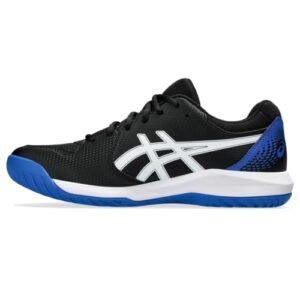
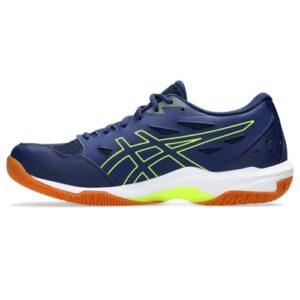
If you wear shoes every day, expect most pairs to last about 6–12 months with regular use.
I’ve tested dozens of shoes and worked with shoe technicians and podiatrists. This guide explains how long should shoes last if you wear them everyday, why lifespans vary, how to spot failure, and practical steps to stretch life without hurting your feet. Read on for clear timelines, simple tests, and real-world tips you can use now.

How long should shoes last if you wear them everyday — a practical timeline
There is no one-size-fits-all answer. Still, a simple timeline helps set expectations. One clear rule: how long should shoes last if you wear them everyday depends on shoe type, use, and care.
- Casual sneakers for walking: 6–12 months of daily wear.
- Running shoes used for runs and errands: 300–500 miles or about 4–6 months if run daily.
- Dress shoes worn to an office: 6–12 months, longer with resoling and rotation.
- Work boots or safety shoes: 6–18 months depending on job intensity.
- Sandals and slippers: 3–12 months based on sole wear and strap strength.
Why the ranges? Cushioning compresses. Soles abrade. Stitching loosens. All reduce support and safety. Knowing the timeline lets you plan replacements to protect foot health.

Factors that affect how long should shoes last if you wear them everyday
Several clear forces change shoe life. Consider each one to predict lifespan.
- Shoe type and construction
- Full-grain leather and Goodyear-welted dress shoes often last longer than glued, low-cost models.
- Foam-heavy running shoes wear faster than dense EVA or polyurethane midsoles.
- User weight and gait
- Heavier people compress cushioning faster.
- Overpronation or supination causes uneven wear and shortens life.
- Activity level and surface
- Road running or city walking abrades soles faster than indoor use.
- Hard, rough surfaces shorten lifespans.
- Climate and care
- Heat and humidity degrade adhesives.
- Poor drying and storage cause leather and glue breakdown.
- Frequency and rotation
- Wearing one pair daily gives no recovery time for cushioning. Rotation extends life.
When you ask how long should shoes last if you wear them everyday, add these factors up. The more stress, the shorter the life.
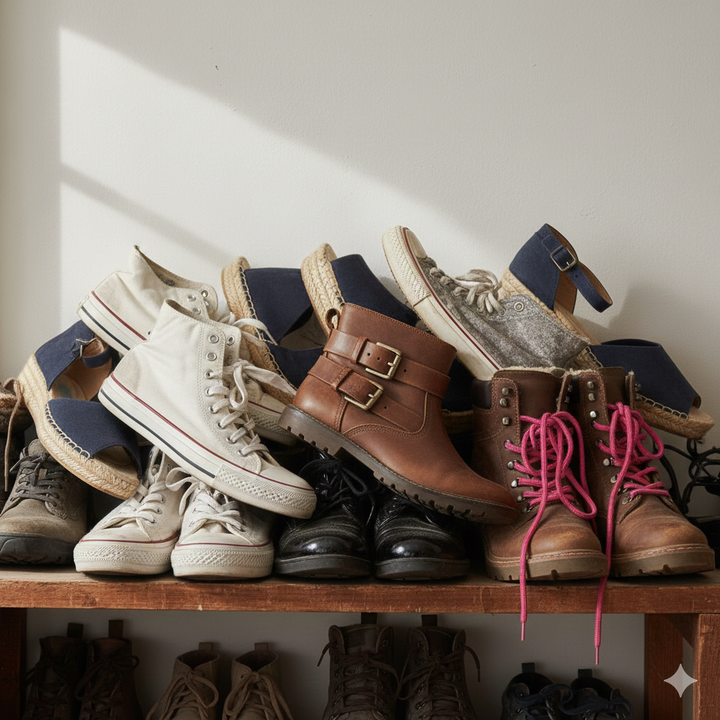
How to spot wear and know when to replace shoes
You can test shoes yourself. Use simple signs instead of guessing how long should shoes last if you wear them everyday.
Signs to replace
- Loss of cushioning — feet feel achy after short walks.
- Midsole creasing and permanent compression.
- Sole tread worn flat or holes appear.
- Uneven wear or sole separation.
- Upper damage — ripped seams or broken straps.
Quick tests to try
- Press the midsole with your thumb. If it stays compressed, cushioning is gone.
- Flex the shoe at the toe. If it bends awkwardly at the midfoot, structure failed.
- Line the shoes on a flat floor. If one tilts, support is uneven.
If you notice any of these, replace the pair. Don’t wait until pain starts. Foot issues are costly and long-lasting.

Ways to extend how long should shoes last if you wear them everyday
You can add months or even years if you act smart. Here are practical steps I used and recommend.
- Rotate shoes
- Own at least two daily pairs and swap every day.
- Rotation allows midsoles to recover and reduces wear per pair.
- Clean and dry properly
- Remove dirt and dry shoes at room temperature. Avoid direct heat that damages glue.
- Use shoe trees for leather to retain shape.
- Use insoles and protectors
- Replace factory insoles with a durable insole to protect the midsole.
- Add sole protectors or resole when the outsole wears but the midsole is fine.
- Repair early
- Reseal separating glue. Resolve small tears before they grow.
- Re-heel dress shoes when heels wear down.
- Choose shoes wisely
- Buy shoes built for your main activity. Don’t use running shoes as daily work shoes.
- Spend more on construction if you want longer life.
When you plan for how long should shoes last if you wear them everyday, small actions add up. Rotation and repair are the biggest life-savers.

My experience: lessons from wearing shoes every day
I used to wear one pair of shoes daily for years. That cost me in comfort and money. After tracking three pairs over a year I saw clear results.
- Pair one: Lightweight foam sneakers. Cushing collapsed by month four. Pain started by month five.
- Pair two: Leather sneakers rotated regularly. Stayed supportive for eleven months.
- Pair three: Dedicated work boots used on job sites. Lasted 14 months with resoling once.
What I learned
- Rotation mattered most. The pair left to rest lasted longer.
- Midsole collapse is stealthy. Replace shoes when support fades, not when the tread is gone.
- Investing in resoling saved the dress shoe pair. It cut waste and cost.
If you wonder how long should shoes last if you wear them everyday, this personal test shows your habits influence outcomes heavily. Think long-term when buying.
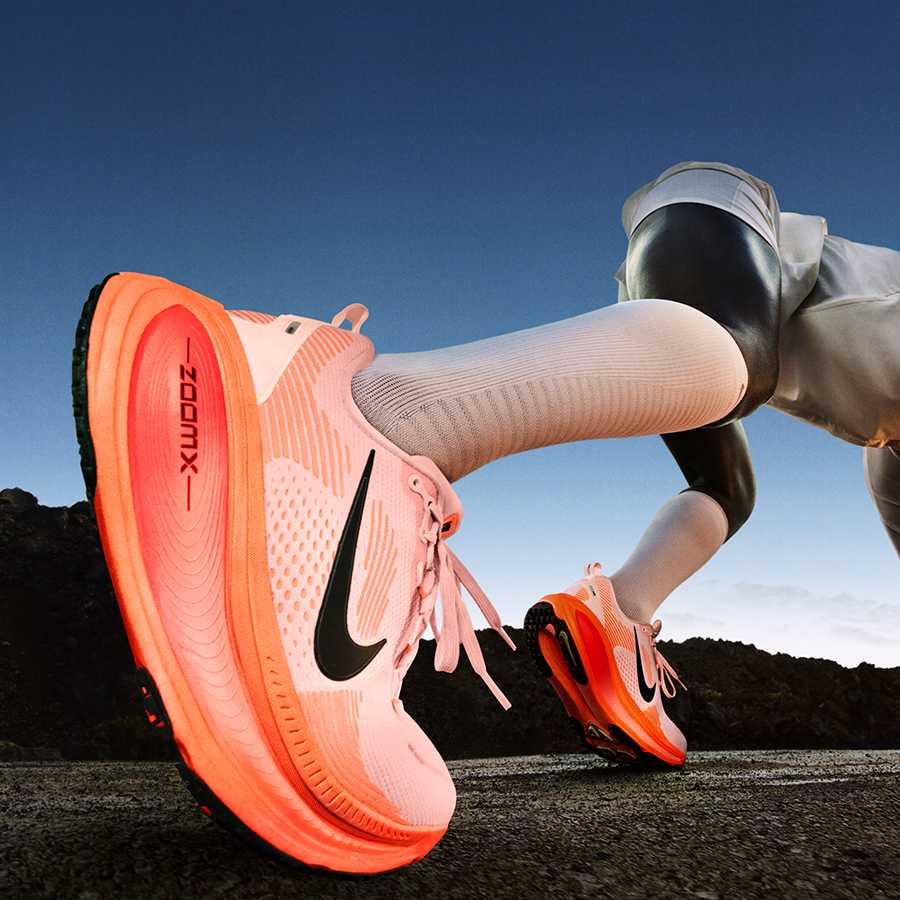
Common concerns and quick answers
Will cheaper shoes ever last if you wear them every day?
Yes, some cheap shoes can last but expect shorter lifespans and less support. Buy extras and plan to replace more often.
Can I detect midsole failure before pain starts?
Yes. Do the thumb press and flex tests. If the midsole stays compressed or bends oddly, it’s failing.
Do orthotics make shoes last longer?
They can if they reduce uneven wear and add support. However, they don’t stop outsole abrasion.
Frequently Asked Questions of how long should shoes last if you wear them everyday
How often should I replace running shoes if I wear them every day?
Replace running shoes every 300–500 miles or about 4–6 months with daily runs, whichever comes first. Watch for reduced cushioning and increased aches.
Does shoe type change how long shoes last if you wear them everyday?
Yes. Shoes with durable outsoles and stitched construction last longer than glued, foam-heavy models. Activity type also matters.
Can resoling extend how long shoes last if you wear them everyday?
Yes. Resoling can add many months or years to leather and stitched shoes if the midsole is still good. It’s less useful for glued sneakers.
Is it bad to wear the same shoes every day?
Wearing the same shoes every day speeds midsole fatigue and shortens life. Rotation lets shoes recover and extends overall lifespan.
How do I store shoes to maximize lifespan?
Store shoes in a cool, dry place with shoe trees for leather. Avoid heat and damp, which break down glue and materials.
Will insoles help how long shoes last if you wear them everyday?
Good insoles can protect the midsole and add comfort, delaying replacement. Replace insoles regularly when they compress.
What role does body weight play in shoe lifespan?
Higher body weight increases midsole compression and wear. People who weigh more often need to replace shoes sooner.
Conclusion
Now you know the main answer: how long should shoes last if you wear them everyday varies, but most daily-use pairs last about 6–12 months depending on type, activity, and care. Use quick checks to spot wear, rotate pairs, and repair early to save money and protect your feet. Start today by testing your favorite pair with the thumb and flex tests. If they fail, plan a replacement and consider rotation. Leave a comment with your shoe stories or subscribe to learn simple shoe care tips.

Madison Clark is a footwear expert and the voice behind MyStyleGrid.com. She specializes in honest shoe reviews, style tips, and practical guides to help readers find the perfect pair for any occasion. With years of experience in blogging and content creation, Madison makes footwear knowledge simple, stylish, and easy to follow.