No—running shoes are not ideal for tennis; they lack the lateral support and traction tennis requires.
I’ve tested shoes across courts and tracks for years, and in this article I answer are running shoes good for tennis with clear, research-backed advice. You’ll get practical steps to pick the right footwear, learn why shoe design matters for court play, and see when a running shoe might work short-term. Read on to avoid common mistakes and protect your feet and game.
Why shoe choice matters for tennis
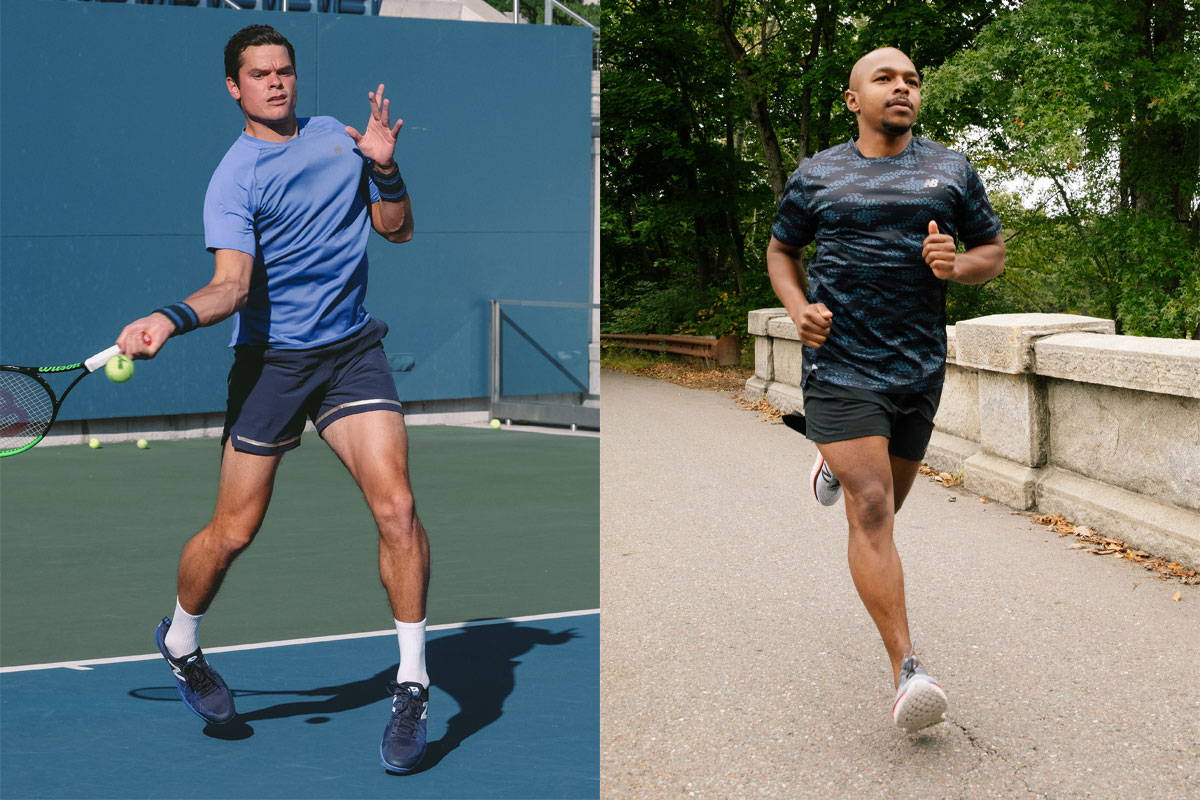
Choosing the right shoe changes comfort, performance, and injury risk on court. Tennis demands short sprints, quick pivots, and strong lateral moves. That combination needs stability, a durable outsole, and a snug fit to prevent ankle rolls. If you wonder are running shoes good for tennis, the short answer is they fall short for these demands.
Running shoes versus tennis shoes: key construction differences
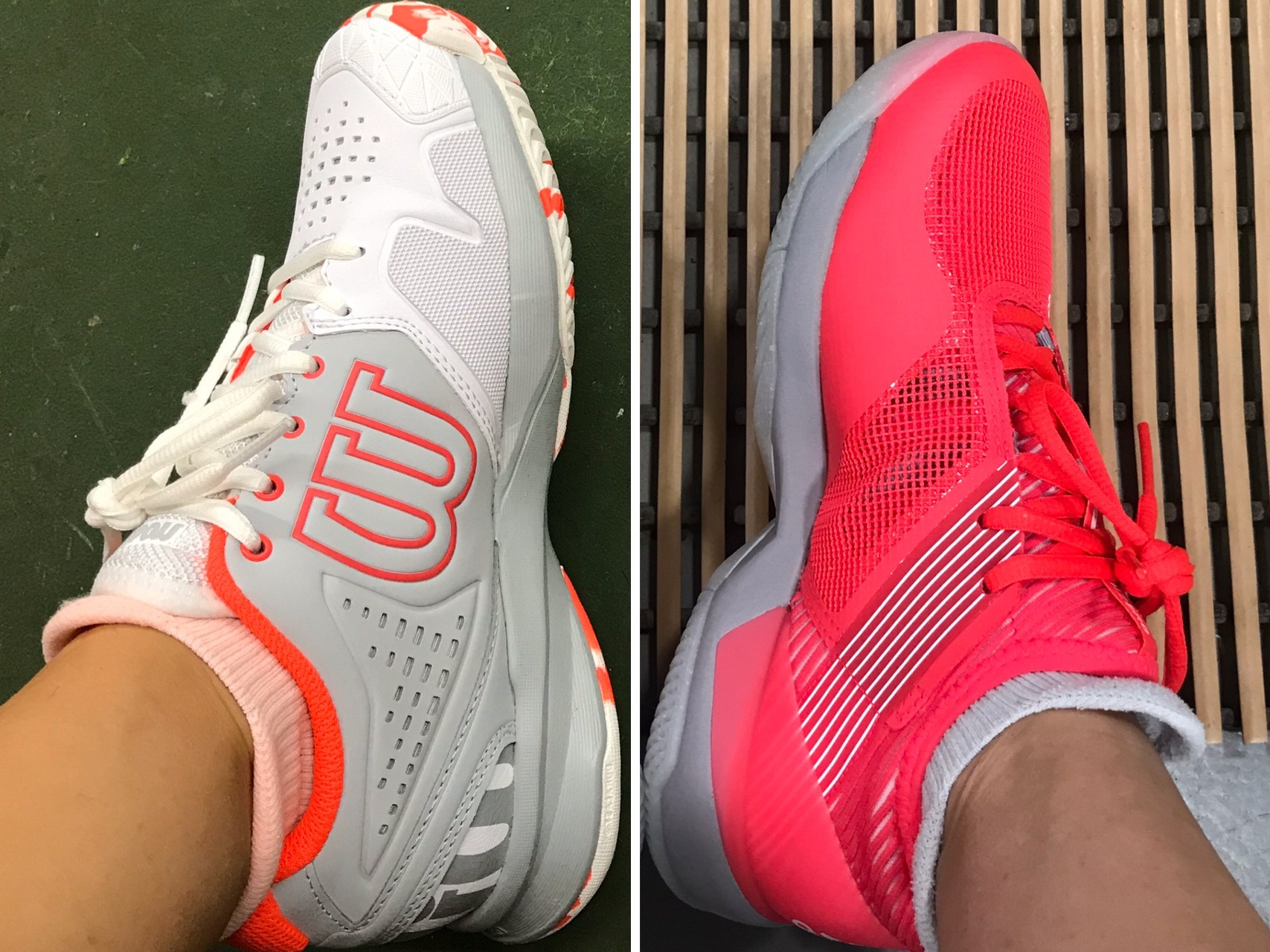
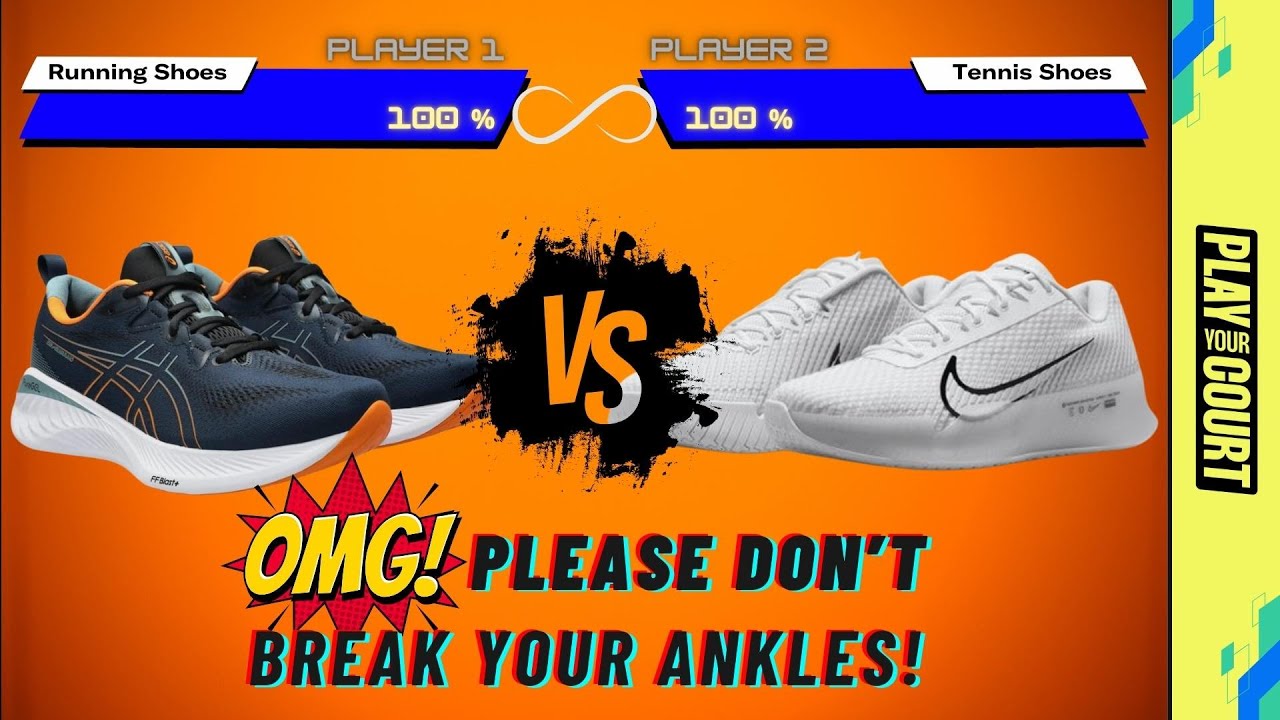
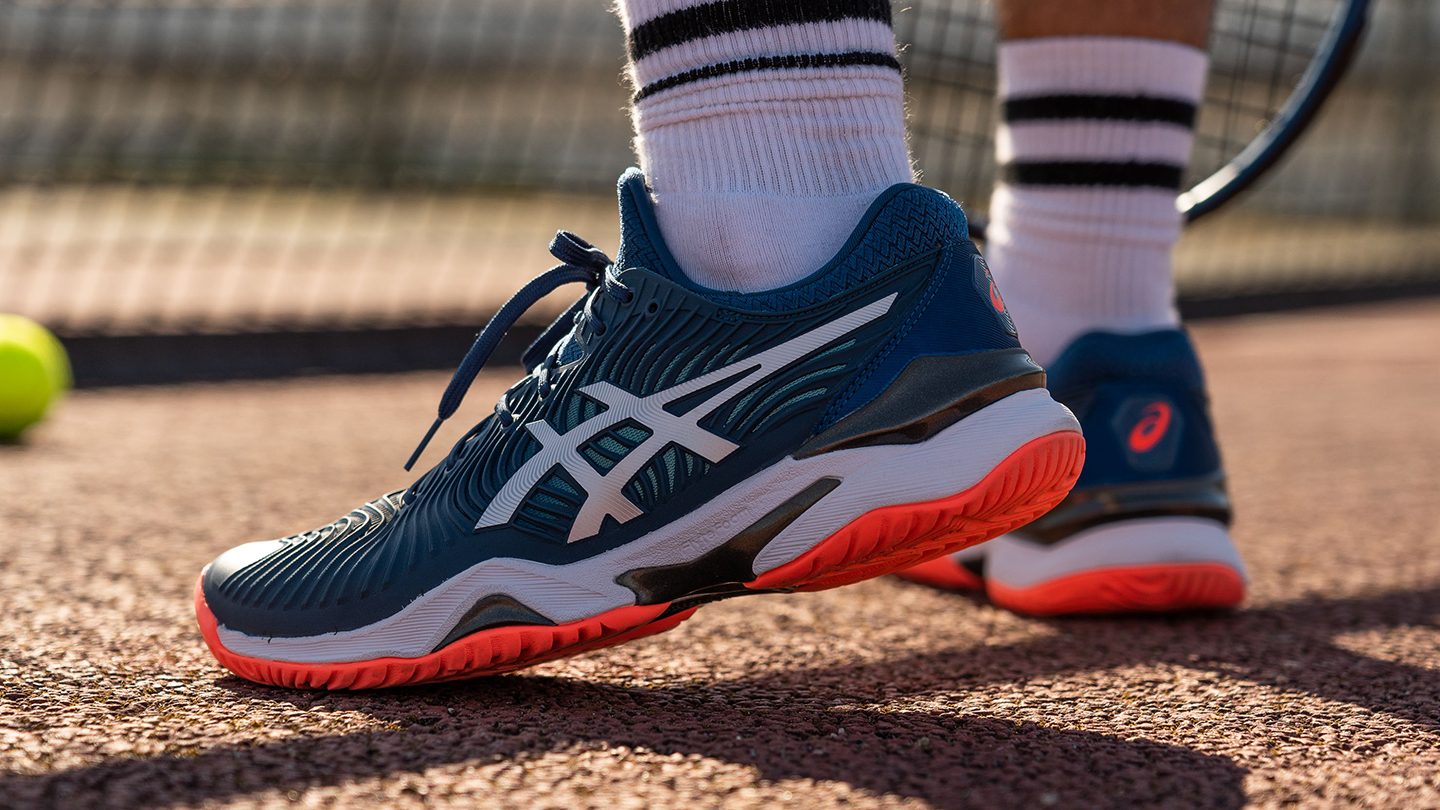
Running shoes are built for forward motion. They have high cushioning, flexible soles, and lightweight uppers aimed at absorbing repeated heel strikes. Tennis shoes focus on lateral support, a flat stable midsole, and a tough outsole designed for court abrasion.
- Cushioning
- Running shoes use thick, responsive foam under heel and forefoot.
- Tennis shoes use firmer midsoles for stability during side-to-side moves.
- Stability
- Running shoes allow more foot roll for stride efficiency.
- Tennis shoes lock the foot in place to reduce ankle injuries.
- Outsole
- Running outsoles are softer and wear quicker on rough court surfaces.
- Tennis outsoles are made for durability and specific court patterns.
If you’re asking are running shoes good for tennis, these construction points explain why they are a suboptimal choice for regular play.

Traction, court surface, and performance
Grip matters in tennis. Each court type—hard, clay, grass—asks for different tread and rubber compounds. Tennis shoes use tread patterns that aid quick starts and stops and resist abrasive wear. Running shoes, designed for roads or trails, often slip on hard courts or wear down fast.
- Hard courts
- Require durable rubber and multi-directional tread.
- Clay courts
- Benefit from herringbone patterns to shed clay efficiently.
- Grass courts
- Need a flatter sole that grips the turf.
Using running shoes can reduce grip and confidence when cutting and recovering. Again, this shows why many players ask are running shoes good for tennis and why the answer tends to be no for regular play.

Injury risk and biomechanics
Tennis involves abrupt lateral forces that stress ankles, knees, and the plantar fascia. Running shoes cushion linear impact but do little to control side-to-side motion. That mismatch increases the risk of sprains and joint strain over time.
- Common issues from poor shoe choice
- Lateral ankle sprains from insufficient support.
- Knee pain from uncontrolled twisting forces.
- Faster outsole wear leading to uneven foot position.
If your goal is injury prevention and longevity in the sport, asking are running shoes good for tennis is key. The biomechanical demands of tennis favor shoes designed specifically for those forces.
When running shoes might be acceptable for tennis
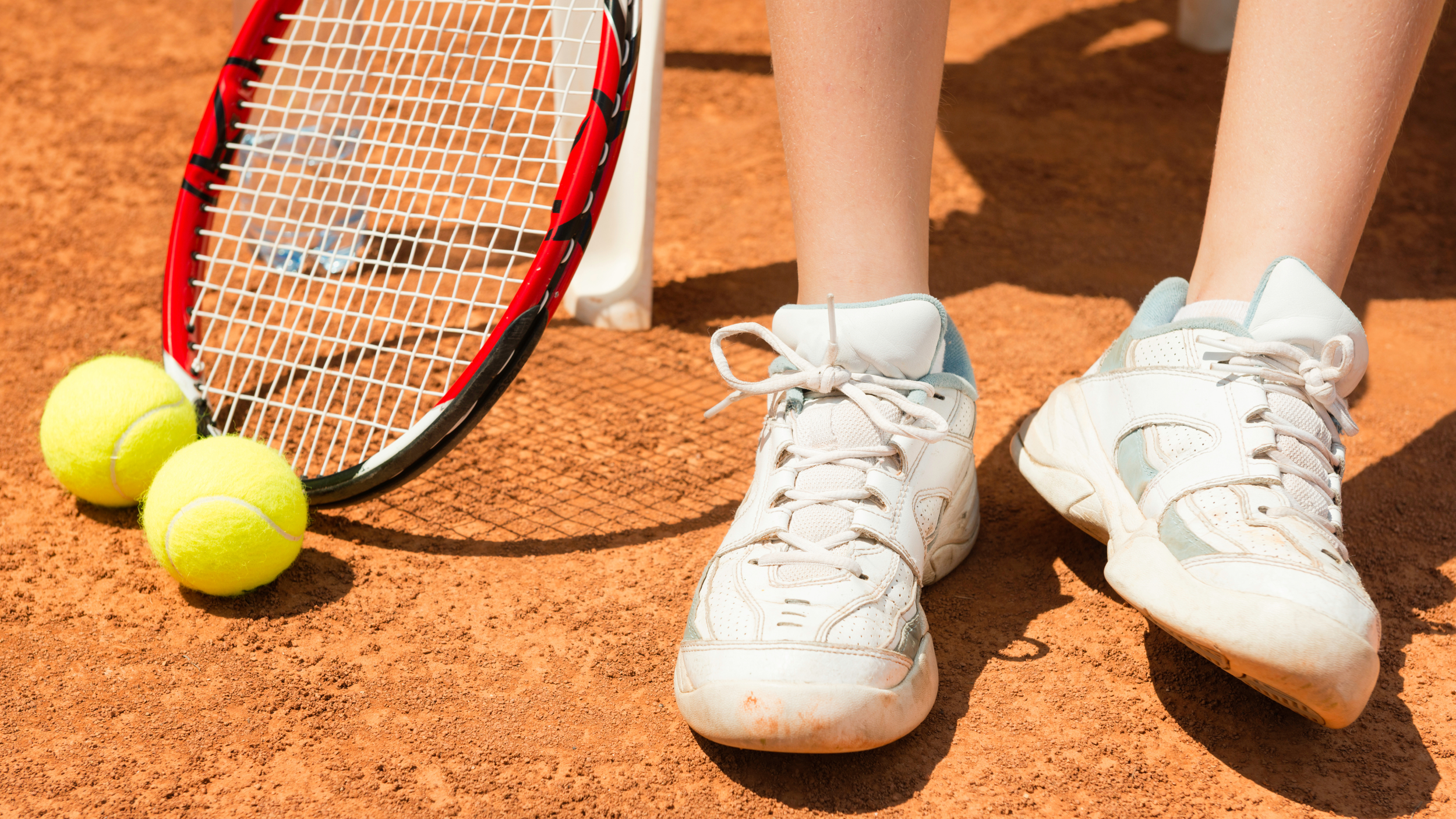
There are limited cases where running shoes work in tennis. Short, casual games or a one-off practice session on a forgiving surface can be fine. If you already own lightweight running shoes with a snug fit and a low heel-to-toe drop, they may suffice for very occasional play.
- When they can be OK
- Casual play under 30 minutes.
- Playing on softer or low-abrasion surfaces.
- Using them only when dedicated tennis shoes are unavailable.
- When they are not OK
- Regular weekly matches or drills.
- Competitive play or tournaments.
- Playing on hard courts for extended hours.
Use running shoes sparingly for tennis, and understand the trade-offs when you do. This pragmatic view answers are running shoes good for tennis in context.
When to avoid running shoes entirely
Avoid running shoes if you play often, practice hard, or train with court drills. Persistent lateral movement will quickly expose the limitations of running shoes. If you feel instability, slipping, or early outsole wear, stop using them on court.
- Red flags to switch immediately
- Noticeable foot slide inside the shoe.
- Frequent ankle instability or near-rolling.
- Sole worn smooth after only a few sessions.
Prioritize safety and performance by choosing court-appropriate footwear rather than hoping running shoes will adapt.
How to choose the right tennis shoe
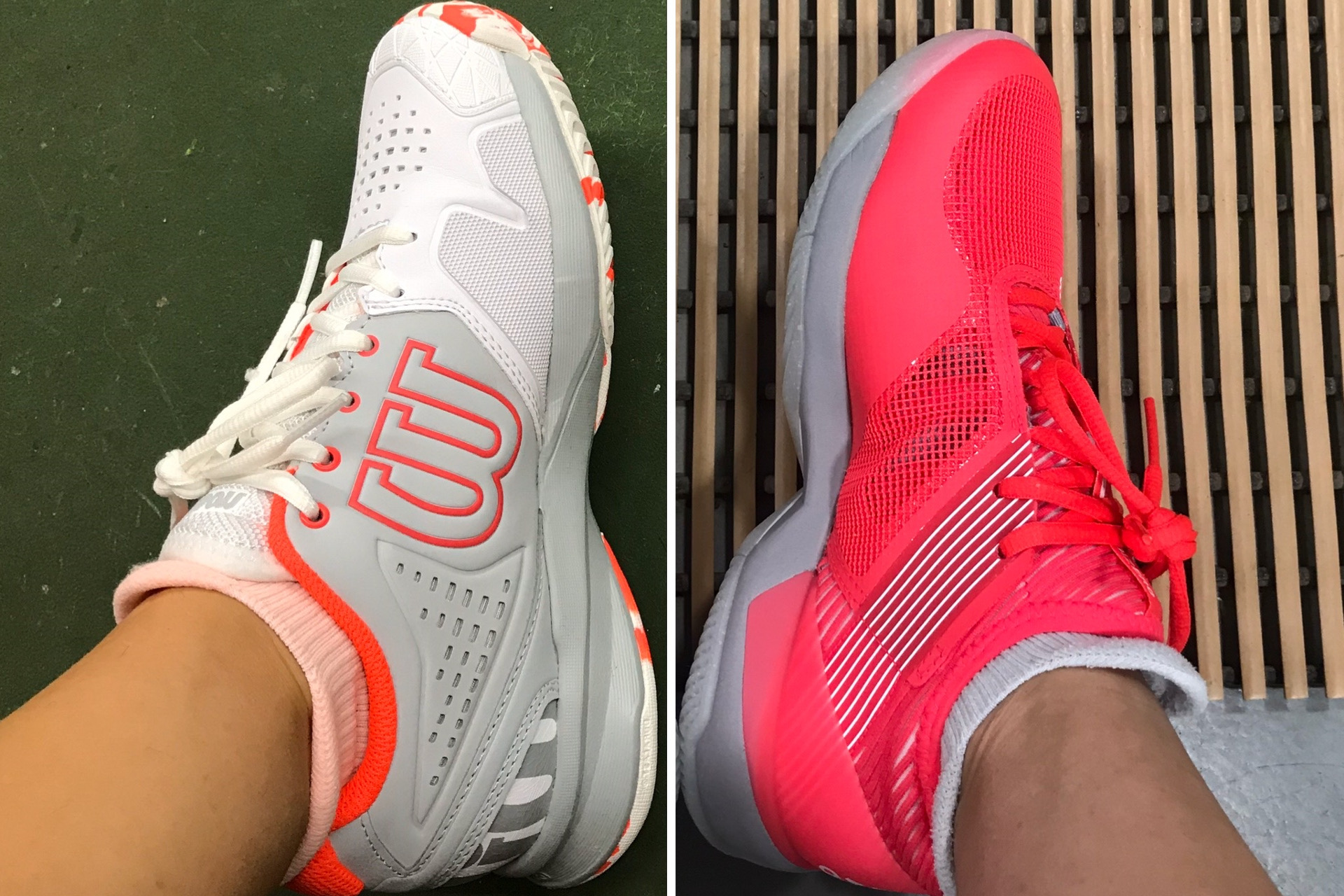
Selecting the right tennis shoe keeps you playing longer and safer. Focus on support, fit, outsole, and court-specific design. Try shoes on with the socks you wear during play and mimic tennis movements in the store.
- Key selection tips
- Look for lateral support and a wide base.
- Choose a durable outsole suited to your court surface.
- Ensure a snug heel and roomy toe box for quick toes-off.
- Prefer a low to moderate heel-to-toe drop for stability.
- Try-before-you-buy checklist
- Walk, sprint, and shuffle in-store.
- Check for heel slippage.
- Inspect outsole patterns for court fit.
As you evaluate options, keep asking are running shoes good for tennis to remind yourself why tennis-specific design matters.
Personal experience, common mistakes, and practical tips
I once used lightweight running shoes for a summer of drills. At first they felt cushy and fast, but within weeks the outer edge wore down and I tweaked my ankle during a lateral drill. I switched to court shoes and saw immediate gains in stability and confidence.
Lessons learned
- Don’t equate cushioning with protection; lateral support matters.
- Replace worn soles quickly; uneven wear shifts foot mechanics.
- If you must use running shoes, tighten the fit and avoid hard courts.
Practical tips
- Rotate shoes if you play often to extend life.
- Use grip spray or court tape only as a temporary fix.
- Carry a backup pair of tennis shoes for competitive play.
This hands-on experience reinforces why the question are running shoes good for tennis comes up—and why the practical answer is cautious.
Frequently Asked Questions of are running shoes good for tennis
Are running shoes safe for playing tennis casually?
Running shoes can be safe for a casual, short session, especially on softer surfaces. For regular play, they lack the lateral support tennis needs.
Will running shoes damage a tennis court?
Softer running shoe rubber may wear differently but usually won’t damage courts quickly. However, some trail or heavily lugged soles can scuff or collect debris that affects play.
Can I use running shoes for tennis if I’m a beginner?
As a beginner, you can start in running shoes for very occasional play, but switching to tennis shoes improves technique and reduces injury risk as you progress. A proper tennis shoe helps you learn footwork safely.
How long will running shoes last on a tennis court?
Running shoes generally wear out faster on court surfaces, especially the outer edge and tread. Expect shorter life span than dedicated tennis shoes if used regularly.
Do tennis shoes help my game more than running shoes?
Yes. Tennis shoes offer better stability, traction, and durability for side-to-side movement, which often improves court confidence and performance.
Conclusion
Choosing the right shoe matters for performance and injury prevention. For most players the answer to are running shoes good for tennis is no—running shoes lack the lateral support, outsole durability, and court-specific traction that tennis demands. If you play casually and rarely, running shoes may work short-term, but investing in proper tennis shoes pays off in stability, longevity, and peace of mind. Try a fitted pair, test them with real court movements, and make your choice based on how often and how intensely you play. Share your experience below or subscribe to get more gear guides and practical tips for smarter play.

Rubel Miah is the Senior Editor at MyStyleGrid.com, where he brings a sharp editorial eye and an unshakable love for fashion to everything he does. A true style addict, Rubel lives and breathes trends, from streetwear to high fashion, and has a knack for turning inspiration into impactful stories. With years of experience in fashion journalism and digital media, he curates content that empowers readers to express themselves through style. When he’s not editing features or forecasting the next big thing, you’ll find him hunting down vintage pieces or capturing street style moments around the city.