No — tennis shoes are not ideal for regular running; they lack cushioning and proper running support.
I’ve tested many shoes and worked with runners for years, so I know the common trade-offs. This article answers the central question — are tennis shoes good for running — with clear facts, real-world tests, and simple guidance you can use today. You’ll learn when a tennis shoe can do the job, when it won’t, how to avoid injury, and how to pick the right shoe for your runs.
Are tennis shoes good for running?
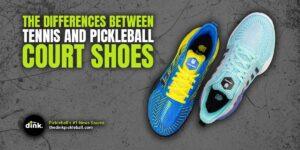
Short answer: for very casual or occasional runs, tennis shoes can work, but they are not built for routine running. Tennis shoes are designed for side-to-side motion, grip on courts, and short bursts of speed. Running shoes are built for forward motion, shock absorption, and repeated foot strikes.
If you ask “are tennis shoes good for running” you should think about distance, surface, and frequency. A two-mile jog on soft trail once in a while? Probably fine. Daily five-mile runs on pavement? Not a good idea. I say this from years of trying cross-training footwear and from working with runners who switched shoes and avoided injuries.
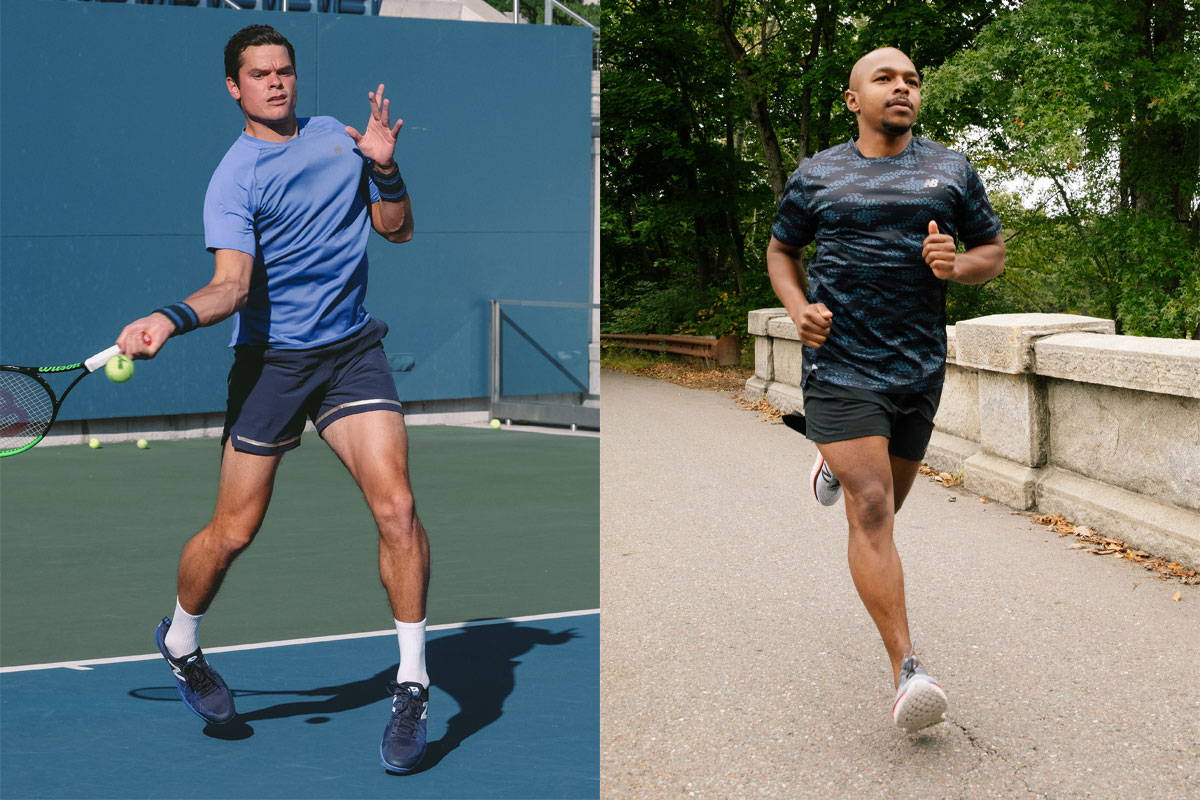
Key differences between tennis shoes and running shoes
Knowing the differences helps answer are tennis shoes good for running. Here are the main points.
-
Cushioning and foam
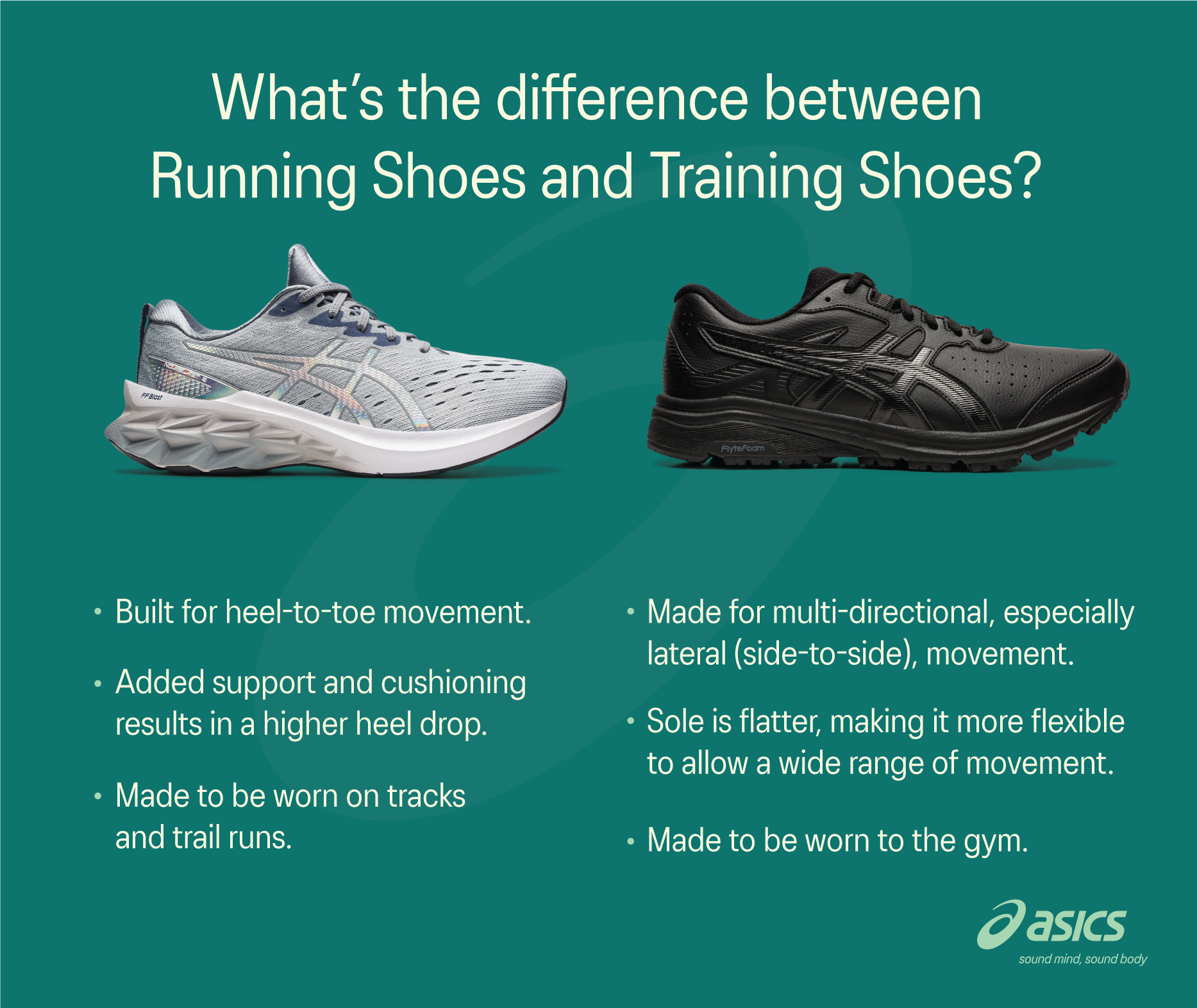
- Running shoes typically have thicker, more responsive foam for repeated impacts.
- Tennis shoes trade some cushioning for stable platforms and lateral support.
-
Shape and flexibility
- Running shoes bend easily at the forefoot for toe-off.
- Tennis shoes are stiffer sideways to support cutting and quick lateral moves.
-
Heel-to-toe drop
- Running shoes vary widely in drop but often favor a smoother heel-to-toe transition.
- Tennis shoes usually have a flatter sole to keep your foot stable on courts.
-
Outsole tread
- Running shoes use patterns optimized for forward traction and road grip.
- Tennis shoes feature durable rubber and tread patterns for court surfaces.
-
Weight and breathability
- Running shoes are often lighter and more breathable to aid long efforts.
- Tennis shoes can be heavier for durability and ankle protection.
When you weigh these differences, you see why people ask are tennis shoes good for running. For many regular runners, a true running shoe is a better match.
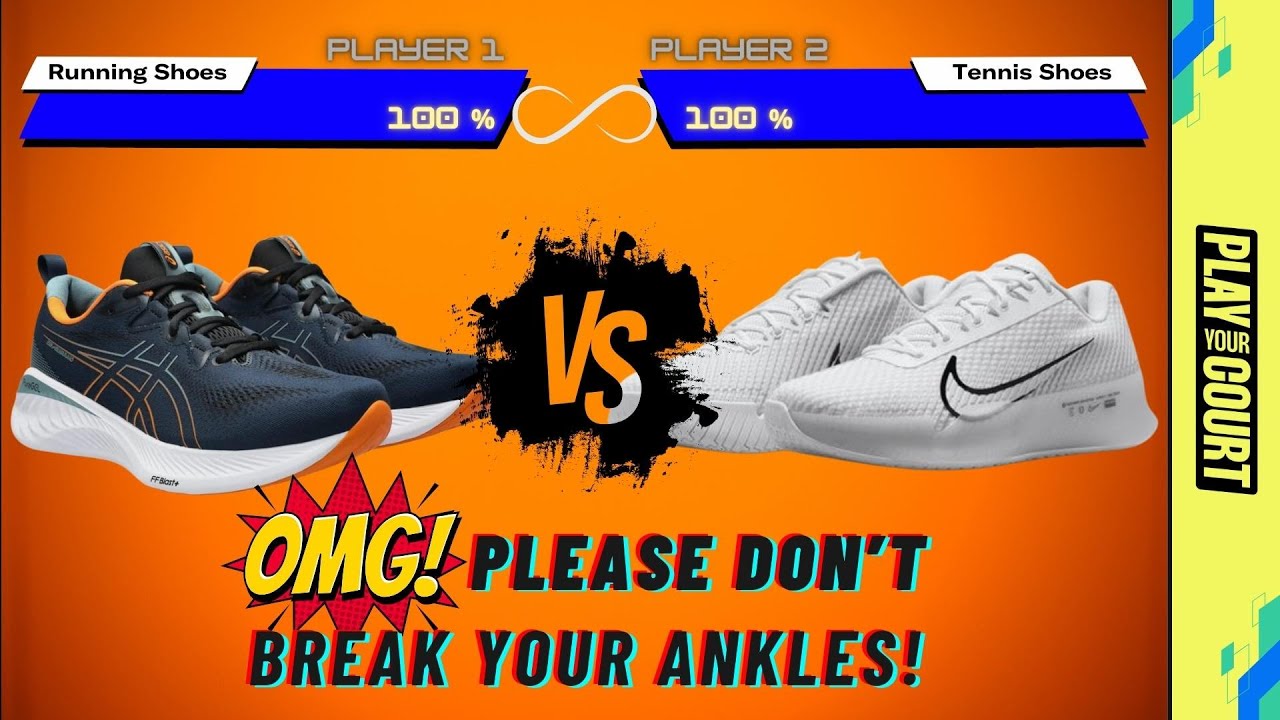
When tennis shoes might be okay for running
Tennis shoes can work in specific, limited cases. Use them wisely.
- Short, occasional runs
- A 1–2 mile casual jog now and then is usually safe in tennis shoes.
- Cross-training sessions
- If you mix running with gym work or court drills, tennis shoes help lateral moves.
- Walking and recovery runs
- Slow recovery miles or walks are low impact and fit tennis shoes well.
- Soft, forgiving surfaces
- Dirt trails or grass reduce impact and lower injury risk in tennis shoes.
If your goal is to ask “are tennis shoes good for running” for the above uses, the answer can be yes. But be honest about frequency and speed. Push too hard and the risks rise.

Risks and long-term limitations
Using tennis shoes as your daily running shoe increases certain risks. Know these before you decide.
- Increased impact on joints
- Less cushioning means more force through knees, hips, and spine.
- Poor forward motion mechanics
- Stiffer or flatter soles can change your stride and increase fatigue.
- Higher risk of overuse injuries
- Expect more shin splints, plantar fasciitis, and Achilles strain over time.
- Faster wear for wrong surfaces
- Tennis outsoles on pavement wear quickly and change how the shoe supports your foot.
When people repeatedly ask are tennis shoes good for running, they often ignore these injury risks. Replace shoes sooner if using them off-label. Monitor pain and recovery closely.
How to choose the right shoe for running
If you’re deciding whether to run in tennis shoes or buy running shoes, follow these steps.
- Know your run type
- Short jogs, long runs, treadmill, trail — each needs a different shoe profile.
- Check cushioning and flexibility
- Press the foam. Is it soft enough for repeated strikes? Can the toe bend up easily?
- Evaluate fit and heel support
- The shoe must secure your heel and not compress toes.
- Consider a gait analysis
- Many stores offer a short run test. This helps match shoes to pronation and stride.
- Set a mileage plan
- Running shoes usually last 300–500 miles. Tennis shoes may fail sooner on roads.
- Transition slowly
- If switching to proper running shoes, ease in over two weeks to avoid soreness.
These steps reduce injury and improve performance. They also answer are tennis shoes good for running in a practical way: usually no for regular running, yes for specific uses.
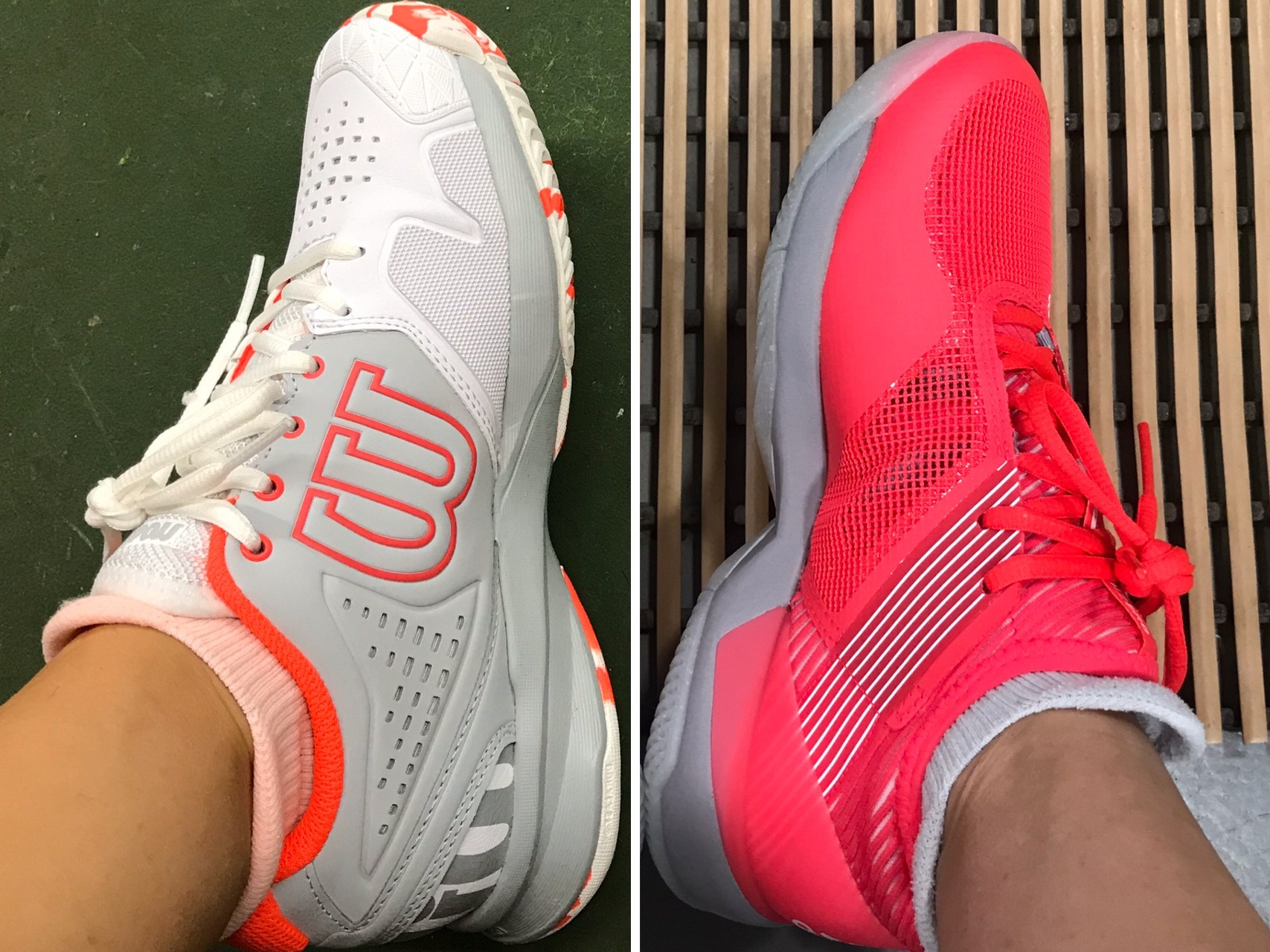
Personal experience and practical tips
I once used a pair of court shoes for daily treadmill runs. At first my calves felt fine. By week three I had tight shins and sore knees. I switched to a neutral running shoe and cut mileage for a week. Pain faded. Lesson learned: short-term convenience isn’t worth long-term downtime.
Here are tips I use and share with runners:
- Rotate shoes
- Use running shoes for runs and tennis shoes for court work. This saves both.
- Watch your body
- Early pain is your cue to stop. Don’t push through unusual discomfort.
- Use proper socks and insoles
- A cushioned sock or thin running insole can help short runs in tennis shoes.
- Track miles
- Keep a simple log. Shoes that feel fine at 50 miles may fail at 150.
These small changes protect knees and keep training steady.
Common quick questions (PAA-style)
Can I run a 5K in tennis shoes?
Yes, if you run slowly and rarely. For most runners, a proper running shoe is better for comfort and performance.
Will tennis shoes ruin my running form?
They can change foot strike and cadence over time. Short, rare runs are less risky than daily training.
Are tennis shoes good for treadmill running?
Occasionally yes, especially for short easy runs. Treadmill impact is lower, but long sessions favor running shoes.

Frequently Asked Questions of are tennis shoes good for running
Are tennis shoes suitable for long-distance running?
Tennis shoes are not suitable for long-distance running. They lack the cushioning and forward-flex design needed for high-mileage comfort and injury prevention.
Can beginners run in tennis shoes?
Beginners can use tennis shoes for a few short sessions, but it’s better to get a basic running shoe. New runners need shock absorption and a shoe that supports forward motion.
How can I tell if my tennis shoes are causing problems?
Watch for persistent pain in shins, knees, hips, or feet after runs. If pain increases or recovery takes longer, the shoe may be the issue.
Is it okay to use tennis shoes for speed work or sprints?
Tennis shoes can handle short sprints and court drills due to lateral support. For repeated track speed work, running spikes or light trainers are safer and faster.
When should I switch from tennis shoes to running shoes?
Switch when you run more than once or twice a week, or when runs exceed 2–3 miles regularly. Also switch if you feel recurring discomfort or joint pain.
Conclusion
Tennis shoes can work for very limited, casual running, but they are not designed for regular forward-running miles. If you care about comfort, speed, and injury prevention, choose shoes made for running. Start by testing on short runs, track your body’s signals, and replace footwear before it breaks down.
Make a small change today: try a low-cost running shoe for one week of short runs and compare how your legs feel. If you found this useful, leave a comment, subscribe for more guides, or share your shoe story — I’d love to hear which shoes worked for you.

Rubel Miah is the Senior Editor at MyStyleGrid.com, where he brings a sharp editorial eye and an unshakable love for fashion to everything he does. A true style addict, Rubel lives and breathes trends, from streetwear to high fashion, and has a knack for turning inspiration into impactful stories. With years of experience in fashion journalism and digital media, he curates content that empowers readers to express themselves through style. When he’s not editing features or forecasting the next big thing, you’ll find him hunting down vintage pieces or capturing street style moments around the city.