Use thick socks, a blow dryer, or a shoe stretcher to safely widen tight shoes at home.
I’ve worked with shoe repair pros and tested many do-it-yourself fixes, so I know what works and what doesn’t when it comes to how to enlarge a tight shoe. This guide covers practical, step-by-step methods, material-specific tips, and safety warnings so you can choose the right approach and avoid damaging your shoes.

Why shoes feel tight and when to act
A shoe can feel tight for many reasons. It may be the wrong size, a design with a narrow last, or new materials that haven’t broken in. Foot changes from swelling, weight gain, or foot conditions can also make shoes feel too snug. Knowing the cause helps pick the best method for how to enlarge a tight shoe without risking damage.

Simple at-home methods to enlarge a tight shoe
Here are fast, low-cost options you can try at home. Use the method that matches your shoe material and level of tightness.
- Thick socks and heat method
- Put on thick socks, wear the shoes, and warm them with a blow dryer for 20–30 seconds while flexing your feet. Walk in them until they cool. Repeat once or twice to gradually stretch leather or synthetic uppers.
- Freezer method with sealed bags
- Fill sealable bags with water, place them inside the shoes, and freeze overnight. The water expands and gently stretches the shoe. This works well for rigid areas but avoid delicate glue seams.
- Shoe stretcher device
- Use a two-way shoe stretcher to expand length and width. Leave it in for 24–48 hours and check progress. Add toe or bunion plugs to target specific pressure spots.
- Stretching spray or alcohol solution
- Lightly spray a leather or fabric stretch product, or a 50/50 mix of rubbing alcohol and water, then wear the shoe or use a stretcher. Alcohol temporarily makes fibers more pliable.
- Manual stretching and shaping
- Insert crumpled paper or rolled towels into the toe box and leave for 24 hours. This gives minor extra room and helps shape the interior.
Each method suits different materials. For guidance on which to use for leather, suede, canvas, or synthetics, see the material-focused section below.
Step-by-step: how to enlarge a tight shoe by material
Different shoe uppers react differently. Follow these material-specific steps to stretch safely.
Leather
- Clean the shoe first to remove dirt and conditioners.
- Use a stretching spray or alcohol mix on tight areas.
- Wear thick socks and heat the leather gently with a blow dryer while flexing your feet.
- Finish with a leather conditioner to restore moisture.
Suede
- Avoid water-based methods that stain or stiffen suede.
- Use a professional suede stretching spray or a shoe stretcher covered with soft cloth.
- Brush suede fibers gently after stretching to restore nap.
Canvas and fabric
- These stretch more easily. Damp the inner fabric lightly, then wear the shoe with thick socks until dry.
- Alternatively, use a shoe stretcher or insert bulky material into the toe box for 24–48 hours.
Synthetic and glued shoes
- Be careful: heat can weaken glue. Use mild heat only and avoid saturating with water.
- A moderate shoe stretcher or adding insoles for lift may relieve pressure without wide stretching.
Boots and high shafts
- Use a boot jack, tall boot stretcher, or have a cobbler stretch the shaft to avoid creasing. Boots often need professional stretching if the shaft is very tight.
Professional options: when to see a cobbler
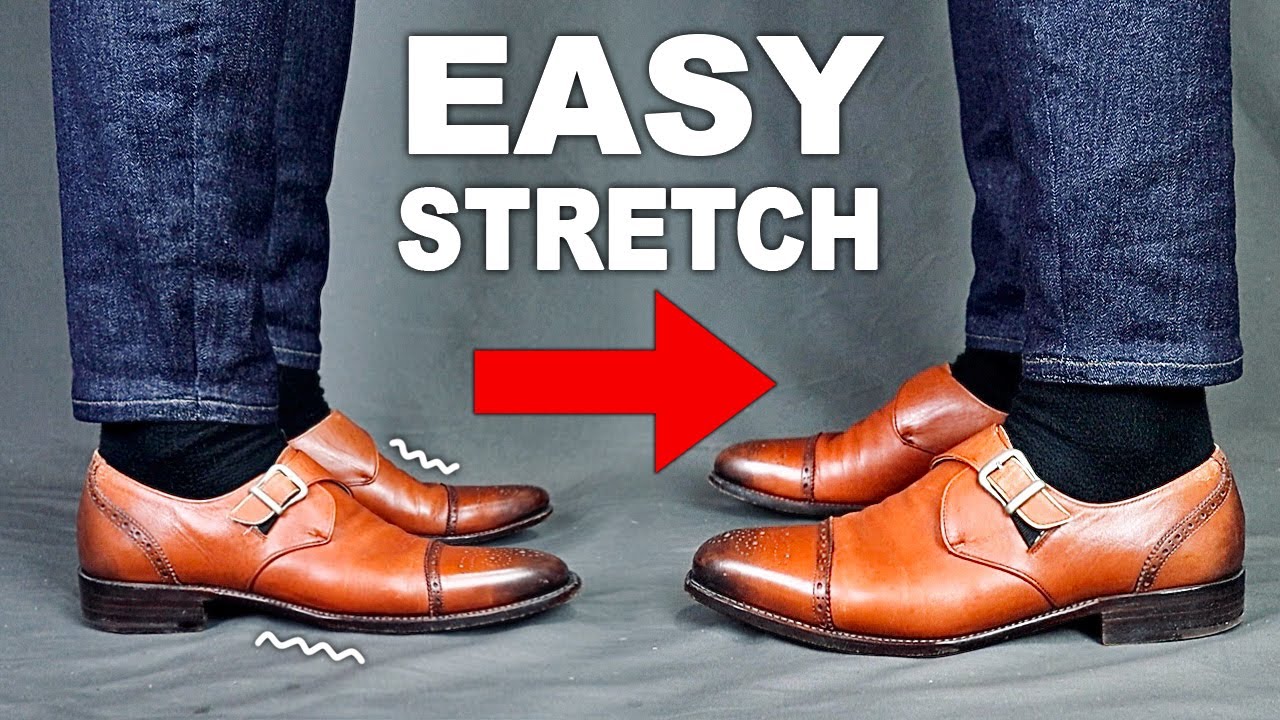
If DIY attempts fail or the shoe is costly, seek a professional. Cobblers use hydraulic stretchers and heat tents that can safely expand width and length. They can also remove or rework linings, replace rigid insoles, and adjust heels. Professional work costs more but reduces the risk of permanent damage to valuable shoes.
Precautions, common risks, and limitations
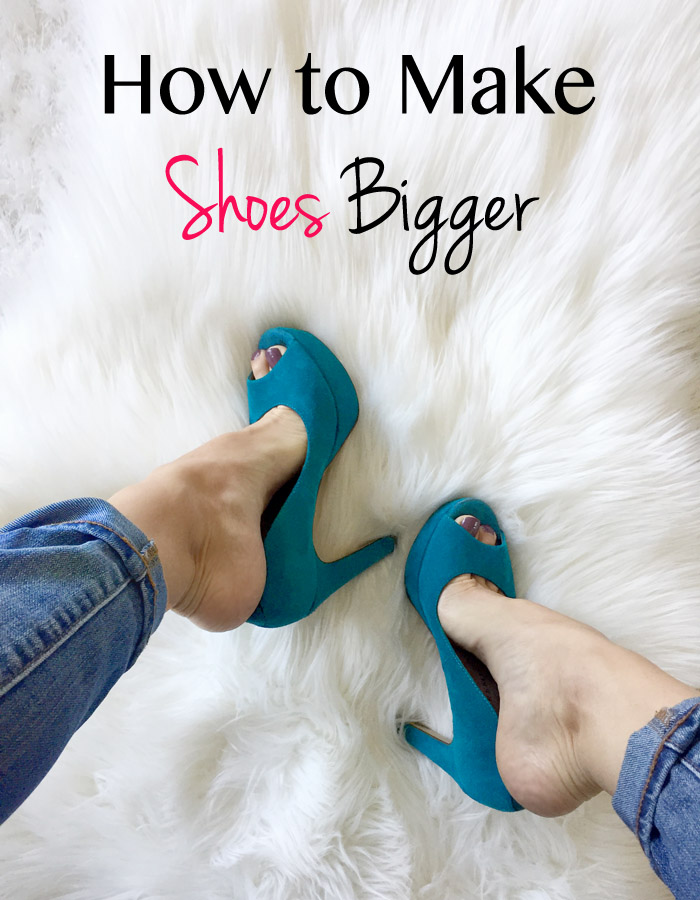
Stretching has limits. Shoes can be loosened only so much. Overstretching leather can crack the surface or separate glued parts. Heat applied too strongly can melt synthetic glue and deform shape. Water can stain suede and cause warped soles. If a shoe is several sizes too small, replacement is the safer option. Always test a small area first and proceed slowly.

Tips from personal experience and expert lessons
I once tried to stretch a tight leather dress shoe for a wedding using only a blow dryer and thick socks. I got a bit of extra room but also dried the leather too much. After that, I always follow heat with a leather conditioner. Lessons learned:
- Stretch gradually and check often.
- Protect delicate linings with thin fabric inserts during stretcher use.
- Use targeted plugs for bunions instead of widening the whole shoe.
If a method doesn’t help after two attempts, switch methods or consult a cobbler.

Frequently Asked Questions of how to enlarge a tight shoe
How long does it take to stretch shoes at home?
Most at-home methods show results after one to three sessions. Using a shoe stretcher or overnight freezing often gives visible change in 24–48 hours.
Will stretching ruin leather shoes?
Stretching done slowly with correct care won’t ruin leather. Overheating or skipping conditioner can dry and crack leather, so follow careful steps.
Can I stretch high heels safely?
High heels can be stretched in the toe box and across the vamp but avoid changing the heel structure. For major fit problems, a cobbler is best.
Is it safe to use rubbing alcohol to stretch shoes?
A 50/50 rubbing alcohol and water mix can safely relax some materials when used sparingly. Avoid using it on suede and delicate glues.
Can I make shoes wider permanently?
You can achieve a lasting fit change if you stretch gradually and the shoe materials respond. However, extreme widening may not hold long-term, and shoes with rigid lasts might revert over time.
Conclusion
You can often improve fit by learning how to enlarge a tight shoe with safe, practical methods. Start with gentle at-home fixes like thick socks and heat, match the method to the material, and move to a stretcher or cobbler if needed. Take care to avoid heat or moisture damage, and condition leather after stretching. Try one method at a time, be patient, and you’ll likely get a more comfortable fit. If this guide helped, try a recommended method, share your results in the comments, or subscribe for more shoe care tips.

Madison Clark is a footwear expert and the voice behind MyStyleGrid.com. She specializes in honest shoe reviews, style tips, and practical guides to help readers find the perfect pair for any occasion. With years of experience in blogging and content creation, Madison makes footwear knowledge simple, stylish, and easy to follow.