Blow out the stench: air, clean, dry, and use odor absorbers regularly to stop shoe smell fast.
I’ve spent years testing shoe-care tricks and repairing stinky footwear for friends and clients, so I know what really works for how to eliminate bad shoe odor. This guide walks you through the science, quick fixes, deep-clean methods, daily habits, and shoe-specific tips. Read on and you’ll be able to neutralize smells, prevent them from coming back, and keep shoes fresh with easy routines you can trust.

Why shoes smell: causes and the science behind odor
Bad shoe odor comes from bacteria and fungi breaking down sweat and skin cells. Feet sweat a lot. Shoes trap moisture and heat, so microbes multiply and produce volatile compounds that smell bad.
Common causes
- Excess foot sweat that soaks socks and shoes.
- Poor shoe ventilation and non-breathable materials.
- Dirty or old insoles that hold bacteria and dead skin.
- Fungal infections like athlete’s foot that make odor worse.
Quick science notes
- Bacteria such as Corynebacterium and Staphylococcus feed on sweat and release volatile fatty acids.
- Moist environments accelerate growth; drying is often the most effective control.
Source: nike.com
Immediate fixes to remove bad shoe odor
When you need a fast fix, these steps work well and are safe for most shoes.
Simple immediate steps
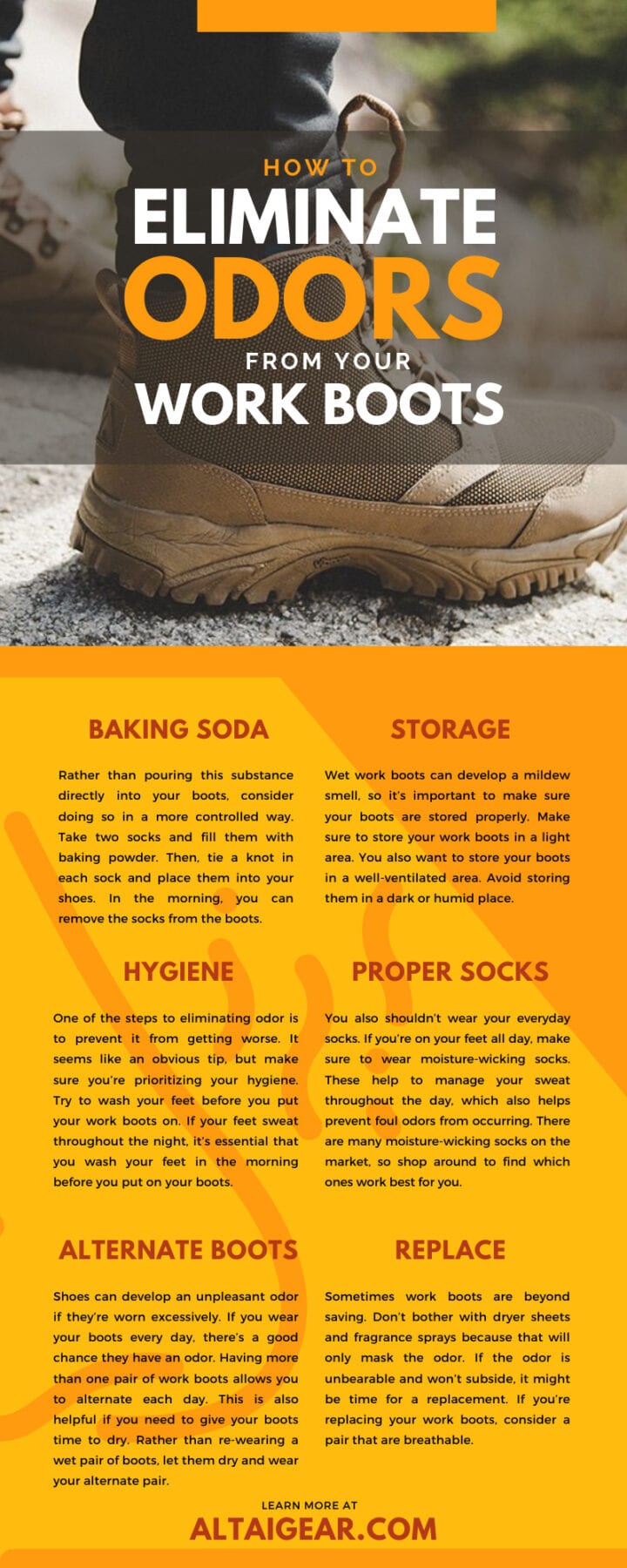
- Air shoes out in a ventilated spot for 24–48 hours. Fresh air lowers moisture and bacterial activity.
- Sprinkle baking soda inside and leave overnight to absorb acid smells; shake out before wearing.
- Use rubbing alcohol spray (50–70% solution) to lightly mist interiors and speed evaporation; let dry fully.
- Put shoes in direct sunlight for a few hours if materials allow; sunlight kills some microbes and dries moisture.
Quick at-home items that help
- Dryer sheets for mild masking and static reduction.
- Tea bags (dry, unused) or activated charcoal pouches to absorb odors overnight.
- Freezer method: sealing shoes in a bag and freezing overnight can reduce some bacteria, though results vary.

Source: amazon.com
Deep cleaning and long-term solutions
If odor persists, deep cleaning and replacement are often necessary. These methods go beyond quick fixes.
Wash and clean properly
- Machine-washable sneakers: remove insoles, put shoes in a mesh bag, wash on gentle cold cycle, air-dry fully. Avoid high heat.
- Hand-clean leather and suede: use a damp cloth and leather cleaner; never soak. Use specialized suede brushes and protectors.
- Replace or wash insoles: foam insoles trap oils and bacteria; replace every 6–12 months or wash removable ones per instructions.
Long-term odor control
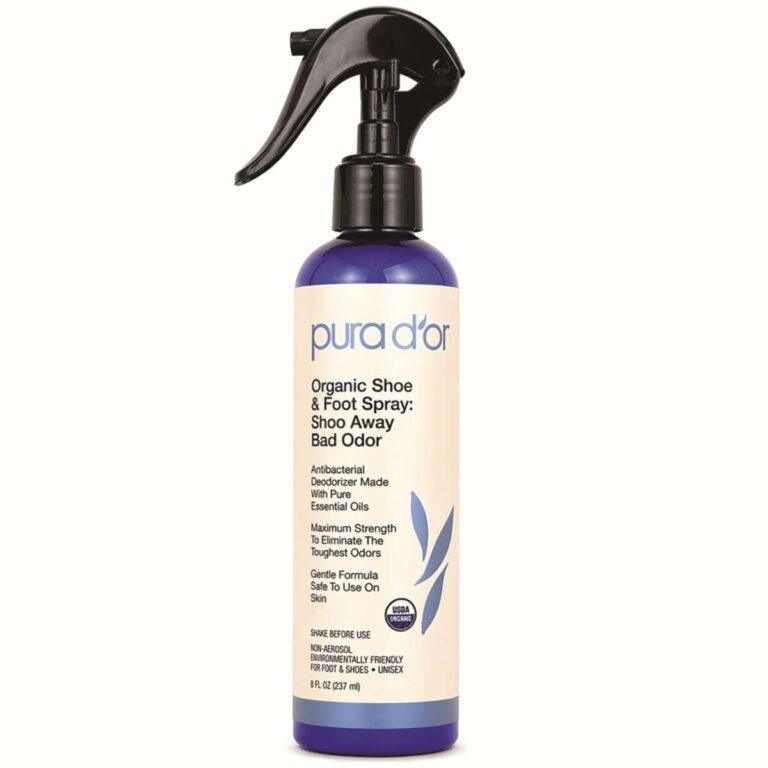
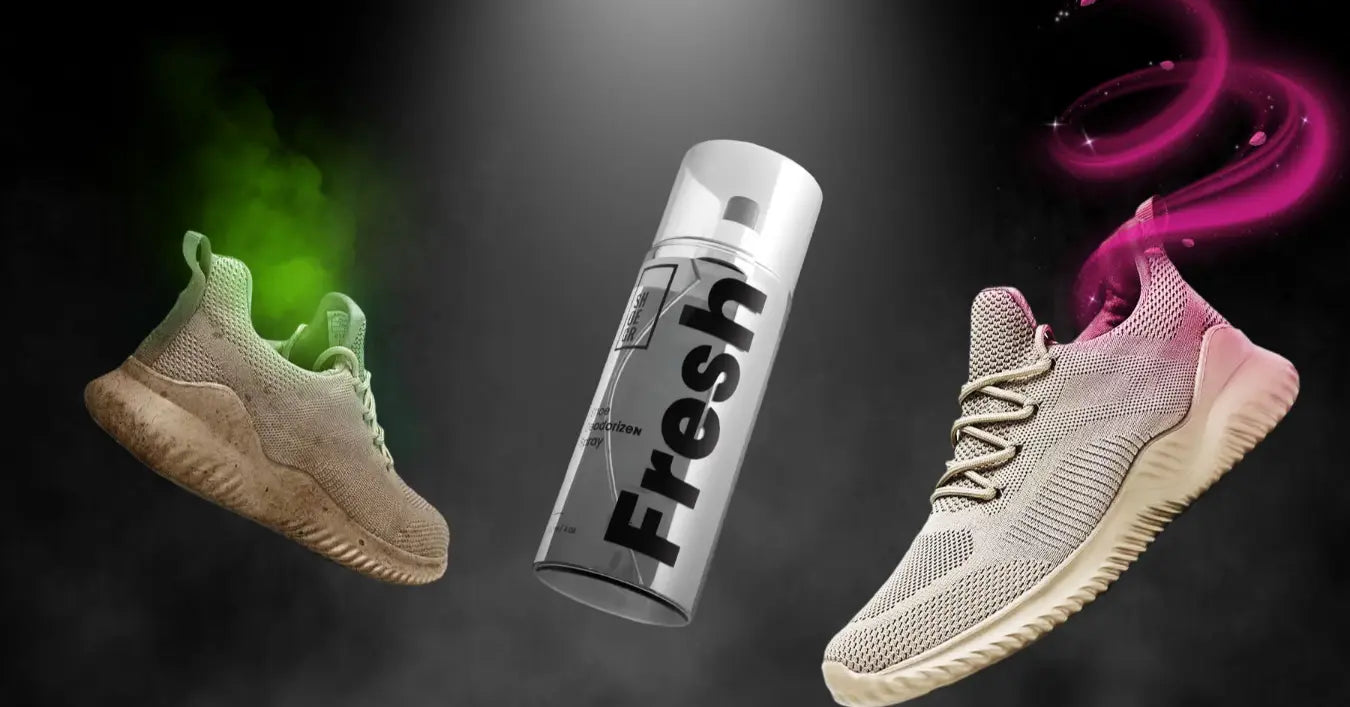
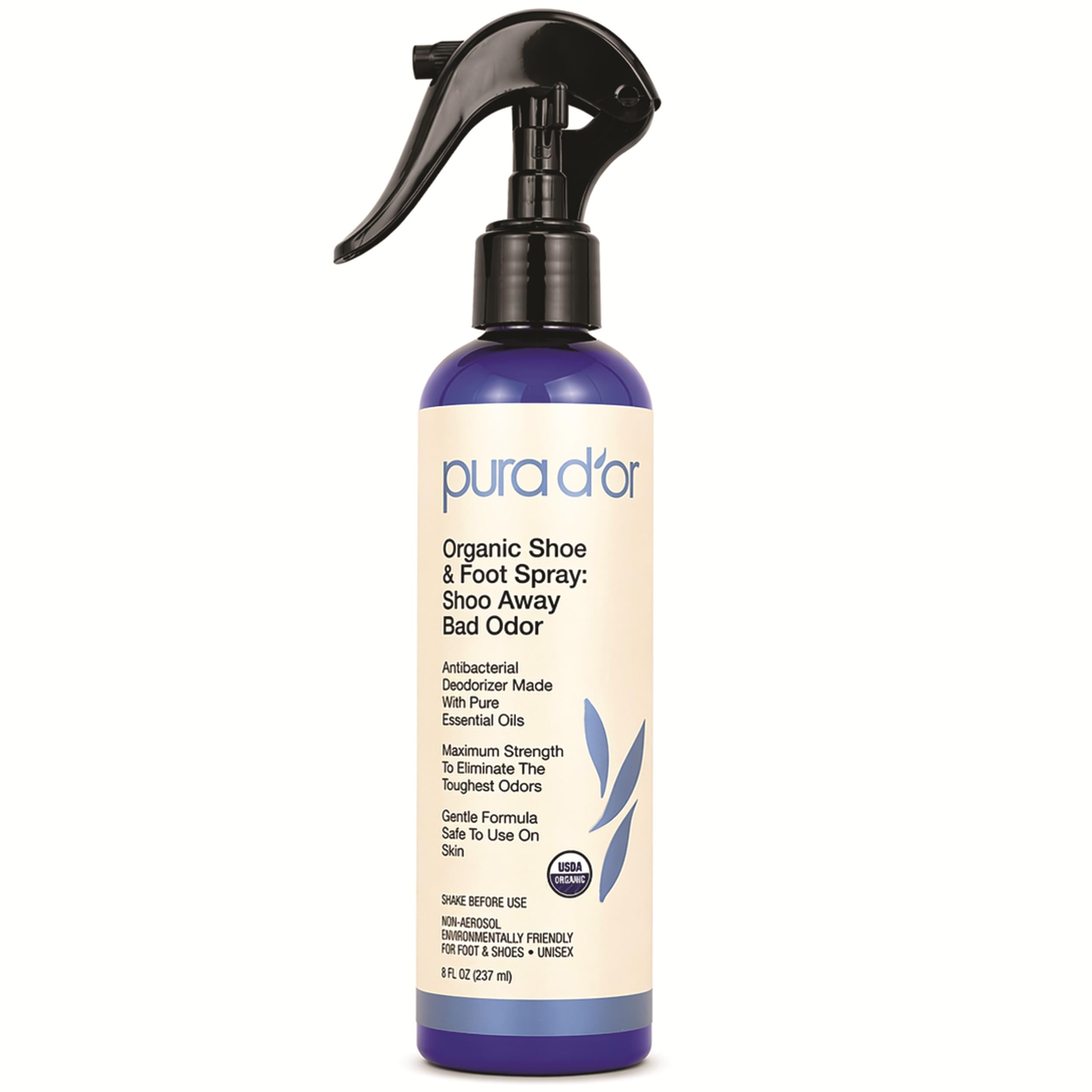
- Use antimicrobial sprays or enzyme cleaners to break down organic residue.
- Place activated charcoal or cedar shoe inserts to absorb moisture and odors daily.
- Rotate shoes: don’t wear the same pair two days in a row; give them 24–48 hours to dry.
Source: shoegr.com
Preventing odors: daily habits and foot care
Prevention is the easiest path to fresher shoes. Small daily habits make a big difference.
Daily routines
- Wear moisture-wicking socks made of wool blends or technical fibers and change them daily.
- Wash feet daily, dry between toes, and use foot powder or cornstarch to reduce dampness.
- Trim nails and manage calluses—dead skin fuels bacterial growth.
Lifestyle and foot health
- Use an antiperspirant on feet if you sweat heavily; clinical formulas help reduce sweat production.
- Treat athlete’s foot promptly with antifungal creams to stop odor from recurring.
- Rotate footwear and store shoes in a dry, ventilated area.

Source: amazon.com
Shoe-specific tips: athletic shoes, leather, boots, and sneakers
Different materials require different care. Tailor your approach based on shoe type.
Athletic shoes
- Clean insoles and laces regularly and let shoes air out after workouts.
- Consider breathable performance socks and use quick-dry sprays after intense use.
Leather shoes and dress shoes
- Avoid soaking leather; use leather cleaners and conditioners.
- Stuff with newspaper or cedar shoe trees to absorb moisture and preserve shape.
Boots and heavy footwear
- Dry boots with boot trees or newspapers after wet days.
- Use baking soda or charcoal sachets for long-term storage.
Sneakers and canvas
- Many canvas sneakers tolerate machine washing; always air-dry and replace insoles as needed.

Source: shaperegime.us
DIY recipes and safe commercial products
Many household items help, and some commercial products are worth the investment.
DIY options
- Baking soda sachet: fill a sock or cloth bag with baking soda, leave inside shoes overnight.
- Vinegar spray: mix equal parts water and white vinegar, mist lightly to reduce bacteria; test on a small area first.
- Tea-bag method: place unused dry tea bags inside shoes overnight to absorb odors and add a subtle scent.
Commercial products to consider
- Activated charcoal or carbon odor absorbers for ongoing freshness.
- Enzyme cleaners which break down organic matter causing scent.
- Antifungal powders and sprays for medical-grade control.
Safety and limitations
- Don’t use bleach on colored or leather shoes; it damages materials.
- Vinegar can discolor some fabrics—always patch test.
- Some odor masks only hide smells; aim for cleaners that neutralize or remove the source.
Source: kid-sounds.com
When to replace shoes or seek professional help
Sometimes shoes or foot conditions need more than cleaning.
Signs to replace shoes
- Insoles or linings are degraded and trap moisture even after cleaning.
- Persistent, deep odors after multiple cleanings and odor-control attempts.
- Structural wear that makes shoes unsuitable for repairs.
When to seek help
- If you suspect a fungal infection or persistent foot odor despite hygiene, see a podiatrist.
- Professional shoe repair can replace insoles, relining, or add antimicrobial treatments when worth saving.
Source: amazon.com
Frequently Asked Questions of how to eliminate bad shoe odor
How long does it take to remove strong shoe odor?
Most simple odor removals take 24–48 hours with airing and absorbers. Deep cleaning or repeated treatments may take several days to fully neutralize persistent smells.
Can I put all shoes in the washing machine to remove odor?
No. Canvas and many athletic shoes can be machine-washed on a gentle, cold cycle. Leather, suede, and some delicate fabrics should not be submerged and need spot cleaning or professional care.
Will baking soda permanently remove shoe odor?
Baking soda is effective at absorbing and neutralizing odors, but it does not kill all bacteria. Use it regularly and combine with cleaning for lasting results.
Does freezing shoes kill odor-causing bacteria?
Freezing can reduce some bacteria but won’t eliminate all microbes or remove oils that feed them. It’s a helpful step but not a guaranteed cure for strong odors.
How often should I replace insoles to prevent smell?
Replace foam or fabric insoles every 6–12 months for regular use; replace sooner for heavy use or if they smell even after cleaning.
Are odor-control sprays and powders safe for daily use?
Most over-the-counter sprays and powders are safe when used as directed. Check ingredients for allergies and avoid prolonged use of harsh chemicals on delicate materials.
Can foot antiperspirant stop shoe odor?
Yes. Foot antiperspirants reduce sweating, which lowers the moisture that bacteria need. Use as part of a broader hygiene routine for best results.
Is athlete’s foot causing my shoe odor?
Often yes. Fungal infections produce distinct smells and require antifungal treatment to stop odor and prevent spread to shoes.
(Each answer is concise and practical to guide immediate action.)
Conclusion
You can take control of how to eliminate bad shoe odor by combining quick fixes, routine cleaning, and smart prevention. Start with airing and drying, use absorbers like baking soda or charcoal, deep-clean when needed, and prioritize foot hygiene and shoe rotation. Small daily habits prevent most problems and save shoes. Try one change today—replace insoles, add a charcoal pouch, or air your shoes out—and notice the difference. If this guide helped, leave a comment with your toughest shoe odor problem or subscribe for more practical care tips.
Madison Clark is a footwear expert and the voice behind MyStyleGrid.com. She specializes in honest shoe reviews, style tips, and practical guides to help readers find the perfect pair for any occasion. With years of experience in blogging and content creation, Madison makes footwear knowledge simple, stylish, and easy to follow.