The best glasses balance your face shape, features, skin tone, lifestyle, and personal style without feeling forced.
If you are asking, “what glasses look best on my face,” start with face shape, then check frame size, bridge fit, color, and comfort. Face shape guides the search, but it does not set strict rules. The right pair should frame your eyes, support your nose, and make you feel like yourself. This guide will help you shop with more confidence and fewer costly mistakes.
How to Find the Best Glasses for Your Face
The first step is to study your face as a whole. Look at your forehead, cheekbones, jawline, and face length. You do not need a perfect label. Most people have a blend of shapes.
To get a simple guide, pull your hair back and take a straight photo in good light. Keep the camera at eye level. Trace the outer edge of your face on the image, or use a mirror and compare these features:
• Face length: Is your face longer than it is wide?
• Forehead and jaw: Are they similar in width, or is one much wider?
• Cheekbones: Are they the widest part of your face?
• Chin: Is it soft, rounded, narrow, or sharp?
Your face shape can suggest useful frame styles. Still, it is only a starting point. Frame width and fit often matter more than the label.
A good pair of glasses should meet these basic fit rules:
• The frame should be close to the width of your face.
• Your eyes should sit near the center of each lens.
• The frame should not press into your temples.
• Your eyebrows should remain visible, unless you prefer a larger fashion frame.
• Your cheeks should not push the frame upward when you smile.
• The bridge should stay in place without pinching your nose.
When people ask what glasses look best on my face, I often point out that a great shape can still look wrong if the frame is too wide or too small. Fit is the foundation. Style comes next.
Best Glasses for Each Face Shape
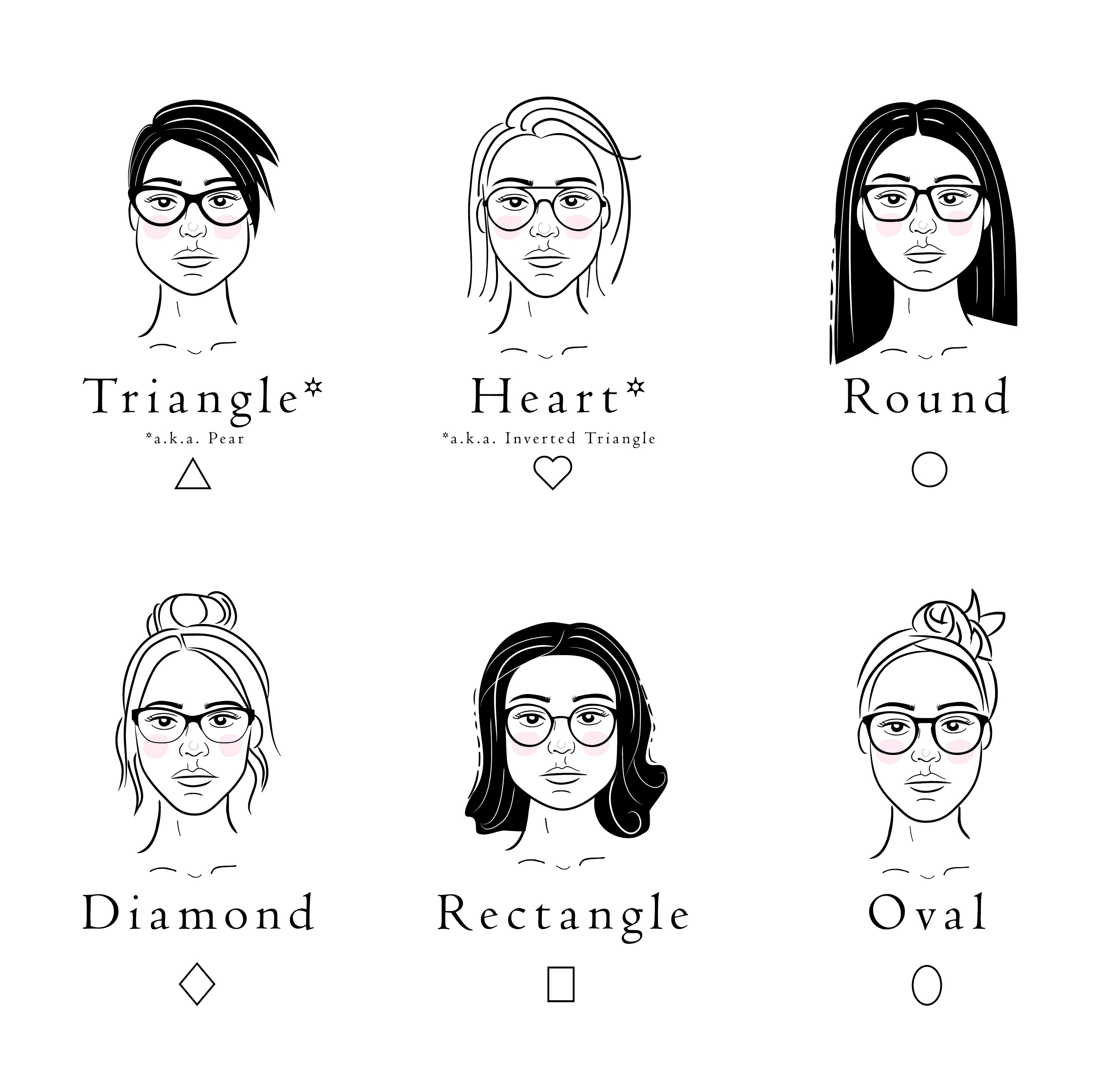
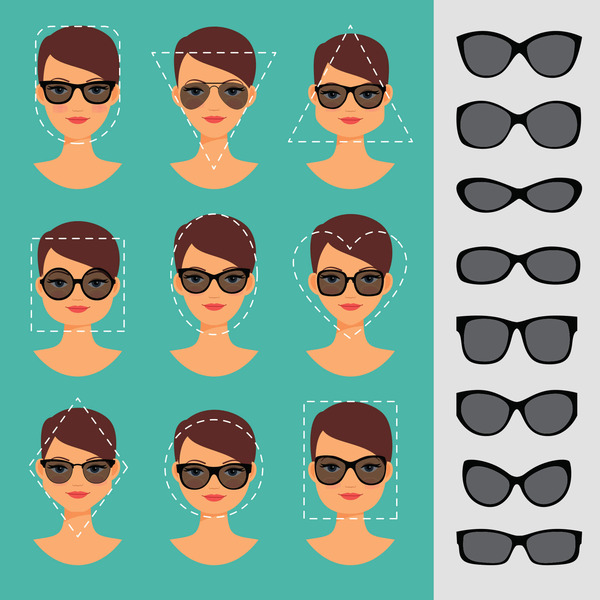
Face shape advice works best as a flexible guide. You can wear almost any style if the size, color, and fit suit you. These suggestions simply make the first search easier.
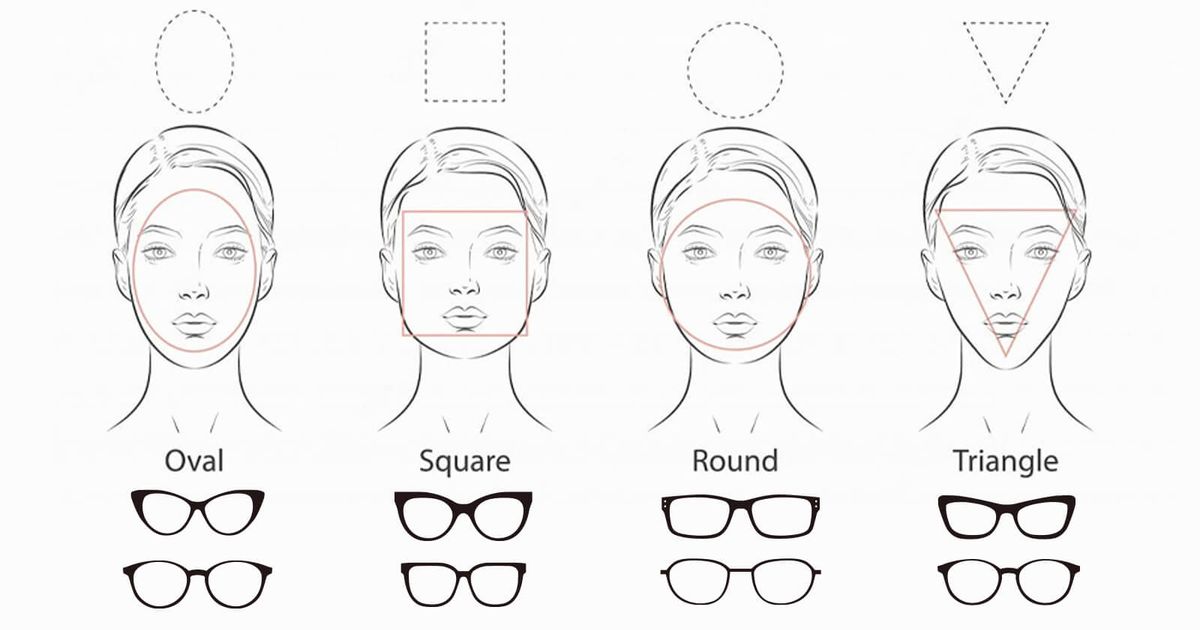
Round Face
A round face often has soft cheeks, a curved jaw, and similar width and length. Angular frames can add contrast and make the face look more defined.
Try:
• Rectangular frames
• Square frames
• Browline glasses
• Geometric frames
• Slightly upswept cat-eye styles
Avoid very small, narrow frames if they make the face look wider. Very round frames can also repeat the curve of the face, though they may work well if you want a soft, vintage look.
Square Face
A square face often has a broad forehead, strong cheekbones, and a defined jaw. The face may be close to equal in width and length.
Rounded frames can soften sharp lines. Good options include:
• Round glasses
• Oval frames
• Thin metal frames
• Soft cat-eye glasses
• Rimless or semi-rimless styles
You do not need to hide a strong jaw. Many people choose bold square glasses to echo their natural structure. The goal is balance, not disguise.
Oval Face
An oval face is often longer than it is wide, with a gently curved jaw and balanced proportions. This shape can suit many frame styles.
Consider:
• Wayfarer frames
• Round glasses
• Square glasses
• Aviators
• Cat-eye glasses
• Clear or colored frames
The main risk is choosing a frame that is too large or too small. Look for a width that matches the widest part of your face. This keeps the overall look balanced.
Heart-Shaped Face
A heart-shaped face often has a wider forehead, high cheekbones, and a narrower chin. The aim is usually to add visual weight near the lower half of the face.
Try:
• Rounded or oval frames
• Thin, light-colored frames
• Low-bridge styles
• Rimless glasses
• Bottom-heavy frames
• Gentle cat-eye frames
Very heavy top bars may make the forehead appear wider. However, a browline frame can still work if you like a stronger, more graphic style.
Diamond Face
A diamond face is often widest at the cheekbones, with a narrower forehead and jaw. This shape can look striking with frames that draw attention upward or soften the cheek area.
Try:
• Oval frames
• Cat-eye glasses
• Browline styles
• Rimless frames
• Curved rectangular frames
Avoid frames that end exactly at the widest point of your cheeks if they make that area look broader. A slightly wider or softer frame may create a smoother line.
Oblong or Long Face
An oblong face is longer than it is wide. The forehead, cheeks, and jaw may have similar widths.
Frames with more depth can help the face appear balanced. Consider:
• Tall rectangular frames
• Oversized glasses
• Round frames
• Bold browline styles
• Frames with a strong bridge
Very narrow lenses can make the face look longer. Choose enough lens height to create visual balance without letting the frame touch your cheeks.

What Glasses Look Best on My Face if I Have Mixed Features?
Many people do not fit one face shape. You might have a round jaw, high cheekbones, and a long face. You may also have features that change how a frame looks from one angle to another.
In that case, focus on the feature you want to balance:
• To add definition, try angular frames.
• To soften strong lines, try round or oval frames.
• To shorten a long face, choose deeper lenses.
• To balance a wide forehead, try lighter or lower-set frames.
• To draw attention to your eyes, choose a clear, colored, or bold upper rim.
Think of glasses as visual punctuation. Angular frames act like a strong period. Rounded frames feel more like a soft comma. Neither is better. Each creates a different mood.
When deciding what glasses look best on my face, I also recommend testing frames in photos. A mirror shows how you look in real time, but a photo helps you see the full effect. Take pictures from the front and side, then check how the frame changes your proportions.

How Frame Size Changes Your Look
Frame size can matter more than frame shape. A stylish pair may look awkward if it is too wide, too narrow, too tall, or too low.
Check these measurements if they appear on the inside of the frame arm:
• Lens width
• Bridge width
• Temple length
These numbers are usually shown in millimeters. For example, a frame marked 52-18-140 may have a 52-millimeter lens width, an 18-millimeter bridge, and 140-millimeter temples.
You do not need to match these numbers exactly. Use them as a starting point when ordering a replacement pair online. A difference of a few millimeters can change the fit.
Watch for these signs:
• Too wide: The temples flare outward, and the frame slides down.
• Too narrow: The frame pinches your head or leaves red marks.
• Too tall: The lenses touch your cheeks when you smile.
• Too small: Your eyes sit near the inner edges of the lenses.
• Poor bridge fit: The glasses slide, tilt, or leave pressure marks.
A licensed optician can adjust many frames at the bridge and temples. Plastic frames may also be warmed and reshaped by a professional. Do not try to bend expensive frames at home, since heat and pressure can cause damage.
Choosing Glasses for Your Skin Tone, Hair, and Eyes
Color can make the right shape look even better. It can also change the mood of your entire face.
Warm skin tones often suit:
• Honey
• Tortoiseshell
• Gold
• Bronze
• Olive
• Warm brown
Cool skin tones may suit:
• Silver
• Black
• Gray
• Blue
• Clear crystal
• Cool burgundy
Neutral skin tones can often wear both warm and cool colors. Still, personal contrast matters. Black frames may look bold on someone with light coloring, while soft brown or translucent frames may create a gentler effect.
Hair and eye color can also guide your choice:
• Dark hair can support strong black or deep-colored frames.
• Light hair may pair well with clear, champagne, tan, or soft pastel frames.
• Green or hazel eyes can stand out with brown, olive, or warm red frames.
• Blue eyes may pop with tortoiseshell, navy, gray, or amber frames.
These are not strict rules. Style is personal, and contrast can be fun. If you want one everyday pair, choose a color that works with most of your clothes.
The Best Glasses for Your Lifestyle
The answer to what glasses look best on my face should include how you live. Your best frame is not only attractive. It must also work during your normal day.
For work, consider:
• Lightweight acetate or metal frames
• Neutral colors
• Secure hinges
• A shape that does not block your eyebrows
For sports and active use, look for:
• Flexible materials
• Rubber nose pads
• Wraparound protection when appropriate
• Impact-resistant lenses recommended by your eye-care professional
For frequent screen use, focus on proper prescription, fit, and regular breaks. Blue-light filtering lenses are not a cure for digital eye strain. Research has not shown strong evidence that blue-light glasses prevent eye damage or reliably reduce eye strain. Glare control, good lighting, correct prescription, and the 20-20-20 habit may be more useful.
For daily wear, comfort should guide your final choice. If you forget the frame is on your face after an hour, that is a strong sign of success.

Prescription Lens Features to Consider
Frame style is only one part of the decision. Lens design affects comfort, vision, weight, and appearance.
Ask your eye-care provider about:
• High-index lenses: These may reduce thickness for stronger prescriptions.
• Anti-reflective coating: This can reduce reflections and improve lens clarity.
• Scratch-resistant coating: This may help protect lenses, but no lens is fully scratch-proof.
• Photochromic lenses: These darken in many outdoor conditions and become clear indoors.
• Polarized lenses: These reduce glare from roads, water, and other flat surfaces.
• Polycarbonate lenses: These are light and impact-resistant, and they are often used for children and active wear.
Your prescription and daily needs should shape the lens choice. For example, a large frame may make strong prescription lenses thicker or heavier. An optician can recommend a frame size that works well with your prescription.
People with certain eye conditions or changing vision should follow advice from an optometrist or ophthalmologist. Glasses can improve vision, but they do not replace an eye exam.

Common Mistakes to Avoid When Buying Glasses
Many disappointing purchases come from small problems that are easy to prevent.
Avoid these mistakes:
• Choosing a frame only because it looks good online
• Ignoring how the bridge fits your nose
• Buying a frame that is too wide
• Forgetting to check your current frame measurements
• Judging color under poor store lighting
• Wearing a frame that blocks your lashes or touches your cheeks
• Selecting a heavy frame for all-day use
• Assuming expensive glasses will automatically fit better
One lesson that comes up again and again in frame fittings is that people often choose the pair they admire on the shelf, not the pair that suits their face. Try at least three different shapes. Take a photo, smile, look down, and turn your head. A frame should remain comfortable during movement, not just during a quick mirror check.
If you shop online, check the retailer’s return and adjustment policy. Virtual try-on tools can help, but they may not show the true bridge fit or frame depth. Use them as a filter, not as the final decision.
How to Try on Glasses the Right Way
Use this simple process when comparing frames:
-
Start with a frame close to the width of your face.
-
Check that your eyes sit near the center of the lenses.
-
Smile and make sure the frame does not rise onto your cheeks.
-
Look down to see whether the glasses slide.
-
Turn your head and check for pressure at the temples.
-
Compare the frame with your natural hair and skin tone.
-
Take front-facing and side-view photos.
-
Wear the frame for several minutes before deciding.
The best answer to what glasses look best on my face usually appears after several small checks. Give yourself time. Your face is not a mannequin, and glasses need to work while you talk, laugh, read, walk, and work.
Frequently Asked Questions About What Glasses Look Best on My Face
How do I know which glasses suit my face shape?
Compare your forehead, cheekbones, jaw, and face length, then choose a frame that creates balance or contrast. Use face shape as a guide, but give equal attention to frame size, bridge fit, and comfort.
What glasses look best on a round face?
Angular frames, such as square or rectangular styles, can add definition to a round face. Cat-eye and browline frames can also work well, especially when they fit close to the face without pinching.
What glasses look best on an oval face?
Oval faces can suit many shapes, including round, square, aviator, and cat-eye frames. The most important point is choosing a width that matches the widest part of your face.
Should glasses cover my eyebrows?
Usually, your eyebrows should remain visible, but this is not a strict rule. Larger fashion frames may cover part of the brows, while browline frames are designed to draw attention to them.
How should glasses fit on my nose?
The bridge should rest securely without painful pressure or constant sliding. Your glasses should stay level, and the nose pads should not leave deep marks after short wear.
Are clear frames good for every face shape?
Clear frames can work with nearly any face shape because they create less visual contrast. Their success depends on the frame size, lens depth, and whether the shape balances your features.
Can I wear glasses that do not match my face shape?
Yes. Face shape rules are suggestions, not laws. If you like a frame and it fits well, wear it; confidence can make an unusual style look natural.
Conclusion
The answer to what glasses look best on my face starts with your face shape, but it does not end there. The right pair should match your proportions, sit comfortably, suit your lifestyle, and express your personal style.
Try different shapes, check the fit from several angles, and use photos to compare frames honestly. If you need help, ask a licensed optician to review the bridge, width, lens choice, and prescription. Take your time, choose the pair that feels natural, and share your favorite frame style or fitting tip in the comments.

Rubel Miah is the Senior Editor at MyStyleGrid.com, where he brings a sharp editorial eye and an unshakable love for fashion to everything he does. A true style addict, Rubel lives and breathes trends, from streetwear to high fashion, and has a knack for turning inspiration into impactful stories. With years of experience in fashion journalism and digital media, he curates content that empowers readers to express themselves through style. When he’s not editing features or forecasting the next big thing, you’ll find him hunting down vintage pieces or capturing street style moments around the city.