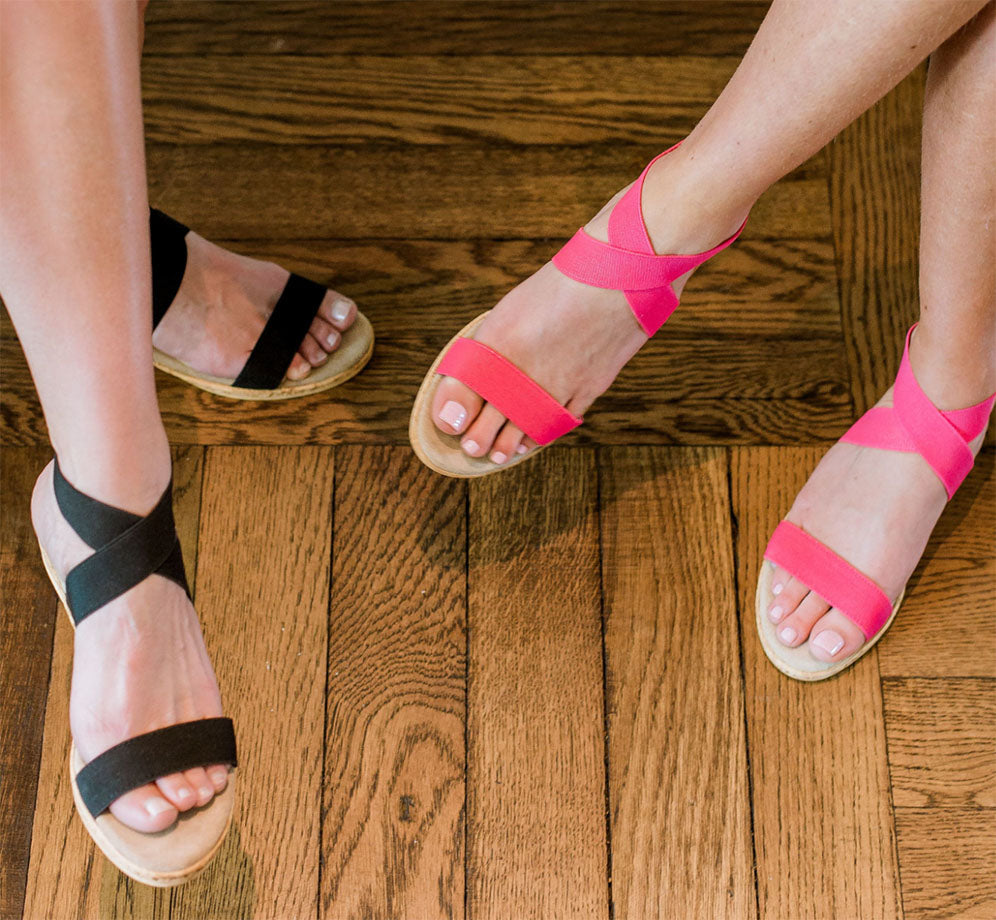
Sandals should fit snug at the heel, allow light toe room, and have secure but comfortable straps.
I’ve fitted hundreds of pairs of sandals in stores and tried dozens myself, so I know what good fit feels like. This article explains exactly how are sandals supposed to fit, step by step. You’ll learn how to measure, what to check by style, how to avoid common problems, and quick fixes you can use at home. Read on to feel confident about choosing sandals that protect your feet and feel great all day.
Why proper sandal fit matters
A sandal that fits poorly can cause blisters, long-term pain, and balance issues. Good fit protects your toes, cushions your arch, and keeps the foot stable on the sole. Fit also affects gait and posture, so choosing right can prevent foot and knee problems down the road.

How are sandals supposed to fit: the essentials
A few clear checks tell you if a sandal fits right. Use these simple cues every time you try a pair.
- Toe room: Leave about a thumbnail’s width of space between your longest toe and the end of the sole. This prevents toe jamming when you walk.
- Heel fit: The heel should sit comfortably in the cup and not slip more than a quarter-inch when you walk. Too much slip causes blisters and instability.
- Width: The foot should not spill over the sides. If your foot bulges, the sandal is too narrow.
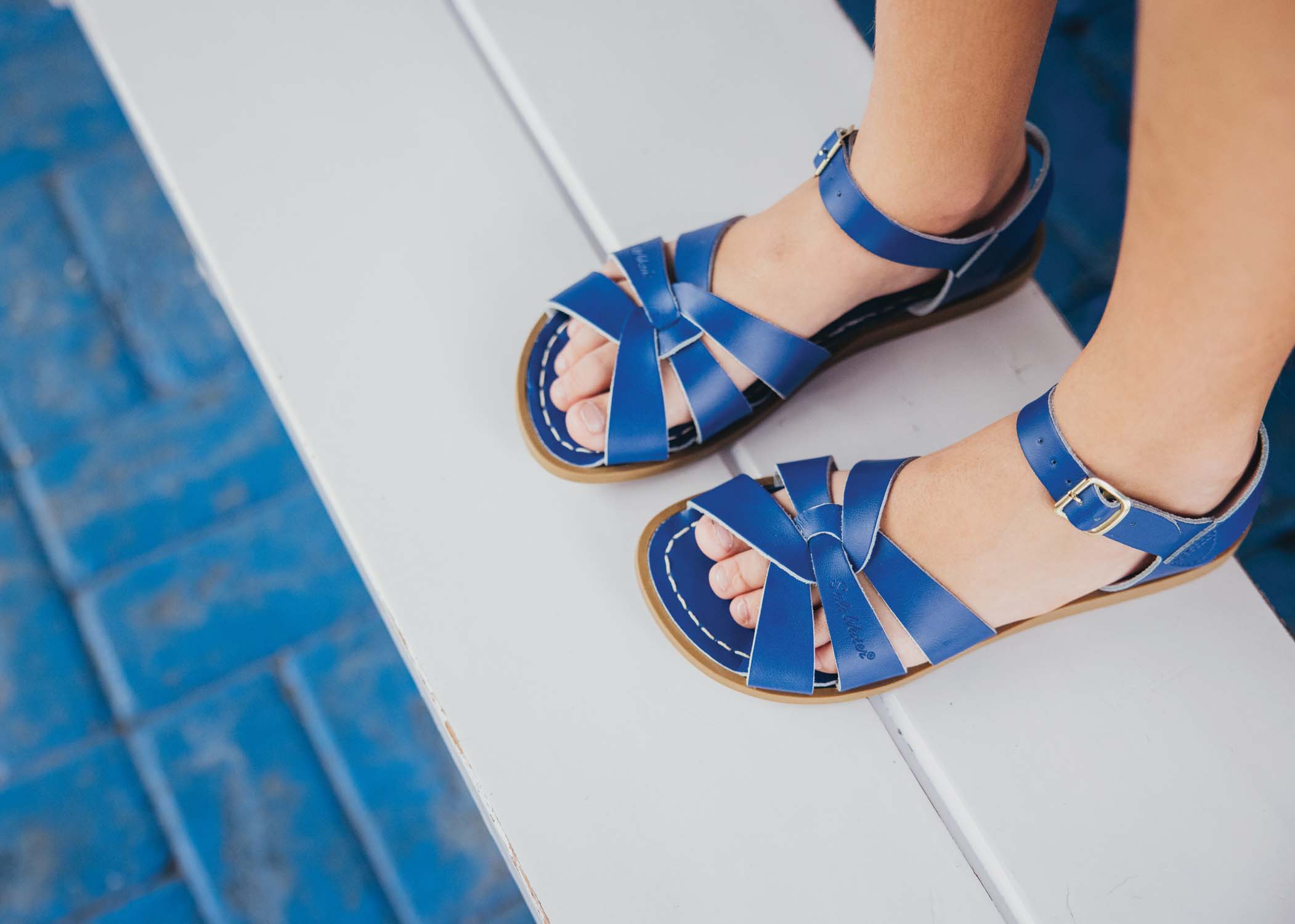
- Strap fit: Straps should hold the foot firmly without digging in. You should be able to wiggle toes and flex the forefoot.
- Arch support and sole length: The arch should line up with the sandal’s support. The sole should be long enough for stability but not so long that it interferes with walking.
These basics answer the core of how are sandals supposed to fit and make try-on fast and reliable.

Measure your foot and choose the right size
Sizing varies by brand and style. Measure before you buy to reduce guesswork.
- Measure both feet at the end of the day while standing, because feet swell with use.
- Trace your foot on paper, measure the longest and widest points, and compare to the brand’s size chart.
- If one foot is larger, size for the larger foot. You can adjust the other side with an insert or heel pad.
- For half sizes, consider moving up if the sandal has minimal straps or thin soles. For adjustable straps, a snug size may work since you can loosen them.
Measuring helps answer how are sandals supposed to fit across different makers and saves returns when shopping online.

Fit differences by sandal type
Different sandals fit differently. Know what to expect for each style.
- Flip-flops: Provide little support. Choose a pair that fits your foot length and has a defined toe post that doesn’t rub. Expect minimal arch support.
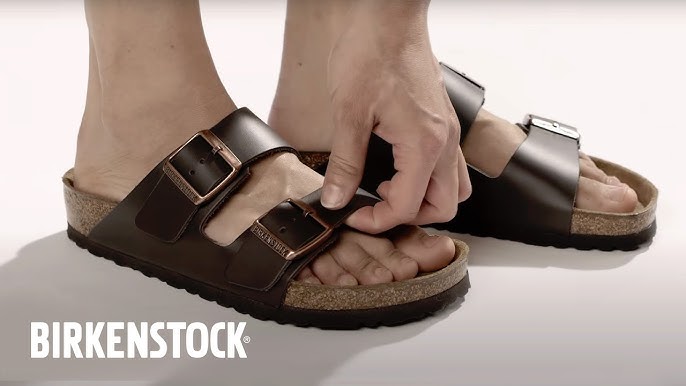
- Slides: Fit across the forefoot. The strap should hold the foot when walking, not just when standing.
- Strappy sandals: Offer adjustable fit. Strap placement matters—cross straps over the arch should not pinch.
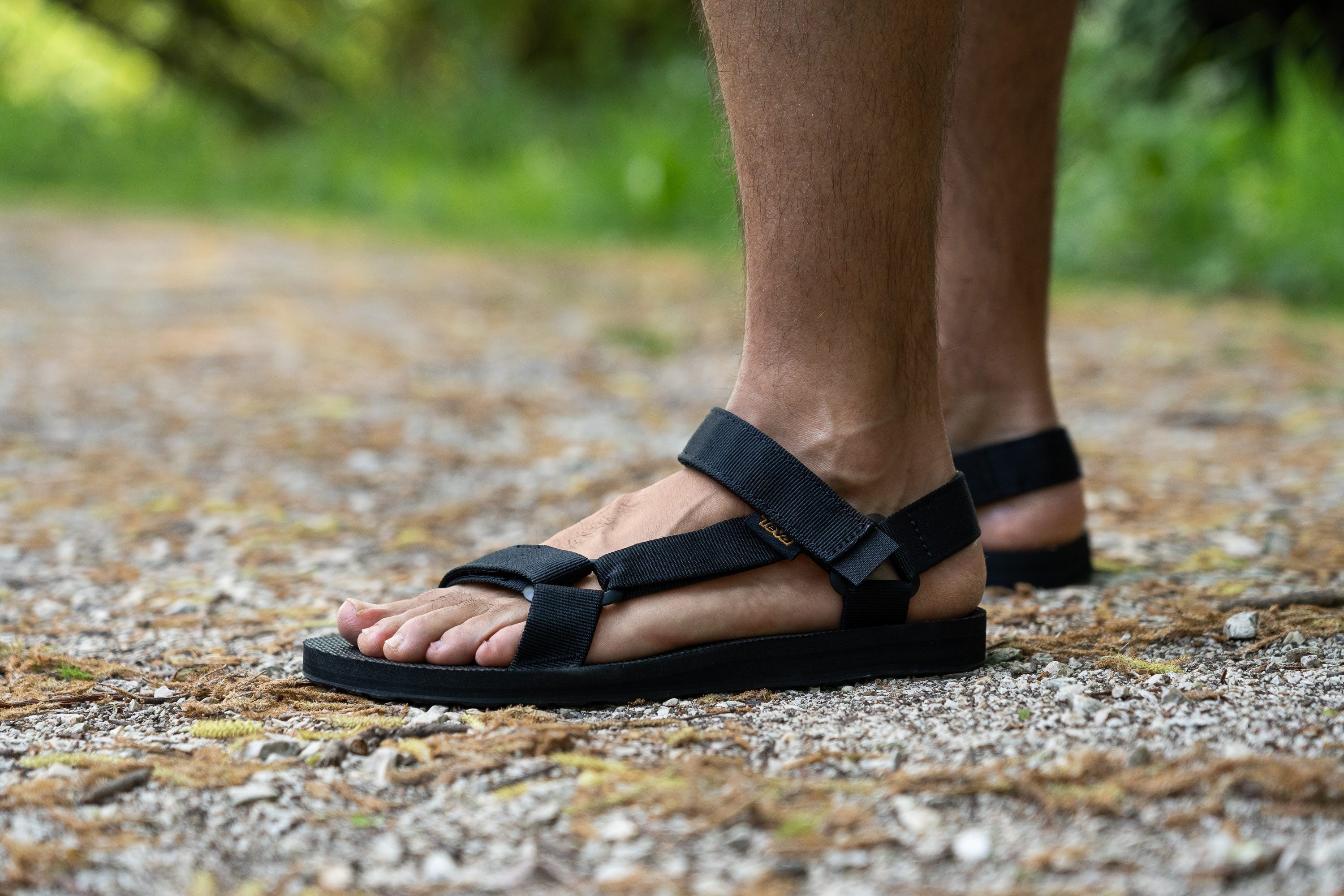
- Sport sandals: Built for stability and adjustability. They should lock the heel and forefoot with little slip.
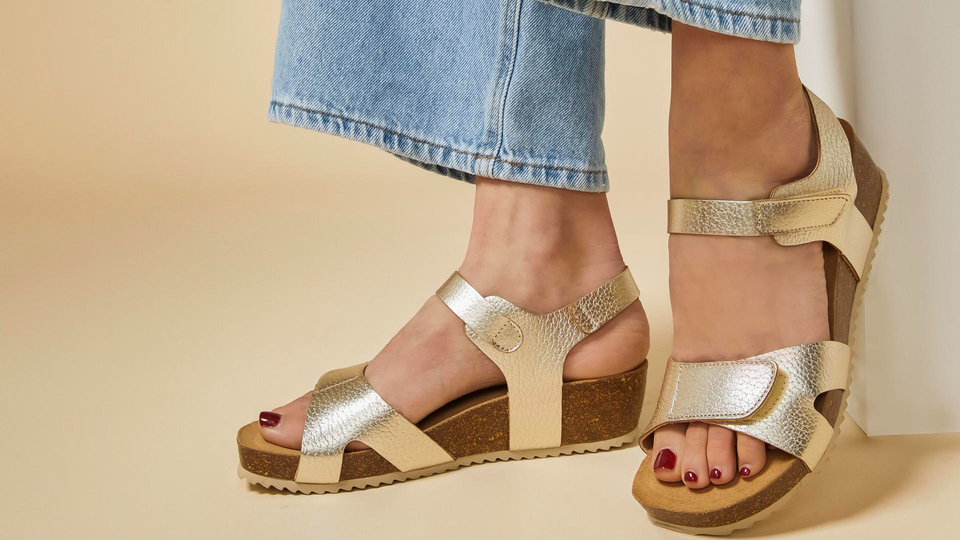
- Heeled or wedge sandals: Your foot should sit back in the heel cup and not slide forward. Check toe clearance to avoid crowding.
Knowing style differences helps you answer how are sandals supposed to fit for each occasion.
Common fit problems and quick fixes
Problems are common. Many have easy fixes.
- Blisters at straps: Add a small moleskin pad or use anti-friction balm on the strap contact area. Break them in slowly.
- Heel slip: Try heel grips or thicker socks at home to test fit, or tighten straps if possible. If slip persists, go half a size down.
- Too tight across the forefoot: Stretch leather sandals gently with a shoe stretcher or wear with thick socks at home to expand them.
- Toe overhang: Choose a larger size or a different sole shape. Toe overhang can lead to stubbed toes.
- Arch pain: Use a thin orthotic insert or choose sandals with built-in arch support designed for your arch type.
Are sandals supposed to be snug? Yes. They should feel secure without pressure.
How much toe room should you have? About a thumbnail’s width of space in front of your longest toe.
How to try sandals in store and shop online with confidence
Smart try-on steps reduce mistakes and returns.
- In store, walk at least 30 steps on flat and slightly uneven floor surfaces to test movement and slip. Check straps while walking.
- Bring the socks or orthotics you plan to wear with the sandals. These change fit.
- Online, read reviews that mention sizing, arch support, and heel slip. Look for photos showing real feet if possible.
- Buy from retailers with free returns or try buy-now-try-later programs. When in doubt, order two sizes and return the wrong one.
These steps answer practical aspects of how are sandals supposed to fit when you can’t try them first.
Breaking in and caring for fit
A small break-in can make a big comfort difference.
- New leather may soften after several wears. Wear them in short sessions at first to prevent blisters.
- Use leather conditioner or a heat-and-mold process only if the manufacturer permits it. Some footbeds are heat-moldable for a custom fit.
- Replace worn footbeds, heel grips, or sole pads to restore fit. Regular cleaning keeps materials flexible and prevents shrinkage or stiffness.
My own experience: I once bought a sport sandal that pinched at first. I wore them short walks for a week, added a heel pad, and now they are my go-to travel shoes. The fit improved without pain. That taught me patience and the value of small adjustments.
Frequently Asked Questions of how are sandals supposed to fit
How much toe room is ideal in sandals?
Aim for about a thumbnail’s width of space between your longest toe and the end of the sole. This prevents jamming and allows natural toe spread when you walk.
Are sandals supposed to feel snug or loose?
Sandals should feel snug and secure but not tight. A little adjustability is ideal so you can loosen or tighten for comfort.
Can sandals be stretched if they are too tight?
Yes, many leather sandals can be gently stretched using a shoe stretcher or by wearing them with thick socks. Synthetic materials are harder to stretch and may require a different size.
Should the heel slip in sandals when walking?
A small amount of slip (under a quarter-inch) can be acceptable, but more slip increases blister risk and reduces stability. Use heel grips or try a different size for better hold.
How do I choose sandals for arch support?
Look for a contoured footbed or orthotic-friendly sandals. Test by feeling whether the sandal’s arch lines up with your foot’s arch while standing.
Conclusion
Good sandals fit with a secure heel, light toe room, correct width, and comfortable straps. Measure your feet, test movement, and choose a style that matches your arch needs and activity. Start with these steps, try on with real movement, and adjust with simple fixes when needed. Try one tip today: measure your feet at the end of the day and compare to the brand chart before you buy. If this guide helped, leave a comment with your sandal fit questions or subscribe to get more practical shoe advice.

Rubel Miah is the Senior Editor at MyStyleGrid.com, where he brings a sharp editorial eye and an unshakable love for fashion to everything he does. A true style addict, Rubel lives and breathes trends, from streetwear to high fashion, and has a knack for turning inspiration into impactful stories. With years of experience in fashion journalism and digital media, he curates content that empowers readers to express themselves through style. When he’s not editing features or forecasting the next big thing, you’ll find him hunting down vintage pieces or capturing street style moments around the city.