Use a soft brush, mild soap or vinegar solution, dry fully, then condition the leather.
I’ve spent years restoring shoes and fabrics for friends and clients. I know how to remove mold from leather shoes without ruining the material. This guide walks you through safe, step-by-step methods, prevention tips, and when to seek a pro. Read on to save your favorite pairs and keep them mold-free.

Why mold grows on leather shoes and what it looks like
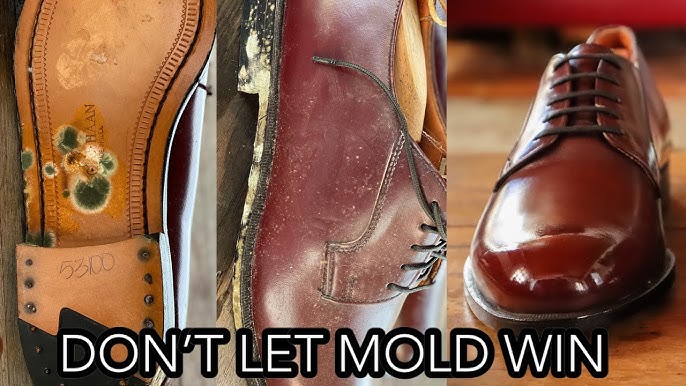
Leather is porous. It absorbs moisture, sweat, and oils. That makes it a good home for mold spores. Mold on leather shoes looks like powdery white, green, or black spots. It can smell musty and may darken or stain the leather.
Mold grows when shoes are stored damp, in poor circulation, or in humid spaces. Heat and darkness speed growth. Understand the cause to remove mold effectively and prevent a return.

Safety first: what you need before you start
Wear gloves and a simple mask. Mold spores can irritate lungs and skin. Work in a well-ventilated area or outside. Gather these items:
- Soft brush or suede brush for gentle scrubbing.
- Microfiber cloths for wiping.
- Mild soap like saddle soap or a pH-neutral leather cleaner.
- White vinegar or 70% isopropyl alcohol for disinfecting.
- Leather conditioner or cream to restore oils.
- Baking soda or silica packets for drying and odor control.
Avoid bleach and harsh cleaners. They strip leather and can cause permanent damage.

Step-by-step: how to remove mold from leather shoes safely
Follow this plan for the best results. Test any cleaner on a hidden area first to check colorfastness.
-
Prepare and brush off loose mold
-
Take shoes outside to reduce indoor spores.
-
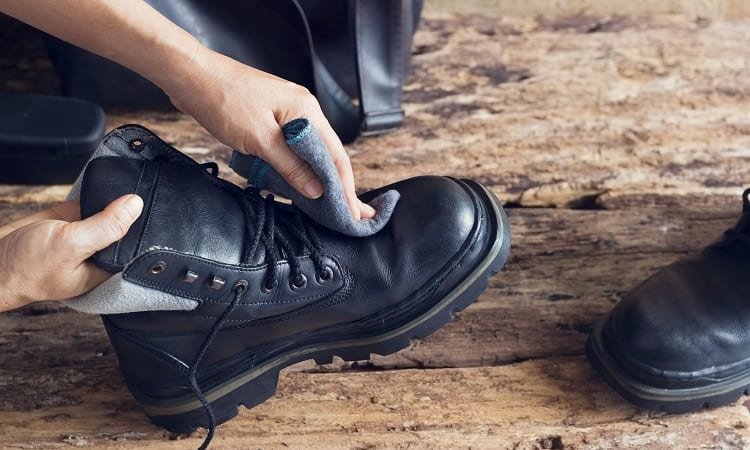
Use a soft brush to remove surface mold. Brush gently to avoid scratching.
-
Knock off debris into outdoor trash. Do not inhale spores.
-
Clean with mild soap or leather cleaner
-
Mix a small amount of saddle soap or pH-neutral cleaner with water.
-
Dampen a microfiber cloth and wipe the leather in short strokes.
-
Rinse the cloth and repeat until mold marks fade.
-
Disinfect with vinegar or alcohol
-
Mix one part white vinegar with one part water, or use 70% isopropyl alcohol diluted 1:1.
-
Lightly dampen a cloth and wipe the leather surface once. Do not soak the leather.
-
Vinegar kills most mold spores and is safe for many leathers. Alcohol works well on stubborn areas.
-
Dry properly
-
Air dry shoes at room temperature. Do not use direct heat or sunlight.
-
Stuff shoes with paper to keep shape and to absorb moisture.
-
Change the paper if it becomes damp.
-
Condition the leather
-
When fully dry, apply a leather conditioner or cream to restore oils.
-
Buff gently with a dry cloth.
-
Conditioning prevents cracks and keeps leather supple.
Repeat cleaning and conditioning if mold stains persist. Persistent dark stains may be permanent and might require professional treatment.

Alternative methods and what to avoid
Some cleaners can harm leather. Use caution.
Safe alternatives:
- 70% isopropyl alcohol diluted 1:1 to disinfect small patches.
- Leather-specific mold removers designed to clean and protect.
- Dry-cleaning or professional leather care for vintage or expensive items.
Avoid these:
- Household bleach or strong detergents that strip dyes and oils.
- Direct heat like hair dryers or radiators that warp leather.
- Over-wetting suede or nubuck; they need special care.
Caring for different leather types
Different leathers react differently. Treat each type with care.
Smooth leather
- Clean with mild soap and condition after drying.
- Vinegar solution is usually safe for disinfecting.
Suede and nubuck
- Use a suede brush and a suede eraser for surface mold.
- Avoid wet cleaning where possible. Consider a professional for heavy mold.
Patent leather and coated leathers
- Wipe with mild soap and water.
- Conditioners for patent leather are optional; check product directions.
Exotic leathers
- Seek a specialist. These leathers are thin and sensitive to moisture and chemicals.
Drying, deodorizing, and restoring smell
Mold smells are as important to remove as the visible mold.
Steps to remove odor:
- Air shoes outside in shade for several hours.
- Use baking soda inside the shoes overnight to absorb odors.
- Try activated charcoal or silica packets in storage to control moisture.
After odor removal, recondition leather to bring back natural scent and suppleness.

Prevention: how to stop mold from returning
Preventing mold is easier than removing it. Take these habits:
- Store shoes in a cool, dry area with good airflow.
- Use silica packets or moisture absorbers in shoe boxes.
- Rotate shoes; avoid wearing the same pair daily.
- Dry shoes completely after rain or wet conditions.
- Clean and lightly condition shoes monthly if you live in humid climates.
A little routine care prevents big problems later.

When to seek professional help
If mold has deeply stained or softened the leather, consult a professional cleaner. High-value or antique shoes should go to a specialist. Professionals use controlled methods that can save fragile items.
If you have a severe mold infestation in your home, address the underlying humidity or structural issue with an expert. Cleaning shoes alone won't help if the room keeps producing spores.
Personal experience, tips, and mistakes to avoid
I once restored a pair of vintage leather boots for a client. I brushed, used a vinegar wipe, dried slowly, and applied conditioner. The boots came back to life. Key lessons I learned:
- Test cleaners on a hidden seam first.
- Never soak leather to remove mold.
- Patience with drying prevents warping.
A mistake I made early on was using bleach diluted in water. It faded the dye and left permanent marks. Learn from that and stick to gentle options.
Short PAA-style answers (quick reads)
These short answers match common search intent for how to remove mold from leather shoes.
- Can I use bleach on leather? No. Bleach damages leather and removes dye.
- Will vinegar ruin leather? Vinegar is safe diluted and used sparingly, but test first.
- How long to dry leather shoes? Dry for at least 24 hours at room temperature, longer in humid weather.
Frequently Asked Questions of how to remove mold from leather shoes
How soon should I clean mold after spotting it?
Clean mold as soon as you notice it. Early action prevents deeper staining and spread to other shoes.
Can I save leather shoes with black mold spots?
You can often remove black mold with careful cleaning and disinfecting. Deep black stains may be permanent and need professional attention.
Is it safe to wear shoes after cleaning mold?
Yes, once shoes are fully cleaned, disinfected, and dried, they are safe to wear. Make sure odors and dampness are gone first.
How often should I condition leather to prevent mold?
Condition leather every 2–3 months if you wear shoes regularly, or monthly in humid climates, to maintain oil balance and prevent cracking.
Can mold spread from shoes to other items?
Yes. Mold spores spread through air and contact. Clean moldy shoes outdoors and store clean ones separately until fully treated.
Conclusion
You can remove mold from leather shoes with simple tools, patient cleaning, and proper drying. Start by brushing off spores, clean with a mild leather cleaner, disinfect gently with vinegar or alcohol, dry slowly, and finish with a conditioner. Prevent mold by storing shoes dry, rotating wear, and using moisture absorbers.
Take action now: inspect your shoes, clean any spots, and set up a simple storage routine. If you found this helpful, leave a comment with your shoe type or subscribe for more shoe care tips.
Madison Clark is a footwear expert and the voice behind MyStyleGrid.com. She specializes in honest shoe reviews, style tips, and practical guides to help readers find the perfect pair for any occasion. With years of experience in blogging and content creation, Madison makes footwear knowledge simple, stylish, and easy to follow.