Top picks: ASICS Gel-Venture 11 and NOVABLAST 5 — ideal for 5K and 10K women.
You know the feeling: race day is coming and your legs are ready, but your shoes aren’t. Finding the right shoe for a fast 5K or steady 10K matters. The right pair reduces fatigue, prevents blisters, and helps you hold form from start to finish. I’ve tested shoes on roads, tracks, and tempo runs to help you pick the best running shoes for 5k and 10k women's goals.

Karhu Women’s Fusion 4.0 Running…
ENHANCED COMFORT & BREATHABILITY: The Karhu Fusion 4.0 features an upgraded IdealKnit mesh upper in a stylish brindle pattern, enhancing breathability and keeping your feet cool and comfortable. Paired with…

On Women’s Cloudrunner 2 Sneakers,…
Rubber sole Cushioned collar and removable insole, Reflective accents, Lightweight and breathable design , Designed for running Round toe

Swift Running Celer Women’s Lightweight…
SWIFT CARBON PLATE RUNNING SHOES STABILITY & ENERGY RETURN — Advanced carbon plate enhances stability and delivers responsive energy return, helping you run more efficiently with each stride. Durable construction…
Karhu Fusion 4.0
The Karhu Fusion 4.0 blends classic stability with modern foam. I ran easy miles and tempo workouts in it and found its midfoot lock reassuring. The shoe is slightly heavier than pure racers, but it gives consistent underfoot stability for a 5K push or a steady 10K effort.
The upper hugs the foot without hot spots. Cushioning feels firm but responsive on short, faster sessions and longer runs up to ten kilometers. Durability is solid; expect many training miles if you use these for regular tempo work.
Pros:
- Stable ride for consistent pacing
- Secure midfoot fit—good for fast turnover
- Durable outsole for road miles
- Balanced cushioning for both 5K and 10K
- Clean, minimal aesthetic that pairs with run gear
Cons:
- Slightly heavier than dedicated race flats
- Not as springy for full-on tempo races
- Limited colorways for some sizes
My Recommendation
I recommend the Karhu Fusion 4.0 if you want a stable, comfortable shoe for faster training and race day prep. It fits runners who prioritize a locked-in feel and consistent stride over ultralight weight. The Fusion 4.0 is one of the best running shoes for 5k and 10k women’s tempo and steady-pace needs.
| Best for | Why |
|---|---|
| Tempo runs | Secure midfoot and firm foam |
| Daily speed work | Durable outsole and stable ride |
| Runners needing support | Balanced structure without bulk |
On Cloudrunner 2

The On Cloudrunner 2 brings a plush feel to medium-distance running. I appreciated its cloud-like pods that cushion impact while keeping weight in check. This shoe is roomy in the toe box and breathable, so long race warm-ups stayed blister-free.
On’s signature cushioning smooths out rough pavement without deadening your stride. The Cloudrunner 2 works well for recovery runs and tempo training. It’s a solid choice when you want comfort during a 5K warm-up or a confident 10K tune-up.
Pros:
- Padded comfort for recovery and long warm-ups
- Breathable upper that reduces hot spots
- Good shock absorption for road running
- Stable heel counter for secure stride
- Roomy toe box helps prevent toe squeeze
Cons:
- Less energetic for all-out speed sessions
- May feel bulky for lightweight racers
- Price is higher than entry-level trainers
My Recommendation
I recommend the On Cloudrunner 2 for runners seeking plush cushioning and a forgiving ride. It’s a great match for those who want comfort during fast workouts and longer warm-ups. For best running shoes for 5k and 10k women’s pre-race miles, this offers dependable cushioning with stability.
| Best for | Why |
|---|---|
| Recovery days | Soft cushioning and comfort |
| Warm-ups | Plush support without weight penalty |
| Runners with sensitive feet | Roomy toe box and breathable mesh |
Swift Celer Lightweight

The Swift Running Celer is a lightweight shoe built for easy speed. I used it for daily runs and short races. It responds well to quick cadence changes and feels lively on concrete.
The upper is breathable and flexible, letting toes splay naturally. Cushion is moderate with a springy feel that suits 5K efforts and tempo runs. If you want a light trainer for regular sessions, this is a strong contender.
Pros:
- Very lightweight for faster turnover
- Snug fit that supports quick cadence
- Affordable price for the features
- Good breathability for warm-weather runs
- Versatile for walks and short races
Cons:
- Less cushion for long recovery runs
- Durability may lag behind premium trainers
- Limited arch support for high arches
My Recommendation
I recommend Swift Celer for runners who favor lighter shoes for speedwork and shorter races. It’s ideal for fast 5K sessions and pick-ups during 10K training. The Swift Celer is among the best running shoes for 5k and 10k women’s athletes who want responsive yet budget-friendly options.
| Best for | Why |
|---|---|
| Speed sessions | Lightweight and responsive |
| Budget-conscious runners | Good value for features |
| Warm-weather runs | Breathable upper |
ASICS Gel-Venture 11

The ASICS Gel-Venture 11 is a durable runner with classic cushioning. I often recommend it for mixed-surface runs and shorter races when trail-like grip or extra protection helps. It’s reliable and built to last across many miles.
Cushioning leans toward firm but gives enough protection for varied road and light trail runs. Breathability is average; fit is true to size. If you like a simple, dependable shoe for regular training and weekend races, this one fits well.
Pros:
- Durable outsole for varied surfaces
- Affordable and widely available
- Firm cushioning that protects feet
- Good stability for uneven roads
- Proven ASICS reliability and fit
Cons:
- Not as plush as performance trainers
- Upper can feel stiff until broken in
- Limited energetic rebound for racing
My Recommendation
I recommend ASICS Gel-Venture 11 for runners who want a tough, no-nonsense shoe for training and short races. It stands out as one of the best running shoes for 5k and 10k women’s training when durability and traction matter. Expect long service life and consistent performance.
| Best for | Why |
|---|---|
| Mixed-surface runs | Traction-ready outsole |
| Budget buyers | Affordable with solid build |
| New runners | Stable, forgiving fit |
Mishansha Air Cushion

The Mishansha Air Cushion shoe emphasizes comfort and value. I used these for daily walks and easy runs; the visible air cushion gives a soft landing on pavement. They are roomy and forgiving, great for recovery days or casual races.
Fit tends to be generous, so order your normal size or a half down if you prefer a snug fit. The design leans casual, so they double as an everyday sneaker. For light runners focusing on comfort, they perform well.
Pros:
- Visible air cushion for a softer ride
- Comfortable and roomy fit
- Versatile for everyday use and easy runs
- Budget-friendly option
- Good shock absorption for pavement
Cons:
- Not built for intense speedwork
- Less arch support for high-arched runners
- Materials can look less refined than premium brands
My Recommendation
I recommend Mishansha Air Cushion for runners who prioritize comfort and budget. These are among the best running shoes for 5k and 10k women’s recovery runs and casual race days. They’re comfortable, easy to wear, and friendly on the wallet.
| Best for | Why |
|---|---|
| Recovery runs | Soft air cushion eases impact |
| Everyday wear | Casual look and comfort |
| New runners | Roomy, forgiving fit |
ASICS Novablast 5

The ASICS Novablast 5 is designed for springy, buoyant running. I tested these on longer tempo runs and felt the lively midsole propel each stride. The foam is energetic and forgiving, making them great for faster 10K sessions.
The Novablast 5 has a roomy forefoot and a bouncy profile that encourages a quick cadence. It holds up well over varied paces and remains comfortable for shorter races and long training runs alike. If you want pop and comfort, this is a top pick.
Pros:
- Highly responsive, bouncy midsole
- Great for tempo and race day
- Roomy forefoot for comfort at speed
- Durable build for regular training
- Comfortable for long warm-ups and cooldowns
Cons:
- May feel too soft for runners who prefer a firm ride
- Some find the heel geometry takes getting used to
- Higher price point than budget trainers
My Recommendation
I recommend the ASICS Novablast 5 for runners chasing a lively, responsive shoe. It ranks among the best running shoes for 5k and 10k women’s race-day speed and tempo training due to its energetic foam. If you want a fast-feeling trainer that still offers comfort, this is it.
| Best for | Why |
|---|---|
| Tempo sessions | Bouncy midsole boosts turnover |
| 10K race day | Comfort at race pace |
| Runners wanting pop | Responsive, springy foam |
Saucony Cohesion 14

The Saucony Cohesion 14 is a practical, comfortable trainer that still performs for short races. I used it for steady state runs and found it supportive and predictable. It doesn’t chase headlines, but it gets the job done daily.
The cushioning is soft enough for comfort but not so plush that I lost ground feel. Fit is snug across the midfoot and roomy in the toe box. For consistent training mileage and occasional 5K tune-ups, this shoe is a reliable partner.
Pros:
- Stable, predictable ride
- Comfortable cushioning for daily miles
- Cost-effective for regular use
- Good toe-box room for natural foot motion
- Lightweight feel for a trainer
Cons:
- Not optimized for high-speed racing
- Less advanced foam technology than premium models
- Limited color options in some sizes
My Recommendation
I recommend Saucony Cohesion 14 for runners who need a dependable everyday trainer that can step up for a 5K or 10K. It’s one of the best running shoes for 5k and 10k women’s daily training because it balances comfort with cost. If you want steady performance, this is a safe choice.
| Best for | Why |
|---|---|
| Daily training | Comfortable and durable |
| New race prep | Predictable fit for pacing |
| Budget-minded runners | Solid value and reliability |
ASICS Gel-Kayano 32

The ASICS Gel-Kayano 32 is a stability legend updated for modern foam tech. I rely on Kayano when I want support on tempo day without sacrificing cushion. It blends structured support with comfortable ride quality for mid-distance runs.
The shoe feels secure through turns and transitions, making it easy to hold form over a 10K. Heel-to-toe drop is moderate and supports a smooth gait cycle. If you need stability without harshness, this shoe performs well.
Pros:
- Excellent stability for overpronators
- Comfortable cushioning for long tempo runs
- Secure heel and midfoot fit
- Durable build ideal for high mileage
- Modern foam keeps weight reasonable
Cons:
- Heavier than pure racing flats
- Price is higher than generic trainers
- Not ideal for runners seeking a barefoot feel
My Recommendation
I recommend the ASICS Gel-Kayano 32 for runners needing dependable support while training for a 5K or 10K. It’s one of the best running shoes for 5k and 10k women’s structured training because it corrects pronation while remaining comfortable. Choose this for stability-focused training and long tempo efforts.
| Best for | Why |
|---|---|
| Overpronators | Structured support and stability |
| High-mileage runners | Durable, cushioned ride |
| Form-focused training | Stable, smooth transitions |
Dragonfly 2 Elite
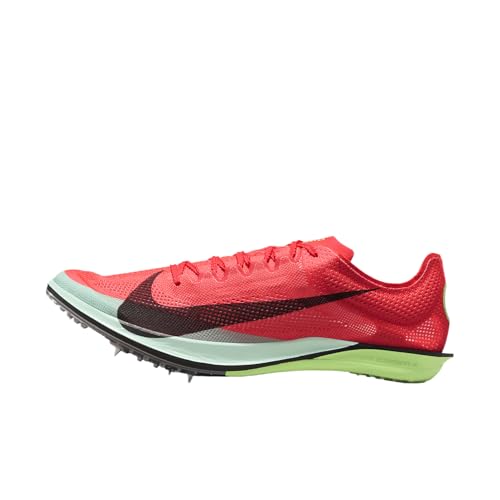
The Dragonfly 2 Elite is a nimble, race-focused shoe with a low weight and responsive plate-like feel. I found it fast for short distances and sharp workouts. It gives a noticeable pep on speedy intervals and race-day pushes.
Because it’s race-tuned, cushion is firm and the fit is snug. The outsole grips well for quick turns and the upper keeps you locked in. Use this for 5K race day or interval training when you want minimal drag and max response.
Pros:
- Very lightweight and race-focused
- Responsive feel for speedwork
- Secure lockdown for fast turns
- Low stack height for quick ground contact
- Great for interval and race paces
Cons:
- Minimal cushion for longer runs
- May need break-in for wider feet
- Not ideal for heavy training loads
My Recommendation
I recommend the Dragonfly 2 Elite for competitive runners chasing speed in a lightweight package. It joins the ranks of best running shoes for 5k and 10k women’s race-day choices when you want direct feedback and quick response. Pick this for intervals and short races.
| Best for | Why |
|---|---|
| 5K race day | Lightweight and responsive |
| Interval training | Quick ground contact |
| Competitive runners | Race-tuned performance |
Unisex Mishansha Hybrid
This hybrid model from Mishansha mixes casual comfort with running-friendly features. I wore these for recovery runs and errands. They offer soft cushioning and an easy fit that’s forgiving for everyday use.
The shoe’s air cushion and plush interior make it pleasant for long warm-ups and cool-downs. It’s less technical than racing shoes, but it doubles as a good soft trainer for lower intensity runs. Ideal for mixed-use runners.
Pros:
- Comfort-first design for casual runs
- Air cushion reduces impact
- Good for walking and light running
- Affordable and easy to replace
- Soft upper for blister prevention
Cons:
- Not intended for race paces
- Limited arch support for long runs
- Materials look more casual than performance
My Recommendation
I recommend this Mishansha hybrid for runners looking for comfort on recovery days. It’s useful as one of the best running shoes for 5k and 10k women’s easy runs and warm-ups. Use it when pace isn’t the priority but comfort is.
| Best for | Why |
|---|---|
| Casual runners | Plush, comfortable feel |
| Recovery days | Soft cushioning eases impact |
| Everyday wear | Comfortable and affordable |
ASICS NOVABLAST 5 (Alt)
This second NOVABLAST 5 entry highlights a popular color and sizing option. I mention it again because sizing and color can influence comfort and confidence on race day. It shares the same energetic midsole that many runners love.
The shoe’s responsiveness makes pacing feel easier and more natural. If you liked the earlier NOVABLAST 5 notes, consider this variant for different fit tweaks. It remains a top choice for race-day bounce and tempo work.
Pros:
- Same responsive foam as flagship NOVABLAST
- Color and size options for fit preferences
- Boosts cadence with energetic rebound
- Comfortable for warm-ups and cooldowns
- Maintains durability across training
Cons:
- Not the cheapest option
- May feel too cushioned for minimalists
- Slight break-in may be needed for some feet
My Recommendation
I recommend this NOVABLAST 5 variant if you want the same lively ride but prefer a different fit or color option. The shoe continues to rank among the best running shoes for 5k and 10k women’s race-focused training due to its responsive midsole and comfort. Choose it for tempo days and race prep.
| Best for | Why |
|---|---|
| Runners wanting choice | Multiple sizes and colors |
| Tempo and race training | Energetic midsole for pace |
| Comfort-seekers | Plush, forgiving fit |
ASICS Gel-Venture 11 (Alt)
This alternate entry for Gel-Venture 11 highlights different sizing and color availability. I include it because availability can be the deciding factor before race day. The core traits—durability and firm protection—stay the same.
It’s a solid choice when you need a dependable shoe for training and short races. If your race route mixes road and light trail, this variant handles both. Consider this if your prior pick was out of stock.
Pros:
- Sturdy design for mixed terrain
- Good protection on rough pavement
- Widely available in different sizes
- Affordable and practical
- Proven ASICS fit and durability
Cons:
- Less responsive than specialty trainers
- May feel stiff for fast racers
- Limited advanced cushioning tech
My Recommendation
I recommend this Gel-Venture 11 variant if you value availability and consistent performance. It’s one of the best running shoes for 5k and 10k women’s mixed-surface needs because it protects and endures. Choose it for dependable training and race-day comfort.
| Best for | Why |
|---|---|
| Availability seekers | Alternative sizes and colors |
| Mixed terrain | Durable outsole and protection |
| Beginner racers | Simple, reliable performance |
FAQs Of best running shoes for 5k and 10k women’s
How do I choose shoes for a 5K vs a 10K?
For a 5K, favor lighter, more responsive shoes for quicker turnover. For a 10K, pick shoes with a bit more cushion to reduce fatigue. I choose based on pace and comfort during multiple test runs.
Should I pick stability or neutral shoes?
Choose stability if you overpronate and feel your arch collapse. Pick neutral if your gait is balanced. I test shoes on short runs and look for smooth foot strike to decide.
How much cushioning is ideal for a 10K?
Moderate cushioning is best—enough to protect impact but not so soft that you lose energy return. I aim for shoes with responsive foam and enough stack for comfort on race day.
Do I need a race flat for a 5K?
Not necessarily. A light trainer or carbon-plated shoe can work. Race flats are great if you want minimal weight and direct ground feel. I pick flats for target PR attempts.
How should shoes fit for a race?
Shoes should feel snug in the midfoot and roomy in the toe box. You want about a thumb’s width of space at the toes. I always try shoes with the socks I’ll race in to confirm the fit.
Final Verdict: Which Should You Buy?
If you want the best balance between speed and comfort, the ASICS Novablast 5 is my top pick. It delivers responsive foam and comfort for both 5K and 10K race efforts.
For reliable training and value, consider the ASICS Gel-Venture 11 or Saucony Cohesion 14. These options round out the best running shoes for 5k and 10k women‘s needs with solid performance and durability.

Madison Clark is a footwear expert and the voice behind MyStyleGrid.com. She specializes in honest shoe reviews, style tips, and practical guides to help readers find the perfect pair for any occasion. With years of experience in blogging and content creation, Madison makes footwear knowledge simple, stylish, and easy to follow.