Most running shoes take about 2 to 4 weeks of regular use to break in.
I’ve spent years testing shoes, coaching runners, and tracking how footwear adapts. In this guide I’ll explain how long does it take to break in running shoes, why times vary, and exactly what to do each week so you get comfortable faster and stay injury-free. Read on for clear timelines, practical steps, and real-world tips you can use on your next pair.
Why breaking in running shoes matters
Breaking in shoes is more than comfort. It helps the shoe mold to your foot. It lets foam and uppers settle. It lowers the risk of blisters and pain. Good break-in reduces odd gait changes that can cause injury.
Manufacturers design shoes with different feels out of the box. Some feel soft immediately. Others need miles. Knowing how long does it take to break in running shoes helps you set expectations and plan training.

Typical timeline: how long does it take to break in running shoes
Every shoe is different. Still, common ranges help you plan.
-
1 to 3 runs (one to two weeks)
- Lightweight trainers or flexible cloth uppers often feel fine after a few short runs.
- If the shoe is already close to your old pair, you may adapt fast.
-
2 to 4 weeks (20–50 miles)
- Most daily trainers and stability shoes fall here.
- The upper loosens, midsole foam softens a bit, and seams stop rubbing.
-
4 to 8 weeks (50–100 miles)
- Some cushioned or rigid shoes need longer for midsole materials to fully settle.
- New technologies and firm foams may require more miles to reach peak comfort.
-
Longer than 100 miles
- Rare, but some people with unique foot shapes or old-school stiff shoes take longer.
- If pain persists past this, reassess fit or return policy.
How long does it take to break in running shoes will vary by runner weight, gait, and mileage. Plan for the mid-range (2–4 weeks) and adjust from there.
Factors that affect how long does it take to break in running shoes
Several things change how fast shoes conform to your feet.
-
Materials
- Foam type matters. Soft foam changes quicker than dense foam.
- Knitted uppers stretch faster than leather or heavy mesh.
-
Shoe design
- High-stack cushioning often needs more miles to feel stable.
- Heavier shoes take longer to flex and settle.
-
Fit and size
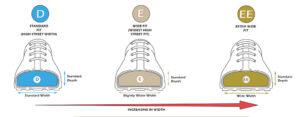
- A correct size speeds break-in. Too tight or too loose creates problems.
- Toe box shape must match your foot to avoid hotspots.
-
Your running habits
- Higher weekly mileage shortens calendar time to break in.
- Walk-run combos slow the process but reduce risk of blisters.
-
Terrain and pace
- Trails and varied surfaces can speed upper shaping.
- Fast runs stress different parts of the shoe and may reveal issues sooner.
-
Socks and insoles
- Thicker socks can mask fit issues but also change feel.
- Custom insoles alter break-in behavior and may need their own adaptation time.
-
Previous shoes
- Switching from a very different shoe often feels awkward longer.
- A gradual switch reduces discomfort.
These factors answer why how long does it take to break in running shoes changes for each runner. Keep them in mind when you buy and test a new pair.
PAA-style question: Will a new shoe ever feel the same as my old one?
Most likely no. New shoes change shape and foam behavior over time. Expect some difference and give the new pair 20–50 miles.
PAA-style question: Can I speed up the break-in?
You can try gradual wear, short runs, and progressive mileage. Avoid tricks like heating or aggressive stretching; they can warp support or glue.

How to break in running shoes safely: step-by-step plan
Here is a practical plan you can follow. It balances comfort and safety.
-
Week 1: short runs and walks
- Use the shoes for 15–30 minute runs or brisk walks.
- Do two to three sessions this week.
-
Week 2: increase time and easy miles
- Add one longer easy run up to 45 minutes.
- Listen for hotspots or pain.
-
Week 3–4: build up to normal mileage
- Add one medium run at your usual easy pace.
- Use the shoes for regular training if no issues emerge.
-
Beyond week 4: test race pace and long runs
- If everything feels good, try a faster workout.
- Reserve long runs before you are fully confident with the shoe.
Other tips while you progress
- Use good socks that you already trust.
- Try alternate lacing to reduce pressure.
- Keep the old pair for one or two runs to compare.
- Replace insoles only if needed and allow them to settle.
This method keeps how long does it take to break in running shoes reasonable while protecting your feet. Small, steady steps win.

Common problems during break-in and how to fix them
You may hit bumps. Here are fixes that work.
-
Blisters and hotspots
- Apply moleskin or tape. Try different socks.
- Reduce mileage until the spot calms down.
-
Heel slip
- Tighten lacing or use heel-lock lacing.
- Consider thin heel pads if slip persists.
-
Numbness or tingling
- Loosen lacing and check toe box fit.
- If it continues, stop and reassess shoe width.
-
Midfoot or arch pain
- Swap insoles for a firmer or softer option based on comfort.
- If pain lasts more than two weeks, see a professional.
-
Persistent knee or hip pain