Clean inside of boots properly by removing insoles, cleaning liners, deodorizing, and air-drying thoroughly.
I’ve cleaned hundreds of boots in my years fixing and caring for outdoor gear, so I know what works. This guide on how to clean inside of boots properly is practical, tested, and easy to follow. Read on for step-by-step methods, tools, and tips that keep boots fresh, fit, and long-lasting.
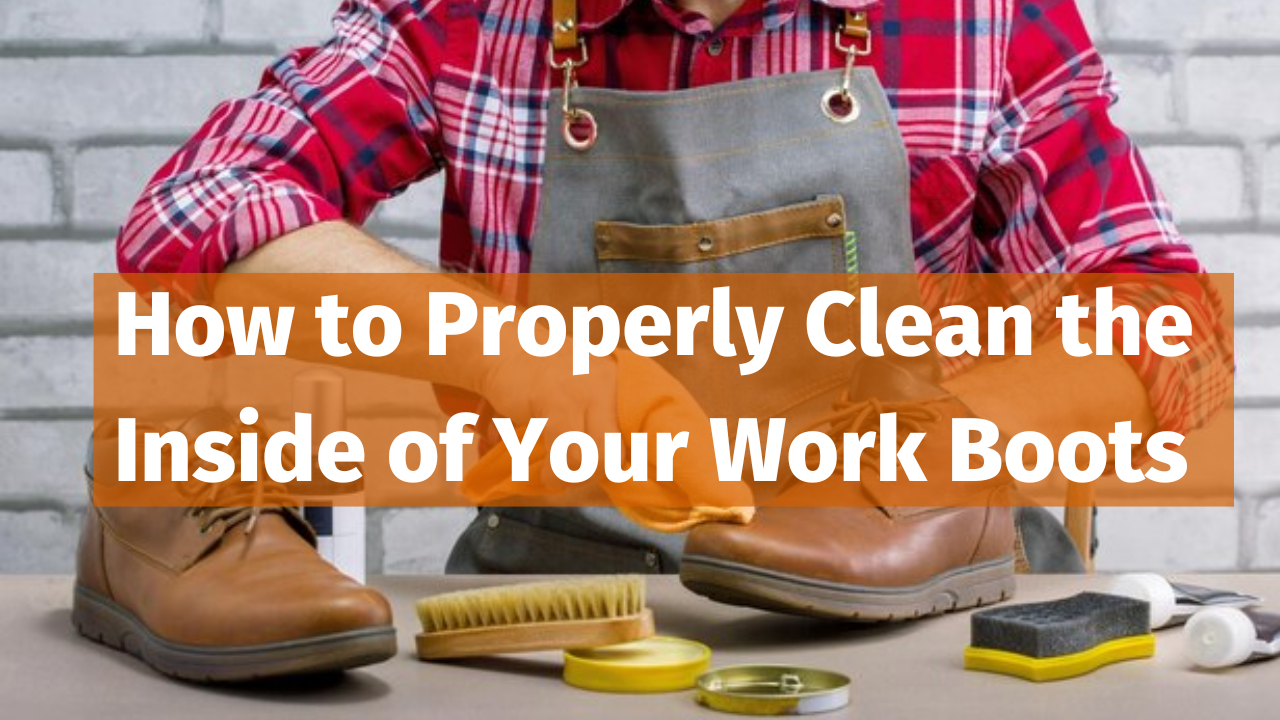
Materials and tools you’ll need
Here are reliable tools and products for cleaning boots. Having the right gear makes how to clean inside of boots properly faster and safer.
- Soft cloths or microfibre towels for wiping and drying.
- Soft brush and old toothbrush for scrubbing seams and corners.
- Mild soap or saddle soap for leather, gentle detergent for fabric.
- White vinegar, baking soda, or enzyme cleaner for odors.
- Rubbing alcohol for spot cleaning and quick drying.
- Clean water and a spray bottle for rinsing.
- Insoles and boot trees for reshaping while drying.
- Disposable gloves to keep hands clean.

How to clean inside of boots properly: a step-by-step guide
Follow these steps to clean inside of boots properly without damaging materials.
- Remove insoles and laces. Take out insoles and loosen or remove laces. This exposes the full interior and speeds drying.
- Shake and vacuum. Shake each boot upside down to remove loose dirt. Use a vacuum brush to get dust from corners.
- Dry brush the interior. Use a soft brush to dislodge grime from seams and liners.
- Spot clean stains. Mix mild soap and warm water, dab with a cloth, and gently scrub stained areas. Rinse cloth and repeat until clean.
- Deodorize. Sprinkle baking soda inside and leave overnight, or spray a 1:1 white vinegar and water mix lightly and let air out.
- Rinse only when needed. For fabric liners, a light rinse helps. Avoid soaking leather. Use a spray bottle to control moisture.
- Air dry fully. Stuff boots with crumpled paper or use boot trees to keep shape. Dry away from direct heat.
- Replace insoles or clean them. Wash removable insoles with mild soap, rinse, and air dry. Replace if worn or permanently smelly.
Tips from practice: test any cleaner on a hidden spot first. Repeating these steps often is how to clean inside of boots properly and prevent long-term odor build-up.

People also ask
How often should I clean the inside of my boots?
Clean interiors every 4–8 weeks if you use them daily. Clean sooner after heavy sweat, mud, or wet use.
Can I machine wash boot liners or insoles?
Some textile insoles can go in a gentle machine wash. Hand washing is safer for most liners and will last longer.
Will vinegar damage my boots?
Diluted white vinegar is safe in small amounts for many fabrics and liners. Avoid vinegar on untreated leather and suede.

Deep cleaning and odor removal
For stubborn grime and smells, take a deeper approach. These methods help when simple cleaning fails.
- Baking soda soak for removable insoles. Dust with baking soda and leave 12–24 hours. Brush out powder before returning insoles.
- Enzyme cleaner for organic odors. Use on liners and insoles to break down sweat and bacteria. Follow product directions.
- Freezer trick for bacteria. Place sealed removable insoles in a plastic bag and freeze 24 hours. Cold reduces bacteria count and odor.
- Vinegar spray for odors. Mix one part vinegar to one part water. Lightly mist and air dry. Repeat if needed.
- Rubbing alcohol for quick-drying spots. Use on small wet areas to speed drying without warping shape.
Be cautious with scents and strong chemicals. If you care for leather, avoid soaking it. These options show how to clean inside of boots properly when the smell won’t go away.

Cleaning by boot type
Different boots need different care. Here’s how to clean inside of boots properly by material.
Leather boots
- Remove insoles. Wipe interior with a damp cloth and mild saddle soap if needed. Do not saturate.
- Condition the exterior after interior cleaning to keep leather supple.
Suede boots
- Avoid water inside. Use dry brushing and alcohol-based spot cleaners on small stains. Use moisture sparingly.
- For odors, use baking soda on insoles rather than spraying inside.
Fabric or canvas boots
- More tolerant of water. Hand wash interiors with mild detergent and rinse lightly. Air dry with paper or boot trees.
- Machine wash only when manufacturer allows.
Rubber boots
- Rinse interiors with soapy water and a brush. Rinse well and air dry. Rubber dries fast and resists mildew if fully aired.
Insulated and lined winter boots
- Remove liners if possible and wash separately. For non-removable liners, use spot cleaning and gentle sprays to avoid compacting insulation.
- Dry slowly and reshape to prevent clumping of insulation.
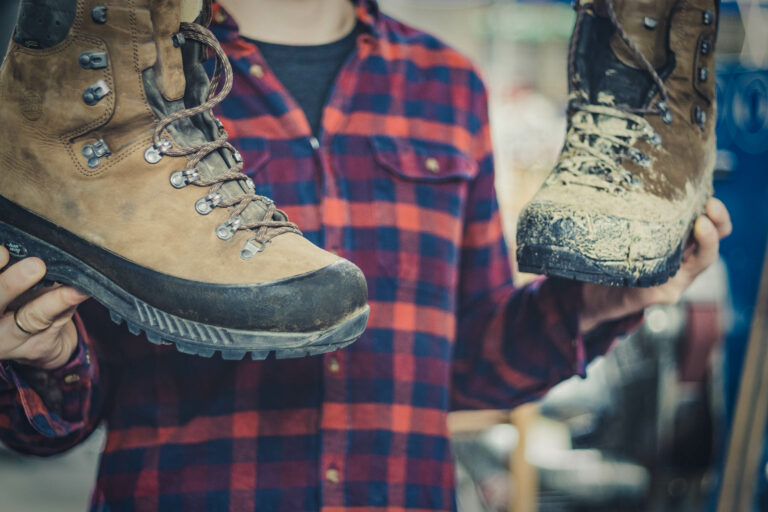
Hiking and work boots with removable liners
- Remove liners and wash by hand. Treat outer shell and interior seams following material rules above. This is a reliable way to clean inside of boots properly and keep performance high.
Drying, conditioning, and restoring shape
How you dry boots after cleaning matters. Proper drying and care preserve fit and function.
- Air dry at room temperature. Direct heat like a stove or hair dryer can crack leather and glue.
- Use boot trees or stuff with paper. This keeps shape and wicks moisture. Replace paper as it soaks.
- Condition leather after cleaning. Apply a small amount of leather conditioner to the exterior to replace oils.
- Replace damaged insoles. Worn insoles trap more odor and reduce comfort. A fresh pair often solves lingering smell problems.
From experience, slow drying wins. I once tried speeding leather boots in front of a heater and ended up with stiff, cracked leather. Take the slow route when you clean inside of boots properly.
Preventive care and storage
Prevention is the best way to avoid frequent deep cleaning. Small habits make a big difference.
- Rotate boots. Give pairs one or two days to dry between wears.
- Use moisture absorbers. Silica packs or cedar blocks reduce dampness and smell.
- Dry wet boots quickly. Remove insoles and stuff with paper the moment you get home.
- Practice foot hygiene. Clean, dry socks and foot powders reduce sweat and bacteria.
- Store in a cool, dry place. Avoid sealed plastic for wet boots—this traps moisture.
Personal note: I keep several sets of insoles and rotate them. It cuts down on odors and extends the life of my boots. Learning how to clean inside of boots properly helped me get more years out of the gear I love.
Frequently Asked Questions of how to clean inside of boots properly
How do I remove strong odors from boots quickly?
Sprinkle baking soda inside and leave overnight, then shake out. For faster action, use a vinegar spray and air dry outside.
Can I use bleach to clean boot interiors?
No. Bleach can weaken fabrics, fade colors, and damage adhesives. Use gentle detergents or specific enzyme cleaners instead.
Are insoles washable in the washing machine?
Some are, but check the label first. Hand washing is safer and preserves cushion and glue.
How long does it take for boots to dry after cleaning?
Most boots dry in 24–48 hours at room temperature when stuffed with paper. Thick insulated boots can take longer.
When should I replace my boots or insoles?
Replace insoles when they lose foam or arch support. Replace boots when soles separate, stitching breaks, or interior padding is beyond repair.
Conclusion
Cleaning the inside of your boots properly is simple with the right tools and routine. Remove insoles, clean gently, deodorize, and dry slowly to protect materials and prevent odor. Small habits, like rotating boots and using absorbent inserts, keep boots fresh for years. Try one method from this guide today, and leave a comment with your results or questions.

Rubel Miah is the Senior Editor at MyStyleGrid.com, where he brings a sharp editorial eye and an unshakable love for fashion to everything he does. A true style addict, Rubel lives and breathes trends, from streetwear to high fashion, and has a knack for turning inspiration into impactful stories. With years of experience in fashion journalism and digital media, he curates content that empowers readers to express themselves through style. When he’s not editing features or forecasting the next big thing, you’ll find him hunting down vintage pieces or capturing street style moments around the city.