Most Bean Boots run true to size, though some styles feel slightly roomier—try your normal size first.
I’ve tested Bean Boots across seasons and uses, and I’ll walk you through whether do bean boots run big, why sizes vary, and how to pick the right fit. With hands-on experience, clear measurements, and practical tips, this guide helps you decide if you should size up, size down, or stick with your regular shoe size.

How Bean Boots Typically Fit
Bean Boots often fit true to size for many wearers. The leather uppers mold to your foot over time, so an initial snug feel can loosen after a few wears. If you ask "do bean boots run big," the short answer is that most models do not run large; any perceived extra room usually comes from roomy toe boxes or thicker outsoles.
Common fit traits:
- Roomy toe box that gives toes space to splay.
- Heel that may feel snug until leather breaks in.
- Slightly generous volume in some 8-inch and insulated versions.
Because fit depends on model and foot shape, try them with the socks you plan to wear. If you measure carefully and follow sizing tips below, you’ll avoid most surprises.
Factors That Affect Whether Do Bean Boots Run Big
Several variables explain why two people might answer do bean boots run big differently. Consider these points before you buy.
- Model and height: 6-inch, 8-inch, and insulated versions fit differently. Taller shafts add volume.
- Leather stiffness: Stiffer leather feels snug initially; soft leather feels roomier immediately.
- Sock thickness: Thick wool socks make boots feel tighter. Thin liner socks create more room.
- Foot width and volume: Narrow feet may need insoles or half-sizes; wide feet may find a roomy fit more comfortable.
- Manufacturing variance: Natural leather and hand-stitched construction can lead to small size differences between batches.
Understanding these factors prevents the common mistake of blaming fit only on size when other elements are at play.

How to Measure and Choose the Right Size
Want to avoid returns? Follow these simple, practical steps to answer do bean boots run big for your feet.
- Measure your foot
- Place foot on paper, trace heel to longest toe, and measure in inches or cm.
- Compare to the brand size chart
- Use the manufacturer’s sizing chart and match length, not the shoe size from other brands.
- Test with the socks you’ll wear
- Put on the actual socks you plan to use, then try the boots.
- Check heel fit
- You should feel a slight heel slip before breaking in, not a flop.
- Consider half-sizes and widths
- If you’re between sizes, size down for a snug fit or up if you have high volume feet.
- Allow for break-in
- Leather will relax after a few wears, so tightness can improve.
These steps help reduce surprises and answer whether do bean boots run big for your unique feet.
Materials, Models, and Fit Variations
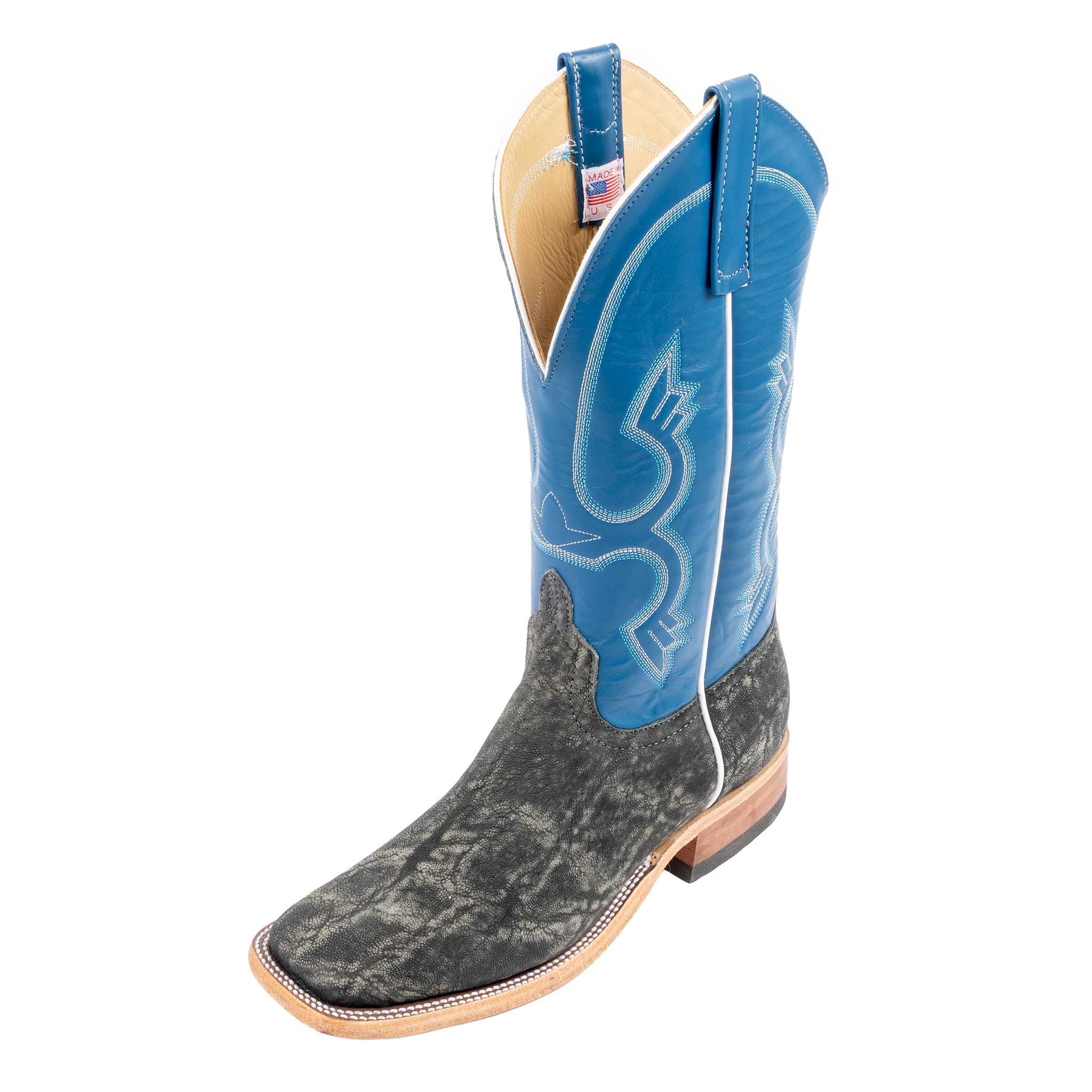
Different Bean Boot models change the fit experience and influence whether do bean boots run big for you.
- Classic leather-and-rubber boot
- Leather upper molds, rubber bottom stays stable. Generally true to size.
- Insulated or lined versions
- Extra lining reduces internal space; you may prefer a half size larger.
- Shorter chukka styles
- Lower shafts can feel snugger around the ankle but similar in length.
- Women’s vs men’s cut
- Women’s lasts can be narrower. Women with wider feet might size up.
Know which model you want and read product notes about recommended sizing. That helps predict if a model will feel bigger or smaller.
Real-World Tips, Break-In, and Sizing Advice (Personal Experience)
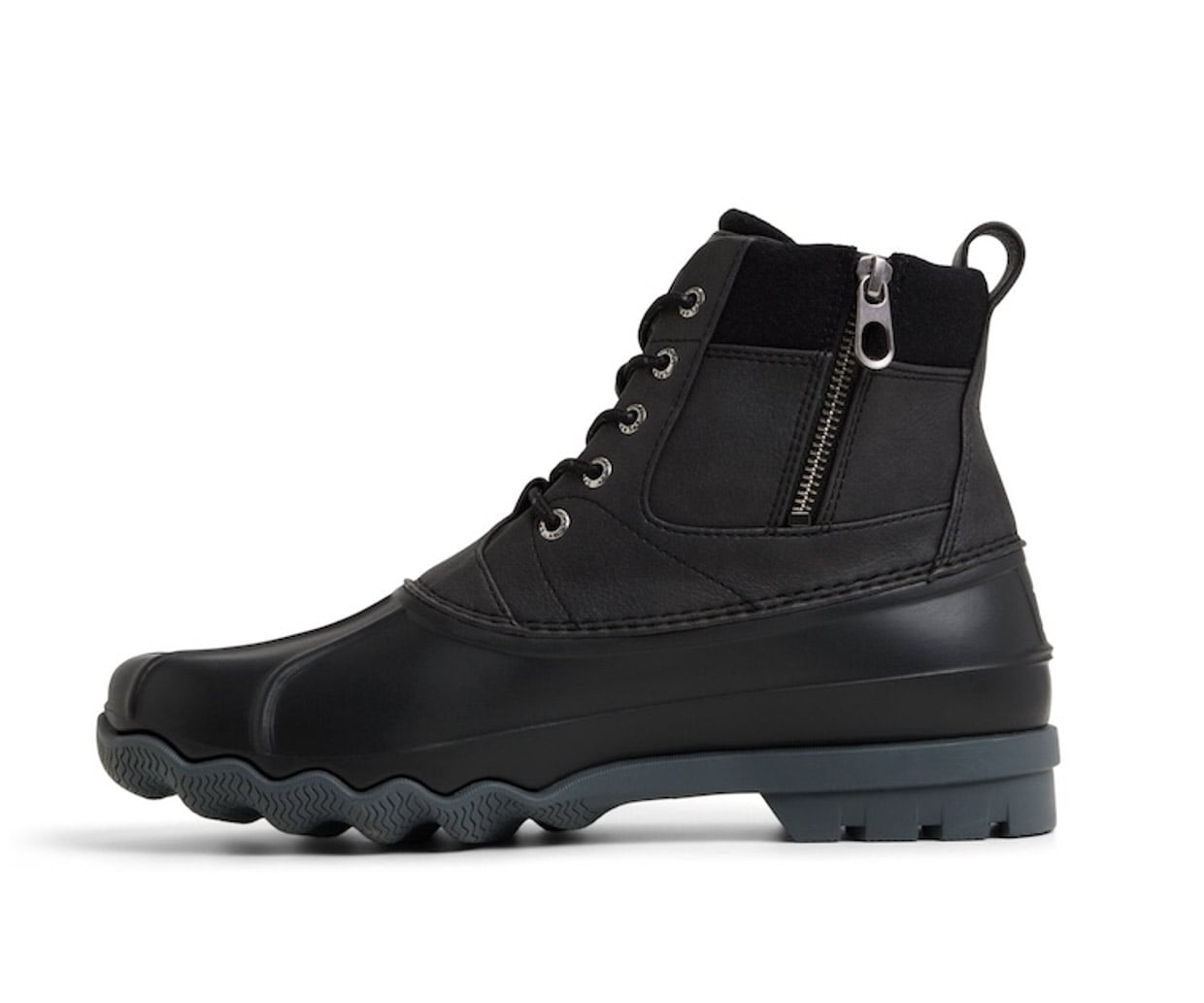
I’ve owned both men’s and women’s Bean Boots and have tested them in rain, snow, and daily wear. Here’s what worked for me and others I’ve helped.
- When to size up
- If you’ll wear thick winter socks or plan to add insoles, size up a half.
- When to size down
- If you like a snug, performance fit for hiking and have narrow feet, try your true size or half size down if between sizes.
- Break-in method
- Wear them around the house with medium-weight socks. Leather softens within a week of regular wear.
- Insoles and lacing
- Thin supportive insoles improve arch support without sacrificing length. Tight lacing helps secure a slightly roomy heel.
- Timing matters
- Try boots later in the day when feet are slightly swollen for a more accurate fit.
From personal trials, the main takeaway is that do bean boots run big depends on use. For casual, roomy comfort choose true size; for heavy socks and insulation, consider a half size up.
PAA-style Quick Questions (brief answers integrated)
Do Bean Boots run big for wide feet? Many wide-footed people find the toe box accommodating, but high-volume feet may need a wider fit or a larger size.
Should you size up for winter socks? Yes. If you plan to wear thick wool socks or insulated liners, sizing up a half size is a safe choice.
Will leather stretch over time? Leather does relax and conform to your foot shape with wear, reducing initial tightness in most cases.

Frequently Asked Questions of do bean boots run big
Are Bean Boots true to size?
Most Bean Boots are true to size. Expect the leather to break in and conform, so initial snugness can ease with wear.
Should I size up for winter boots?
If you plan to wear thick socks or add an insole for warmth, sizing up a half size is advisable. Insulated models may already have less internal space.
Do Bean Boots run wide or narrow?
Bean Boots typically offer a roomy toe box but a moderate midfoot. Wide feet often fit fine, but high-volume feet might need a larger size.
Can I wear Bean Boots for hiking?
Yes, but choose a snugger fit and consider adding a performance insole. For longer hikes, ensure heel lockdown to prevent blisters.
How long do Bean Boots take to break in?
Expect 3–10 wears for leather to soften and shape to your foot. Heavier leather takes longer than softer, pre-treated uppers.
Are women’s Bean Boots fitted differently than men’s?
Women’s lasts are usually narrower and may have different internal volume. Women with wider feet should try men’s styles or a larger women’s size.
Conclusion
Choosing the right Bean Boot comes down to measuring, matching the model to your needs, and considering sock thickness and foot volume. Do bean boots run big? Rarely in a blanket sense—fit varies by model, materials, and intended use. Try your normal size first, account for socks and insoles, and don’t be afraid to size up a half if you need extra room for insulation or comfort.
Put this advice into action: measure your feet, read the model notes, and test boots with the socks you plan to wear. If you found this helpful, share your sizing story in the comments or subscribe for more practical footwear guides.

Madison Clark is a footwear expert and the voice behind MyStyleGrid.com. She specializes in honest shoe reviews, style tips, and practical guides to help readers find the perfect pair for any occasion. With years of experience in blogging and content creation, Madison makes footwear knowledge simple, stylish, and easy to follow.