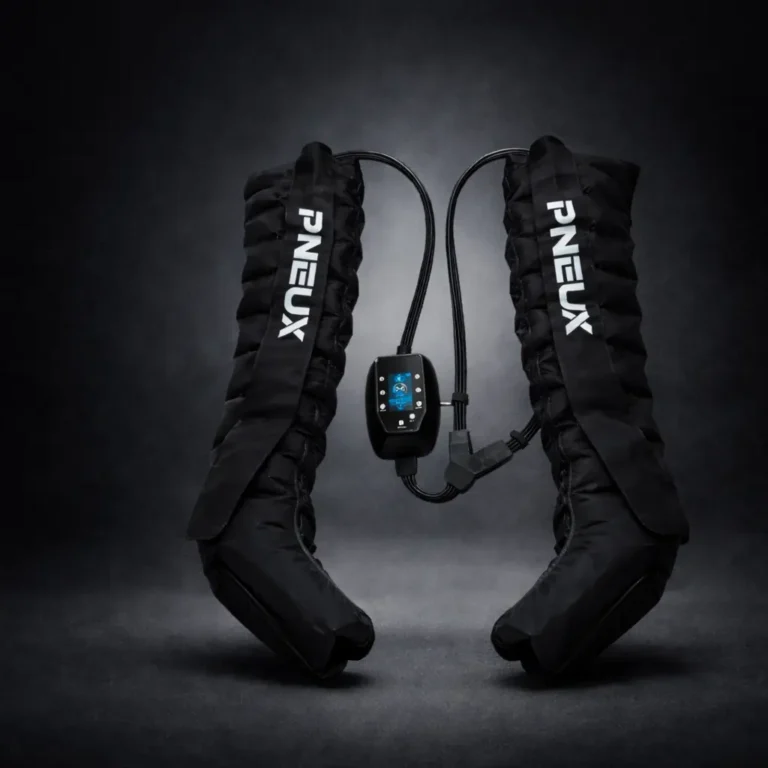
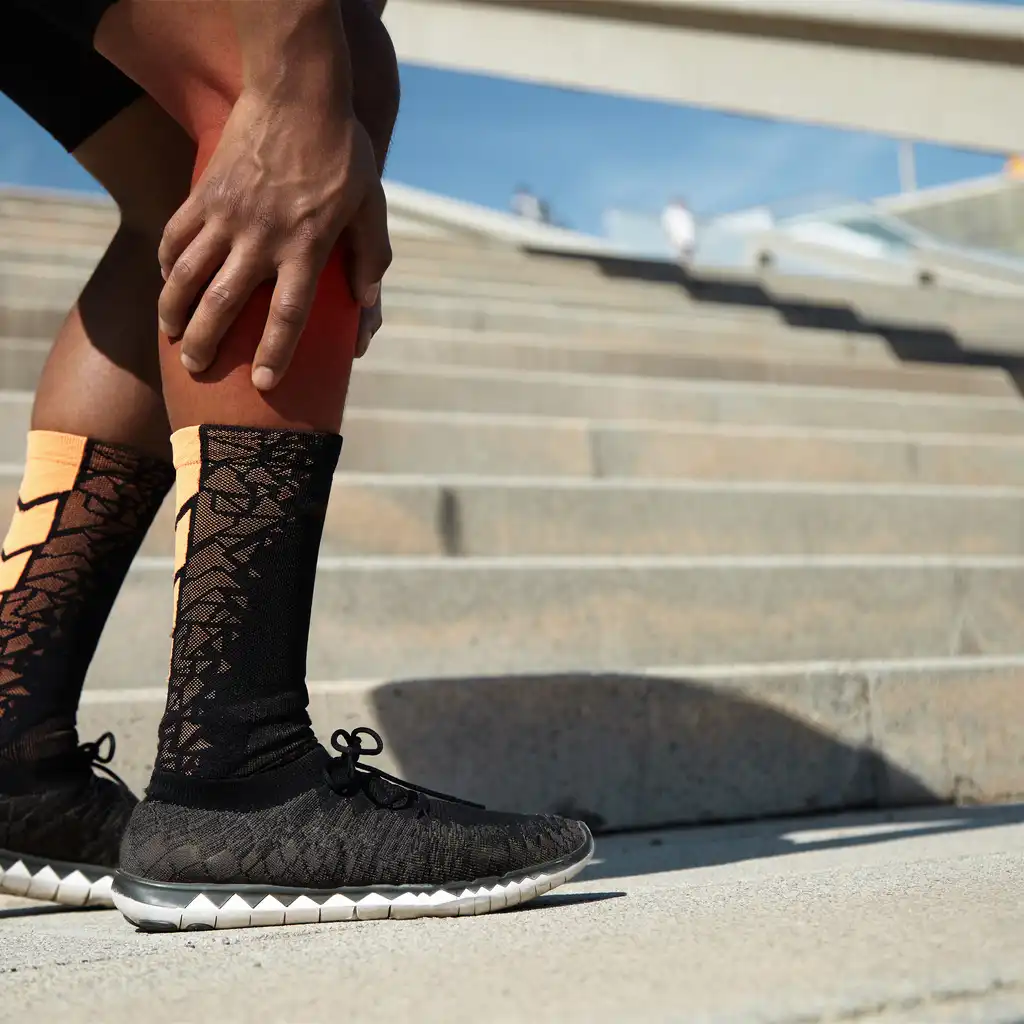
Compression boots can reduce pain and speed recovery for many cases of shin splints.
I’ve treated runners and athletes and used compression boots personally to manage muscle soreness and overuse injuries. This article explains whether do compression boots help shin splints, how they work, what the research and real-life experience say, and practical guidance for safe, effective use.
How compression boots work: a simple physiology primer
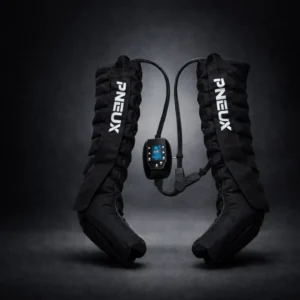
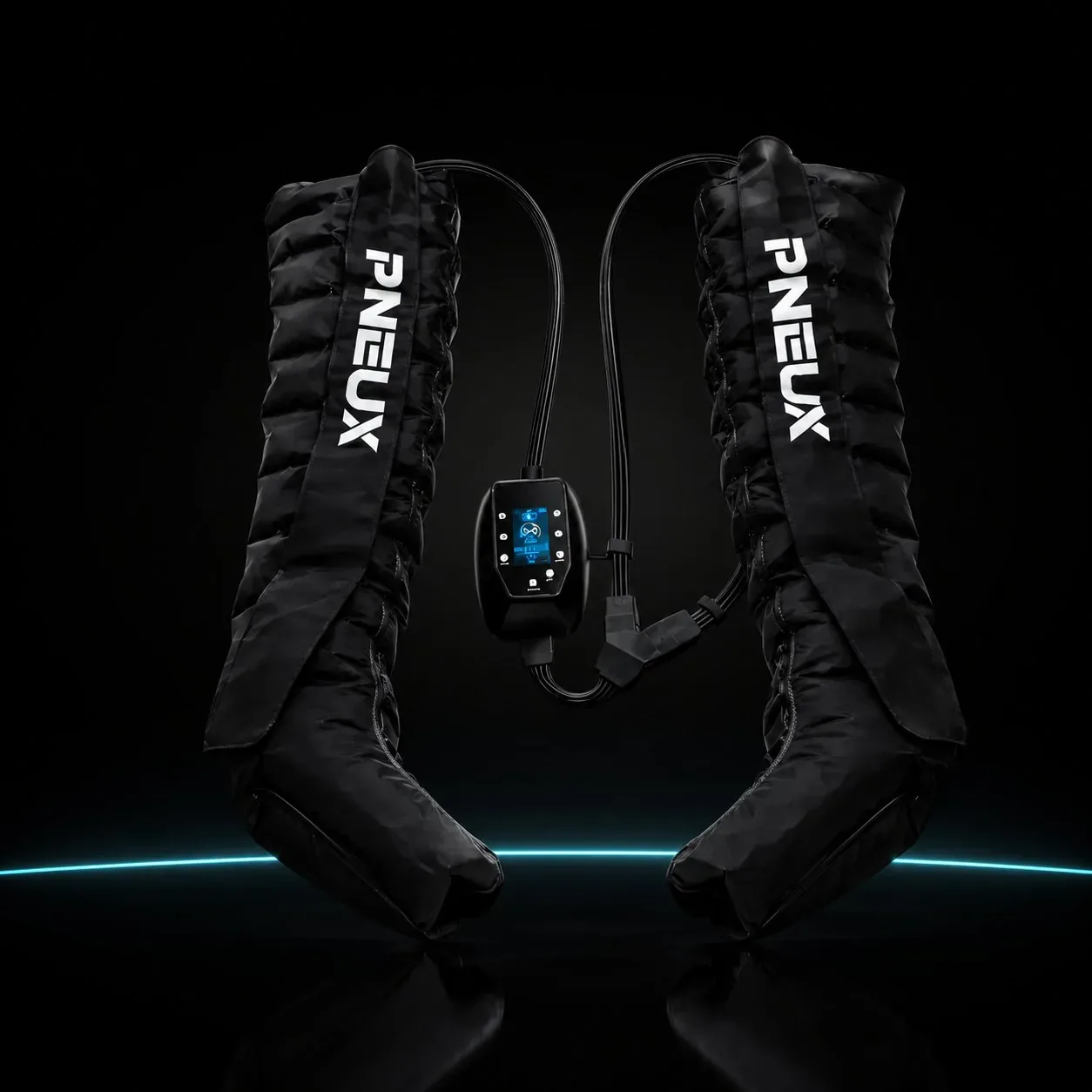
Compression boots use cyclic air pressure to squeeze and release the lower leg. This action boosts blood flow, clears metabolic waste, and helps fluid return to the heart. For shin splints, that means less local swelling and faster removal of inflammatory byproducts that cause pain. The mechanical effect is similar to manual massage but more consistent and measurable.
Do compression boots help shin splints? What the evidence says
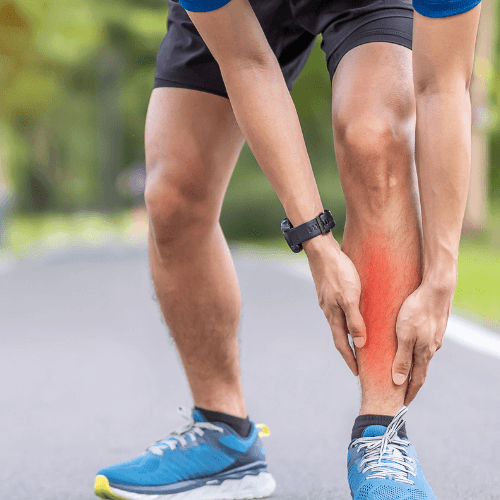
When people ask do compression boots help shin splints, the short evidence-based answer is yes for symptom relief and recovery support in many cases. Controlled studies and clinical practice show compression therapy reduces post-exercise muscle soreness and edema. Specific research on shin splints shows improved comfort, reduced tightness, and quicker return to activity when compression is paired with rest and rehab. That said, compression boots are not a standalone cure for structural problems or severe stress fractures.
Benefits of using compression boots for shin splints
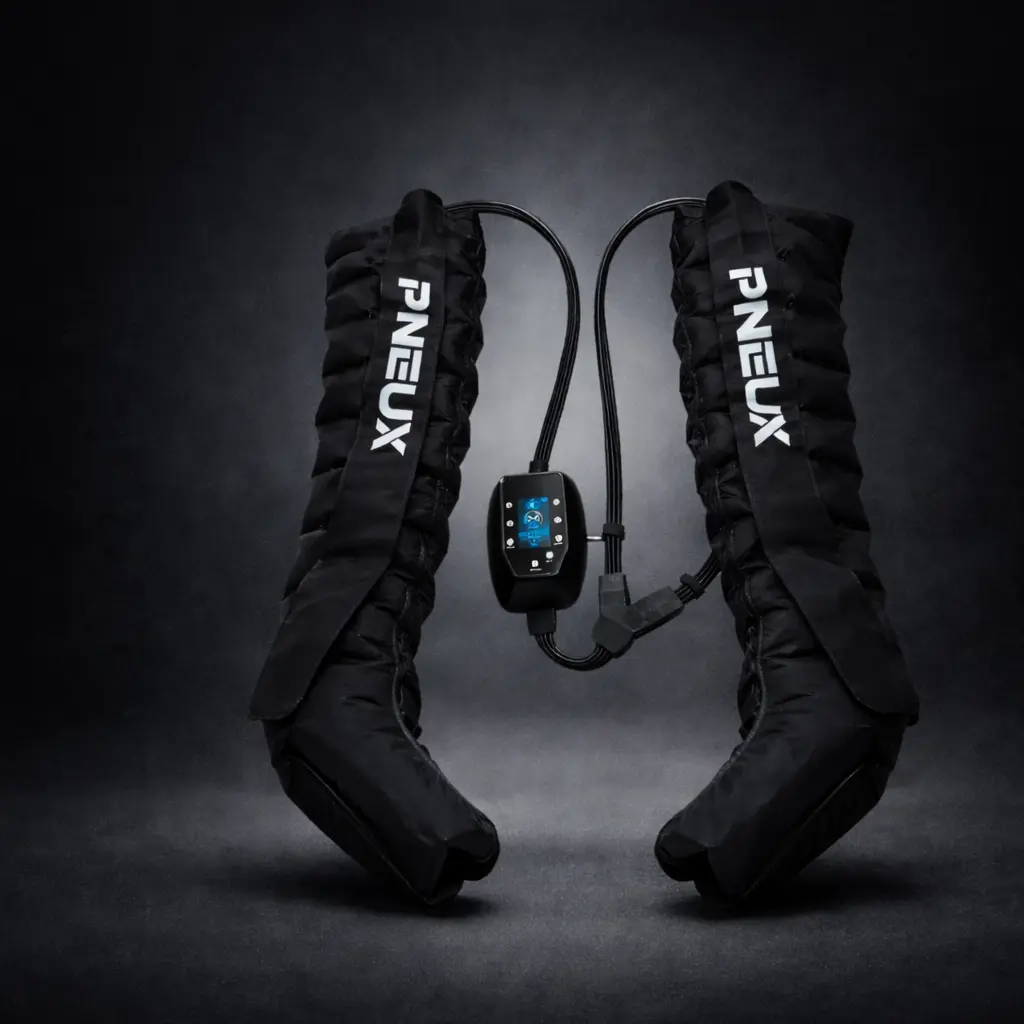
- Reduced pain and soreness. Many users report noticeable pain relief after a session.
- Faster recovery time. Regular use after runs can shorten downtime and speed workout return.
- Decreased swelling. Compression helps move excess fluid away from the lower leg.
- Convenience and consistency. Boots deliver repeatable pressure cycles compared with self-massage.
- Noninvasive and low risk. When used properly, boots are safe for most athletes.

Limitations and safety concerns
- Not a fix for underlying causes. Compression boots do not correct biomechanical issues like overpronation.
- Possible contraindications. People with deep vein thrombosis, uncontrolled hypertension, or certain circulatory disorders should avoid them.
- Temporary symptom control. Boots relieve pain and swelling but do not replace progressive strengthening and gait work.
- Cost and access. High-quality compression boots can be expensive, and home units vary in power and quality.
How to use compression boots safely and effectively for shin splints
- Timing: Use boots after hard workouts or long runs, not as a warm-up. Sessions of 15 to 30 minutes are common.
- Frequency: Start with 2–4 sessions per week during recovery, then adjust by symptoms.
- Pressure settings: Begin low and increase gradually. If you feel numbness or pins-and-needles, stop and lower pressure.
- Combine with rehab: Pair compression with targeted calf and shin strengthening, mobility drills, and proper footwear.
- Monitor progress: Track pain, swelling, and function. If symptoms persist beyond 2–4 weeks, see a clinician.

Practical examples and protocols I’ve used
- Post-run protocol: I recommend a 20-minute session within 2 hours after a tough run. This reduced next-day soreness for my athletes.
- Acute flare protocol: During a flare, I used boots twice daily for 15 minutes plus ice and light stretching; pain dropped within a week.
- Maintenance protocol: For regular runners, one 15–20 minute session after long runs helps prevent build-up of soreness.

Combining compression boots with other treatments
- Ice and rest: Use ice early after intense activity for 10–15 minutes, then compression boots to enhance fluid movement.
- Physical therapy: Address strength, flexibility, and gait abnormalities to prevent recurrence.
- Footwear and orthotics: Proper shoes and, if needed, orthotics reduce repeat stress on tibial muscles.
- Gradual return: Use run-walk schedules and progressive load increases while using compression boots as recovery support.
Personal experience, lessons learned, and tips
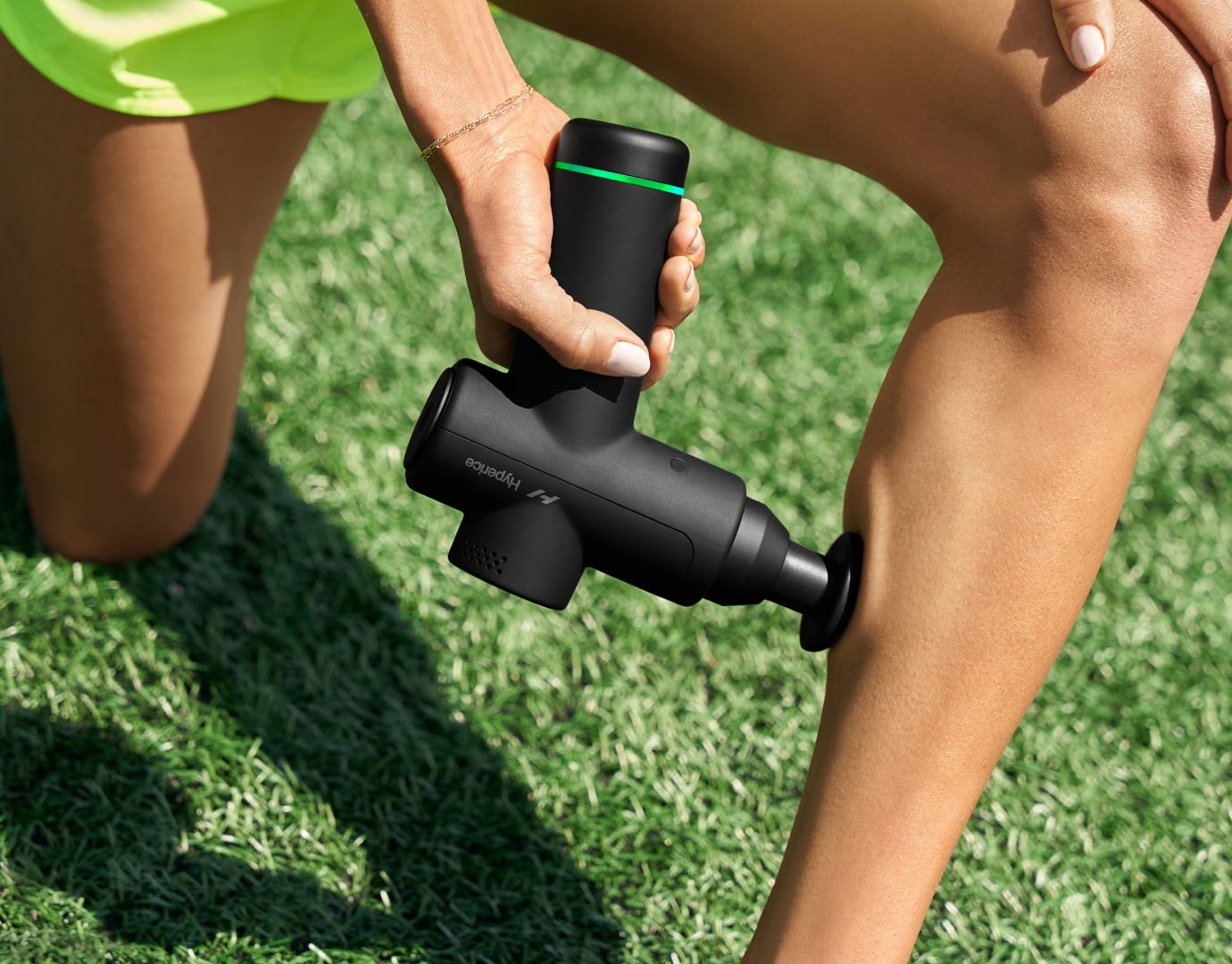
I used compression boots after a season of higher mileage and noticed faster recovery and less morning tightness. Key lessons I learned:
- Overreliance is a mistake. I still needed targeted calf and tibialis anterior strengthening to fully eliminate pain.
- Pressure matters. Too-high pressure masked symptoms but left underlying weakness untreated.
- Listen to your body. Boots should feel like helpful relief, not numbness or new pain.

Signs compression boots are helping and when to see a professional
- Positive signs: reduced pain within days, improved tolerance for activity, less swelling and stiffness.
- Red flags: worsening pain, sharp localized bone pain, or persistent symptoms despite treatment. In those cases, get imaging and a clinical exam to rule out stress fracture or nerve issues.
Frequently Asked Questions of do compression boots help shin splints
How quickly do compression boots reduce shin splint pain?
Most people notice reduced soreness after the first one or two 15–30 minute sessions, but consistent benefits usually appear within a week when combined with rest and rehab.
Can compression boots prevent shin splints from coming back?
Compression boots can help by improving recovery and reducing chronic swelling, but true prevention requires strength work, proper training progression, and footwear adjustments.
Are compression boots safe for everyone with shin splints?
No. People with clotting disorders, circulatory diseases, or certain heart conditions should consult a doctor before using compression boots.
How often should I use compression boots for shin splints?
Start with 2–4 times per week after runs. Adjust frequency based on symptom response and recovery needs.
Will compression boots heal a stress fracture in the shin?
Compression boots do not heal stress fractures. They may reduce swelling and pain but you need medical evaluation and a graded return-to-activity plan for fractures.
Conclusion
Compression boots can be a powerful tool to reduce pain, speed recovery, and manage swelling for many people with shin splints, especially when used alongside rehab and smart training. They are not a magic cure and should be paired with strength work, gait correction, and proper rest. Try a short, gradual protocol and monitor results; if pain persists or worsens, get a professional evaluation. If this helped you, try the recommended protocols, share your experience below, or subscribe for more practical recovery tips.

Madison Clark is a footwear expert and the voice behind MyStyleGrid.com. She specializes in honest shoe reviews, style tips, and practical guides to help readers find the perfect pair for any occasion. With years of experience in blogging and content creation, Madison makes footwear knowledge simple, stylish, and easy to follow.