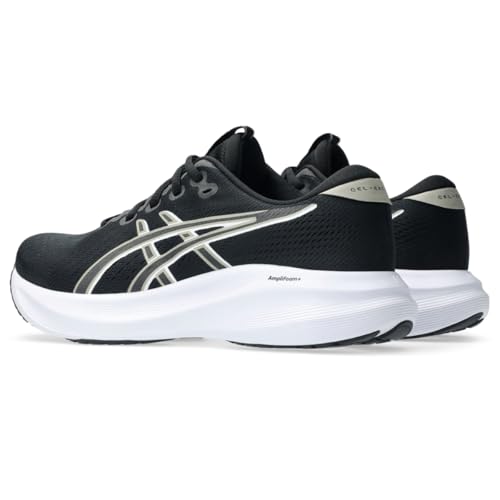
The best ASICS shoes for plantar fasciitis combine soft cushioning, steady support, and a secure fit for daily comfort.
Heel pain can turn a short walk into a long chore. I know how frustrating it feels to step out of bed and meet that sharp pull under the heel. The right shoe cannot cure plantar fasciitis, but it can reduce stress on the heel and arch. In this guide, I review nine ASICS models and explain which pair may fit walking, running, work, wide feet, or mild overpronation. I focus on cushioning, support, fit, and real daily use.

ASICS Women’s Gel-Excite 11 Running…
Runs Small PureGEL technology: Softer, updated version of our GEL technology. Approximately 65% softer vs standard GEL technology. Engineered mesh upper: A lightweight, breathable meshmaterial helps reduce the need for…

ASICS Women’s Gel-Excite 11 Running…
Runs Small PureGEL technology: Softer, updated version of our GEL technology. Approximately 65% softer vs standard GEL technology. Engineered mesh upper: A lightweight, breathable meshmaterial helps reduce the need for…

ASICS Men’s Gel-Excite 11 Running…
PureGEL technology: Softer, updated version of our GEL technology. Approximately 65% softer vs standard GEL technology. Engineered mesh upper: A lightweight, breathable meshmaterial helps reduce the need for additionaloverlays. AMPLIFOAM…
ASICS Gel-Excite 11 Women’s Running Shoes

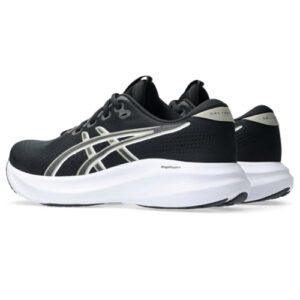
The ASICS Gel-Excite 11 is a simple, well-balanced road shoe for daily walks, light runs, and errands. It uses a soft foam midsole with rearfoot GEL cushioning to help soften heel impact. The feel is light rather than deeply plush. That makes it a good pick for shoppers who want comfort without a bulky shoe.
I find this model most useful for mild heel pain and active people who need one shoe for many tasks. The upper holds the foot well, while the padded collar helps reduce rubbing near the ankle. It does not offer the strong motion control of the GT series. Still, its smooth ride and fair price make it a smart entry point when comparing the best ASICS shoes for plantar fasciitis.
Pros:
- Soft cushioning for walks and easy runs
- Rearfoot GEL helps soften heel strikes
- Light feel for daily wear
- Breathable upper helps manage warm feet
- Secure lace fit with a padded collar
- Versatile style for casual outfits
Cons:
- Less arch guidance than a stability shoe
- Standard width may feel narrow for some feet
- May feel too firm for severe heel pain
ASICS Gel-Excite 11 Women’s Blue Fade
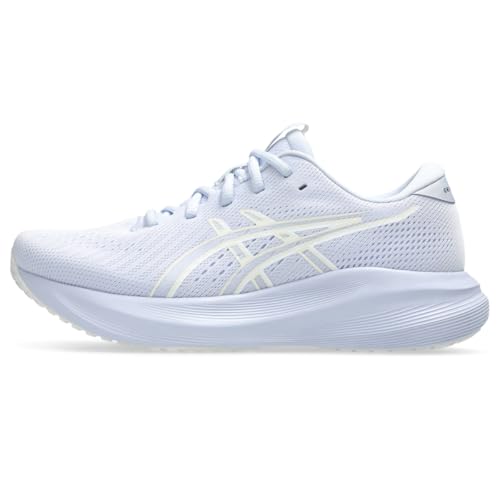
This blue and cream version of the Gel-Excite 11 gives you the same basic platform in a fresh color. The shoe aims at neutral runners and walkers who prefer a flexible, easygoing ride. Its foam midsole helps cushion each step, and the GEL unit adds extra comfort under the rear foot. I like the balance for short commutes, gym sessions, and daily walks.
For plantar fasciitis, fit matters as much as the color or brand name. This model leaves enough room for many average feet, but people with a high instep or broad forefoot should check sizing with care. The heel feels stable during normal walking, though it will not replace a medical orthotic or a true support shoe. If you want an affordable, light pair, this version deserves a place on a shortlist of the best ASICS shoes for plantar fasciitis.
Pros:
- Comfortable foam cushioning for daily movement
- Light construction reduces foot fatigue
- GEL cushioning adds rearfoot softness
- Flexible forefoot supports a natural stride
- Bright color gives the shoe a casual look
- Works well for walking and light training
Cons:
- Not designed for strong overpronation control
- May need an insert for higher arch support
- Color may show dirt faster than darker shoes
ASICS Gel-Excite 11 Men’s Running Shoes

The men’s Gel-Excite 11 offers a familiar neutral ride with useful cushioning under the heel. It suits men who want a running shoe that also works for daily chores and long periods on their feet. The midsole feels springy enough for a brisk pace but stays easy to manage at a slower walk. The black and gray upper also hides marks well.
I would point this shoe toward users with neutral alignment and mild plantar fascia discomfort. It gives the foot a stable base without adding a rigid support post. That can feel freeing if you dislike heavy stability shoes. However, people with clear inward ankle roll or severe pain may need more support and should ask a podiatrist about inserts or another model.
Pros:
- Good everyday cushioning for men’s feet
- Light enough for walks and casual runs
- Rearfoot GEL helps reduce harsh impact
- Durable outsole suits regular pavement use
- Dark upper is easy to keep looking clean
- Comfortable choice for new runners
Cons:
- Neutral design offers limited stability control
- May not provide enough cushion for very sensitive heels
- Standard fit may not suit very wide feet
ASICS Gel-Excite 11 Women’s Pink Running Shoes

This pink and orange Gel-Excite 11 has the same practical design as the other Excite options. It provides a cushioned platform for walkers, new runners, and active shoppers. The shoe feels flexible through the forefoot, so it does not fight your natural step. Its moderate stack also keeps the foot close enough to the ground for a steady feel.
That balance may help people who want less pressure at the heel but do not need maximum padding. I would use it for walks on sidewalks, treadmill workouts, and regular daily wear. The bright upper is a nice bonus for anyone who wants a more lively look. As with any neutral shoe, it cannot correct every gait issue, so it may not be the best ASICS shoes for plantar fasciitis for users who need firm stability.
Pros:
- Comfortable cushioning for moderate daily use
- Flexible toe area supports smooth movement
- GEL unit gives the heel added shock absorption
- Bright design is easy to spot in a shoe collection
- Light weight helps during longer walks
- Useful value for budget-minded buyers
Cons:
- Bright colors may not suit work settings
- Neutral support may not control overpronation
- Not as plush as the Gel-Nimbus line
ASICS GT-1000 14 Women’s Stability Shoes

The GT-1000 14 is the first model here I would study closely if your foot rolls inward while you walk or run. It belongs to ASICS’ stability family and aims to guide the foot through a more controlled stride. The support feels more purposeful than the Gel-Excite, yet the shoe remains fairly light. That makes it appealing for active people who dislike large, stiff trainers.
Plantar fasciitis often responds well to a shoe that limits excess motion and spreads load across the foot. The GT-1000 14 can help create that steadier platform, but the correct fit remains vital. I suggest wearing it indoors first and checking whether the arch area feels supportive rather than intrusive. It is one of the best ASICS shoes for plantar fasciitis when stability is a top need.
Pros:
- Stability design helps manage inward foot roll
- Light feel compared with many support shoes
- Cushioning supports walking and easy running
- Secure upper helps keep the heel in place
- Good choice for active users who need guidance
- Can pair well with a prescribed foot insert
Cons:
- Support may feel too firm for neutral runners
- Less plush than the Gel-Nimbus 27
- May need a short break-in period
ASICS Gel-Nimbus 27 Women’s Cushioned Shoes

The Gel-Nimbus 27 is the comfort specialist in this group. It uses a thick, soft midsole that gives the heel and forefoot a well-padded landing. The shoe feels smooth on pavement and works especially well for long walks or easy distance runs. If heel pain makes hard ground feel like a drumbeat, this model helps turn that beat into a softer tap.
I would choose the Nimbus for people who value cushion above low weight or a close-to-ground feel. It does not serve as a motion-control shoe, so it may not suit runners who need strong correction. The generous padding can also feel warm or large to some users. Even so, for many neutral-footed shoppers, this is a leading choice among the best ASICS shoes for plantar fasciitis.
Pros:
- Deep cushioning helps soften repeated heel impact
- Comfortable for long walks and easy runs
- Plush step-in feel reduces pressure on hard floors
- Smooth transition from heel to toe
- High-quality build suits frequent use
- Helpful option for runners who prefer soft shoes
Cons:
- Costs more than the Gel-Excite models
- Heavier and bulkier than a basic daily trainer
- Soft ride may feel less stable to some users
ASICS Gel-Venture 11 Women’s Walking Shoes

The Gel-Venture 11 brings a more rugged feel to this review. Its outsole is built for roads, paths, and light trail use, which can help people who spend time on mixed ground. The cushioning is moderate, and the heel has useful shock absorption for daily walking. Its black and gray color also makes it easy to wear for errands or outdoor work.
This is a practical pick for people who need grip more than a soft racing feel. The firm base can feel reassuring on uneven paths, but it may not feel as gentle as the Nimbus on long pavement walks. I would also check the toe fit before buying, especially if you need extra room. For outdoor walkers seeking the best ASICS shoes for plantar fasciitis, the Venture 11 offers a sturdy and useful option.
Pros:
- Durable outsole supports outdoor walking
- Useful traction on light trails and wet paths
- Moderate cushioning protects the heel from hard ground
- Rugged build suits daily outdoor use
- Dark color hides dust and marks
- Good choice for walkers who dislike soft, unstable shoes
Cons:
- Not as soft as the Gel-Nimbus 27
- Trail-style outsole can feel firm indoors
- May not suit runners seeking a fast, flexible ride
ASICS Gel-Cumulus 27 Women’s Running Shoes

The Gel-Cumulus 27 sits between the light Gel-Excite and the plush Gel-Nimbus. It gives neutral runners a balanced mix of cushion, flexibility, and response. The midsole has enough softness for daily miles but does not feel overly soft under the arch. That middle ground makes it easy to use for both exercise and regular walking.
I like the Cumulus for users who want comfort but still want to feel connected to the road. It can help reduce the repeated shock that often bothers a sore heel, although it does not provide direct treatment for plantar fasciitis. The fit should work well for many average-width feet, while custom inserts may add support if advised by a clinician. This model is a strong all-around contender among the best ASICS shoes for plantar fasciitis.
Pros:
- Balanced cushion for running and walking
- More responsive feel than very soft shoes
- Comfortable heel landing for road use
- Flexible ride supports a natural toe-off
- Versatile design works across many daily activities
- Good middle choice between value and premium comfort
Cons:
- Neutral platform may not control inward roll
- Less cushioned than the Gel-Nimbus 27
- Some users may want a wider forefoot
ASICS GT-2000 14 Women’s Stability Shoes

The GT-2000 14 is a more advanced stability trainer for runners and walkers who need controlled support. It aims to limit excess motion while keeping the ride cushioned and smooth. Compared with the GT-1000, it generally feels more substantial underfoot. That extra structure can help when long walks or repeated runs place stress on the arch and heel.
I would consider this model for people who know they overpronate or who have felt better in stability shoes before. It is not automatically right for every case of plantar fasciitis, since foot shape and stride differ from person to person. The heel should feel held, not squeezed, and the arch should not feel like it is being pushed too hard. For support-focused shoppers, the GT-2000 14 may be among the best ASICS shoes for plantar fasciitis.
Pros:
- Strong stability for inward rolling feet
- Cushioned platform suits longer walks and runs
- Secure heel fit improves confidence on the road
- Structured base can reduce unwanted foot motion
- Durable design for regular training
- Good choice for experienced stability-shoe users
Cons:
- Heavier than the Gel-Excite 11
- May feel too structured for neutral feet
- Premium price may not fit every budget
My Recommendation
After comparing cushioning, support, and daily comfort, I would start with the Gel-Nimbus 27 for a neutral-footed user who wants the softest heel protection. Its plush ride feels kind on hard floors and long walks. For inward roll, I would move to the GT-2000 14 or the lighter GT-1000 14. The Gel-Cumulus 27 is my balanced pick for someone who wants a smooth road shoe without an overly soft feel.
The Gel-Excite 11 models offer the best value for light activity and mild pain. The Gel-Venture 11 makes more sense for outdoor paths and users who want a firm, grippy base. Remember that shoes support comfort; they do not diagnose or cure plantar fasciitis. If pain lasts, worsens, or changes your walk, seek advice from a qualified health professional. Check Amazon for current sizes, colors, and availability because stock and prices can change.
| Best for | Why |
|---|---|
| Maximum soft cushioning | The Gel-Nimbus 27 gives neutral feet a plush, shock-softening ride. |
| Inward roll and stronger support | The GT-2000 14 offers a structured platform for controlled movement. |
| Value and daily walking | The Gel-Excite 11 is light, versatile, and usually easier on the budget. |
How I Picked the Best ASICS Shoes for Plantar Fasciitis
I did not judge these shoes by color or by the word “GEL” alone. A shoe can have a popular cushioning label and still feel wrong for a sore foot. I looked at the full design: heel cushioning, midsole feel, arch shape, heel hold, forefoot flexibility, outsole grip, and likely use. I also considered how different feet need different types of support.
Plantar fasciitis involves the thick band of tissue that runs along the bottom of the foot. Pain often feels strongest near the heel, especially with the first steps after rest. A supportive, well-cushioned shoe may reduce the load that reaches the painful area. It should also fit well, because a shoe that slips or squeezes can create new stress.
ASICS offers both neutral and stability shoes. Neutral models, such as the Gel-Nimbus, Gel-Cumulus, and Gel-Excite, allow a more natural foot motion. Stability models, such as the GT-1000 and GT-2000, add guidance for some inward-rolling feet. Neither type is always better. The best ASICS shoes for plantar fasciitis depend on your stride, foot width, activity, and comfort needs.
Key Features That Matter for Heel Pain
Cushioning: Soft foam can make hard floors and pavement feel less harsh. Yet more cushion is not always better. Very soft shoes can feel unstable, and some feet prefer a firm, springy base. I look for cushioning that protects the heel while still allowing a clean step.
Arch support: A shoe does not need a tall bump to support the arch. Good support can come from a firm midsole, a steady platform, and a snug upper. If you use an orthotic, remove the factory insole only when the insert allows it. Never force an insert into a shoe with too little space.
Heel security: Your heel should sit firmly without pressure or rubbing. A loose heel can make the foot slide forward, while a tight collar can irritate the ankle. I use the last eyelet if I need a more secure lace lock. This small change can improve fit on a long walk.
Toe room: Your toes need room to spread and move. Leave about a thumb’s width between the longest toe and the shoe’s front. Measure both feet late in the day, when feet are often slightly larger. A narrow toe box can make a comfortable shoe feel painful after an hour.
Outsole grip: A steady outsole matters when pain changes your gait. Slipping makes the foot brace and can increase strain. Road shoes work well on pavement, while the Gel-Venture line adds grip for light trails. Choose the outsole that matches your normal surface.
How to Choose Your ASICS Size
Start with the size you wear in a similar running shoe, but do not assume every model fits the same. ASICS shoes may feel different because of their shape, upper, and midsole. Measure both feet while standing. If one foot is larger, fit the larger foot and adjust the laces around the smaller one.
Wear the socks you plan to use. Thick walking socks can change the fit more than many shoppers expect. Try shoes late in the day, then walk on a clean indoor floor. Pay attention to heel slip, toe pressure, and any hard point under the arch.
Do not buy a shoe that feels painful because you hope it will “break in.” A short break-in period can be normal for a firm stability shoe. Sharp pressure, numb toes, or heel rubbing are warning signs. Return or exchange the shoe if the fit does not improve after careful indoor testing.
Neutral Versus Stability ASICS Shoes
Neutral shoes let the foot move with fewer built-in corrections. They often feel flexible and smooth. They may suit people with neutral alignment, mild pain, or a preference for a natural ride. The Gel-Excite 11 is a good example of this simple approach.
Stability shoes add guidance for people whose ankles roll inward during a step. The GT-1000 14 offers a lighter support feel, while the GT-2000 14 feels more structured. Stability does not mean rigid or uncomfortable, but it can feel unusual at first. If you are unsure, a gait check by a podiatrist or running specialist can offer useful insight.
I would not choose a stability shoe only because you have plantar fasciitis. Heel pain alone does not prove that you overpronate. A neutral shoe may be the better match if your stride is even and the shoe feels comfortable. Comfort, fit, and steady movement should guide the final choice.
Tips for Wearing New Shoes With Plantar Fasciitis
Start with short periods. Wear the shoes around the house for 20 to 30 minutes. If your heel feels calm, add a short walk the next day. Increase time slowly instead of taking a new pair on a long trip.
Keep your feet warm before your first morning steps. Gentle calf and foot stretches may help, but stop if they cause sharp pain. A clinician can show you safe exercises for your condition. Supportive house shoes may also help if bare floors trigger pain.
Replace worn shoes when the foam feels flat or the outsole loses its shape. Old shoes can tilt your foot or stop absorbing impact. Many factors affect shoe life, including body weight, walking style, surface, and weekly mileage. Look at wear patterns instead of relying on a fixed date.
Do not ignore pain that keeps returning. Plantar fasciitis may improve with rest, stretching, load changes, and treatment, but heel pain can have other causes. Seek care if you cannot bear weight, if swelling appears, or if pain continues despite sensible changes. Shoes are one part of a larger plan.
Which ASICS Model Fits Each Type of User?
For daily walkers: The Gel-Excite 11 gives a light, flexible ride for errands and short walks. The Gel-Cumulus 27 adds more cushion for people who walk farther. If you walk on uneven paths, the Gel-Venture 11 offers a more useful outsole.
For runners: The Gel-Cumulus 27 provides a balanced feel for regular road miles. The Gel-Nimbus 27 suits runners who want a softer landing. Runners who need guidance should consider the GT-1000 14 or GT-2000 14 instead.
For long work shifts: Cushion, heel hold, and fit matter more than speed. The Nimbus 27 can help on hard floors if you like a plush shoe. The Cumulus 27 may feel more stable if soft shoes tire your feet. Always follow workplace safety rules for traction and toe protection.
For outdoor walkers: The Gel-Venture 11 is the most natural match. Its firm, grippy base handles light trails better than a smooth road trainer. It may also feel secure on gravel and park paths. It is not a replacement for a true hiking boot on steep or rocky terrain.
For overpronation: Start with the GT-1000 14 if you want lighter guidance. Choose the GT-2000 14 if you prefer more structure and cushioning. A proper fit check matters because too much support can feel as uncomfortable as too little.
Common Buying Mistakes to Avoid
The first mistake is choosing a shoe by the cushioning name alone. GEL cushioning may improve comfort, but the complete shoe determines how your foot feels. The second mistake is buying the same size without measuring. Feet can change over time, and swelling can change the fit within one day.
Another mistake is expecting a shoe to solve every pain problem. A shoe cannot fix a sudden injury, nerve issue, or major gait problem. It can provide a better base while you address the cause. If you keep changing shoes without improvement, get a professional assessment.
Some shoppers also pick shoes that are too short because the width feels right. This forces the toes back and may increase pressure through the foot. Others choose a very soft shoe that feels great for five minutes but lacks control on a long walk. I prefer a shoe that stays comfortable after real use, not just during a quick try-on.
Care and Rotation Tips
Give running shoes time to dry after a sweaty walk. Remove the insoles and let the shoes air out away from strong heat. Heat can damage some shoe materials and change the shape. Do not put a technical running shoe in a hot dryer.
If you walk or run often, rotate two pairs. This gives the foam time to recover and lets you compare how each shoe feels. It also reduces the chance that one worn shoe carries every mile. Keep a simple note of when you start using each pair.
Clean the outsole with a soft brush when dirt fills the tread. Avoid harsh cleaners that can weaken the upper. Check the heel counter and midsole for uneven wear. A tilted or compressed midsole can change how your foot lands.
Are ASICS Shoes Good for Plantar Fasciitis?
ASICS makes several shoes that can work well for people with plantar fasciitis. The brand offers soft cushioning, stable platforms, and different fits across its running range. That variety matters because plantar fascia pain does not look the same on every foot.
The best ASICS shoes for plantar fasciitis should feel comfortable from heel to toe. They should hold the foot without squeezing it. They should also match your activity and alignment. A plush neutral shoe may help one person, while a guided stability shoe may help another.
I also value the chance to choose between entry-level and premium models. The Gel-Excite 11 keeps the cost lower, while the Nimbus and GT-2000 offer more specialized rides. The right choice is the pair you can wear with a natural step and no growing pain. If the shoe changes your gait for the worse, it is not the right shoe, even if reviews praise it.
FAQs Of best asics shoes for plantar fasciitis
Which ASICS shoe is best for plantar fasciitis?
The Gel-Nimbus 27 is my top neutral choice because it offers deep cushioning for the heel. The GT-2000 14 may be better if you need stronger stability. Your foot shape and stride should decide between them.
Are ASICS Gel shoes good for heel pain?
They can be helpful because many ASICS models combine foam cushioning with GEL technology. However, comfort depends on fit and the rest of the shoe. GEL alone does not treat plantar fasciitis.
Is a neutral or stability shoe better for plantar fasciitis?
Neither is always best. Neutral shoes suit many people with even alignment, while stability shoes can help some inward-rolling feet. Choose based on your stride, comfort, and professional advice when needed.
Should I use custom orthotics with ASICS shoes?
Use an orthotic only if a qualified professional recommends it or if it clearly improves comfort. Check that the shoe has enough depth and a removable insole. A crowded shoe can create pressure instead of relief.
How long do ASICS running shoes last?
Life varies with mileage, surface, body weight, and wear pattern. Replace them when the cushioning feels flat, the outsole is worn, or pain returns. Regular walkers may notice wear before runners expect it.
Final Verdict: Which Should You Buy?
For most neutral-footed users, I recommend the Gel-Nimbus 27 for its soft heel cushioning. Choose the GT-2000 14 for stronger stability, or the Gel-Excite 11 for value. These are strong choices among the best ASICS shoes for plantar fasciitis.
The best pair should fit well, match your stride, and stay comfortable after real use. Shop current ASICS sizes and prices on Amazon, and seek care if heel pain continues.

Madison Clark is a footwear expert and the voice behind MyStyleGrid.com. She specializes in honest shoe reviews, style tips, and practical guides to help readers find the perfect pair for any occasion. With years of experience in blogging and content creation, Madison makes footwear knowledge simple, stylish, and easy to follow.