Yes, you can add prescription lenses to many Ray-Ban sunglasses, but frame fit and lens limits matter.
If you are asking, “can I add prescription to my Ray-Ban sunglasses,” the answer is usually yes. An optical lab can replace the original lenses with prescription sun lenses, clear lenses, or specialty options. However, not every Ray-Ban frame can safely hold every prescription.
The key factors are your frame model, lens shape, prescription strength, curve, and the skill of the optical provider. This guide explains how prescription Ray-Ban sunglasses work, what they may cost, which frames can cause problems, and how to avoid an expensive mistake.

Can I add prescription to my Ray-Ban sunglasses?
Yes, most Ray-Ban sunglasses can be fitted with prescription lenses. A qualified optician removes the factory lenses and cuts new lenses to match the frame. The new lenses can include UV protection, tint, polarization, and vision correction.
Still, “can I add prescription to my Ray-Ban sunglasses” is not a question with one answer for every model. Some frames are easy to fit, while others have a strong curve, thin rims, or unusual lens mounts.
Before ordering, an optician should check:
• The Ray-Ban model and frame code
• The size and shape of the lenses
• Your written prescription
• Your pupillary distance, or PD
• The frame’s curve and lens depth
• Whether the frame is in good condition
Your Ray-Ban frame may have a model code printed inside one temple. It often includes a name, color code, and size, such as 54 millimeters. This information helps the lab find the right lens pattern.
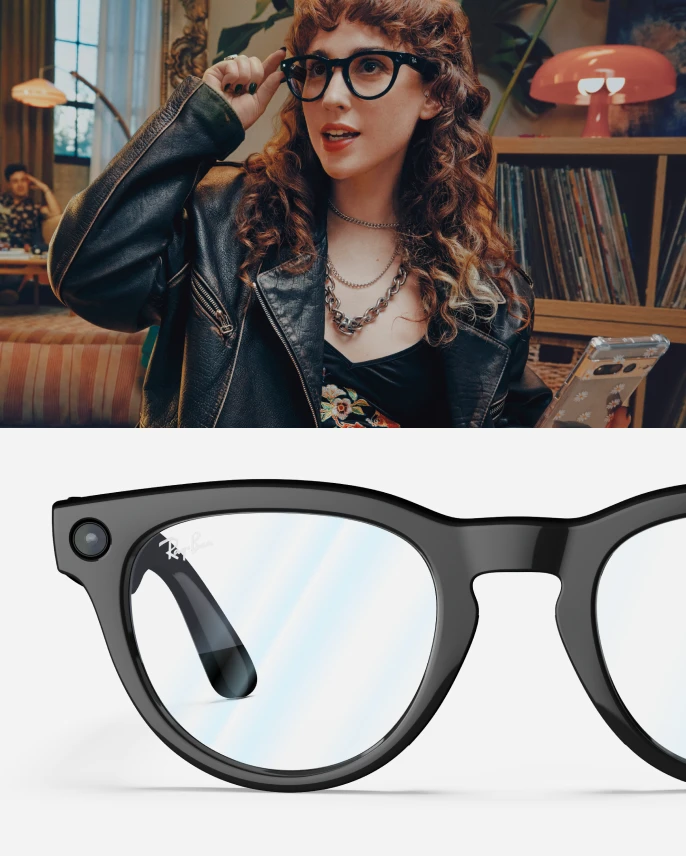
What types of prescription lenses can you use?
Prescription sunglasses are not limited to one lens type. Your eye doctor or optician can help you choose a lens that matches your vision needs and daily habits.
Prescription sun lenses
These lenses correct your vision and include a fixed tint. Common tint colors include gray, brown, green, and copper.
Gray gives a natural view of colors. Brown and copper may increase contrast, which can help during driving or outdoor sports. The best tint depends on your comfort and the light you face most often.
Polarized prescription lenses
Polarized lenses reduce glare from flat surfaces such as water, roads, snow, and car hoods. They are popular for driving, boating, fishing, and beach trips.
Polarization does not make a prescription stronger. It is a glare-control feature added to the lens. Some digital screens may look darker or show color effects through polarized lenses.
Gradient prescription lenses
Gradient lenses are darker at the top and lighter at the bottom. They can work well when you want sun protection above your eyes but need to look down at a phone, dashboard, or book.
Photochromic lenses
Photochromic lenses darken when exposed to outdoor ultraviolet light. They are useful for people who move between indoor and outdoor spaces.
They may not become fully dark inside most cars because vehicle glass blocks much of the UV light that activates them. If you need strong sun protection while driving, dedicated prescription sunglasses are often a better choice.
Clear prescription lenses
You can also turn a Ray-Ban sunglass frame into everyday prescription glasses. The frame may still look like sunglasses, but the lenses can be clear or lightly tinted.
This choice may not suit every frame. Some sunglasses have a deep curve or dark front shape that feels unusual with clear lenses.

Which Ray-Ban frames are easiest to fit?
Classic, medium-sized Ray-Ban frames with a standard lens shape are often the simplest to convert. Familiar shapes, such as many Wayfarer-style and Aviator-style frames, may have several prescription options.
That does not mean every Wayfarer or Aviator is automatically suitable. Ray-Ban sells many sizes, materials, and variations. Two frames with a similar look may have very different lens curves or mounting systems.
Prescription fitting is often more complex when the frame has:
• A strong wraparound curve
• A very large lens shape
• A narrow or rimless design
• An unusual lens groove
• A high bridge or special nose fit
• A damaged or stretched frame
Wraparound sunglasses can create optical problems because the lens sits at an angle to your eyes. Strong prescriptions may cause blur, distortion, or unwanted thickness. A skilled lab can sometimes manage this with special lens designs, but approval is not guaranteed.
If you are unsure whether you can add prescription to your Ray-Ban sunglasses, take the frame to an optical store before buying replacement lenses.
How does the prescription lens replacement process work?
The process is simple for you, but it requires accurate measurements and careful lens work.
-
Bring your Ray-Ban sunglasses and current prescription to an optician.
-
Let the optician inspect the frame for cracks, loose hinges, and heat damage.
-
Confirm the frame model, lens size, and curve.
-
Discuss tint, polarization, UV protection, lens material, and coatings.
-
Allow the provider to measure your PD and, when needed, fitting height.
-
Approve the lens order and confirm the remake or return policy.
-
The laboratory cuts and finishes the lenses to match the original shape.
-
The optician installs and adjusts the finished lenses.
A valid prescription is important. In the United States, prescriptions for glasses and contact lenses are separate, and an eyewear provider must use the correct prescription for the new lenses. Your prescription should also be current enough for your needs.
Many optical professionals recommend polycarbonate or Trivex lenses for active use because they offer strong impact resistance. High-index lenses may be useful for stronger prescriptions because they can reduce lens thickness.
However, the thinnest lens is not always the best lens. The frame shape, prescription, eye position, and lens material all affect the final result.

Can you add prescription to Ray-Ban sunglasses bought online?
Often, yes. You can take online Ray-Ban sunglasses to an independent optical shop or send them to a prescription lens replacement service. The provider will decide whether the frame is safe and suitable.
Online orders require extra care. The frame may be counterfeit, incorrectly sized, or listed with incomplete measurements. A poor fit can cause eye strain, sliding, pressure behind the ears, or lenses that sit too close to your eyelashes.
When you buy a new pair, an authorized optical retailer may offer an easier path. They can verify the frame, check its warranty terms, and order prescription lenses made for that model.
Ask these questions before paying:
• Is the frame covered if it breaks during lens installation?
• Are the lenses made for the exact Ray-Ban model?
• What happens if the prescription feels wrong?
• Is polarization included or available?
• Does the provider offer a remake period?
• Will the finished glasses include UV protection?
A good provider should answer clearly. Be cautious if a seller promises that every frame and every prescription will work without checking the details.

How much do prescription Ray-Ban sunglasses cost?
The price depends on the frame, prescription, lens material, tint, coatings, and provider. In the United States, lens replacement may cost roughly $100 to $400 or more. Complex prescriptions, wrap frames, premium coatings, and high-index materials can raise the total.
A new Ray-Ban frame with prescription lenses may cost more than replacing lenses in a frame you already own. Yet a new pair may include better fitting support and a stronger warranty.
Your total price may include:
• The prescription lenses
• Lens tint or mirror treatment
• Polarization
• High-index or impact-resistant material
• Laboratory and installation fees
• Frame cost
• Shipping
Vision insurance may cover part of prescription eyewear, but coverage varies. Some plans treat prescription sunglasses as prescription glasses. Others limit coverage for tint, polarization, or mirror coatings.
Ask for a written estimate. It helps you compare the cost of replacing lenses with the cost of buying a complete prescription pair.