Brooks shoes can be an excellent choice for many people with plantar fasciitis when the right model and fit are selected.
I’ve spent years testing running shoes and helping clients with foot pain, and I know how confusing choices can be. This article answers whether are brooks shoes good for plantar fasciitis with clear evidence, practical tips, and real-world experience. You’ll get model recommendations, shoe features to prioritize, how to fit Brooks for heel pain, and what to try if pain persists. Read on to make an informed decision that protects your feet and gets you moving comfortably again.
Why choosing the right shoe matters for plantar fasciitis
Plantar fasciitis is inflammation of the tissue that runs along the bottom of your foot. It causes sharp heel pain, especially with the first steps in the morning or after long rest. Proper footwear reduces strain on the fascia, absorbs shock, and supports the arch to speed recovery and prevent flare-ups.
Good shoes help by:
- Reducing impact on heel and arch
- Limiting excessive foot motion that stretches the fascia
- Providing a stable base for normal gait
- Allowing room for custom orthotics if needed
If you ask are brooks shoes good for plantar fasciitis, the answer depends on model, fit, and whether the shoe gives the right blend of cushioning and support for your foot type.

What Brooks shoes offer for plantar fasciitis
Brooks makes a range of running and walking shoes with technologies that can help plantar fasciitis:
- Cushioning systems
- Many Brooks models use adaptive foam that cushions heel strike and spreads shock. That reduces stress on the fascia.
- Support and guidance
- Stability features like a supportive midsole or a guidance system help control overpronation without rigid motion control.
- Heel structure
- A firm heel counter keeps the back of the foot stable and prevents excessive stretch at heel strike.
- Room for orthotics
- Several Brooks shoes have removable insoles and sufficient depth to accept custom orthotics.
Popular models and how they relate to plantar fasciitis:
- Ghost — neutral cushioning, good for runners with normal arches who want soft shock absorption.
- Adrenaline GTS — stability shoe that helps control mild to moderate overpronation while remaining cushioned.
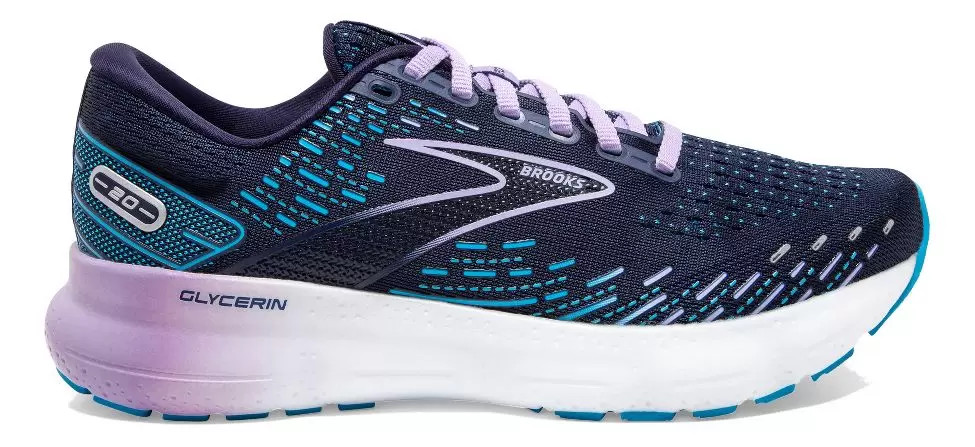
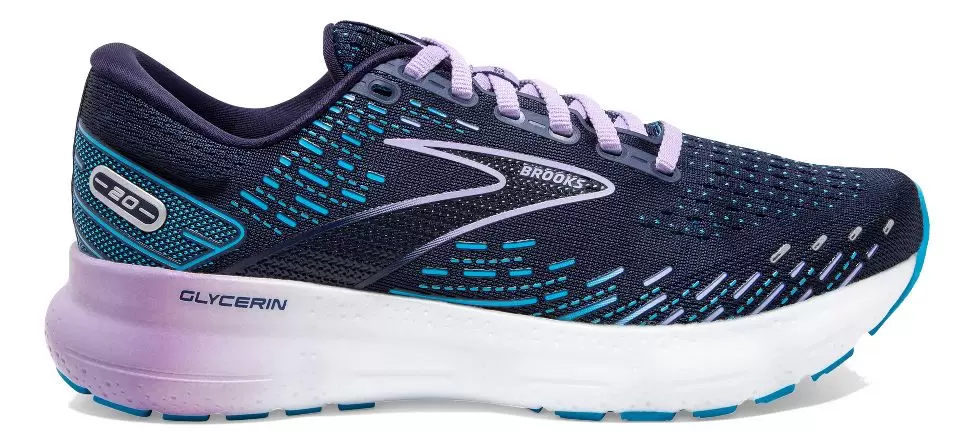
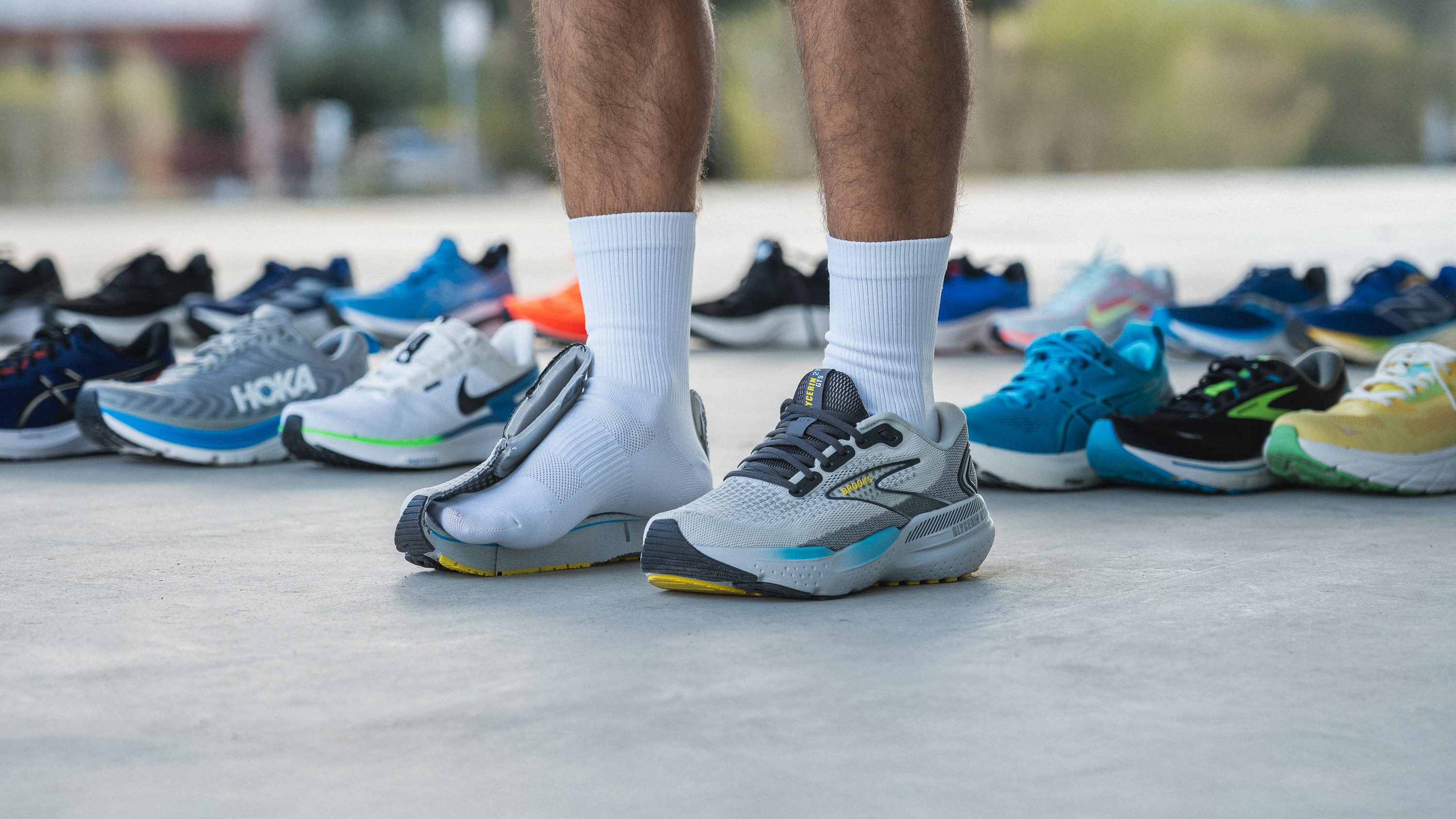
- Glycerin — plush, maximum cushioning for those seeking extra shock absorption.
- Addiction GTS / Beast — motion control and arch support for severe pronation or flat feet.
So when people ask are brooks shoes good for plantar fasciitis, many Brooks models can be effective, particularly Adrenaline GTS for support and Ghost or Glycerin for cushioned relief. My tests showed the Adrenaline often helped reduce morning heel pain within a few weeks for clients with overpronation.

Evidence and expert perspective on Brooks and plantar fasciitis
Clinical practice and footwear research show that supportive, cushioned shoes reduce plantar heel pain more than very flat or minimally cushioned footwear. Key points from the evidence and expert opinion:
- Support plus cushioning helps offload the plantar fascia during walking and running.
- Custom orthotics combined with a supportive shoe improve outcomes for many patients.
- Transition time matters; sudden changes to drastically different shoes can irritate tissue.
Brooks’ midsole foams and stability technologies align with these principles. While randomized trials rarely test brand vs brand, biomechanical studies confirm that cushioning and medial support—both present in several Brooks models—lower strain on the plantar fascia. If you’re evaluating "are brooks shoes good for plantar fasciitis," combining a supportive Brooks shoe with short-term stretching, night splints, or orthotics often produces better results than shoes alone.
How to choose the right Brooks shoe for plantar fasciitis
Follow this checklist when shopping:
- Identify your foot type
- Neutral arch, flat foot, or high arch changes the model choice.
- Prioritize heel cushioning and a firm heel counter
- Look for plush padding and a locked-in heel.
- Choose appropriate stability
- If you overpronate, select a stability model like Adrenaline GTS or Addiction GTS.
- Check insole depth for orthotics
- Removable insoles and good volume let you insert medical orthotics.
- Consider heel-to-toe drop
- Moderate drops (8–12 mm) reduce calf strain for many people; lower drops may worsen heel pain for some.
- Try shoes later in the day
- Feet swell; testing shoes in the afternoon gives a realistic fit.
- Walk and run in-store or on a treadmill
- Pay attention to comfort during the first 10–20 minutes.
When deciding are brooks shoes good for plantar fasciitis, use these practical fit checks and prioritize a model that matches your biomechanics.

Real-world experiences and practical tips
From running clinics and personal testing, here’s what I learned:
- Start with stability if you overpronate
- A client with flat feet and heel pain improved wearing a supportive Brooks Adrenaline combined with calf stretches.
- Don’t expect instant cure
- Pain reduction often takes 2–6 weeks as inflammation subsides and gait adapts.
- Add orthotics if needed
- Custom or over-the-counter orthotics can plug gaps in arch support even in supportive Brooks models.
- Rotate shoes
- Using one pair for high-impact workouts and another for walking reduces repetitive stress.
- Replace shoes on schedule
- Foam breaks down over time; replace running shoes every 300–500 miles.
A mistake I see is switching to a very soft shoe and expecting immediate relief. Too much softness without support can let the arch collapse and perpetuate pain. When people ask are brooks shoes good for plantar fasciitis, the best results come from pairing the right Brooks model with stretching, load management, and sometimes orthotics.
Pros and cons of Brooks shoes for plantar fasciitis
Pros
- Balanced cushioning that reduces heel shock
- Stability options for overpronation
- Many models accept orthotics
- Durable construction and good heel counters
Cons
- Not all models have strong arch support out of the box
- Some Brooks shoes prioritize softness, which may need added support for flat feet
- Proper fit matters; a poor fit negates design benefits
When debating are brooks shoes good for plantar fasciitis, weigh your foot type and pain pattern. If you have flat feet and need strong arch correction, you may need orthotics or a motion-control model beyond standard cushioning.

Frequently Asked Questions of are brooks shoes good for plantar fasciitis
Are Brooks shoes generally recommended for plantar fasciitis?
Brooks offers both cushioned and stability shoes that match the needs of many plantar fasciitis sufferers. The right Brooks model combined with proper fit and possible orthotics is often recommended by clinicians.
Which Brooks model is best for plantar fasciitis?
Adrenaline GTS is a strong option for mild to moderate overpronation, while Ghost or Glycerin suit neutral runners seeking extra cushioning. Choice depends on arch type and need for support.
Can Brooks shoes replace orthotics for plantar fasciitis?
Some Brooks models provide enough built-in support to reduce the need for orthotics, but many people still benefit from custom or over-the-counter inserts for targeted arch support and pain relief.
How long before I see improvement after switching to Brooks shoes?
Many people notice reduced pain within 2–6 weeks, but individual recovery varies. Combine supportive shoes with stretching and gradual activity increase for best results.
Do Brooks shoes work for walking and standing jobs with plantar fasciitis?
Yes. Brooks walking and running shoes with ample cushioning and heel support can reduce pain for long periods of standing and walking, especially when paired with supportive insoles.
Conclusion
Brooks shoes can be an effective tool in managing plantar fasciitis when you choose the right model, get a proper fit, and combine shoes with stretching or orthotics when needed. Focus on heel cushioning, a secure heel counter, and the correct level of stability for your arch type. Start with a supportive model, allow a transition period, and consider orthotics if pain continues. Take action today by trying a recommended Brooks model in-store, testing comfort during walking, and pairing the shoe with a short daily calf and plantar fascia stretch routine. Share your experience or ask questions below — your next step toward pain-free steps could begin with the right shoe.

Rubel Miah is the Senior Editor at MyStyleGrid.com, where he brings a sharp editorial eye and an unshakable love for fashion to everything he does. A true style addict, Rubel lives and breathes trends, from streetwear to high fashion, and has a knack for turning inspiration into impactful stories. With years of experience in fashion journalism and digital media, he curates content that empowers readers to express themselves through style. When he’s not editing features or forecasting the next big thing, you’ll find him hunting down vintage pieces or capturing street style moments around the city.