Clean sandal footbeds with a soft brush, mild soap, little water, and complete air drying.
Sweat, skin oils, dust, and spilled drinks can turn a clean-looking sandal footbed into a dark, sticky, or smelly surface. Learning how to clean footbed of sandals the right way helps protect the material, reduce odor, and extend the life of your favorite pair. The best method depends on whether the footbed is leather, suede, cork, rubber, EVA foam, or fabric. This guide explains each safe method in simple steps, including what to avoid and how to handle tough stains.

Why sandal footbeds get dirty and smelly
The footbed touches your skin for hours. It collects sweat, natural oils, dead skin cells, dust, and bacteria from your feet. Warm weather makes this buildup happen faster, especially when you wear sandals without socks.
A footbed may also darken from repeated contact with bare feet. This does not always mean it is unsafe or ruined. Still, heavy buildup can cause odor, stains, and a rough or sticky feel.
Common causes include:
• Wearing sandals during hot or humid weather
• Walking through dirt, sand, or city streets
• Wearing sandals with wet feet
• Spilling drinks or food
• Storing sandals before they are fully dry
• Cleaning the footbed with too much water
In my own testing, the biggest mistake is waiting until the footbed smells strongly. Small, regular cleanups work better than one harsh scrubbing session. Think of the footbed like a kitchen counter: light care is easier than removing months of buildup.

Check the footbed material before cleaning
Before learning how to clean footbed of sandals, check what it is made from. A method that works well on rubber can damage leather or suede.
Look at the product label, box, care card, or brand website if you are unsure. You can also inspect the surface closely.
Leather footbeds
Leather feels smooth and warm. It may have a natural grain and can become darker when wet. Leather needs gentle cleaning and very little water.
Suede or nubuck footbeds
Suede feels soft and slightly fuzzy. Nubuck has a fine, brushed texture. These materials can develop water marks, so avoid soaking them.
Cork footbeds
Cork often appears as a firm, tan layer. Many cork footbeds have a leather or suede cover. Excess water can weaken the cork or loosen the footbed seal.
Rubber and EVA footbeds
Rubber and EVA foam are common in sporty and casual sandals. They resist water better than leather, but strong chemicals can still discolor or weaken them.
Fabric or mesh footbeds
Fabric absorbs sweat and liquid quickly. It may need a longer drying time, but soaking can cause shrinking, color bleeding, or a musty smell.
When I clean an unfamiliar pair, I always test the method on a hidden spot first. This simple step can prevent a pale mark across the most visible part of the sandal.

Supplies you need to clean sandal footbeds
You do not need expensive products for most cleaning jobs. Basic household items are enough when used with care.
Gather:
• A soft-bristled toothbrush or shoe brush
• Two clean microfiber cloths
• A small bowl of lukewarm water
• A few drops of mild dish soap or gentle laundry detergent
• Baking soda for odor control
• A suede brush for suede or nubuck
• Leather conditioner for finished leather, if the manufacturer allows it
• A dry towel
Avoid bleach, ammonia, acetone, alcohol, abrasive powders, and strong disinfectants. These products may strip color, dry out leather, harm adhesive, or leave a rough surface.
A mild soap solution should feel slippery but not thick. Too much soap creates residue, which can attract more dirt after the sandal dries.

How to clean footbed of sandals step by step
This basic process works for many leather, rubber, EVA, and lightly soiled fabric footbeds. Adjust the water level based on the material.
1. Remove loose dirt
Take the sandals outdoors or over a trash can. Tap the soles together gently, then brush away sand and dust.
Pay special attention to the toe area and the space near the heel. Loose grit can act like sandpaper during scrubbing and may damage the footbed.
2. Prepare a mild cleaning solution
Mix a few drops of mild soap with lukewarm water. Do not use hot water because heat can affect glue, leather finish, and foam.
Dip the cloth into the solution, then wring it out well. The cloth should be damp, not dripping.
3. Wipe the footbed
Wipe the surface in small circles. Use light pressure at first. Focus on dark areas, the ball of the foot, and the heel.
For textured rubber or EVA, use a soft toothbrush. Brush in one direction, then wipe away the loosened dirt with a clean damp cloth.
4. Remove soap residue
Use a second cloth dampened with clean water. Wipe the footbed until no slippery feeling remains.
Leaving soap behind can make the surface tacky. It may also attract dust and create a new odor.
5. Dry the sandals
Press a dry towel against the footbed. Then place the sandals in a cool, airy room.
Keep them away from radiators, hair dryers, fireplaces, and strong direct sunlight. Fast heat can warp foam, crack leather, fade color, or loosen glue. Allow several hours of drying time, and wait until the inside feels fully dry before wearing them.
This is the safest general approach for how to clean footbed of sandals. It removes daily grime without flooding the materials.
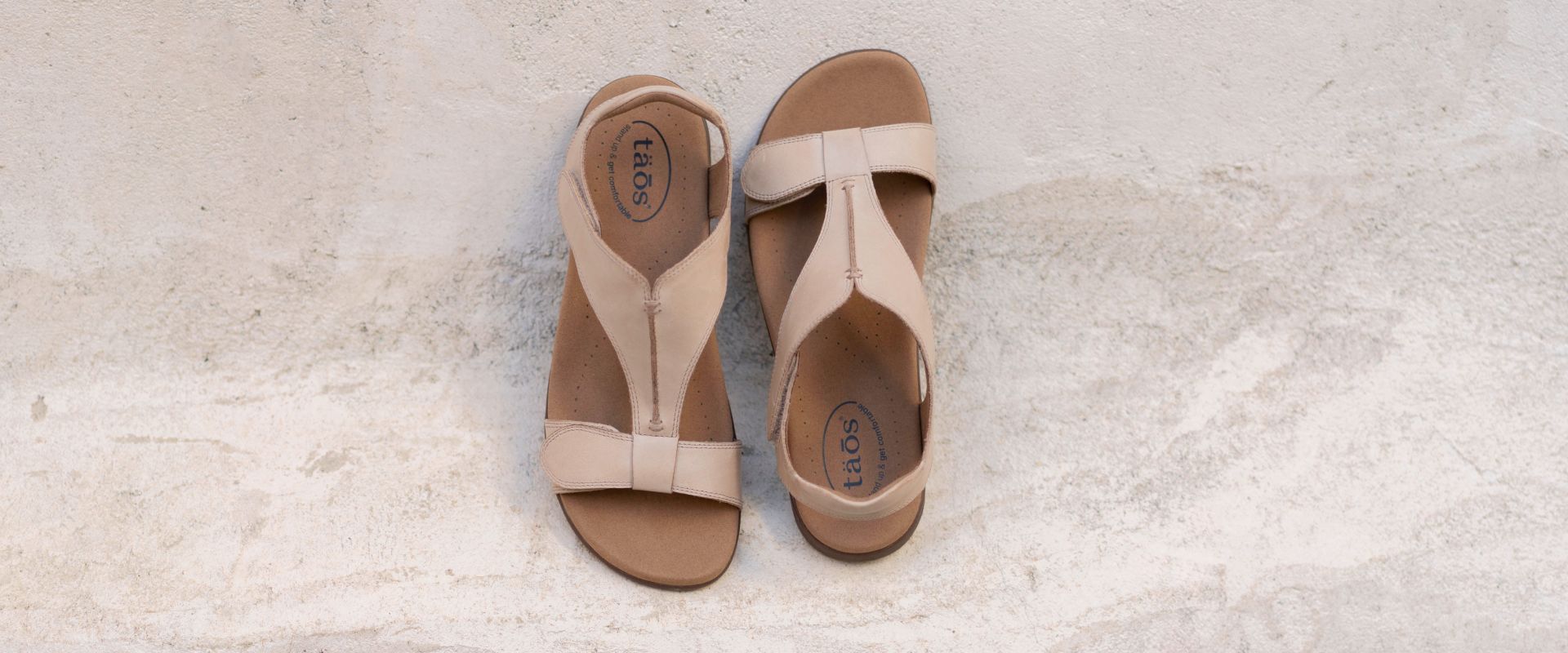
How to clean leather sandal footbeds
Leather needs a lighter touch than rubber. Start by brushing away dry dirt with a soft cloth or brush.
Mix a small amount of mild soap with water. Dampen a cloth, wring it almost dry, and wipe one small area at a time. Do not pour water directly onto the footbed.
Use another barely damp cloth to remove residue. Let the sandals dry naturally at room temperature. Once fully dry, apply a small amount of leather conditioner if the brand permits it.
Keep conditioner away from suede, nubuck, and cork unless the care instructions clearly approve it. Too much conditioner can make the footbed greasy and may darken light leather.
A useful test is the water-drop test. Place one tiny drop in a hidden area and watch for a few minutes. If the leather darkens sharply or develops a ring, use less moisture and avoid liquid cleaning.

How to clean suede and nubuck footbeds
Suede and nubuck should usually be cleaned dry first. Use a suede brush to lift dirt and restore the nap, which is the soft, raised texture.
Brush gently in one direction. For a small dry mark, use a suede eraser, then brush away the crumbs.
For a fresh wet spill, blot with a dry towel. Do not rub the spot, since rubbing can spread the liquid and flatten the fibers. Avoid ordinary soap unless the manufacturer specifically recommends it.
If the footbed has a deep stain, strong odor, or water ring, a professional shoe cleaner may be safer. Home cleaning can sometimes change the color permanently.
The key lesson in how to clean footbed of sandals made from suede is simple: use less water than you think you need. Suede often looks worse when over-cleaned.

How to clean cork, rubber, and EVA footbeds
Cork footbeds often need careful spot cleaning. Use a damp cloth with mild soap, then wipe away residue with a clean cloth. Never soak the cork or leave the sandal sitting in water.
If the cork edge has a protective seal, inspect it after cleaning. Cracks or peeling may allow water to enter. A suitable cork sealer can help, but follow the sandal maker’s instructions.
Rubber and EVA footbeds are more forgiving. You can use a soft brush with mild soapy water, then rinse the brush and wipe the surface clean. Do not use rough scouring pads because they can create tiny grooves that hold dirt.
For white EVA, a paste made from baking soda and a little water may help with surface marks. Test it first, and do not scrub hard. Baking soda is mildly abrasive and may dull a colored or printed surface.

How to remove odor from sandal footbeds
Cleaning removes much of the material that causes odor, but smell may return if the sandals stay damp. Drying and airflow are just as important as scrubbing.
After cleaning, sprinkle a light layer of baking soda on a dry footbed. Leave it overnight, then brush or shake it off the next day. Do not use baking soda on delicate suede unless the manufacturer approves it.
You can also:
• Let sandals air out after each wear
• Rotate between two pairs
• Avoid storing sandals in sealed plastic bags
• Wear clean, dry feet
• Wash and dry feet well between the toes
• Use moisture-wicking socks with suitable sandals
Do not spray perfume onto the footbed. Fragrance may cover odor for a short time, but it does not remove the source. It can also stain leather and irritate sensitive skin.
When dealing with how to clean footbed of sandals that smell, I find that two short cleaning sessions work better than one heavy soaking. Odor is often a moisture problem, not just a dirt problem.
How to treat stains on sandal footbeds
The right stain treatment depends on what caused the mark. Always remove excess material first and test a hidden area.
Mud and dry dirt
Let mud dry completely. Brush it away, then use a damp cloth with mild soap. Cleaning wet mud can push it deeper into the surface.
Food and drink
Blot liquid with a towel. Avoid rubbing. Use a small amount of mild soap solution on leather, rubber, EVA, or washable fabric.
Oil and grease
For rubber or EVA, a little mild dish soap may break down the oil. For leather and suede, avoid home degreasers because they can leave a larger mark. Professional cleaning is often the safer choice.
Ink
Do not use nail polish remover or strong alcohol without checking the care instructions. These products can remove dye along with the ink.
Mold or mildew
If you see fuzzy growth or a musty patch, stop wearing the sandals until they are cleaned and fully dried. Brush outdoors, wear gloves, and follow the manufacturer’s cleaning instructions. Severely affected porous materials may not be possible to restore safely.
Stains that have soaked deep into leather, suede, or fabric may not disappear completely. The goal should be safe improvement, not perfect color restoration at any cost.
How often should you clean sandal footbeds?
The right schedule depends on use, weather, and foot moisture.
For occasional wear, wipe the footbed after several uses. For daily summer wear, do a light wipe once or twice a week. Perform a deeper clean when you notice visible buildup, a sticky feel, or a new odor.
A simple routine looks like this:
-
Brush off dirt after each outdoor wear.
-
Air out the sandals overnight.
-
Wipe the footbed weekly during heavy use.
-
Clean spills as soon as they happen.
-
Inspect the footbed at the end of the season.
Regular care helps prevent stains from becoming permanent. It also lets you find cracks, loose straps, worn seals, or damaged soles before they become safety problems.
Common mistakes to avoid
Many sandal problems come from using too much water or too much force. Avoid these errors when learning how to clean footbed of sandals.
• Do not put leather or cork sandals in a washing machine.
• Do not soak the entire sandal unless the care label says it is washable.
• Do not use bleach to remove odor.
• Do not scrub suede with a wet toothbrush.
• Do not dry sandals on a heater or in intense sun.
• Do not wear them while the footbed is still damp.
• Do not mix cleaning chemicals.
• Do not use a hard brush on soft leather.
I once saw a pair of cork sandals ruined by a well-meant rinse under a faucet. The surface looked clean, but the cork later swelled and the adhesive began to fail. Clean does not always mean soaked; gentle moisture is usually the better choice.
How to protect clean sandal footbeds
Prevention makes future cleaning easier. Start by keeping feet clean and dry before putting on sandals. If your feet sweat heavily, take short breaks and let the sandals breathe.
Store sandals in a dry place with good airflow. A cloth shoe bag is better than an airtight plastic container. Keep them away from damp bathrooms, hot cars, and humid basements.
You can also use:
• A soft footbed liner approved for the sandal
• A small shoe deodorizer that does not touch delicate materials
• Cedar shoe inserts for odor control during storage
• A dry towel to wipe sweat after long wear
Avoid using powders that contain strong fragrance if you have sensitive skin. Stop using any product that causes itching, redness, or burning.
When to replace the sandal footbed
Cleaning cannot fix every problem. Consider repair or replacement when the footbed has deep cracks, exposed foam, a broken cork layer, permanent mold, or a strong odor that returns quickly after cleaning.
Replace sandals if the sole has lost its grip or the straps no longer hold your foot securely. A clean footbed is helpful, but it should not hide a worn-out or unsafe sandal.
Some sandals have replaceable footbeds. A cobbler or the manufacturer may offer a matching replacement. This can cost less than buying a new pair and may preserve a comfortable, well-fitted sandal.
Frequently Asked Questions About How to Clean Footbed of Sandals
Can I wash sandal footbeds with soap and water?
You can use a small amount of mild soap and water on many rubber, EVA, and finished leather footbeds. Use a damp cloth instead of soaking the sandal, and always check the care instructions first.
How do I clean sandal footbeds without damaging them?
Remove dry dirt first, use gentle pressure, and choose a method that matches the material. Test any cleaner on a hidden spot and let the sandals air-dry away from direct heat.
Can I use baking soda on sandal footbeds?
Baking soda can help absorb odor on many dry rubber, EVA, and fabric footbeds. Use it carefully on leather, suede, and nubuck because the powder may dry, mark, or abrade delicate surfaces.
How do I get rid of a bad smell in sandal footbeds?
Clean away sweat and residue, then dry the sandals fully in a well-ventilated room. Baking soda may help on suitable materials, but perfume only covers the smell and does not solve the moisture source.
Can I put sandals in the washing machine?
Most leather, suede, cork, and glued sandals should not go in a washing machine. Machine movement, water, and heat can damage the footbed, straps, adhesives, and shape.
How long do cleaned sandals take to dry?
Lightly wiped sandals may dry within a few hours. Heavier or fabric footbeds can take overnight or longer, so do not wear them until the entire footbed feels dry.
What should I do if mold grows on the footbed?
Keep the sandals away from other shoes and avoid wearing them until you assess the damage. Clean small surface growth outdoors with suitable protection, but porous sandals with deep mold may need professional care or replacement.
Conclusion
Knowing how to clean footbed of sandals starts with identifying the material. Brush away loose dirt, use mild soap and minimal water, remove residue, and let the sandals dry naturally. Leather, suede, cork, rubber, EVA, and fabric each need a slightly different approach.
Clean your sandals before odor and stains become severe. A few minutes of gentle care each week can keep the footbed fresher, more comfortable, and in better shape for longer. Try the safest method for your pair today, and share your best sandal care tip in the comments.

Madison Clark is a footwear expert and the voice behind MyStyleGrid.com. She specializes in honest shoe reviews, style tips, and practical guides to help readers find the perfect pair for any occasion. With years of experience in blogging and content creation, Madison makes footwear knowledge simple, stylish, and easy to follow.