Cowboy boots should fit snugly around your calf without pinching, gaping, rubbing, or limiting natural movement.
Knowing how should cowboy boots fit around calf can make the difference between a sharp, comfortable pair and boots you avoid wearing. The shaft should feel secure but not tight, with enough room for your leg to move and your jeans to sit comfortably. This guide explains the ideal fit, how to measure your calf, common mistakes, and what to do when standard boots feel too narrow.
How Should Cowboy Boots Fit Around Calf?
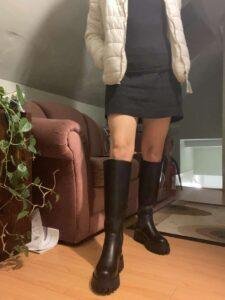
Cowboy boots should fit close to the calf, much like a firm handshake. The shaft should stay in place when you walk, but it should not squeeze your leg or leave deep marks on your skin.
A small amount of space is normal. Your calf will change shape as you sit, stand, and walk. A boot that feels perfect while standing may feel too tight when you bend your knee.
When asking how should cowboy boots fit around calf, look for these signs:
• The boot shaft touches your calf in some areas but does not press hard.
• You can slide one or two fingers between your calf and the shaft.
• The boot does not slide down with each step.
• You can bend your knee and sit without sharp pressure.
• Your jeans fit inside the shaft without creating a painful bulge.
The shaft should not feel loose enough to flap as you walk. Too much space can cause rubbing, while too little space can cause pressure, heat, and numbness.

What a Proper Calf Fit Feels Like
The best calf fit feels secure, flexible, and steady. You should notice the boot around your leg, but it should not become the main thing you feel.
A new leather boot may feel firm at first. Leather often softens and shapes to your leg with wear. However, leather will not safely stretch several inches. Do not buy a painful boot and expect time alone to fix a major size problem.
Here is how should cowboy boots fit around calf during common movements:
While standing
The shaft should sit evenly around your calf. It should not cut into the back of your leg or press sharply against your shin.
While walking
The boot should remain stable. A little movement at the upper shaft is normal, but the shaft should not scrape your skin with every step.
While sitting
Your calf expands slightly when your knee bends. The boot should still feel comfortable when you sit in a chair or climb stairs.
When wearing jeans
Your jeans should slide into the boot without forcing the shaft wider. If the denim bunches tightly, the boot may be too narrow for your leg or your clothing.
A practical test is to wear the socks and pants you normally use with cowboy boots. Fitting the boots with thin dress socks alone can give you a false sense of space.

How to Measure Your Calf for Cowboy Boots
Accurate measurements make it easier to choose boots online or compare wide-calf styles in a store. Measure both legs because one calf may be slightly larger than the other.
Follow these steps:
-
Put on the socks and pants you plan to wear with the boots.
-
Stand naturally with your weight balanced on both feet.
-
Wrap a soft measuring tape around the widest part of your calf.
-
Keep the tape level and comfortably snug.
-
Record the measurement in inches.
-
Measure the other calf and use the larger number.
-
Measure from the floor to the widest part of your calf.
That final measurement matters because cowboy boot shafts vary in height. A tall shaft may reach the widest part of your calf, while a shorter shaft may sit below it.
When checking how should cowboy boots fit around calf, compare your calf measurement with the brand’s shaft circumference. Do not rely on shoe size alone. Two boots with the same foot size can have very different shaft widths.
Keep in mind that brands may measure the shaft at different points. Some list the circumference near the top opening, while others measure lower on the shaft. If the product page is unclear, contact the brand before ordering.

The Difference Between Shaft Height and Shaft Circumference
Many shoppers focus on boot size and overlook shaft measurements. Cowboy boot fit depends on both the foot and the upper shaft.
Shaft height is the distance from the top of the boot to the heel area. Shaft circumference is the distance around the opening or another stated point on the shaft.
These measurements affect how should cowboy boots fit around calf:
• A tall boot may feel tight if its widest point lines up with your fullest calf area.
• A shorter boot may feel more comfortable if it sits below the widest part of your calf.
• A boot with a narrow top opening may be difficult to pull on even when the lower shaft fits.
• Decorative stitching can make a shaft less flexible.
• A boot with a broad, rounded shaft may offer more room than a slim fashion style.
Traditional cowboy boots often have a tapered shaft. Western fashion boots may have a wider or more relaxed shaft. Riding boots, roper boots, and work boots can also differ in height and shape.
The right design depends on your leg shape, clothing, and intended use. A boot made for ranch work may prioritize movement and durability, while a dress western boot may have a closer, more structured fit.

How Tight Is Too Tight?
A snug shaft is useful, but tight boots can create real problems. Pressure around the calf may cause skin irritation, numbness, or pain during long periods of standing.
Your cowboy boots are too tight around the calf if:
• You feel throbbing or sharp pressure.
• The shaft leaves deep marks that remain after removal.
• Your calf becomes numb or tingles.
• You cannot sit or squat comfortably.
• Your jeans feel trapped inside the shaft.
• You have trouble pulling the boot over your calf.
• The boot causes redness or blisters after a short walk.
Do not judge fit only by whether you can force the boot on. A boot that requires intense pulling may place too much pressure on the shaft and your foot.
Circulation also matters. Medical guidance commonly warns against clothing and footwear that cause numbness, tingling, or persistent pressure. If you have diabetes, poor circulation, nerve problems, or swelling in your legs, ask a health professional for personalized advice before wearing tight boots.
When learning how should cowboy boots fit around calf, comfort is not a luxury. It is part of proper fit and safe wear.

How Loose Is Too Loose?
A loose shaft is not always comfortable. If the upper boot moves too much, it can rub against your calf and create hot spots.
The shaft may be too loose if:
• It slides down several inches while walking.
• It folds or collapses around your calf.
• It rubs the same area of skin with each step.
• Wind or movement makes the shaft flap.
• You need thick layers of clothing to keep it in place.
• The boot feels unstable when you climb stairs or walk on uneven ground.
Some movement is normal, especially with pull-on boots. Cowboy boots do not usually fit like zip-up boots. The boot shaft may have a little space because the foot and heel help hold the entire boot in place.
A slightly loose shaft can often work with thicker socks, boot cuffs, or different pants. A very loose shaft may need a different boot style or a professional alteration.

Why Cowboy Boots Can Be Hard to Pull On
Pull-on cowboy boots often feel difficult to put on because the heel must pass through the narrowest part of the boot. This does not always mean the calf opening is too small.
A good boot should pass over the heel with firm effort. Once your foot is inside, your heel should sit properly in the heel pocket. Some heel lift is normal in a new cowboy boot, but excessive lift can cause rubbing.
Use the boot pull straps or pull tabs. Do not yank only on the shaft, since this can damage the leather or stitching.
If the boot stops at your calf, check these possible causes:
• The shaft opening is too narrow.
• Your socks or jeans add too much bulk.
• The boot is not fully open because the leather is stiff.
• The shaft height meets the widest part of your calf.
• The boot is designed for a slimmer leg.
Boots should not cause pain during the first try-on. Firmness is expected. Struggling, pinching, or forcing the boot is a warning sign.

How to Try on Cowboy Boots Correctly
The best time to test cowboy boots is later in the day. Feet and legs can swell slightly after normal activity, so an evening fitting gives a more realistic result.
Use this simple fitting routine:
-
Wear your regular western boot socks.
-
Put on the pants you plan to wear most often.
-
Sit down before pulling on the boots.
-
Use the pull tabs rather than stretching the shaft by hand.
-
Stand and walk on a clean surface.
-
Bend your knees and sit in a chair.
-
Check the calf, ankle, instep, toes, and heel.
-
Keep the boots on for at least 10 to 15 minutes.
Your toes should have room to move. They should not hit the front when you walk downhill. The ball of your foot should rest over the widest part of the sole, and the instep should feel secure.
In my own boot-fitting experience, the most common mistake is checking only the foot. A buyer finds the toe shape comfortable, then notices at home that the calf opening is too tight for jeans. The lesson is simple: test the full boot, not just the toe box.

Choosing Cowboy Boots for Wide Calves
If standard cowboy boots feel tight around your legs, look for wide-calf or relaxed-shaft designs. Some brands list the shaft circumference, while others use terms such as wide shaft, full calf, relaxed fit, or extended calf.
Features that may help include:
• A shorter shaft that sits below the widest part of the calf.
• Stretch panels near the back or sides.
• A wider shaft opening.
• Soft leather with less structure.
• A side zipper or elastic insert.
• A roper-style boot with a shorter, roomier shaft.
• Adjustable straps on western-inspired boots.
Traditional cowboy boots often have a fixed shaft, so they may offer less calf flexibility than modern western boots. That does not make them inferior. It simply means the shaft must match your leg shape more closely.
Do not size up in the foot just to gain calf room. A boot that is too large in the foot may slip, create blisters, and affect your balance. Choose the correct foot size first, then find a shaft shape that fits your calf.
Can Cowboy Boots Be Stretched Around the Calf?
Leather cowboy boots can stretch modestly with careful wear. A professional boot repair shop may also stretch the shaft in a specific area.
Stretching works best when the boot is only slightly tight. It is not a good solution for a shaft that is several inches too small.
Safe options include:
• Wearing the boots for short periods with normal boot socks.
• Using a professional shaft stretcher.
• Asking a cobbler to add a leather gusset or elastic panel.
• Choosing a wider shaft from the start.
Avoid soaking the boots or using intense heat. Water can damage leather, affect dyes, and weaken adhesives. Heat can dry the leather, change its shape, and damage the finish.
A professional cobbler can assess the leather, stitching, lining, and shaft construction. This is especially important for expensive handmade boots or boots with decorative embroidery.
When considering how should cowboy boots fit around calf, alterations should improve a close fit. They should not turn an unsuitable boot into a painful one.
Common Calf-Fit Mistakes to Avoid
Many boot problems begin before the first walk outdoors. A few simple mistakes can lead to pain, returns, or damaged boots.
Avoid these errors:
• Buying by foot size alone.
• Measuring the calf while sitting.
• Measuring over thin socks when you wear thick socks.
• Ignoring the larger calf measurement.
• Assuming leather will stretch dramatically.
• Wearing boots only for a few seconds in the store.
• Pulling hard on the shaft instead of using the pull tabs.
• Judging fit before trying on your usual jeans.
• Keeping boots that cause numbness or sharp pain.
• Sizing up the whole boot to solve a calf problem.
One mistake I have seen often is mistaking pressure at the instep for a calf issue. A boot that does not slide over the instep may seem too small at the calf, even when the real problem is the foot opening. Check each area separately before deciding what needs to change.
How Cowboy Boots Should Fit Different Calf Shapes
Every leg has a different shape. Some people have a fuller lower calf, while others have more width near the top. A standard shaft may fit one person well and feel wrong on another.
If your calf is fuller near the bottom, a shorter shaft may prevent pressure at the widest point. If your calf is fuller near the top, look for a wider opening or a relaxed shaft.
For muscular calves, flexible leather and a roomier shaft may provide better comfort. For slimmer calves, a structured shaft can help prevent excessive movement.
The ideal answer to how should cowboy boots fit around calf depends on more than one number. Consider:
• Your calf circumference.
• The location of your widest calf point.
• Shaft height.
• Leather stiffness.
• Sock thickness.
• Pants style.
• How long you plan to wear the boots.
A good fit should support your normal movement, not force your leg into one rigid position.
Breaking In Cowboy Boots Without Hurting Your Calves
Breaking in boots should be gradual. Your feet and calves need time to adjust to new leather, seams, and pressure points.
Start by wearing the boots indoors for 20 to 30 minutes. Walk, sit, and climb a few steps. Remove them at the first sign of sharp pain or numbness.
Over the next several wears:
• Increase wear time slowly.
• Use clean, moisture-wicking boot socks.
• Apply leather conditioner only when suitable for the leather type.
• Protect rubbing areas with a blister pad.
• Let the boots rest and dry naturally between wears.
• Keep the boots away from radiators, hair dryers, and direct high heat.
Some heel movement is normal during break-in. Constant heel slipping is not. Likewise, a firm calf fit may relax slightly, but serious pressure should not be accepted as part of the process.
The right question is not whether the boot feels soft on day one. Ask whether it feels supportive and manageable while your body moves.
Fit Tips for Work, Riding, and Casual Wear
The best calf fit may vary by purpose. Work boots need stable support during long hours. Riding boots need a secure shaft that does not interfere with the stirrup or saddle. Casual boots can offer more style flexibility.
For work:
• Choose a stable shaft with enough room for thick socks.
• Check comfort during squatting and climbing.
• Make sure the boot does not restrict circulation during long shifts.
For riding:
• Avoid a shaft that bunches behind the knee.
• Confirm that the heel and sole work with your stirrups.
• Follow the fit advice from your riding instructor or boot maker.
For casual wear:
• Match the shaft to your jeans and preferred silhouette.
• Consider a flexible fashion-western boot if you dislike stiff leather.
• Focus on comfort if you plan to walk for several hours.
Boot construction also matters. Goodyear welted, stitched, and cemented boots can feel different around the ankle and shaft. Materials such as full-grain leather, suede, synthetic leather, and stretch fabric also respond differently over time.
Frequently Asked Questions About How Should Cowboy Boots Fit Around Calf
Should cowboy boots be tight around the calf?
Cowboy boots should feel snug but not tight. You should be able to move, sit, and wear your usual socks and pants without pain, numbness, or deep pressure marks.
How much room should be between my calf and cowboy boots?
A small amount of room is normal. As a general comfort check, you should usually be able to fit one or two fingers between your calf and the shaft without forcing them.
Will cowboy boots stretch around the calf?
Leather may loosen slightly with regular wear or professional stretching. It will not usually expand enough to fix a boot that is substantially too small.
Why do my cowboy boots rub my calves?
Rubbing can come from a loose shaft, stiff leather, rough seams, or socks that do not protect your skin. Short indoor wear sessions and better socks may help, but persistent rubbing may mean the shaft shape is wrong.
Should I buy a larger boot size for more calf room?
No. A larger foot size can cause heel slipping and blisters without solving the calf problem. Choose the correct foot size and select a wider or more flexible shaft instead.
Are wide-calf cowboy boots better for thick calves?
Wide-calf cowboy boots can provide a more comfortable shaft circumference and reduce pressure. Still, check the actual measurements because “wide calf” is not a universal standard among brands.
Can I wear cowboy boots if I have swollen calves?
You should avoid boots that cause pressure, tingling, or numbness. If you have frequent leg swelling or a medical condition that affects circulation, speak with a health professional before choosing tight-fitting footwear.
Conclusion
Cowboy boots should fit snugly around the calf without pinching, rubbing, sliding, or limiting movement. Measure your larger calf while standing, compare it with the brand’s shaft measurements, and try the boots with your usual socks and jeans.
Remember that the correct foot size comes first. If the shaft feels wrong, choose a wide-calf style, a shorter shaft, a more flexible material, or a professional alteration instead of forcing an unsuitable pair.
Use these checks the next time you shop for western boots, and you will make a more confident choice. Explore more boot-fitting guides or share your own fitting tips in the comments.

Madison Clark is a footwear expert and the voice behind MyStyleGrid.com. She specializes in honest shoe reviews, style tips, and practical guides to help readers find the perfect pair for any occasion. With years of experience in blogging and content creation, Madison makes footwear knowledge simple, stylish, and easy to follow.