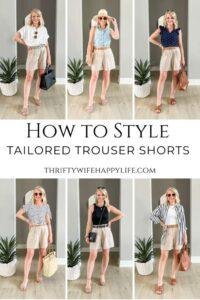
Tailored trousers look polished with balanced proportions, smart layers, and shoes that match the occasion.
Learning how to style tailored trousers can transform a small wardrobe into many useful outfits. These trousers bring the clean lines of suiting without forcing you into a full suit. With the right fit, color, fabric, and accessories, you can wear them to work, dinner, travel, or a relaxed weekend.
I have found that the best outfits start with proportion rather than trends. A neat trouser line needs an intentional top, a clear waist shape, and shoes that support the mood. This guide explains how to style tailored trousers with practical outfit formulas, fit advice, seasonal ideas, and simple mistakes to avoid.

What Are Tailored Trousers?
Tailored trousers are structured pants made with a clean shape and refined details. They often have a flat front or pleats, belt loops or side adjusters, pressed creases, and a waistband that sits neatly at the waist or hips.
Unlike casual jeans or sweatpants, tailored trousers usually use fabrics such as wool, cotton twill, linen, polyester blends, or lightweight suiting cloth. Their structure gives an outfit a sharper finish, even when you pair them with a simple T-shirt.
Tailored trousers are not limited to formal clothing. The final look depends on the fabric, cut, color, and styling. Wide-leg wool trousers can look elegant, while relaxed cotton trousers may feel casual and modern.
Common styles include:
• Straight-leg trousers with an even width from hip to ankle
• Wide-leg trousers with a dramatic, flowing shape
• Pleated trousers with extra room through the front
• Tapered trousers that narrow toward the ankle
• Cropped trousers that end above the shoe
• High-waisted trousers that lengthen the appearance of the legs
Understanding these shapes makes how to style tailored trousers much easier. The trouser cut sets the visual mood, so your top and shoes should support it rather than compete with it.
Start With the Right Fit
Fit is the foundation of how to style tailored trousers. Even an expensive pair will look untidy if the waistband digs in, the seat pulls, or the hem breaks in the wrong place.
The waistband should sit securely without needing constant adjustment. You should be able to slide one or two fingers into the waistband, but there should not be a large gap at the back.
Check the following areas before you buy:
• Waist: It should feel secure while sitting and standing.
• Hips: The fabric should lie smoothly without horizontal strain lines.
• Rise: The rise should feel comfortable and support the way you move.
• Thighs: You need enough space to walk, sit, and climb stairs.
• Seat: Avoid pulling, sagging, or excess fabric beneath the seat.
• Hem: The length should suit both the trouser cut and your shoes.
A tailor can often adjust the waist, hem, and seat. Major changes to the rise or leg shape are harder and may affect the design. For this reason, prioritize a good fit through the hips and thighs when shopping.
In my experience, people often buy trousers too large because they dislike a close waist. A better approach is to choose a comfortable base size and adjust the waistband if needed. Excess fabric can make the whole outfit look careless.
Choose a Trouser Shape That Suits Your Outfit
The trouser silhouette controls balance. A wide leg adds volume below the waist, while a slim or tapered leg creates a more streamlined line.
Here is how to style tailored trousers by shape:
Straight-leg tailored trousers
Straight-leg trousers are the easiest option for daily wear. They work with button-down shirts, knit tops, blazers, loafers, and clean sneakers.
Try a tucked-in shirt with a slim belt for a classic office outfit. For a casual look, add a fitted T-shirt and a cropped jacket. The straight shape gives you room to experiment without looking extreme.
Wide-leg tailored trousers
Wide-leg trousers look best when the upper half has some structure. A fitted knit, tucked shirt, or short jacket can prevent the outfit from appearing too loose.
You can also wear a longer fluid top, but create a clear point of shape. A half tuck, visible belt, or defined shoulder line helps the outfit feel intentional.
Pleated tailored trousers
Pleats add comfort and visual interest. They pair well with tucked shirts, fine-gauge sweaters, polo shirts, and structured jackets.
Avoid adding too much volume everywhere. Pleated trousers with an oversized shirt and a long, loose coat may look heavy unless the fabrics are light and the proportions are carefully balanced.
Cropped tailored trousers
Cropped trousers draw attention to the ankle and shoe. They look sharp with loafers, ballet flats, sleek sneakers, ankle boots, or low-profile sandals.
Make sure the hem does not stop at the widest part of your calf. A hem that ends slightly above the ankle often creates a cleaner line.
How to Style Tailored Trousers for Work
For a professional setting, pair tailored trousers with pieces that have clear shape and modest detail. A crisp shirt, fine knit, blazer, or polished cardigan usually works well.
A simple office formula is:
-
Choose neutral trousers in navy, charcoal, black, taupe, or gray.
-
Add a white, blue, cream, or soft striped shirt.
-
Define the waist with a tuck or a slim belt.
-
Finish with loafers, pumps, oxfords, or clean leather flats.
-
Add a structured tote or simple work bag.
A matching blazer creates a suit-like outfit. You do not need the jacket and trousers to be the same color, but they should share a similar level of formality. For example, charcoal trousers with a navy blazer look more polished than charcoal trousers with a very casual denim jacket.
For a relaxed office, replace the blazer with a cardigan or a fine-knit polo. Keep the trousers pressed and the shoes neat. Small details matter because tailored clothing shows wrinkles, lint, and worn footwear more clearly.
How to Style Tailored Trousers Casually
Tailored trousers can look relaxed when you mix formal and casual pieces. This contrast often creates a more modern outfit than wearing several formal items together.
Try these combinations:
• Wool trousers with a plain cotton T-shirt and white sneakers
• Cotton trousers with a denim shirt and suede loafers
• Wide-leg trousers with a fitted tank and a cropped cardigan
• Pleated trousers with a casual polo shirt and low-profile sneakers
• Gray trousers with a sweatshirt, leather belt, and clean boots
The key is condition and proportion. A casual top should still fit well and look fresh. Avoid a stretched neckline, heavy stains, or a very worn graphic if you want the trousers to remain the focus.
A tucked T-shirt gives a sharper result, while an untucked shirt feels more relaxed. If the shirt is long, use a front tuck rather than a full untuck. This keeps the leg line visible and stops the outfit from looking shapeless.
Build a Simple Smart-Casual Outfit
Smart casual can be confusing because the dress code has no single definition. In most cases, it means polished but not formal. Tailored trousers are useful here because they sit between jeans and suit pants.
A reliable smart-casual outfit includes:
• Neutral tailored trousers
• A textured knit or Oxford shirt
• A casual blazer, overshirt, or chore jacket
• Loafers, derbies, boots, or simple sneakers
• One understated accessory, such as a watch or leather bag
Texture helps soften the formal feel. Try a cotton shirt, suede shoes, ribbed knit, corduroy jacket, or brushed wool coat. These fabrics add depth without making the outfit look busy.
One mistake I often see is mixing too many “smart” items at once. A dress shirt, shiny belt, formal blazer, polished shoes, and tailored trousers can look stiff. Use one relaxed piece to make the outfit feel current.
Pair Tailored Trousers With the Right Tops
The top should balance the trouser shape and match the level of formality. When learning how to style tailored trousers, begin with the top’s length and volume.
Fitted tops work well with wide-leg trousers because they create contrast. They do not need to be tight. A close-fitting knit or a neat tucked shirt can create the same effect.
Relaxed tops work best with straight or slim trousers. If you prefer an oversized shirt, show some waist or ankle to keep the outfit from becoming one large block of fabric.
Good top options include:
• Button-down shirts for a classic, polished look
• Fine-knit sweaters for an easy office outfit
• T-shirts for a clean casual look
• Polo shirts for smart-casual dressing
• Blouses for a softer, more refined result
• Cropped jackets for strong proportion
• Vests for a modern tailored outfit
When deciding whether to tuck, consider the rise. High-waisted trousers often look best with a full tuck or a short top. Mid-rise trousers can work with a half tuck, untucked shirt, or short jacket.
Select Shoes That Complete the Look
Shoes can change the entire message of tailored trousers. A loafer looks traditional, a sneaker feels casual, and a pointed shoe creates a longer visual line.
Match your footwear to the trouser hem:
• Full-length trousers pair well with loafers, boots, derbies, and low heels.
• Cropped trousers work with loafers, flats, sneakers, and ankle boots.
• Wide-leg trousers often need a shoe with enough height or visual weight.
• Tapered trousers suit streamlined shoes that do not overwhelm the ankle.
Avoid a large gap between the hem and a tall boot unless the styling is deliberate. This can make the leg line look broken. Socks also matter. Visible socks can add personality, while no-show socks create a lighter summer effect.
For daily wear, clean white or cream sneakers are useful. Leather loafers add polish without feeling too formal. In colder months, an ankle boot with a narrow or medium shaft usually works well under a straight or wide leg.
Use Color and Pattern With Intention
Neutral trousers are easy to wear, but color can make tailored outfits more expressive. Start with one main color and add contrast through the top or accessories.
Useful trouser colors include:
• Black for a sleek, high-contrast outfit
• Navy for a softer alternative to black
• Gray for work and smart-casual looks
• Beige or taupe for spring and summer
• Brown for warm, relaxed outfits
• Olive for a casual utility-inspired style
If your trousers have a pattern, keep the rest of the outfit simple. Pinstripes, checks, and windowpane designs already create visual interest. A plain knit or shirt lets the trousers lead.
Monochrome dressing can make the outfit look longer and more refined. For example, cream trousers with a beige top create a soft line. Add darker shoes or a belt if you want more definition.
Color contrast should also fit the setting. Bright trousers may suit weekend dressing, while muted colors usually work better in conservative offices.
Style Tailored Trousers by Season
The best way to wear tailored trousers changes with the weather. Fabric, layering, and footwear all affect comfort.
Spring
Choose cotton, linen blends, tropical wool, or lightweight synthetic blends. Pair them with cotton shirts, fine sweaters, ballet flats, loafers, or clean sneakers.
Summer
Look for breathable linen, linen blends, cotton, or lightweight seersucker. Wear tailored trousers with sleeveless tops, short-sleeve shirts, woven belts, and sandals or loafers.
Linen wrinkles easily. That is part of its character, but heavy creasing can look messy. Hang linen trousers after washing and steam them before wearing.
Fall
Use wool, corduroy, brushed cotton, or heavier twill. Add knit polos, sweaters, overshirts, leather jackets, and ankle boots.
Winter
Wear wool trousers with thermal layers, fine-gauge knitwear, long coats, and sturdy boots. Trousers with a slightly wider leg can fit over boots more easily than a very narrow cut.
Fabric weight should guide your layers. Light trousers under a heavy coat may feel unbalanced, while thick trousers with a thin summer shirt may not provide enough warmth.
Accessorize Without Overloading the Outfit
Accessories should support the clean structure of tailored trousers. A belt, watch, bag, scarf, or simple jewelry can add personality without distracting from the fit.
Use these guidelines:
• Match the belt formality to the shoes.
• Choose a structured bag for work and a softer bag for casual outfits.
• Keep jewelry simple when the trousers have pleats or a strong pattern.
• Use a watch or bracelet to add a small point of interest.
• Choose socks that either blend with the trousers or create a deliberate contrast.
Belts are especially useful with high-waisted trousers. A slim belt gives definition, while a wider belt creates a stronger statement. If the trousers have side adjusters, you can skip the belt for a cleaner finish.
Do not feel pressure to accessorize every part of the outfit. A good outfit often needs one strong detail, not five competing ones.
Care for Tailored Trousers
Proper care helps tailored trousers keep their shape. Always check the care label because fabric blends can have different cleaning needs.
Helpful habits include:
• Hang trousers from the waistband or use a clamp hanger.
• Empty pockets before hanging or washing.
• Use a steamer to remove light wrinkles.
• Avoid washing wool trousers at home unless the label allows it.
• Rotate pairs instead of wearing the same pair every day.
• Brush away lint with a clothing brush.
• Repair loose hems or buttons early.
A pressed crease can make a major difference. However, avoid pressing directly over delicate fabrics without checking the care instructions. A pressing cloth can protect the surface from shine.
Tailored trousers also benefit from rest. Giving the fabric time to recover between wears can reduce odor, creasing, and premature wear.
Mistakes to Avoid
Knowing how to style tailored trousers also means knowing what can weaken the outfit. Most problems come from fit, proportion, or poor coordination rather than from the trousers themselves.
Avoid these common mistakes:
• Wearing trousers that pull across the hips or seat
• Choosing a hem that bunches heavily over the shoe
• Pairing wide trousers with a long, oversized top and no shape
• Wearing formal trousers with visibly worn sneakers
• Matching several different shades of black that clash
• Ignoring wrinkles, lint, or loose threads
• Adding a belt that is too wide for the belt loops
• Choosing a trouser fabric that does not suit the weather
One lesson I learned early is that a small alteration can improve an outfit more than a new purchase. A modest hem adjustment often creates a cleaner line and helps shoes sit correctly under the trousers.
Easy Outfit Formulas to Try
If you are unsure where to begin, use a simple outfit formula. These combinations are easy to adapt to different body shapes, workplaces, and personal styles.
The classic office formula
Gray tailored trousers, a white shirt, a navy blazer, brown loafers, and a structured bag create a dependable professional outfit.
The relaxed weekend formula
Wide-leg trousers, a tucked cotton T-shirt, clean sneakers, and a cropped jacket feel casual but considered.
The polished monochrome formula
Black trousers, a black knit top, black loafers, and a gray or camel coat create a sleek city look.
The warm-weather formula
Beige linen trousers, a lightweight striped shirt, leather sandals, and a woven tote work well for summer.
The modern tonal formula
Brown trousers, a cream sweater, dark brown shoes, and a matching belt create warmth without strong contrast.
Use these as starting points, not strict rules. Change the shoe, jacket, or accessory to make each look feel like your own.
Frequently Asked Questions About How to Style Tailored Trousers
What tops look best with tailored trousers?
Button-down shirts, fine sweaters, fitted T-shirts, polo shirts, and structured blouses all work well. Balance the top with the trouser shape by pairing fitted tops with wide legs and relaxed tops with straight or slim legs.
Can you wear sneakers with tailored trousers?
Yes, sneakers can make tailored trousers look modern and relaxed. Choose clean, simple sneakers with a low or medium profile, and make sure the trouser hem does not bunch heavily around the shoe.
Should tailored trousers be tight or loose?
Tailored trousers should fit comfortably without pulling or sagging. The best fit gives your waist, hips, seat, and thighs enough room while keeping a clean line through the leg.
Can you wear tailored trousers casually?
Yes, pair them with a T-shirt, sweatshirt, denim shirt, casual knit, sneakers, or boots. The fabric and accessories also affect the mood, so relaxed textures can make formal trousers feel more casual.
Should you tuck your shirt into tailored trousers?
A tuck often works well because it shows the waistband and keeps the proportions clear. However, an untucked shirt or short jacket can also work if the length does not hide the entire shape of the trousers.
What shoes should you wear with wide-leg tailored trousers?
Loafers, boots, platforms, low heels, and substantial sneakers can work well. Choose footwear with enough visual weight to balance the wider leg, and check that the hem does not drag on the ground.
Are tailored trousers suitable for summer?
Yes, especially when made from linen, cotton, seersucker, or lightweight wool. Choose breathable fabrics and pair them with short-sleeve shirts, sleeveless tops, loafers, sandals, or lightweight sneakers.
Conclusion
Learning how to style tailored trousers begins with fit, proportion, and purpose. Choose a comfortable cut, balance the volume of your top, select shoes that suit the hem, and use color or texture to set the mood. With these simple choices, one pair can work for the office, weekends, travel, dinner, and every setting in between.
Start with one reliable neutral pair and test a few outfit formulas. Try a tucked shirt, a clean T-shirt, a knit sweater, and different shoes to see what feels natural. Once you find your best proportions, explore new fabrics, colors, and patterns. Share your favorite tailored trouser outfit or explore more practical styling guides for fresh wardrobe ideas.
Rubel Miah is the Senior Editor at MyStyleGrid.com, where he brings a sharp editorial eye and an unshakable love for fashion to everything he does. A true style addict, Rubel lives and breathes trends, from streetwear to high fashion, and has a knack for turning inspiration into impactful stories. With years of experience in fashion journalism and digital media, he curates content that empowers readers to express themselves through style. When he’s not editing features or forecasting the next big thing, you’ll find him hunting down vintage pieces or capturing street style moments around the city.