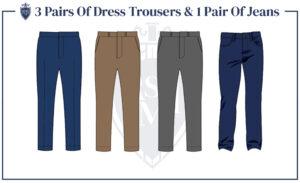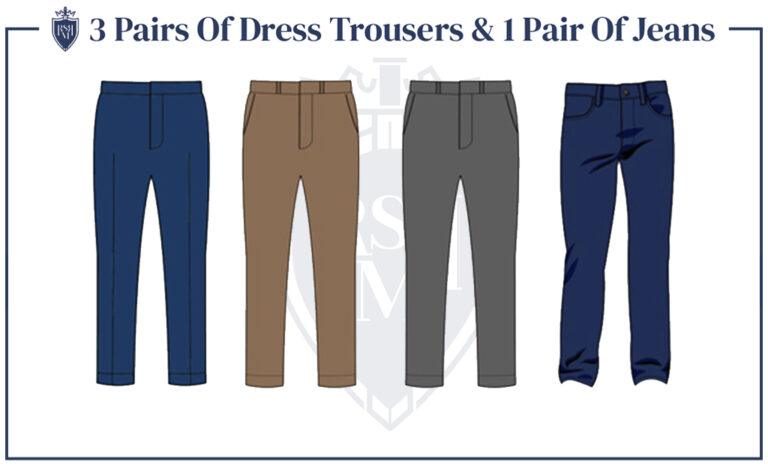
Dress pants usually cost $30 to $300, with luxury pairs reaching $500 or more.
How much do dress pants cost depends on fabric, construction, brand, fit, and where you shop. A basic pair for work may cost less than $50, while tailored wool trousers can cost several hundred dollars. This guide breaks down each price range so you can find pants that look sharp, feel comfortable, and fit your budget.
Average Cost of Dress Pants
For most shoppers in the United States, dress pants cost between $30 and $300 per pair. The average price sits near $80 to $150 for trousers that offer good comfort, fit, and durability.
Here is a simple breakdown:
• Budget dress pants: $20 to $50
• Mid-range dress pants: $50 to $150
• Premium dress pants: $150 to $300
• Designer dress pants: $300 to $700 or more
• Custom or made-to-measure pants: $300 to $1,000 or more
These prices are general estimates. Sales, seasonal discounts, outlet shopping, and special events can change the final cost.
A low price does not always mean poor quality. Some affordable pants use a simple polyester blend and basic stitching, but they may still work well for occasional office wear. On the other hand, an expensive pair may use better wool, stronger seams, and a more refined cut.
Dress Pants Cost by Price Range
The best way to understand how much do dress pants cost is to compare what each price range offers. Think of the price as a ladder. Each step may bring better fabric, cleaner construction, improved comfort, or a stronger brand name.
Budget dress pants: $20 to $50
Budget dress pants are common at large department stores, discount retailers, and online shops. They often use polyester, rayon, nylon, or a blend with a small amount of elastane.
These pants can be a smart choice if you need:
• A backup pair for work
• Pants for a one-time interview
• School uniforms or event clothing
• A simple pair for occasional use
The main trade-off is durability. Budget pants may show shine at the knees or seat after frequent wear. They may also wrinkle more easily and offer fewer size and fit options.
Mid-range dress pants: $50 to $150
This is often the best value range for everyday wear. Mid-range dress pants usually offer better fabric, more reliable stitching, improved waistbands, and a wider selection of cuts.
You may find:
• Wool blends
• Stretch cotton trousers
• Wrinkle-resistant fabric
• Better pocket construction
• More accurate sizing
• Improved lining and finishing
For many office workers, two or three pairs in this range create a useful work wardrobe. Rotating them also gives the fabric time to recover between wears.
Premium dress pants: $150 to $300
Premium dress pants often use fine wool, high-quality cotton, linen blends, or advanced performance fabrics. They may also come from brands known for tailoring and menswear design.
At this price, you should expect:
• A smoother and more comfortable fabric
• A better shape through the seat and thigh
• Stronger belt loops and pocket seams
• Cleaner pressing and finishing
• Better long-term appearance
Premium pants are not automatically perfect. A poor fit can make a $250 pair look worse than a well-fitted $60 pair. Fit remains one of the most important parts of the value.
Designer dress pants: $300 to $700 or more
Designer dress pants cost more because of brand prestige, limited production, design details, and premium materials. Some use rare fabrics or special finishing methods.
The higher price may make sense if you value:
• A distinct fashion style
• Exclusive fabric or color choices
• Luxury construction
• Brand reputation
• A statement piece for formal events
However, the extra cost often reflects the label as much as the construction. Compare fabric, stitching, fit, and care needs before assuming a designer price means better performance.
What Affects the Cost of Dress Pants?
Several details influence how much do dress pants cost. Understanding these factors helps you judge whether a pair is fairly priced.
Fabric
Fabric is one of the biggest price factors. Polyester pants tend to cost less because the material is inexpensive and easy to produce. Wool, cashmere blends, silk blends, and high-quality linen usually cost more.
Common dress pant fabrics include:
• Polyester: Affordable, strong, and often wrinkle resistant
• Wool blend: Comfortable, breathable, and suitable for office wear
• Merino wool: Soft, light, and often more expensive
• Cotton: Comfortable and casual, but prone to wrinkles
• Linen: Cool and breathable, but naturally creased
• Stretch blends: Flexible and comfortable for long days
A fabric label tells you more than the brand name alone. For example, a pair made with 100% wool may cost more than a polyester pair, but it may also breathe better and drape more naturally.
Construction
Construction refers to how the pants are made. Strong stitching, well-attached buttons, reinforced pockets, and a stable waistband can increase production costs.
Look closely at:
• Even seams
• Secure buttons
• Neat hems
• Smooth zipper movement
• Reinforced pocket openings
• A waistband that lies flat
Small details often reveal quality. Loose threads and uneven seams may signal rushed production.
Brand
Brand reputation affects the price of dress pants. A well-known label may charge more for design, marketing, retail space, and customer service.
This does not mean every lesser-known brand offers poor quality. In fact, some smaller brands provide excellent trousers without a large luxury markup. Read the material details and check customer reviews before making a choice.
Fit and sizing
Specialized fits can raise the price. Athletic, slim, relaxed, short, tall, and extended-size options may require more pattern development and inventory.
A pair that fits well can save money on alterations. If the waist, rise, and seat fit correctly, a tailor may only need to adjust the hem.
Place of purchase
Where you shop has a major effect on how much do dress pants cost. Department stores often offer sales, while specialty menswear stores may include more fitting help and alteration services.