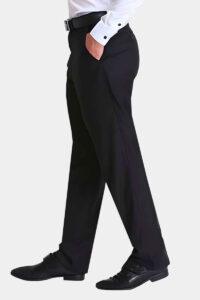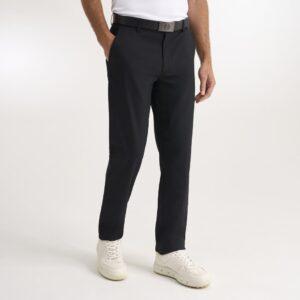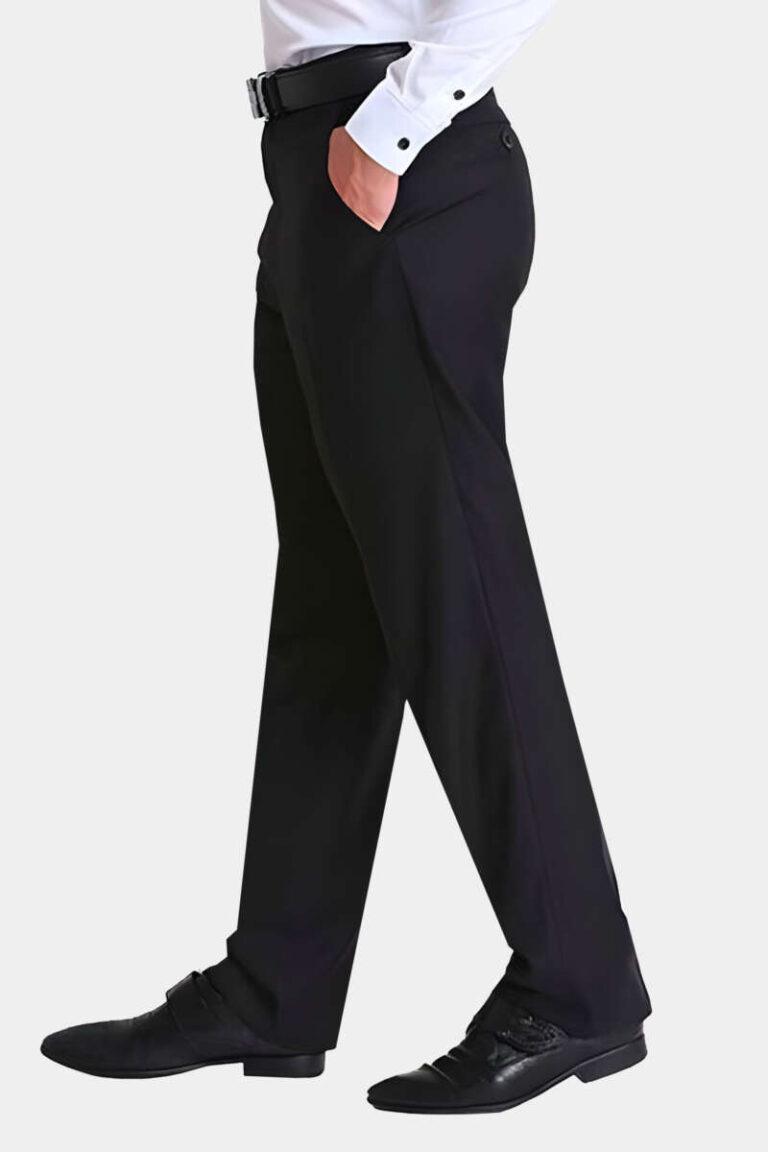
The best way to buy men's dress pants is to match fit, fabric, rise, and use.
Learning how to buy men's dress pants becomes much easier when you treat the process like building an outfit foundation. The right pair should feel comfortable, hang cleanly, suit the occasion, and work with the shirts and shoes you already own. This guide explains what experienced shoppers and tailors look for, plus the common mistakes that can make expensive pants look poor.
Know What Makes Dress Pants Different
Dress pants are trousers made for polished outfits. They may be part of a suit, but they can also be worn with a blazer, dress shirt, sweater, or smart polo. They usually have a cleaner shape and finer fabric than jeans, chinos, or casual trousers.
Before you learn how to buy men's dress pants, know the main types:
• Suit trousers are made from the same fabric as a matching jacket. They should usually be purchased as part of a suit.
• Separate dress pants are designed to work with different jackets and shirts. They offer more outfit options.
• Flat front pants have a smooth front and a modern, streamlined look.
• Pleated pants have folds at the waist. They can provide more room and a classic appearance.
• Tuxedo trousers are formal pants with a satin stripe and a specific waistband design. They are not a substitute for standard dress pants.
The best choice depends on your lifestyle. A man who attends business meetings may need dark wool trousers. Someone dressing for weddings may want charcoal or navy pants. For warm weather, tropical wool, cotton blends, or linen blends may feel better.
When I help someone choose dress pants, I first ask where they will wear them. Many shoppers start with color or brand. That often leads to a pair that looks good on a hanger but does not suit their daily needs.
Start With the Right Measurements
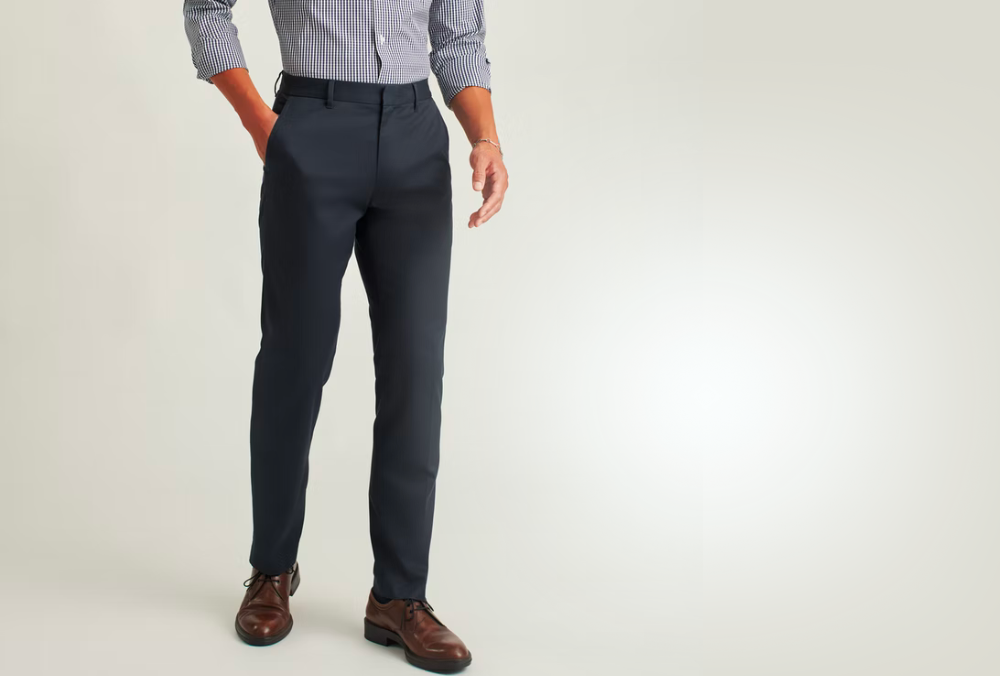
Accurate measurements are the foundation of learning how to buy men's dress pants. Pants that are too tight pull across the hips. Pants that are too loose create folds and can look untidy, even with a fine fabric.
You need these basic measurements:
• Waist: Measure around the place where the waistband will sit. Keep the tape level and leave enough room for normal breathing.
• Seat: Measure around the fullest part of your hips and seat. This measurement is important for comfort when sitting.
• Inseam: Measure from the crotch seam to the bottom of the leg. You can measure a well-fitting pair of pants or ask a tailor to measure you.
• Rise: Rise is the distance from the crotch seam to the top of the waistband. A higher rise gives more coverage, while a lower rise creates a more modern look.
• Thigh: Measure around the fullest part of your upper leg. This helps if standard pants often feel tight when you sit or walk.
Men’s clothing sizes are not fully standardized. A 34-inch waist in one brand may fit differently from a 34-inch waist in another. Always check the brand’s size chart and compare it with your own measurements.
Do not measure after a large meal or while wearing thick clothing. Stand naturally, keep the tape snug but not tight, and measure twice if the number seems unusual.
Use a Pair You Already Own
A favorite pair of pants can provide useful information. Lay them flat and measure the waistband from one side to the other. Double that number for an approximate waist measurement.
You can also measure the inseam, front rise, back rise, thigh, knee, and leg opening. This method works well when shopping online because it lets you compare garment measurements rather than relying only on a size label.
Still, this method has limits. Fabric may stretch, and pants may have changed shape after washing or dry cleaning. Use these measurements as a guide, not as an absolute rule.
Choose the Best Fit
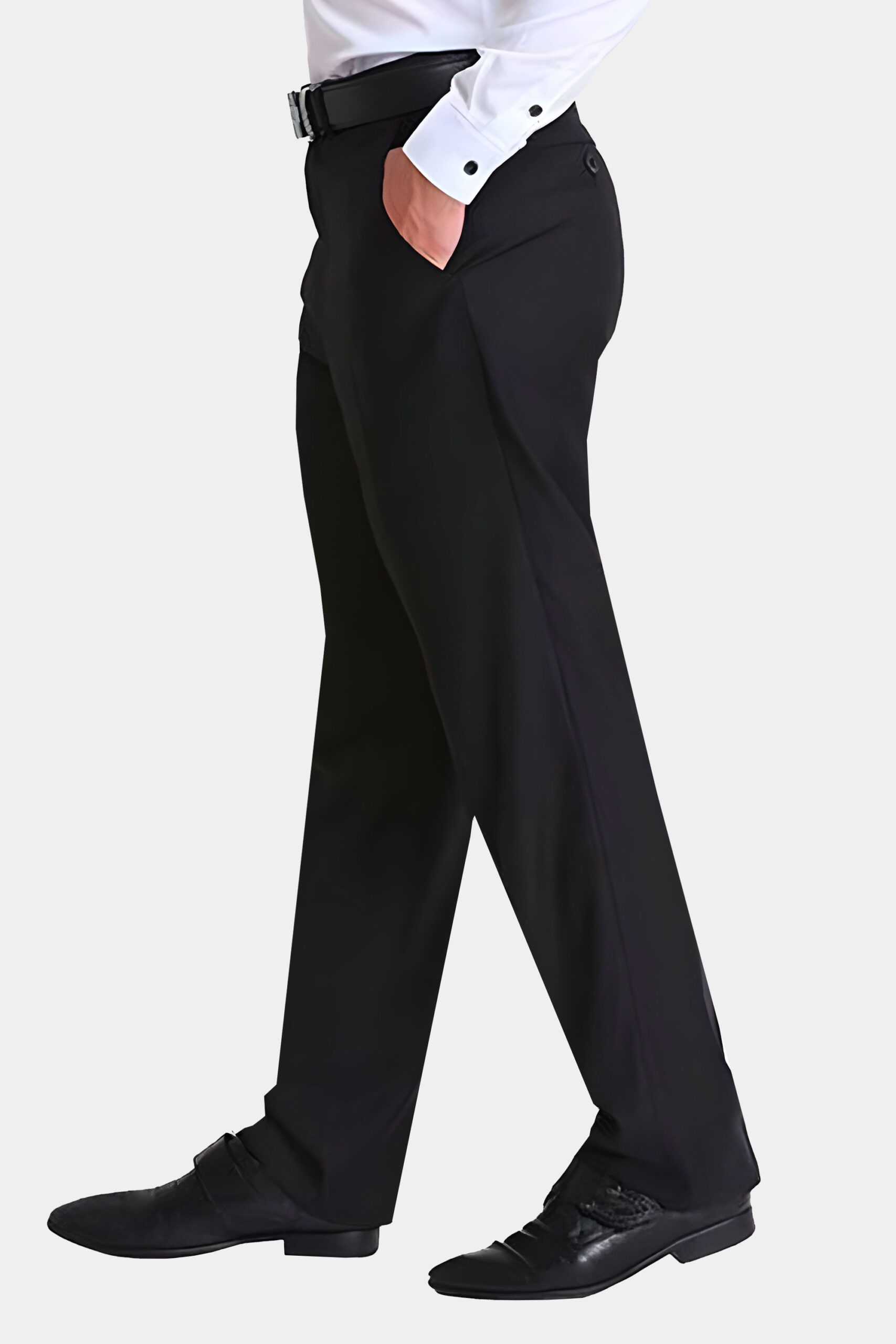
Fit is the most important part of how to buy men's dress pants. A high price cannot rescue poor proportions. The pants should follow your body without clinging to it.
Check these areas in the fitting room:
• Waist: The waistband should stay in place without a belt. You should be able to slide one or two fingers inside it.
• Seat: The fabric should lie smoothly over your rear. Horizontal pulls mean the pants may be too tight. Excess fabric may mean the seat is too large.
• Hips: The pockets should lie flat. If they flare open, the pants may be too small.
• Thighs: You should be able to sit, walk, and climb stairs without strong tension across the thighs.
• Rise: The crotch should not sag, pinch, or feel cramped. You should have enough room to move naturally.
• Knee: The knee should align with your own knee. This matters most in structured or tailored pants.
• Leg line: The trousers should fall straight or follow a gentle taper. They should not twist around the leg.
A good fit should feel like a handshake: secure, but not crushing. If you need to hold your breath to close the waistband, the pants are too small.
Slim, Straight, and Classic Fits
Slim fit pants have a narrower cut through the thigh and leg. They can look sharp on a slim or athletic frame, but they should never restrict movement.
Straight fit pants offer more room from the thigh to the hem. They are a useful choice for men who want comfort or a traditional shape.
Classic or relaxed fit pants have more space throughout the leg. They can work well for larger builds, but too much fabric may make the outfit look dated or careless.
Do not select a fit only because the label sounds fashionable. Body shape, posture, and personal style matter more than the name on the tag.
Alterations Can Improve a Good Pair
Small alterations can turn acceptable pants into excellent pants. A tailor can often adjust the waist, shorten the inseam, taper the leg, or modify the seat.