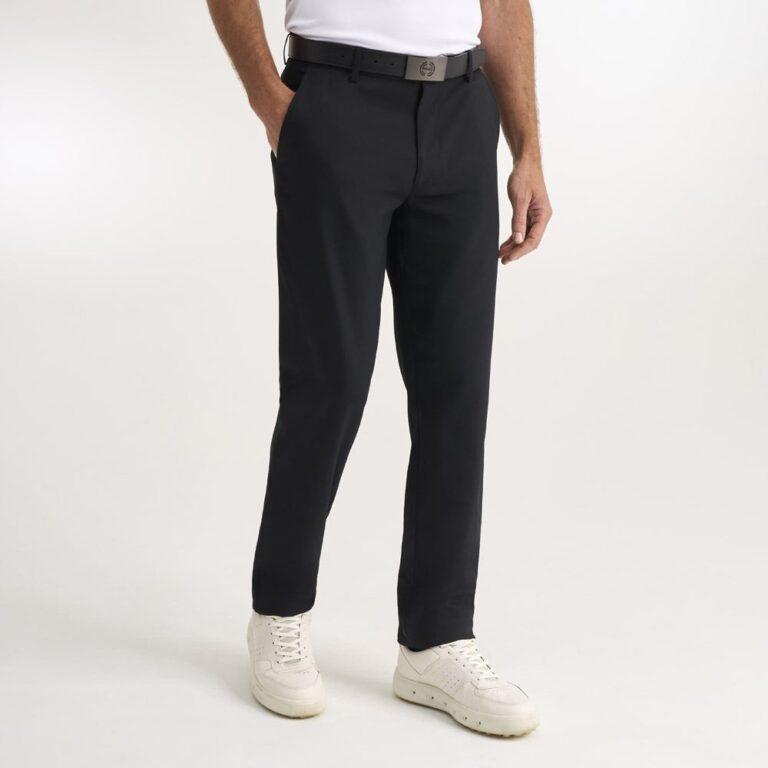
Regular fit trousers have a straight, balanced cut that gives your waist, hips, thighs, and legs comfortable room.
Understanding what is regular fit trousers helps you choose pants that look neat without feeling tight or overly loose. This classic cut works across workwear, casual outfits, uniforms, and formal clothing. In this guide, you will learn how regular fit trousers should feel, how they compare with slim and relaxed fits, and how to find the right size.

What Are Regular Fit Trousers?
Regular fit trousers are pants designed with a traditional, balanced shape. They usually sit at the natural waist or slightly below it. The seat, thigh, knee, and leg have enough room for easy movement without looking baggy.
The leg often falls in a mostly straight line from the hip to the hem. Some brands may taper the lower leg slightly, but regular fit trousers usually do not hug the calf or ankle.
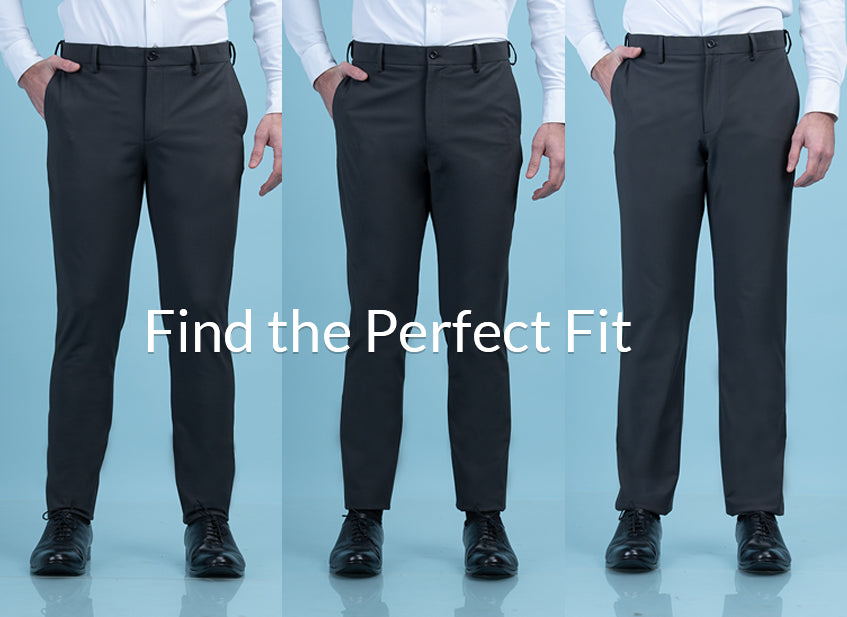
In simple terms, regular fit trousers sit between slim fit and relaxed fit:
• Slim fit trousers have less room and follow the shape of the legs more closely.
• Regular fit trousers offer a balanced shape with moderate room.
• Relaxed fit trousers have extra space through the seat, thigh, and leg.
The exact cut can vary by brand. One company’s regular fit may feel close to another company’s relaxed fit. Always check the size chart and read the product details before buying.
Key Features of Regular Fit Trousers
The main goal of regular fit trousers is balance. They should follow your body’s general shape while leaving enough space for sitting, walking, and bending.
Common features include:
• A comfortable waistband that does not pinch when you sit.
• Moderate room through the hips and seat.
• A straight or gently tapered leg.


• Enough thigh space for natural movement.
• A classic appearance that suits many body shapes.
• A hem that falls cleanly over the shoe.
Regular fit trousers are not shapeless. A well-made pair should still look structured. The fabric should hang smoothly, with no strong pulling at the pockets, zipper, or upper thighs.
A useful fitting test is to sit down while wearing them. If the waistband cuts into your stomach or the thighs feel tight, the trousers are too small. If the fabric gathers heavily around the hips or knees, the trousers may be too large or too loose for your shape.
How Should Regular Fit Trousers Fit?
Regular fit trousers should feel comfortable but still look polished. Think of them as a well-built room: there should be space to move, but not so much empty space that the shape feels careless.
Check these areas when trying on a pair:
Waist
The waistband should sit securely without needing a tight belt. You should be able to slide one or two fingers between your waist and the fabric.
A waistband that gaps at the back may mean the trousers are too large or that the rise does not suit your body. A waistband that digs in usually means you need a larger size or a different cut.
Seat and hips
The fabric should cover your seat without pulling across it. Pocket openings should lie flat. If the pockets spread open, the trousers may be too tight.
Extra folds below the seat can signal that the trousers are too loose. A tailor can sometimes correct this, but major changes may affect the balance of the garment.
Thighs
You should be able to walk, climb stairs, and sit without feeling pressure across the thighs. The fabric should not cling to your legs.
For a simple test, pinch a small amount of fabric at the outer thigh. A little space is useful. Too much fabric may create a loose, untidy look.
Length
The hem should meet the top of your shoe in a clean line. For dress trousers, a small break or slight fold is common. For chinos or casual trousers, a shorter hem may look modern.


Your preferred length also depends on your shoes. Dress shoes often suit a slightly longer hem, while sneakers and loafers can work with a shorter finish.
Regular Fit vs. Slim Fit vs. Relaxed Fit
Many shoppers wonder how regular fit trousers differ from other common cuts. The answer comes down to room, shape, and visual effect.
| Fit | Shape | Comfort level | Best for |
|---|---|---|---|
| Slim fit | Narrow through the hip and leg | Close and structured | Modern, fitted outfits |
| Regular fit | Balanced through the seat, thigh, and leg | Comfortable and flexible | Daily wear and classic outfits |
| Relaxed fit | Wider through the seat, thigh, and leg | Very roomy | Casual wear and more movement |
Slim fit trousers can look sharp, but they may feel restrictive if the waist, thighs, or calves are larger. Relaxed fit trousers provide more comfort, but they can look oversized when paired with a loose shirt or jacket.
Regular fit trousers are often the safest starting point. They offer a clean shape without demanding a very specific body type or styling approach.

Who Should Wear Regular Fit Trousers?
Regular fit trousers can work for nearly anyone. They are especially useful for people who want comfort, a classic shape, or more room through the thighs.
They may suit you if:
• You dislike tight clothing.
• You need to move often during the day.
• You have athletic or muscular thighs.
• You prefer classic clothing over very modern cuts.
• You want trousers that work for both casual and professional settings.
• You sit for long periods at work or while traveling.
Body shape does not determine whether you can wear a certain fit. The most important factors are proportion, comfort, and correct sizing. A shorter person can wear regular fit trousers just as well as a taller person, provided the rise and length are right.
For a balanced outfit, pair regular fit trousers with a shirt that follows the body without being tight. If both your shirt and trousers are very loose, your outfit may lose its shape.


Benefits of Regular Fit Trousers
Regular fit trousers remain popular because they solve several everyday clothing problems.
Comfort
The extra room allows easier movement. This matters during commuting, travel, work, and long events.
Versatility
You can find regular fit trousers in denim, cotton twill, wool, linen blends, and synthetic performance fabrics. This makes them useful in every season.
Timeless style
Regular fit trousers do not depend heavily on short-term fashion trends. A well-cut pair can remain useful for years.
Easy coordination
Their balanced shape works with dress shirts, polo shirts, sweaters, T-shirts, blazers, and casual jackets.
Better movement
A straight or gently shaped leg gives your knees and thighs more freedom. This can be helpful for active jobs or daily tasks.
From a practical styling perspective, regular fit trousers are often easier to wear than very narrow pants. They create a dependable base, much like a plain white shirt or a clean pair of sneakers.
Limitations of Regular Fit Trousers
Regular fit trousers are versatile, but they are not perfect for every preference or situation.
They may feel too loose if you prefer a sharp, narrow silhouette. They can also look dated when the leg is excessively wide, the rise is poorly shaped, or the fabric is stiff and bulky.
Common concerns include:
• A baggy appearance when the size is too large.
• Extra fabric around the ankle.
• Less visual sharpness than a well-fitted slim cut.
• Inconsistent sizing between brands.


• Difficulty finding the perfect seat-to-waist balance for some body shapes.
The phrase regular fit does not guarantee a perfect fit. It only describes the general cut. Fabric weight, rise, stretch, pocket design, and tailoring all affect how the trousers look and feel.
How to Choose the Right Size
Choosing the right size is more important than choosing the label. A pair marked regular fit can still be uncomfortable if the waist or rise is wrong.
Use this process when shopping:
-
Measure your waist where the waistband will sit. Do not pull the tape too tightly.
-
Measure your inseam from the crotch to the ankle or desired hem point.
-
Check the brand’s size chart. Measurements vary between manufacturers.
-
Try the trousers while wearing the type of underwear and shoes you normally use.
-
Sit, walk, bend, and climb a step to test comfort.
-
Check the front, back, and side view in a mirror.
Avoid buying a larger size just to gain thigh room. This may create a loose waist and extra fabric at the hips. A different cut or a small tailoring adjustment may give better results.
Also check the rise. A low rise sits below the natural waist, while a mid or higher rise provides more coverage. The best rise depends on your torso, comfort needs, and preferred style.

Best Fabrics for Regular Fit Trousers
Fabric changes the way regular fit trousers feel and hang.
• Cotton twill is durable and works well for chinos and everyday pants.
• Denim offers strength and casual style.
• Wool creates a refined look for office and formal trousers.
• Linen feels cool in warm weather but can wrinkle easily.
• Polyester blends resist wrinkles and often dry quickly.
• Elastane or spandex adds stretch and can improve comfort.
For office wear, a wool blend or smooth cotton blend usually looks polished. For travel, a wrinkle-resistant stretch fabric may be more practical. For summer, lightweight cotton or linen blends can improve airflow.
Stretch fabric can help with comfort, but too much stretch may cause the trousers to lose their shape over time. A small amount is often enough for daily movement.
How to Style Regular Fit Trousers
Regular fit trousers can support both casual and formal outfits.
For a smart office look, wear them with:
• A tucked-in button-down shirt.
• A leather belt that matches your shoes.
• Loafers, derbies, or clean dress sneakers.
• A structured blazer or fine-knit sweater.
For a casual outfit, try:
• A plain T-shirt or polo shirt.
• Canvas sneakers or casual boots.
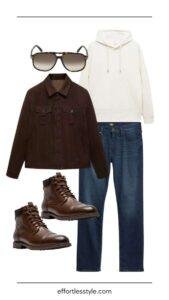
• A denim jacket, overshirt, or lightweight bomber.
• A simple belt in leather or woven fabric.
Color also affects the final appearance. Navy, charcoal, khaki, black, and olive are easy to combine. If the trousers are patterned or bright, keep the top simple.
One practical styling lesson is to balance volume. If the trousers have a roomy regular cut, a fitted or moderately shaped top often creates a cleaner outline. The top does not need to be tight; it simply should not be oversized in every direction.

Common Fit Mistakes to Avoid
Even good regular fit trousers can look poor when small details are ignored.
Choosing by waist size alone
Two pairs with the same waist measurement may have different rises, thigh widths, and leg shapes. Look at the full garment, not just the number on the tag.
Wearing an incorrect length
A long, stacked hem can make the trousers look messy. A very short hem can make the outfit appear unbalanced unless that cropped look is intentional.
Ignoring pocket strain
Open or stretched pockets often show that the trousers are too tight. This is one of the fastest ways to spot a poor fit.
Using an oversized belt
A wide belt can look awkward with lightweight trousers. Match the belt width to the trousers and shoes.
Buying for future weight changes
Clothing should fit your body now. Buying far too large can make you feel uncomfortable and may lead to poor posture or constant belt adjustment.
Skipping alterations
A tailor can often improve the waist, hem, or leg opening. Small adjustments may turn an average pair into a favorite one.
Care and Maintenance Tips
Proper care helps regular fit trousers keep their shape.
Follow the care label first. In general, wash cotton trousers in cool or warm water and avoid excessive heat. High dryer temperatures can shrink fabric and weaken stretch fibers.
For wool trousers, air them after use and use professional cleaning when the care label recommends it. Do not clean them too often without a reason, since repeated chemical cleaning can affect the fabric.
Helpful habits include:
• Hang trousers from the waistband or use a proper trouser hanger.
• Empty pockets before washing.
• Remove stains quickly with gentle treatment.
• Avoid ironing directly over synthetic fibers.
• Rotate several pairs instead of wearing one pair every day.
Regular pressing can restore a clean crease, but too much heat may create shine on dark fabric. Use a pressing cloth when needed.

Frequently Asked Questions About What Is Regular Fit Trousers
What does regular fit mean in trousers?
Regular fit means the trousers have a balanced amount of room through the waist, seat, thighs, and legs. They are usually less narrow than slim fit and less roomy than relaxed fit.
Are regular fit trousers loose?
Regular fit trousers should not look noticeably loose when they are the correct size. They provide comfortable room, but the fabric should still hang neatly without excessive folds or sagging.
Are regular fit trousers good for big thighs?
Yes, regular fit trousers often work well for larger or muscular thighs because they provide more room than slim styles. However, the exact fit depends on the brand’s thigh measurement and the shape of your hips and seat.
Can regular fit trousers look stylish?
Yes, regular fit trousers can look very stylish when the waist, length, and leg shape are correct. Pairing them with a clean shirt, suitable shoes, and a balanced jacket creates a polished outfit.
What is the difference between regular fit and straight fit trousers?
Regular fit describes the overall room through the waist, seat, thighs, and legs. Straight fit mainly describes the leg shape, which stays fairly consistent from the knee to the hem; a pair can be both regular fit and straight fit.
Should regular fit trousers sit at the waist?
They may sit at the natural waist or slightly below it, depending on the design. The correct position is the one that feels secure, allows movement, and keeps the rise comfortable when you sit.
Can a tailor alter regular fit trousers?
A tailor can often adjust the waist, hem, seat, and sometimes the leg width. Major changes are harder, so it is best to start with trousers that already fit well through the hips and thighs.
Conclusion
Regular fit trousers offer a balanced cut, comfortable movement, and lasting style. They provide more room than slim trousers without the extra volume of relaxed trousers, making them useful for work, travel, casual outfits, and formal clothing.
The best pair should feel secure at the waist, lie smoothly over the seat and thighs, and fall cleanly over your shoes. Check the fabric, rise, measurements, and brand size chart instead of relying on the label alone.
Try regular fit trousers in several fabrics and lengths to find the shape that suits your body and lifestyle. Once you find a pair that fits well, consider a small alteration for an even cleaner result, and share your favorite fit or styling tip in the comments.

Rubel Miah is the Senior Editor at MyStyleGrid.com, where he brings a sharp editorial eye and an unshakable love for fashion to everything he does. A true style addict, Rubel lives and breathes trends, from streetwear to high fashion, and has a knack for turning inspiration into impactful stories. With years of experience in fashion journalism and digital media, he curates content that empowers readers to express themselves through style. When he’s not editing features or forecasting the next big thing, you’ll find him hunting down vintage pieces or capturing street style moments around the city.