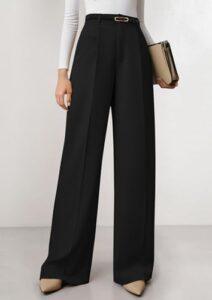
Women's dress pants should sit smoothly at the waist, skim the hips, and allow easy movement without pulling, sagging, or bunching.
Knowing how should women's dress pants fit can make every outfit look sharper and feel more comfortable. The right pair should follow your shape without squeezing it, keep a clean line from waist to hem, and stay in place when you sit, walk, or climb stairs.
Fit is more important than the number on the tag. Sizes vary between brands, fabrics, and cuts, so the best test is how the pants feel and look on your body.
How Should Women's Dress Pants Fit at the Waist?
The waistband should sit securely at your natural waist or at the rise stated on the product label. It should touch your body without digging in, rolling over, or leaving a large gap.
You should be able to slide one or two fingers between your waist and the waistband. This gives you a little room to breathe while keeping the pants in place.
When you sit down, the waistband may feel slightly snugger. That is normal, but it should not pinch your stomach or force the button to pull against the fabric.
Look for these signs of a good waist fit:
- The waistband stays level instead of dipping in the back.
- The closure lies flat without pulling.
- The pants do not slide down when you walk.
- The fabric does not bunch above or below the waistband.
- You can sit comfortably for several minutes.
A waistband that gaps at the back is often a sign that the pants are too large through the waist or made for a different hip-to-waist ratio. A tailor can often fix a small gap, but a large gap may mean the cut is not right for you.
How Should Dress Pants Fit Through the Hips and Seat?
Dress pants should skim the hips and seat. They should not cling tightly, but they should not hang like a loose curtain either.
Check the fabric around your fullest area. If you see horizontal lines, stretched pockets, or a button that looks ready to pop open, the pants are too tight. If the seat looks flat and the fabric sags below it, the pants may be too loose or too long in the rise.
The side pockets are useful fit indicators. A pocket that opens or flares usually means the pants need more room through the hips. You may need a larger size, a curvier cut, or a fabric with a little stretch.
When assessing how should women's dress pants fit, use movement as your guide:
- Stand naturally and check the side seams.
- Sit down and notice pressure around your hips.
- Walk several steps at a normal pace.
- Bend slightly, as you might when picking up a bag.
- Check whether the fabric pulls, twists, or rides up.
Your pants should recover after movement. A small amount of temporary wrinkling is normal, but deep stress lines usually point to a fit problem.
How Should Women's Dress Pants Fit in the Rise?
The rise is the distance from the crotch seam to the top of the waistband. It affects comfort, coverage, and the way the pants balance your body.
A rise that is too short may feel tight between your legs. It can also cause the waistband to slide down at the back or create a strained look across the front. A rise that is too long may create extra fabric at the crotch and make the front look droopy.
The crotch seam should sit close to your body without pressing into it. You should not have excess fabric hanging below the crotch, and you should not feel uncomfortable pressure when sitting.
Common rise options include:
- High rise: Usually sits at or above the natural waist.
- Mid rise: Often rests below the natural waist and above the hips.
- Low rise: Sits closer to the hip bones.
The best rise depends on your body shape, outfit, and comfort needs. High-rise pants can create a smooth tucked-in look, while mid-rise pants may feel more relaxed for daily office wear.
How Should Dress Pants Fit in the Thighs?
The thigh area should allow movement without looking loose. You should be able to walk, sit, and cross your legs without feeling trapped.
Look at the front and back of the thighs. Tight pants often show diagonal wrinkles that point toward the crotch. Loose pants may show excess folds or fabric that flaps as you walk.
A useful test is to pinch the fabric at the outer thigh while standing. You need some extra material, but you should not be able to gather a large handful. The exact amount depends on the cut and fabric.
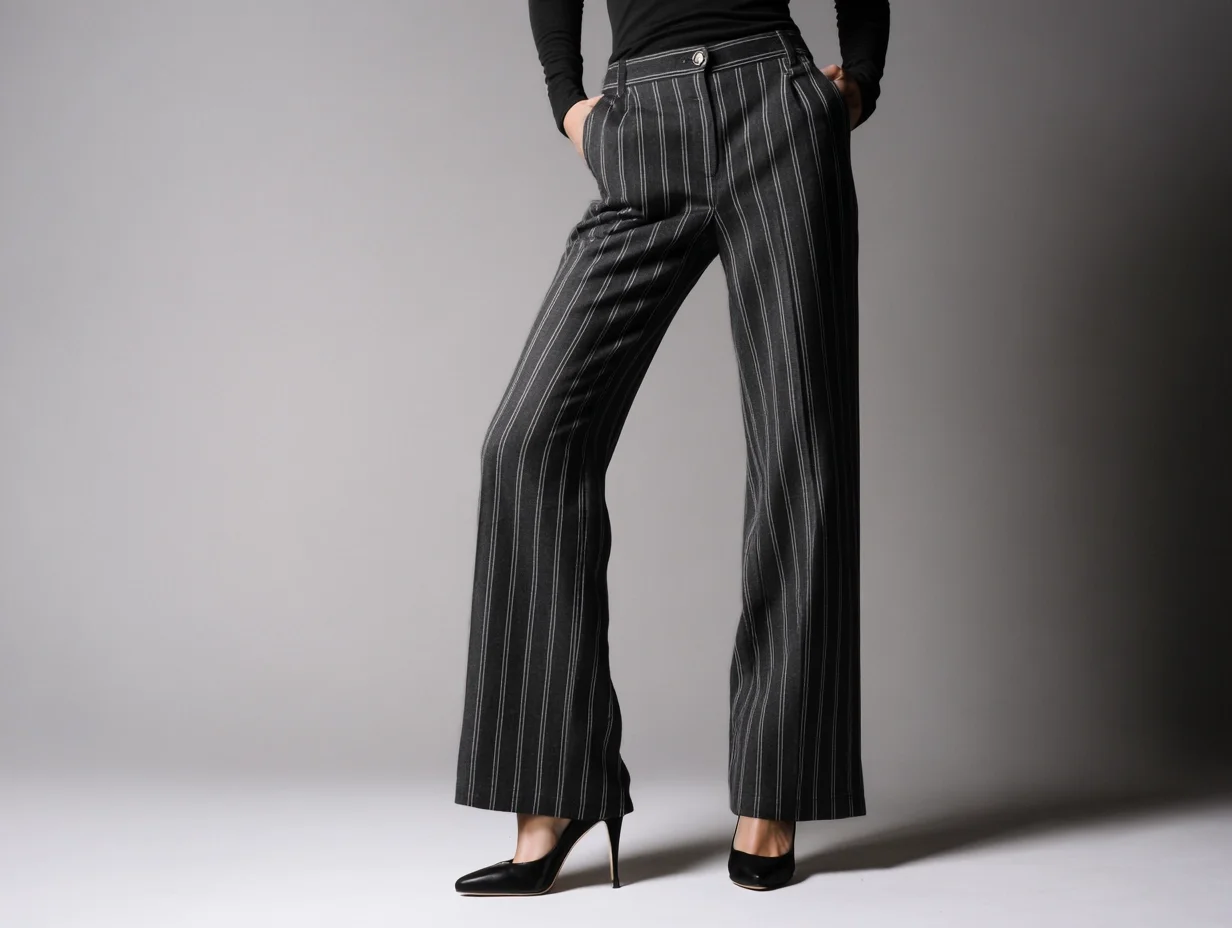
Wide-leg and straight-leg pants naturally have more room. That does not mean they should feel shapeless. The waist, hips, and upper thigh still need to fit with purpose.
If pants fit at the waist but feel tight in the thighs, do not automatically size up. A larger size may create a waist gap. Instead, look for:
- Curvy-fit pants.
- A fuller thigh cut.
- Stretch fabric.
- A different rise.
- A tailor who can release the side seams.
How Should Women's Dress Pants Fit at the Crotch?
The crotch should be smooth, comfortable, and free from deep folds. There should be enough room for movement, but no hanging pouch of fabric.
A wedgie effect, pinching, or strong diagonal wrinkles means the crotch area is too tight or too short. Extra fabric below the crotch often means the rise is too long or the pattern does not suit your proportions.
Crotch fit can also change based on fabric. Stiff wool or woven polyester may need more ease than a fabric with elastane. Always test the pants in the position you will use most, such as sitting at a desk or commuting.
Do not judge the crotch only while standing in front of a mirror. Many fit problems appear when you sit down. This is one of the most important lessons when learning how should women's dress pants fit.
How Should Dress Pants Fit at the Legs?
The leg shape should match the style of the pants and create a clean vertical line. There is no single correct width for every pair.
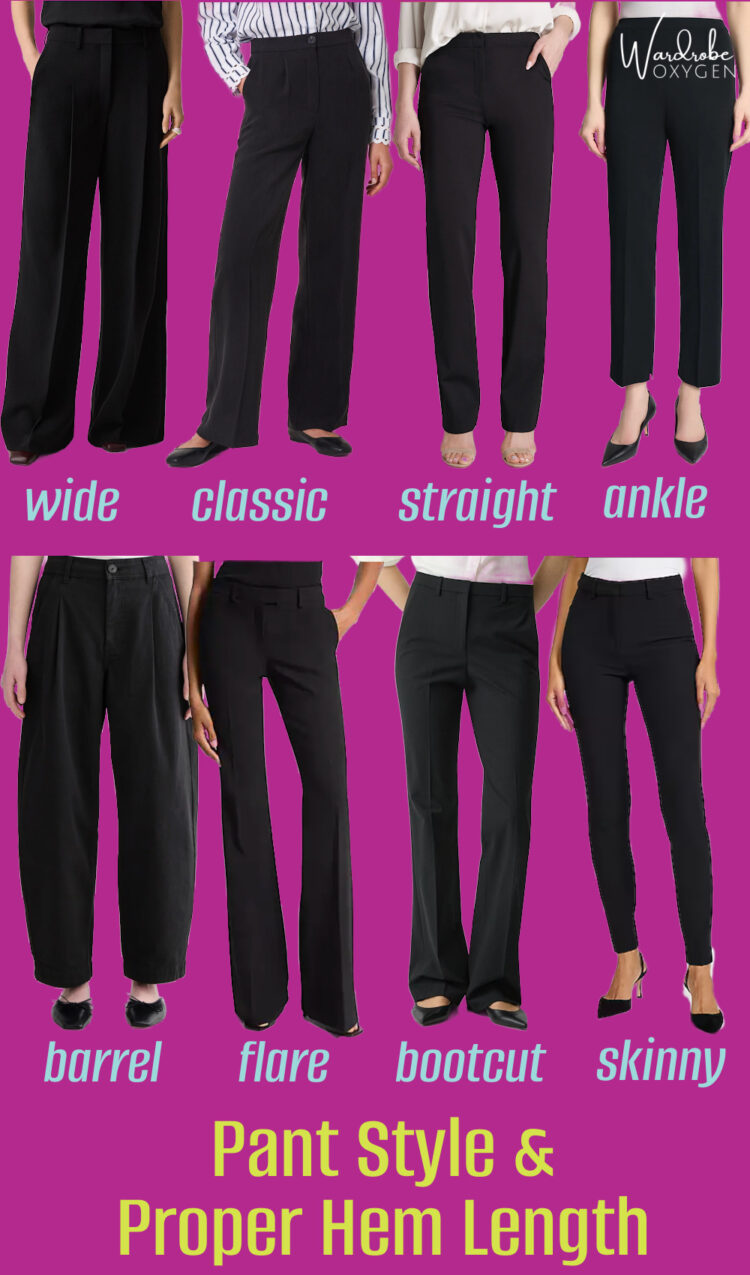
Straight-leg pants should fall in a fairly even line from the thigh to the hem. Tapered pants should narrow gently toward the ankle. Wide-leg pants should remain intentionally roomy rather than looking accidentally oversized.
Watch for twisting seams. The side seam should generally fall along the side of your leg. If it moves toward the front or back, the pants may be poorly cut, too tight, or unsuitable for your body shape.
Consider these style-specific guidelines:
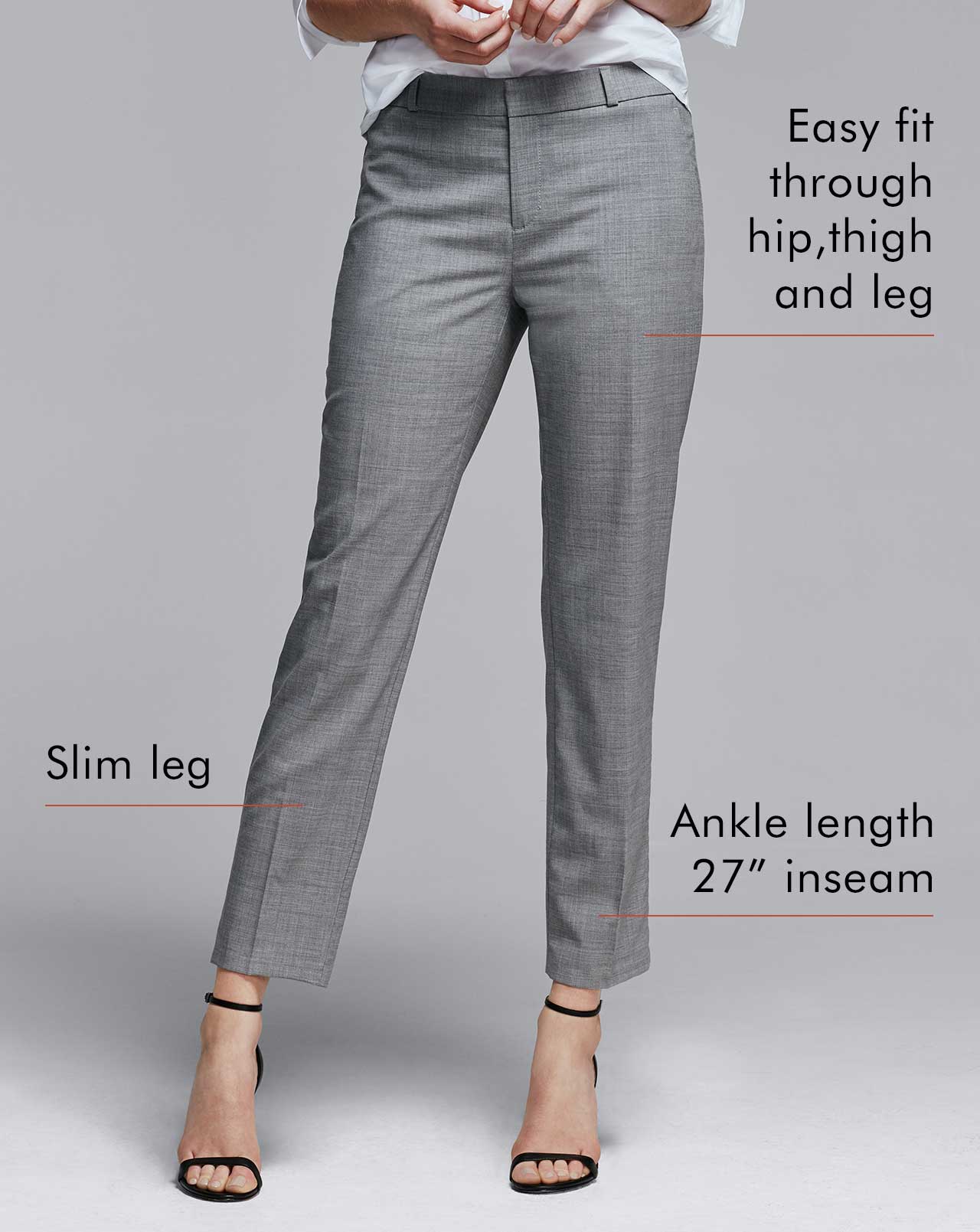
- Slim-leg pants should skim the leg without clinging.
- Straight-leg pants should leave light ease around the calf.
- Wide-leg pants should hang from the hip without ballooning.
- Bootcut pants should open slightly below the knee.
- Cropped pants should end at a deliberate point, not where the fabric happens to stop.
The correct leg fit is partly personal preference. Current fashion may favor a relaxed line, while a formal workplace may call for a narrower silhouette. Comfort and balance should still come first.
How Should Women's Dress Pants Fit in Length?
The ideal length depends on the shoe and the style. Dress pants should not drag on the ground, expose too much ankle, or create a pile of fabric at the hem.
For classic straight or trouser-leg pants, the front hem often rests lightly on the top of the shoe. The back may reach close to the top of the heel. This creates a slight break without excessive bunching.
For ankle pants, the hem usually ends above the ankle bone. The exact point can vary with your height and the shoe you wear.
Try pants with the shoes you plan to wear. A pair that looks perfect with loafers may look too short with heels. If you rotate shoes, choose a length that works with your most common pair.
Signs the length needs adjustment include:
- The hem touches the floor.
- The fabric folds several times at the ankle.
- The back hem rides high when you sit.
- The pants cover most of your shoe unintentionally.
- One leg appears longer because the hem is uneven.
Many dress pants are sold unfinished so they can be tailored. Hemming is one of the simplest alterations and can make an affordable pair look custom-made.

How Should Dress Pants Fit When You Sit?
A proper fit should remain comfortable when you sit. The waistband may move slightly, but it should not cut into your stomach or expose the back of your shirt.
Sit in a chair for at least five minutes during a fitting. Pay attention to the waistband, crotch, hips, and thighs. If you feel pressure in one place, the pants may look fine while standing but still be wrong for your daily routine.
The legs may rise slightly when you sit. That is normal. However, the pants should not pull sharply at the knees or create severe wrinkles across the lap.
Office workers should be especially careful here. Pants worn at a desk for eight hours need more comfort than pants worn for a short event. A small amount of stretch can help, but stretch should support a good cut rather than hide a poor one.
How Fabric Affects Dress Pant Fit
Fabric changes how pants fit, move, and recover. Two pairs with the same measurements can feel very different because of fiber content and construction.
Wool blends often create a polished drape and resist wrinkles. Polyester blends can be durable and easy to care for. Cotton may feel breathable but can wrinkle or lose shape. Elastane adds stretch, which can improve comfort when used in moderation.
Check the care label before buying. Some fabrics shrink, while others relax after wear. A pair that feels perfect in the fitting room may become loose after several hours if the fabric has poor recovery.
Here is a simple fabric guide:
- Firm woven fabric: Offers structure but needs accurate measurements.
- Stretch woven fabric: Provides comfort and easier movement.
- Lightweight fabric: Feels cool but may show lines or cling.
- Heavy fabric: Hangs well but may feel warm or stiff.
- Fluid fabric: Drapes softly but may reveal pockets or underwear lines.
Fabric should support the fit, not replace it. Pants that rely on extreme stretch may feel comfortable at first but lose their shape over time.
Common Signs Your Dress Pants Do Not Fit
Small wrinkles can be normal, especially when you move. The pattern and location of the wrinkles tell you more than the presence of wrinkles alone.
Horizontal wrinkles usually suggest tightness. Vertical folds may suggest extra room. Twisting can point to a pattern issue, an uneven hem, or a body measurement difference.
Watch for these common problems:
- Waistband gaps: The waist is too large or the cut does not match your proportions.
- Pocket flare: The hips or thighs need more room.
- Pulling at the button: The pants are too tight across the waist or seat.
- Baggy seat: The rise or seat is too large.
- Whiskering at the hips: The pants are tight through the upper hip.
- Excess fabric at the crotch: The rise is too long.
- Tightness behind the knees: The leg shape may be too narrow.
- Drag lines: The pants are being pulled by a tight area.
In my experience helping people prepare outfits for interviews and formal events, the most common mistake is choosing pants by waist size alone. The waist may fit, but the hips, rise, or thigh often need a different cut. A fitting room mirror, a few minutes of movement, and a second size can prevent that mistake.
How to Measure for Women's Dress Pants
Accurate measurements make online shopping easier, but measurements are only a starting point. Brands may measure the garment itself or list body measurements, so read the size chart carefully.
You can take these measurements with a soft measuring tape:
- Waist: Measure around the place where the waistband will sit.
- Hips: Measure around the fullest part of your hips and seat.
- Inseam: Measure from the crotch to the ankle along the inside leg.
- Rise: Compare the distance from the crotch seam to the top of the waistband.
- Thigh: Measure around the fullest part of one thigh if the brand provides this detail.
Keep the tape level and relaxed. Do not pull it so tightly that it presses into your body.
If your waist and hip measurements fall into different sizes, choose based on the larger measurement and tailor the smaller area when possible. For many people, that means buying for the hips and adjusting the waist.

Choosing the Right Dress Pants Cut
Different cuts solve different fit needs. Choosing the right silhouette can be more effective than forcing one style to work.
High-waisted trousers may provide more coverage and help shirts stay tucked. Mid-rise pants can offer a balanced feel for everyday wear. Curvy-fit pants often include more room through the hips with a smaller waist.
Consider these options:
- Classic trousers: A balanced choice for offices and formal events.
- Ankle pants: A modern option that works well with flats and loafers.
- Wide-leg pants: Comfortable and polished when the waist and hips fit well.
- Slim-leg pants: Streamlined without needing to be skin tight.
- Pull-on dress pants: Convenient, but the waistband should still lie flat.
- Ponte pants: Soft and stretchy, though they may look more casual than tailored trousers.
Your proportions matter more than trends. A style that looks excellent on one person may feel restrictive or unbalanced on another. The goal is a clean shape that lets you move naturally.
When to Tailor Women's Dress Pants
Tailoring can turn a good pair into an excellent pair. It is often worth considering when the fabric, construction, and overall size are right.
Common alterations include:
- Hemming the length.
- Taking in the waistband.
- Adjusting the seat.
- Tapering the leg.
- Releasing a small amount of fabric at the side seam.
- Moving a button slightly for a better waist fit.
Avoid buying pants that are much too small and hoping a tailor can fix them. Letting out fabric is limited by the seam allowance, and major changes can affect the balance of the garment.
A skilled tailor should check the whole garment before making changes. For example, taking in the waist can alter the seat and pockets. This is why professional fitting is more than simply sewing a smaller line.
Shopping Tips for Better-Fitting Dress Pants
Shopping with a clear plan helps you judge fit instead of getting distracted by the size label or sale price.
Use these practical steps:
- Bring the shoes you expect to wear.
- Try at least two sizes or cuts.
- Check the pants from the front, side, and back.
- Sit, walk, and bend before deciding.
- Wear the undergarments you normally use with the pants.
- Check whether the fabric becomes sheer under bright light.
- Read the fiber content and care instructions.
- Keep the tags on until you test the pants at home.
Online shoppers should compare the brand's size chart with the garment measurements. Read reviews for details about rise, stretch, length, and whether the pants run large or small.
One lesson I have learned from helping with real-world wardrobe choices is that a comfortable pair usually gets worn more often than a theoretically perfect pair that restricts movement. Choose pants that support your life, not just a posed mirror image.
Frequently Asked Questions About How Should Women's Dress Pants Fit
Should dress pants be tight or loose?
Dress pants should be close enough to create a clean shape but loose enough for comfortable movement. They should not pull across the waist, hips, seat, thighs, or crotch.
How much room should be in women's dress pants?
You should have enough ease to sit, walk, and bend without strain. As a simple test, you should be able to slide one or two fingers into the waistband and move comfortably without the fabric pulling.
Should dress pants fit differently than jeans?
Yes. Dress pants often have a smoother, more tailored line than jeans, but they should not be uncomfortably tight. The correct fit depends on the cut, fabric, rise, and level of formality.
Should women's dress pants wrinkle when sitting?
Some wrinkles are normal when you sit, especially behind the knees and across the lap. Deep horizontal wrinkles, strong pulling, or fabric that does not recover after standing may signal that the pants are too tight.
Should you size up if dress pants gap at the waist?
Not always. If the hips and thighs fit well, a tailor may be able to adjust a small waist gap; otherwise, try a curvy cut or a different brand before sizing up.
How long should women's dress pants be?
The correct length depends on the style and shoes. Classic trousers often reach the top of the shoe with a slight break, while ankle pants usually end above the ankle bone.
Can a tailor fix dress pants that are too small?
A tailor can sometimes release a small amount of fabric, but major size changes are limited by the garment's seam allowance. It is usually easier to alter pants that fit slightly large in one area.
Conclusion
The best way to understand how should women's dress pants fit is to check the full garment, not just the waist or size label. The waistband should stay secure, the hips and seat should lie smooth, the rise should feel comfortable, and the legs should fall in a clean line.
Try sitting, walking, and bending before you buy. Bring the right shoes, compare cuts, and use tailoring when a small adjustment can improve the fit. With these steps, you can choose dress pants that look polished, feel comfortable, and earn a regular place in your wardrobe.
Use this guide the next time you shop, and share your favorite fit tip or trouser style in the comments.
Madison Clark is a footwear expert and the voice behind MyStyleGrid.com. She specializes in honest shoe reviews, style tips, and practical guides to help readers find the perfect pair for any occasion. With years of experience in blogging and content creation, Madison makes footwear knowledge simple, stylish, and easy to follow.