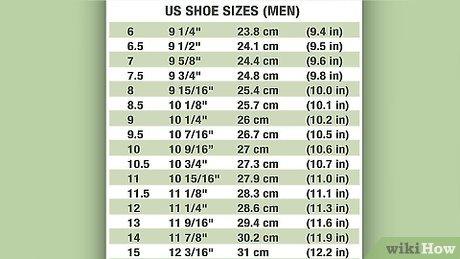
A wide shoe size is a shoe with extra room across the forefoot, toe box, and sometimes the entire upper.
Knowing what is a wide shoe size can make walking more comfortable and help prevent blisters, numb toes, and sore feet. Width labels can differ by brand, gender, and shoe type, so this guide explains how wide sizing works, how to measure your feet, and how to choose the right fit with confidence.
What Is a Wide Shoe Size?
A wide shoe size has more space from one side of the shoe to the other than a standard-width shoe of the same length. This extra room is often found around the ball of the foot, the toes, and the widest part of the forefoot.
For example, a women’s size 8 wide is usually the same length as a women’s size 8 medium. The key difference is the width. A wide shoe size does not usually mean you need a longer shoe.
Shoe width is shown with letters. The most common US width labels include:
• Narrow: AAA, AA, or N
• Medium or standard: B for women and D for men
• Wide: D for women and 2E for men
• Extra wide: 2E or 4E for women and 4E or 6E for men
These labels are not perfectly consistent. One brand’s wide shoe may feel like another brand’s standard shoe. That is why fit matters more than the letter alone.

How Shoe Width Sizes Work
Shoe sizing has two main parts: length and width. Length is shown by a number, such as 9 or 10. Width is shown by a letter or group of letters, such as D, 2E, or 4E.
In many US shoe charts, women’s medium width is B. Men’s medium width is D. This can feel confusing because the same letter may mean a different width based on the shoe’s size category.
Here is a simple example:
• Women’s size 8B: standard width
• Women’s size 8D: wide width
• Men’s size 10D: standard width
• Men’s size 10 2E: wide width
• Men’s size 10 4E: extra-wide width
A wide shoe size may also have a deeper toe box. This matters for people with broad toes, bunions, swelling, hammertoes, or high-volume feet. However, some wide shoes only add width in the front, while others add room through the heel and midfoot too.
Manufacturers use their own shoe lasts, materials, and fitting rules. As a result, a wide shoe size is a helpful starting point, not a universal guarantee.
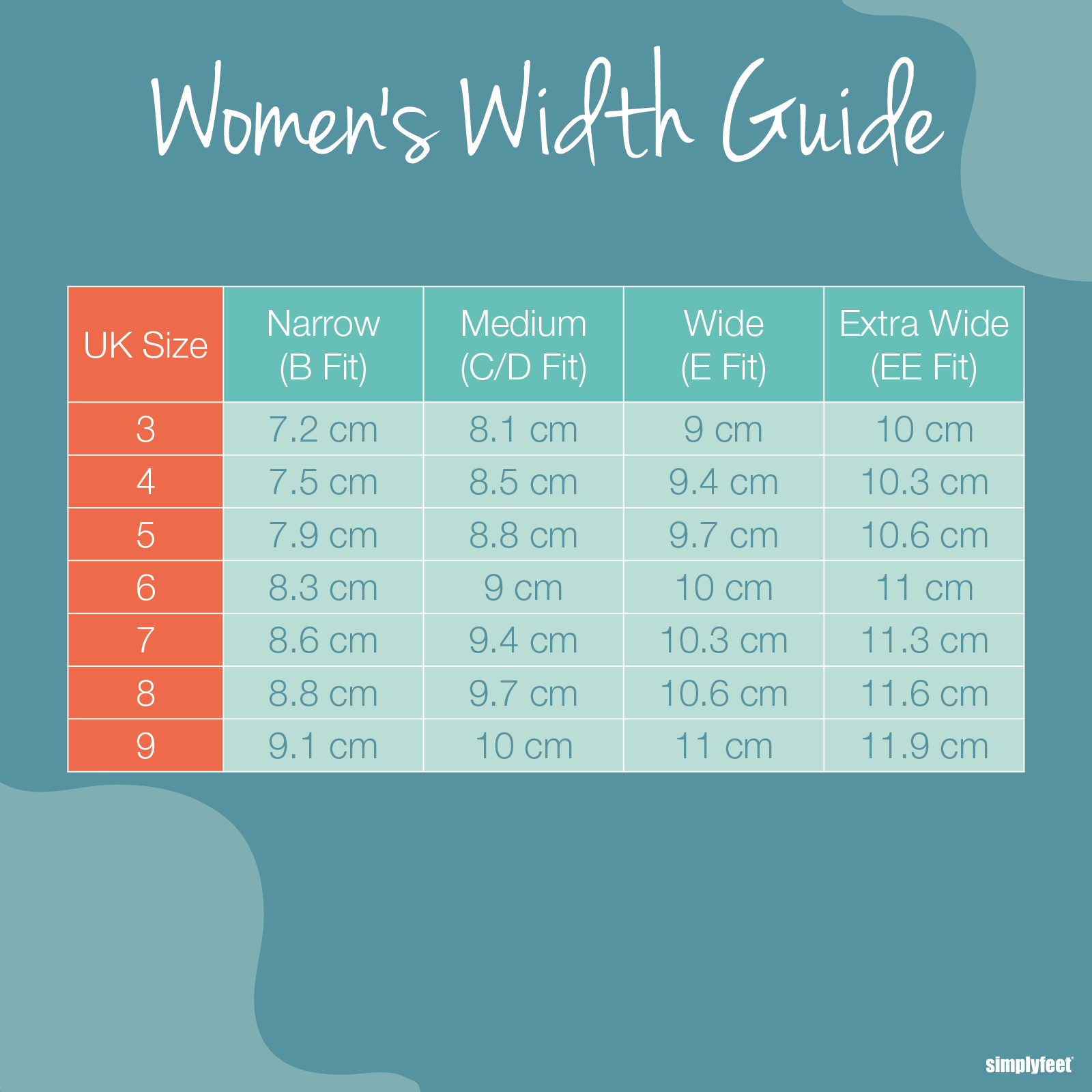
Wide Shoe Size Charts for Men and Women
The chart below shows common US width labels. It is a general guide, not a fixed rule for every brand.
| Width category | Women’s common label | Men’s common label |
|---|---|---|
| Extra narrow | AAA or AA | B or A |
| Narrow | AA or N | C or B |
| Medium | B or M | D or M |
| Wide | D or W | 2E or EE |
| Extra wide | 2E or 4E | 4E or 6E |
| Very extra wide | 4E or 6E | 6E or 8E |
Some brands use words instead of letters. You may see labels such as W, Wide, XW, Extra Wide, EE, or 4E.
Always check the brand’s own size chart. A women’s D width often means wide, while a men’s D width often means medium. This is one of the most common sources of confusion when shopping for a wide shoe size.

What Does Wide Mean in Women’s Shoes?
In women’s shoes, B is usually the standard or medium width. A D width is often considered wide, while 2E or 4E may be labeled extra wide.
A women’s wide shoe size may help if:
• Your toes feel squeezed from the sides
• Your little toe rubs against the shoe
• You have a bunion or a broad forefoot
• Your feet swell during the day
• The shoe upper feels tight even when the length is correct
Women’s footwear can be especially difficult because many dress shoes have pointed toes or narrow shapes. A shoe may have the correct length but still place pressure on the forefoot.
In my experience helping people compare shoe fits, many women first choose a longer size when the real issue is width. That often causes the heel to slip and the foot to move forward. Choosing a wide shoe size is usually safer than adding extra length when the toes are already near the front.
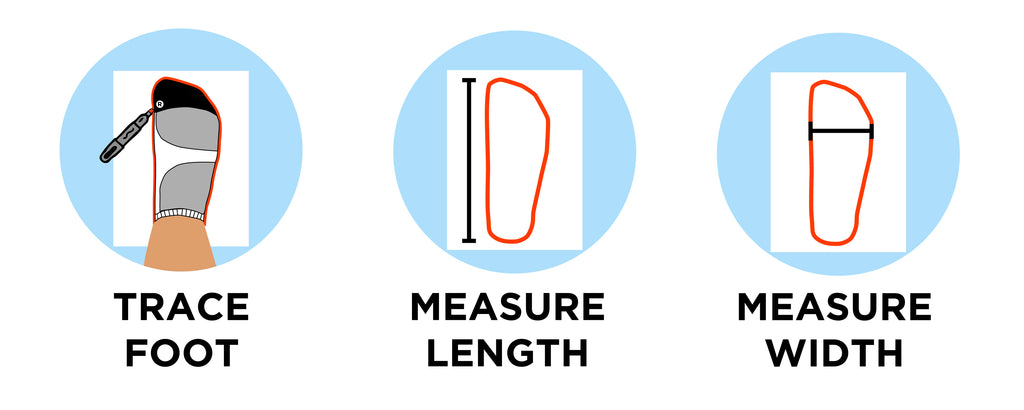
What Does Wide Mean in Men’s Shoes?
In men’s shoes, D is commonly the standard or medium width. A 2E or EE width is usually wide, and 4E is often extra wide.
A men’s wide shoe size may be useful for people with:
• A broad ball of the foot
• High arches or a high-volume foot
• Swollen feet
• Thick socks or orthotic inserts
• Pressure along the outside edge of the foot
Men’s athletic shoes often provide more width options than men’s dress shoes. Running shoes, work shoes, and walking shoes may be available in 2E, 4E, or even 6E.
Remember that a wider shoe is not always better. If the shoe is too wide, your foot may slide inside it. This can lead to friction, blisters, poor balance, and less support.
How to Tell If You Need Wide Shoes
Your feet may need a wide shoe size if the shoe fits in length but feels tight across the front. Look for signs during and after wear.
Common signs include:
• Red marks along the sides of your feet
• Blisters on the little toe or bunion area
• Numbness or tingling in the toes
• Toes that overlap or feel crowded
• A feeling that your foot is spilling over the sole
• Shoes that stretch or split at the sides
• Pain that improves when you remove your shoes
A quick fit check can help. Stand in the shoes with your usual socks. Make sure your toes can move freely and that the widest part of your foot sits over the widest part of the sole.
Your heel should remain secure when you walk. If your toes have room but your heel lifts with each step, the shoe may be too wide or poorly shaped for your foot.
How to Measure Your Foot Width at Home
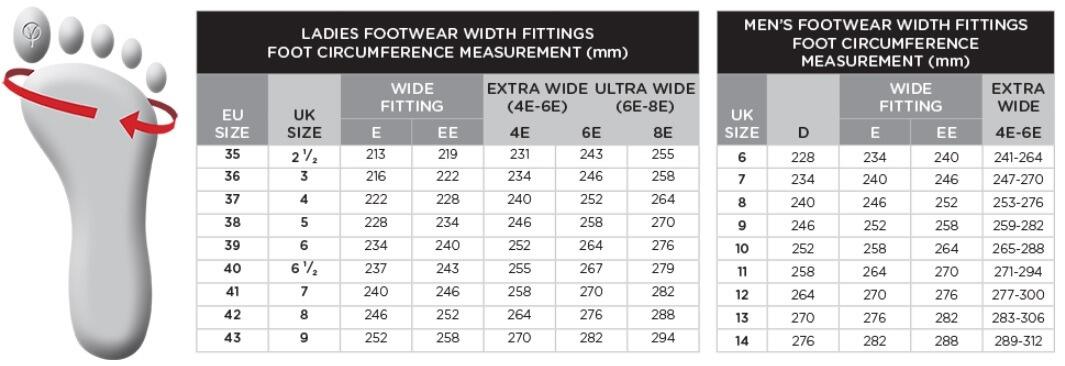
You can measure foot width at home with paper, a pen, a ruler, and the socks you normally wear. Measure both feet because one foot is often slightly larger than the other.
Follow these steps:
- Place a sheet of paper on a hard floor.
- Wear the socks you plan to use with the shoes.
- Stand on the paper with your full weight on the foot.
- Trace around the foot, keeping the pen straight up.
- Measure the widest part of the outline.
- Repeat the process for the other foot.
- Compare the larger measurement with the brand’s width chart.
Measure your feet later in the day. Feet often expand after standing, walking, or sitting for several hours. Measuring only in the morning may lead you to choose shoes that feel tight by evening.
Do not measure while sitting if you can avoid it. Your foot spreads more naturally when it supports your body weight.

How to Choose the Right Wide Shoe Size
Finding a wide shoe size is about more than selecting a wider label. The shape, material, support, and purpose of the shoe all affect comfort.
Use these practical checks:
• Try shoes on both feet. Fit the larger foot first.
• Leave about a thumb’s width between your longest toe and the front.
• Check that the widest part of your foot matches the widest part of the sole.
• Walk on a firm surface and notice any slipping or pressure.
• Try shoes with your normal socks or orthotics.
• Shop later in the day when feet are usually largest.
• Compare several brands because width standards vary.
Leather and soft mesh may relax slightly with wear. Still, a shoe should feel comfortable when you first try it. Do not depend on painful stretching to fix a narrow shoe.
A useful lesson from real-world fitting is simple: pressure rarely disappears just because a shoe is expensive. A well-shaped wide shoe size is more valuable than a premium shoe that pinches your feet.

Wide Shoes for Different Foot Problems
A wide shoe size can improve comfort, but it does not treat every foot problem. The right shoe depends on the cause of the pain and the shape of your foot.
Bunions
People with bunions often need extra room around the big toe joint. A wide toe box can reduce rubbing, but the shoe should still hold the heel securely.
Hammertoes
Hammertoes may need extra depth above the toes, not just extra width. Look for shoes with a tall, soft toe box.
Swollen feet
Feet may swell because of heat, long periods of standing, pregnancy, injury, or health conditions. Adjustable straps, stretch uppers, and removable insoles can make fitting easier.
Flat feet or high arches
Arch shape does not always determine shoe width. Some people with flat feet need a wider base, while some people with high arches need extra volume through the upper.
Diabetes and reduced sensation
People with diabetes or reduced feeling in the feet should take shoe fit seriously. Pressure spots may go unnoticed, so regular foot checks and professional medical advice are important.

Wide Shoe Size Versus Extra Wide Shoe Size
A wide shoe size adds some room compared with a standard shoe. An extra-wide shoe adds more room than a wide shoe.
For example, a typical progression may look like this:
• Women’s B: medium
• Women’s D: wide
• Women’s 2E: extra wide
• Men’s D: medium
• Men’s 2E: wide
• Men’s 4E: extra wide
The exact difference depends on the manufacturer. Some brands offer half-width steps, while others jump from medium to wide.
If a wide shoe still leaves deep marks or causes toe pressure, try extra wide. If your foot slides from side to side in an extra-wide shoe, return to wide or choose a shoe with better lacing and heel support.
Common Mistakes When Buying Wide Shoes
Many poor shoe fits come from a few easy-to-miss mistakes.
• Buying a longer shoe instead of a wider shoe: This can cause heel slip and foot movement.
• Trusting the width letter without checking the chart: Width labels vary by brand.
• Ignoring the toe box shape: A round or square toe box may fit better than a pointed one.
• Trying shoes on while wearing thin socks: The fit may change with daily socks or inserts.
• Assuming shoes will stretch enough: Stretching cannot always correct a narrow or shallow design.
• Measuring only one foot: The larger foot may need the final size.
• Choosing comfort shoes that are too loose: Extra room should not reduce stability.
A good wide shoe size should feel roomy but controlled. Think of it like a comfortable room: there should be space to move, but not so much space that everything slides around.
Benefits and Limits of Wide Shoes
A properly fitted wide shoe size can offer several benefits:
• Less pressure on the toes
• Lower risk of rubbing and blisters
• Better comfort during long walks
• More room for swelling
• Improved comfort with some foot deformities
• Better space for orthotic devices
Wide shoes also have limits. They cannot correct a severe structural problem, replace medical care, or guarantee pain relief. Foot pain may come from injury, arthritis, nerve problems, poor gait, or an unsuitable shoe design.
If pain continues, worsens, or comes with swelling, numbness, wounds, or color changes, consult a qualified health professional. A podiatrist can assess your foot shape and recommend suitable footwear.
How Wide Shoe Sizing Differs by Shoe Type
The same wide shoe size can feel different in different types of footwear.
Running shoes
Running shoes often use flexible mesh and offer several width choices. Leave enough space for your toes to spread during movement, but keep the heel stable.
Work boots
Work boots may need extra room for thick socks, safety toes, or long hours on hard floors. Check both width and toe-box depth.
Dress shoes
Dress shoes often run narrow because of their shape. Look for round or square toes, soft leather, and adjustable closures.
Sandals
Sandals may not use standard width letters. Look for adjustable straps and a footbed that supports the full width of your foot.