Polarized lenses block intense horizontal glare, helping your eyes see with less shine, strain, and haze.
If you have ever worn polarized sunglasses near water or on a bright road, you may have noticed sharper, calmer vision almost at once. Understanding how polarized lens work helps you choose the right pair, use them safely, and avoid common myths about glare, UV protection, and screen use.
What Are Polarized Lenses?
Polarized lenses are special lenses that reduce glare from flat, reflective surfaces. These surfaces include water, snow, glass, pavement, car hoods, and polished metal.
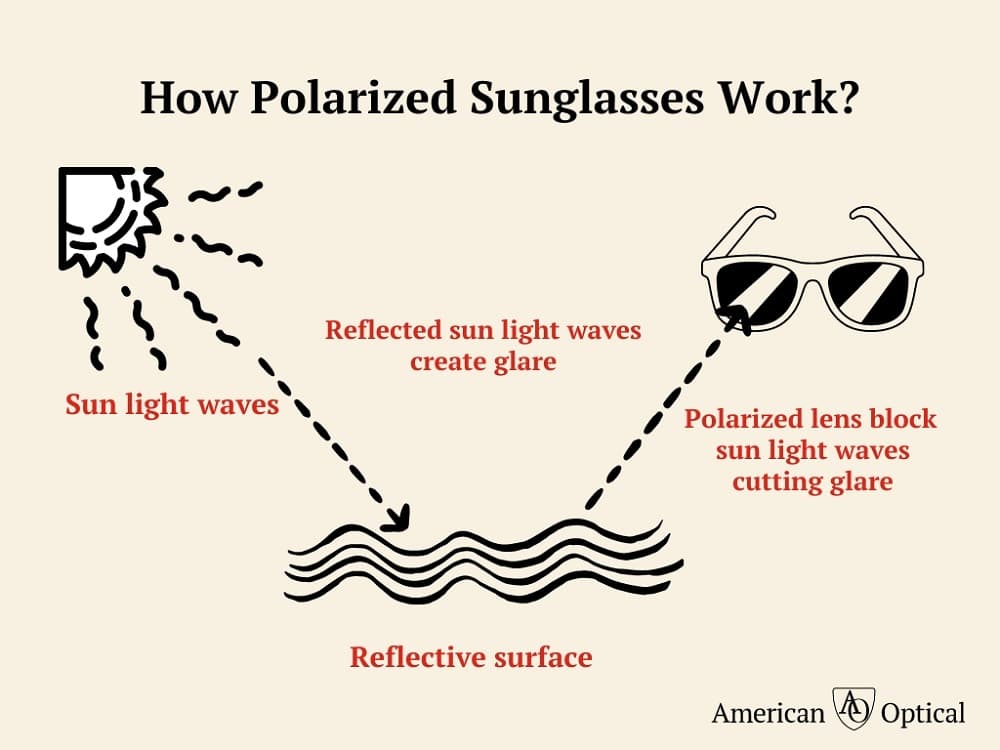
To understand how does polarized lens work, picture sunlight as many light waves moving in different directions. When that light hits a flat surface, much of the reflected light becomes organized in a mainly horizontal direction. This creates the harsh glare that makes you squint.
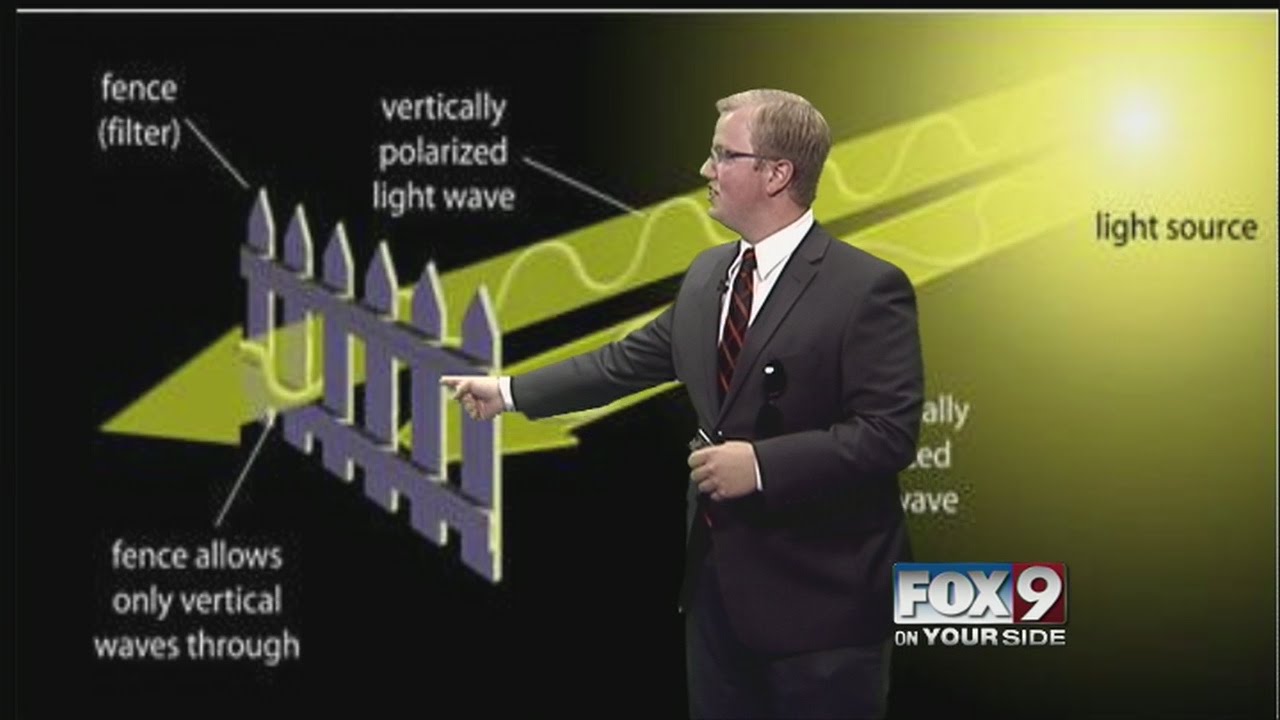
A polarized lens contains a thin filter with tiny, aligned molecules. The filter blocks much of this horizontal light while allowing more vertical light to pass through. The result is a darker, clearer, and more comfortable view.
How Does Polarized Lens Work?
The key is the lens filter, often called a polarizing filter. It works much like a fence with narrow vertical gaps. Light waves moving vertically can pass through the gaps, while waves moving horizontally are blocked.
Here is the process in simple steps:
- Sunlight reaches a reflective surface.
- The surface reflects part of the light toward your eyes.
- The reflected light becomes strongly polarized, often in a horizontal direction.
- The polarizing filter blocks much of that horizontal glare.
- Your eyes receive less scattered light, so the scene looks clearer.
This explains how does polarized lens work in everyday life. The lens does not remove all brightness. Instead, it controls the direction of light that reaches your eyes.
Polarized lenses may make a road look less shiny, allow you to see beneath the surface of calm water, or reduce the bright flash from a car windshield. They do not create sharper vision by changing your eye prescription. They improve visual comfort by reducing unwanted light.
Why Reflected Glare Is So Uncomfortable
Glare is more than simple brightness. It is bright, scattered light that enters your eyes from many angles and reduces contrast.
For example, a wet road can reflect sunlight directly toward you. The road may look like a bright sheet, making lane lines, cracks, and nearby objects harder to see. Snow can create a similar problem because its surface reflects a large amount of sunlight.
Glare can cause:
• Squinting and eye fatigue
• Watery eyes
• Headaches in some people
• Reduced contrast
• Trouble seeing details
• Slower adjustment between bright and dark areas
Polarization helps by cutting a major part of the reflected glare. However, it cannot remove every type of bright light. Direct sunlight, headlights, and general sky brightness may still reach your eyes.

Polarized Lenses vs. UV Protection
Polarization and UV protection are not the same thing. This is one of the most important points to remember when buying sunglasses.
Polarization reduces glare. UV protection blocks ultraviolet radiation. A lens can be polarized without offering strong UV protection, and a lens can block UV light without being polarized.
Quality sunglasses should provide protection from both UVA and UVB rays. In the United States, sunglasses labeled “UV400” are designed to block light up to about 400 nanometers, which includes UVA and UVB wavelengths.
When shopping, look for:
• 100% UVA and UVB protection
• Clear labeling for polarization
• A lens color that suits your activity
• A frame that fits close to your face
• Reliable quality from a trusted seller
Never assume that a very dark lens offers UV protection. Dark tint without UV filtering can allow your pupils to open wider while harmful UV still enters your eyes.
Where Polarized Lenses Work Best
Polarized sunglasses are especially useful when glare comes from a flat surface. This makes them popular for outdoor activities and travel.
They can be helpful for:
• Driving during bright daytime conditions
• Fishing and boating
• Beach trips
• Hiking near snow or ice
• Cycling on bright roads
• Skiing and snowboarding
• Golfing on sunny courses
• Outdoor work near glass or metal
Anglers often value polarized lenses because they can reduce surface glare and improve the view into shallow water. The effect depends on water movement, sunlight angle, water clarity, and lens quality. Polarized lenses cannot let you see through deep or muddy water.
Drivers may also notice less glare from pavement and other vehicles. Still, polarization is not a replacement for safe driving habits. It may reduce some reflections, but it cannot eliminate every hazard.
When Polarized Lenses May Not Be Ideal
Polarized lenses are useful, but they are not perfect for every setting. Knowing their limits can prevent disappointment.
They may be less useful in these situations:
• At night, when any added tint can reduce available light
• In very low-light conditions
• When reading some LCD screens
• When viewing certain aircraft displays
• When looking through some car windshields
• When you need to identify icy patches by reflected light
Many LCD screens use their own polarization system. When you turn your head while wearing polarized sunglasses, the screen may become dim, uneven, or nearly black. This can happen with phones, dashboards, ATMs, and some digital cameras.
Polarized lenses can also make some windshield patterns more visible. These patterns come from stress in laminated or tempered glass. They are not usually dangerous, but they can look distracting.

Can Polarized Lenses Affect Digital Screens?
Yes. Polarized sunglasses can make some digital screens difficult to see.
An LCD screen controls light with a polarizing layer. Your sunglasses add another filter. If the two filters do not line up, they may block much of the screen’s light.
You might notice:
• A screen that looks darker than normal
• Rainbow-like patterns
• A screen that disappears at certain angles
• Uneven brightness across the display
This does not mean the sunglasses are defective. It is a result of how two polarizing filters interact.
A simple test is to rotate your phone while wearing polarized sunglasses. If the screen changes brightness as you turn it, the screen and lenses are interacting. This is usually a minor issue, but it matters if your work depends on outdoor digital displays.

Are Polarized Lenses Good for Driving?
Polarized lenses can improve daytime driving comfort by reducing glare from roads, vehicles, and wet surfaces. They may also help you see road markings and objects with better contrast.
However, they are not ideal for every driving condition. Avoid using tinted sunglasses at night, during dusk, or in very dark weather. Reduced light can make it harder to see pedestrians, cyclists, signs, and hazards.
A practical driving tip is to choose gray or brown lenses with moderate darkness. Gray usually keeps colors more natural, while brown can add warmth and contrast. The best choice depends on your eyes, vehicle, and usual driving conditions.
Do not rely on sunglasses alone. Keep your windshield clean inside and out, replace worn wiper blades, and slow down when glare reduces visibility.
:max_bytes(150000):strip_icc()/polarized-sunglasses-3422163_v2-5c8ad4f4c9e77c00014a9d0b.png)
Do Polarized Lenses Improve Eye Health?
Polarized lenses can make bright outdoor vision more comfortable. By reducing glare, they may lower squinting and visual stress during long periods outside.
They also support safer outdoor vision by improving contrast in some conditions. This can be helpful when walking, cycling, boating, or driving in bright daylight.
Still, polarization does not treat eye disease or correct poor vision. It also does not replace an eye examination. People with light sensitivity, frequent headaches, or sudden changes in vision should speak with an eye-care professional.
The most important health feature is reliable UV protection. Long-term UV exposure can contribute to problems such as cataracts and damage to sensitive eye tissues. Sunglasses with proper UV filtering help reduce this exposure.
How to Choose the Right Polarized Sunglasses
The best pair depends on how and where you use it. A stylish frame matters, but lens quality and fit matter more.
Use these steps:
- Check for 100% UVA and UVB protection.
- Confirm that the lenses are polarized.
- Choose a tint for your main activity.
- Make sure the frame sits comfortably without sliding.
- Look for lenses that cover your eyes from the sides.
- Inspect the lenses for waves, bubbles, or uneven color.
- Buy from a seller that provides clear product details.
Gray lenses are a strong all-purpose choice. They reduce brightness while keeping colors fairly natural. Brown or amber lenses can improve contrast in some outdoor settings. Yellow lenses may help in overcast conditions, but they are not a substitute for clear vision or proper UV protection.
For water sports, wraparound frames can reduce glare entering from the sides. For everyday use, a comfortable medium-size frame may be enough.
Common Mistakes to Avoid
Many people buy sunglasses based only on darkness or brand name. That approach can lead to poor protection or an uncomfortable fit.
Avoid these mistakes:
• Assuming dark lenses always block UV
• Wearing polarized sunglasses at night
• Buying a pair with no UV label
• Choosing a frame that leaves large side gaps
• Expecting polarization to fix blurry vision
• Using damaged or deeply scratched lenses
• Assuming every polarized lens has the same quality
A very cheap pair may work well, but inspect the label and lens quality. Price alone does not prove performance. On the other hand, a high price does not guarantee better polarization or UV filtering.
One useful test is to compare the lenses with a known reflective surface. Rotate one lens over another polarized lens or view an LCD screen through them. Changes in brightness can suggest polarization, but this test does not confirm UV protection. Only proper product testing or trustworthy labeling can do that.
Polarized Lens Materials and Quality
Polarized lenses can be made from different materials, including plastic, polycarbonate, and glass.
Plastic lenses are light and affordable. Polycarbonate lenses are light and impact resistant, which makes them useful for sports and active work. Glass lenses often provide excellent optical clarity, but they can be heavier and may break under strong impact.
Lens quality also depends on the manufacturing process. Poor lenses may create distortion, uneven tint, or a warped view. These problems can cause discomfort, especially when you move your head.
Look straight through the center of a new lens at a straight line, such as a door frame. Move the lens slowly from side to side. If the line bends or jumps, the lens may have optical distortion.
How to Care for Polarized Sunglasses
Good care helps preserve the lens coating and optical quality.
Follow these habits:
• Rinse away dust before wiping the lenses.
• Use clean water and a lens-safe microfiber cloth.
• Avoid paper towels, clothing, and rough fabric.
• Store sunglasses in a hard protective case.
• Keep them away from hot car dashboards.
• Do not use household glass cleaner unless the maker approves it.
• Replace lenses with deep scratches or peeling coatings.
Heat can damage lens coatings and frame materials. Scratches may not always affect UV protection, but they can create distracting reflections and reduce clear vision.
Cleaning your lenses properly is a small habit that can make a noticeable difference in comfort and lifespan.