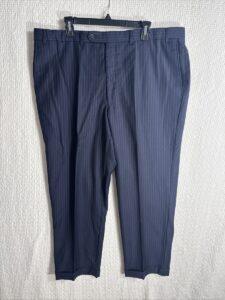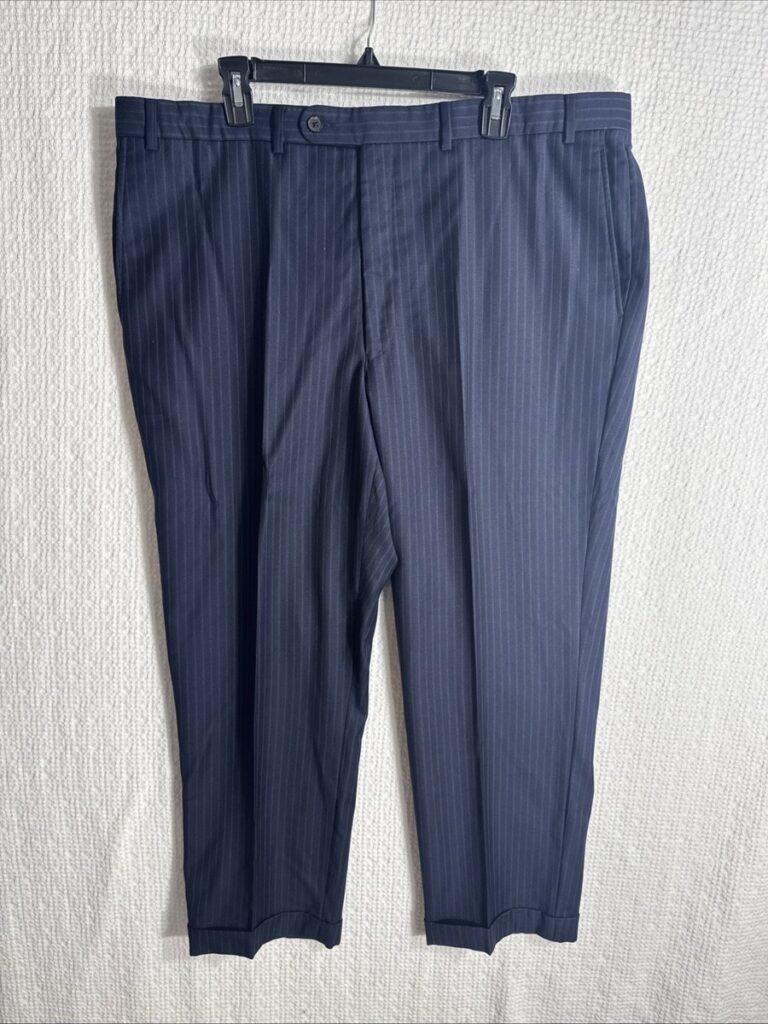
A tailor can let out men's dress pants by releasing hidden seam allowance at the waist, seat, thighs, or hem.
Learning how to let out men's dress pants can save a good pair of trousers that feels too tight. The process is simple in theory, but the result depends on the available fabric, seam placement, pocket design, and the amount of extra room needed. This guide explains the professional method, useful tools, common mistakes, and when a tailor is the better choice.

What Does It Mean to Let Out Men's Dress Pants?
To let out men's dress pants means increasing their size by opening a seam and using extra fabric folded inside the garment. Tailors often call this releasing the seam allowance.
Most dress pants have extra fabric at one or more of these areas:
- The center back seam of the waistband and seat
- The side seams near the hips and thighs
- The inseam or outseam
- The hem, if the pants need to be made longer
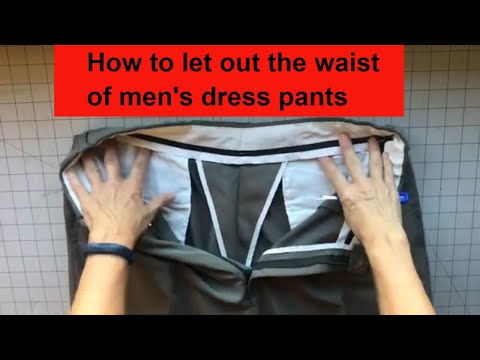
The waistband is usually the easiest place to adjust. Many pants have about 1 to 2 inches of extra fabric at the back seam. Some high-quality trousers may have more, while very slim pants may have almost none.
Letting out men's dress pants does not create new fabric. It only uses fabric already hidden inside the seams. Think of it like opening a folded map. The map becomes wider, but its original size does not change.
Check Whether the Pants Can Be Let Out
Before cutting any thread, inspect the pants carefully. This step prevents most repair problems.
Turn the pants inside out and look at the seam allowance. A wider seam allowance gives you more room to let out men's dress pants. A narrow seam may allow only a small change.
Check these areas:
- The center back seam below the waistband
- The waistband seam and its inner facing
- The seat seam around the back
- The side seams near the pockets
- The front pleats, if the pants have them
- The hem allowance at the bottom
Use a ruler to measure the extra fabric from the stitching line to the raw edge. Do not count the seam itself. A 1-inch seam allowance on both sides may provide close to 2 inches of total adjustment, but the exact amount depends on the construction.
Also inspect the fabric condition. Old wool can show a permanent crease after the seam is released. Dark trousers may hide this mark, while shiny or pressed fabric may reveal it.
A useful fitting test is to pin the pants while wearing them. Stand, sit, and walk. If the fabric pulls across the seat or waistband, note exactly where the pressure appears. Letting out men's dress pants at the wrong seam can fix one problem while creating another.
How Much Can You Let Out Men's Dress Pants?
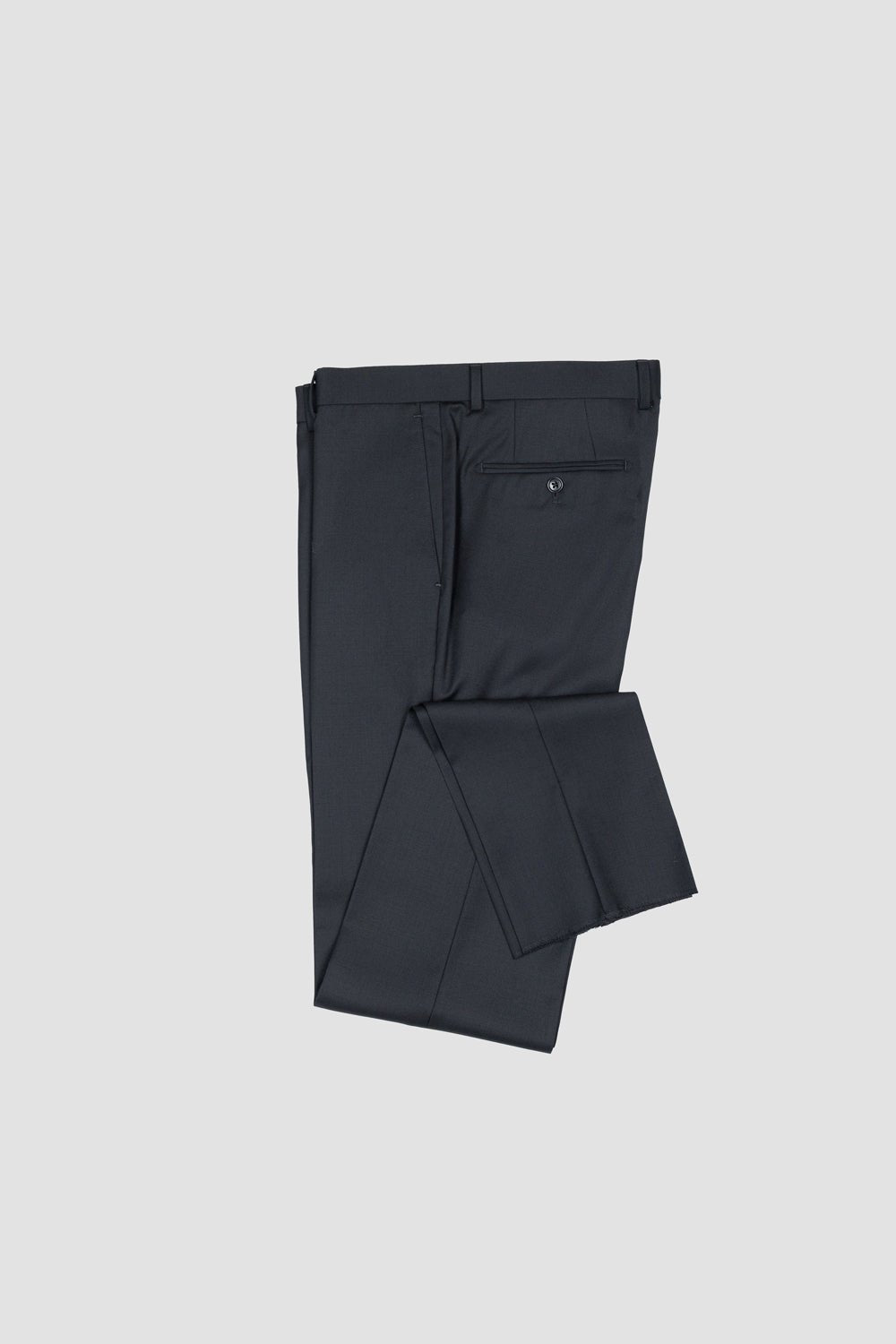
Most dress pants can be let out between 1 and 2 inches in the waist. A skilled tailor may release more, but larger changes can affect the shape of the trousers.
Here is a practical guide:
- Up to ½ inch: Usually a simple adjustment
* ½ to 1 inch: Common for a waistband alteration - 1 to 2 inches: Possible when the pants have enough seam allowance
- More than 2 inches: May require restructuring or new fabric
The seat and thigh are more complex than the waist. Adding room to the seat can change the curve of the back seam. Adding room to the thigh may affect the fall of the leg and the position of the pockets.
Pants with belt loops, back pockets, or a center-back vent need extra care. The waistband may need to be opened, resized, and sewn back together. If the adjustment is large, the tailor may also need to move a belt loop or reshape the back pocket.
The fabric matters, too. Wool and wool blends usually respond well to alterations. Linen and cotton can show old stitch marks more easily. Stretch fabrics may need special handling because the original stitching controls how the fabric recovers.
Tools You Need
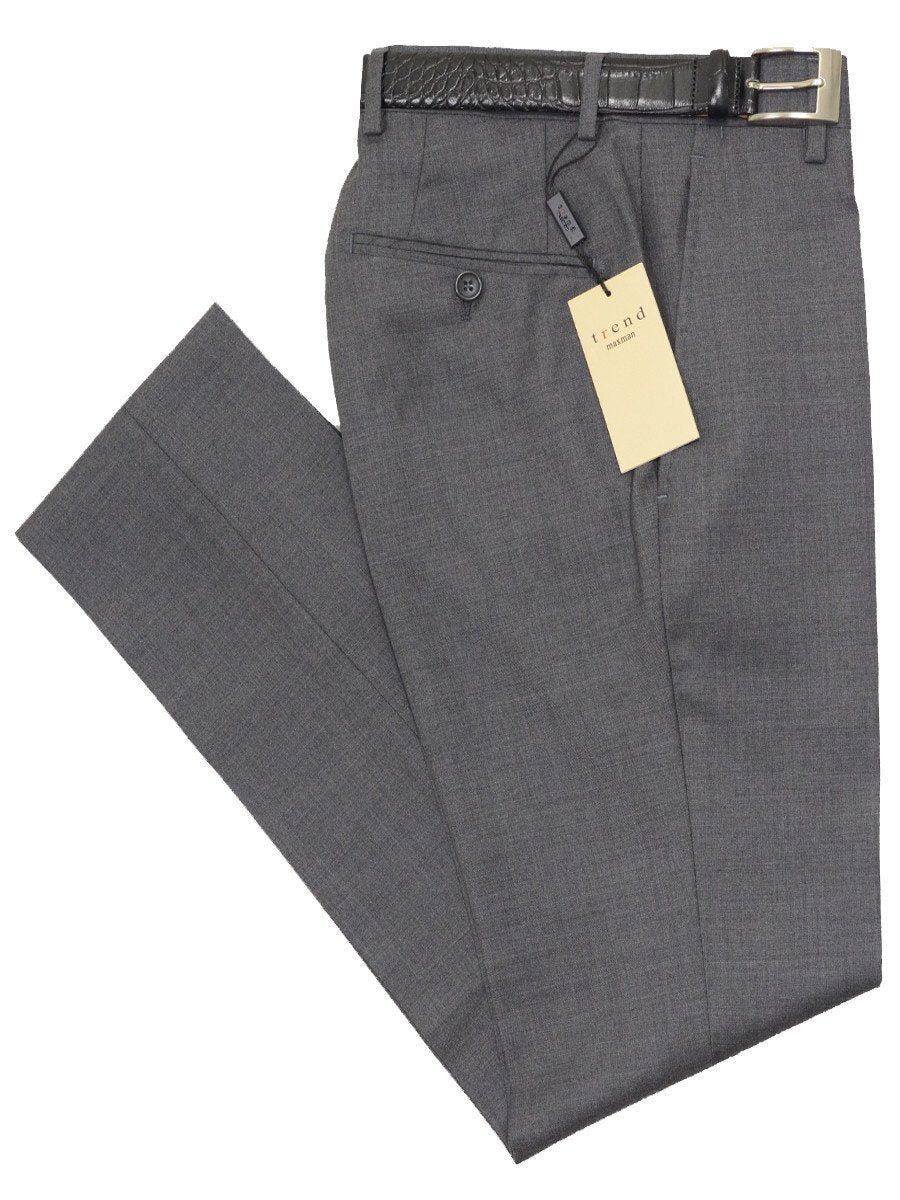
You can let out men's dress pants at home if the adjustment is small and you have basic sewing skills. Use sharp tools and work slowly.
Gather these supplies:
- A seam ripper
- Matching thread
- Hand-sewing needles
- Sewing machine
- Fabric scissors
- Tailor’s chalk or washable fabric pen
- Measuring tape
- Straight pins
- An iron and pressing cloth
- A mirror or fitting partner
A seam ripper is safer than scissors for removing stitches. Scissors can cut the trouser fabric before you notice the mistake.
Choose thread that matches the original color and thickness. Formal pants often use fine thread, so heavy thread may look uneven. Test the thread on an inside seam first.
An iron is also important. Pressing helps the released seam lie flat. Always use the heat setting recommended for the fabric. Wool can handle heat better than some synthetics, but a pressing cloth protects the surface from shine.
How to Let Out Men's Dress Pants at the Waist
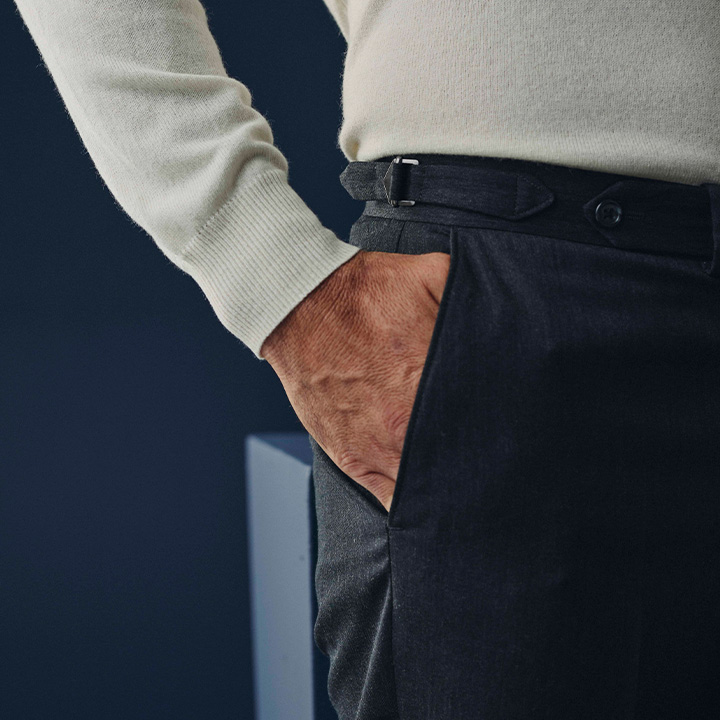
The center-back seam is the usual place to begin. Work on the waist only if the pants feel tight around the waistband but fit well through the seat and thighs.
1. Measure the needed increase
Put on the pants and close the button. Measure the gap you need for comfort. Avoid adding too much room. Dress pants should sit securely without relying on a tight belt.
For example, if the waistband feels 1 inch too tight, you may need to release about 1 inch of fabric. Divide the adjustment evenly on both sides of the center-back seam when possible.
2. Remove the belt loop
Use a seam ripper to remove the stitching that holds the center-back belt loop. Set the loop aside. It will need to be sewn back after the alteration.
3. Open the waistband
Carefully remove the stitches along the inside waistband near the center back. Open only the section needed for the adjustment. Avoid pulling the fabric, as this can leave small holes.
4. Release the original seam
Find the center-back seam below the waistband. Remove the original stitching for the needed length. Leave a small section sewn near the seat if the pants fit correctly there.
5. Sew a new seam
Spread the two sides apart until the waist reaches the required measurement. Mark the new seam with chalk.
Sew the new seam with a straight stitch. Keep the line smooth and gradual. Do not create a sharp angle, or the back of the pants may look bunched.
6. Reattach the waistband and belt loop
Trim only excess loose thread. Press the seam open or toward one side, depending on the original construction. Close the waistband and sew the belt loop back in its original position.
This is the basic process for letting out men's dress pants. However, a professional tailor may also reshape the waistband curve and adjust the lining for a cleaner finish.

How to Let Out Men's Dress Pants in the Seat
A tight seat often shows horizontal wrinkles under the back pockets or across the upper thighs. In this case, simply enlarging the waistband may not solve the problem.
To let out men's dress pants in the seat, a tailor usually releases the center-back seam below the waistband. The seam must be opened gradually so the back rise becomes longer and wider.
Follow these steps:
- Turn the trousers inside out and examine the center-back seam.
- Mark the area that feels tight while wearing the pants.
- Remove the waistband stitches and open the seat seam.
- Release only the amount of fabric available.
- Sew a smooth new seam that follows the original curve.
- Press the seam and restore the waistband.
The back pockets can limit this adjustment. If the pocket sits too close to the seam, releasing the fabric may pull or distort it. A tailor may need to move the pocket slightly or divide the adjustment between the center back and side seams.
One fitting lesson is worth remembering: wrinkles point toward the source of tension. If the wrinkles spread from the crotch, the issue may be the rise or thigh rather than the waist. Letting out men's dress pants in the wrong area can make the garment look loose without making it comfortable.

How to Let Out Men's Dress Pants Through the Thighs
Thigh alterations are more difficult because the leg must remain balanced. A small amount of extra room can often be added through the inseam or outseam.
The inseam is the inner leg seam. The outseam is the outer leg seam. Choosing between them depends on the pants design.
Use the inseam when:
- The outer seam has a visible crease or decorative stitching
- The pockets are close to the side seam
- The inner seam has a wide allowance
- The trouser leg needs a small increase on both sides
Use the outseam when:
- The inner leg seam is narrow
- The pants have a flat-felled inseam
- The outer seam has enough extra fabric
- The side pocket will not be distorted
Never release one thigh seam without checking the balance of the full leg. The crease should still point down from the knee to the shoe. If the crease twists, the adjustment is uneven.
For major thigh changes, a tailor may need to alter the seat, rise, and leg shape together. This is one of the clearest situations where professional fitting is safer than home sewing.

How to Let Out Men's Dress Pants at the Hem
Letting out the hem increases the length of the pants. This is possible only when extra fabric is folded inside the bottom hem.
Open the hem with a seam ripper and check the available allowance. Many dress pants have between 1 and 2 inches inside the hem. Cuffed pants may offer more flexibility, but the cuff must be rebuilt correctly.
To let out men's dress pants at the hem:
- Remove the existing hem stitches.
- Press away the old fold with a damp pressing cloth.
- Measure the new length while wearing dress shoes.
- Mark the fold evenly around both legs.
- Press the new hem.
- Sew it by hand or machine.
- Check that both trouser legs match.
The correct break depends on personal style and the cut of the pants. A slight break is common for modern dress trousers. A fuller break creates more fabric at the shoe.
Old crease lines may remain after the hem is released. Dry cleaning and careful pressing can reduce them, but some marks are permanent.

Common Mistakes to Avoid
Small errors can damage dress pants quickly. Take your time and avoid these common problems.
- Releasing fabric without measuring the finished waist
- Cutting the seam allowance instead of removing stitches
- Making a sharp new seam angle
- Forgetting to adjust the waistband lining
- Sewing with thread that does not match
- Failing to press the altered seam
- Adding room only to the waistband when the seat is tight
- Moving a belt loop without checking its original position
- Stretching the fabric while sewing
- Altering expensive wool pants without testing first
One mistake I often see in rushed alterations is removing too much fabric at once. It is much easier to release another quarter inch than to repair a cut seam.
Baste the new seam first when possible. Try on the pants, sit down, and walk around. If the fit feels right, sew the final seam.
When to Use a Professional Tailor
A professional tailor is the best choice for expensive, lined, or heavily structured trousers. This is especially true when the pants need more than 1 inch of extra room.
Choose a tailor when:
- The pants have a full lining
- The waistband includes a curtain or internal stay
- The fabric is delicate or patterned
- The adjustment affects the seat and thighs
- The pants have cuffs or unusual details
- The back pockets need to move
- You need more than 2 inches of added room
- The garment is part of a suit
Ask the tailor how much fabric is available before approving the work. A reliable professional should explain the likely result and point out any limitations.
The price varies by location, fabric, and construction. Waist adjustments are usually less expensive than seat, thigh, or full trouser alterations. A fitting appointment is often worth the cost because it prevents a poor shape or uneven balance.
Benefits and Limitations of Letting Out Dress Pants
Letting out men's dress pants can extend the life of a quality garment. It is often cheaper and more sustainable than replacing trousers that are otherwise in good condition.
Benefits include:
- Better comfort at the waist
- More room through the seat or thigh
- A longer useful life for quality clothing
- Less textile waste
- A better fit for changes in body size
- Preservation of a favorite color or fabric
There are also limits. The pants can only be enlarged by the amount of hidden fabric. The original crease may remain visible, and major changes can affect the balance of the garment.
Synthetic fabrics may resist pressing. Dark fabrics can show needle marks. Patterned fabrics may require careful matching. These limitations are normal, not signs of poor workmanship.
How to Care for Altered Dress Pants
Proper care helps the new seam stay strong. Always follow the care label, especially for wool, silk blends, and lined trousers.
Hang dress pants from the waistband or use a clamp hanger with a protective cloth. Give them time to air after wear. Avoid washing structured dress pants at home unless the care label allows it.
Steam can relax light wrinkles, but do not press directly on dark wool with a hot iron. Use a pressing cloth and test an inside area first.
Inspect the altered seam after the first few wears. If you see loose stitches, puckering, or pulling, stop wearing the pants and have the seam checked. Early repairs are usually easier than fixing a split seam.
Frequently Asked Questions About How to Let Out Men's Dress Pants
Can all men's dress pants be let out?
No. Pants can be let out only when they contain enough extra fabric in the seams. Slim trousers, altered pants, and low-cost garments may have very little seam allowance.
How much can you let out men's dress pants?
Most pairs can be increased by about 1 to 2 inches at the waist. The exact amount depends on the seam allowance, waistband design, pockets, lining, and fabric.
Is it easier to let out the waist or the seat?
The waist is usually easier to adjust. The seat requires more shaping because the center-back seam controls the curve, rise, and position of the back pockets.
Can a tailor let out men's dress pants in the thighs?
Yes, but thigh alterations are more complex than waist adjustments. The tailor must preserve the leg crease, pocket shape, and balance between the inseam and outseam.
Can you let out men's dress pants at home?
You can handle a small waist or hem adjustment with basic sewing skills. Use a tailor for lined pants, expensive wool, large changes, or any alteration involving the seat and thighs.
Will letting out pants leave marks?
It can. Old stitch holes, pressed creases, or slight color changes may remain, especially in wool, cotton, and linen. Pressing and professional cleaning may reduce the marks but cannot always remove them.
Should dress pants be tight before letting them out?
They should feel snug but not painful. If the fabric pulls, pockets gape, or sitting feels difficult, the pants may need more room; however, excessive looseness can make the final shape look poor.
Conclusion
Learning how to let out men's dress pants starts with checking the hidden seam allowance and identifying where the tightness begins. Small waist and hem changes may be manageable at home, while seat, thigh, lined, and expensive trousers usually need a skilled tailor.
Measure twice, release stitches carefully, and test the fit before sewing permanently. With the right approach, letting out men's dress pants can restore comfort, protect a valuable wardrobe piece, and help you wear well-fitted trousers for years. If this guide helped, explore more clothing alteration tips or share your fitting experience in the comments.
Madison Clark is a footwear expert and the voice behind MyStyleGrid.com. She specializes in honest shoe reviews, style tips, and practical guides to help readers find the perfect pair for any occasion. With years of experience in blogging and content creation, Madison makes footwear knowledge simple, stylish, and easy to follow.