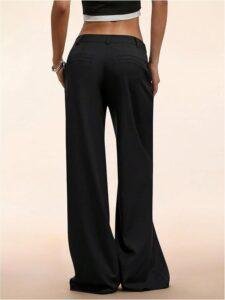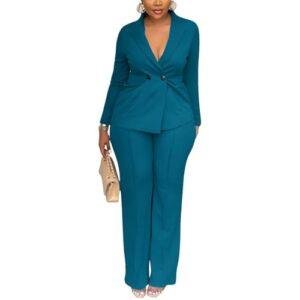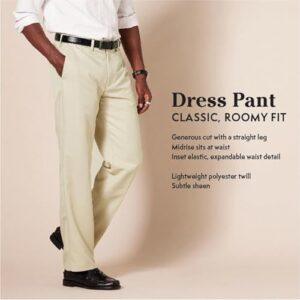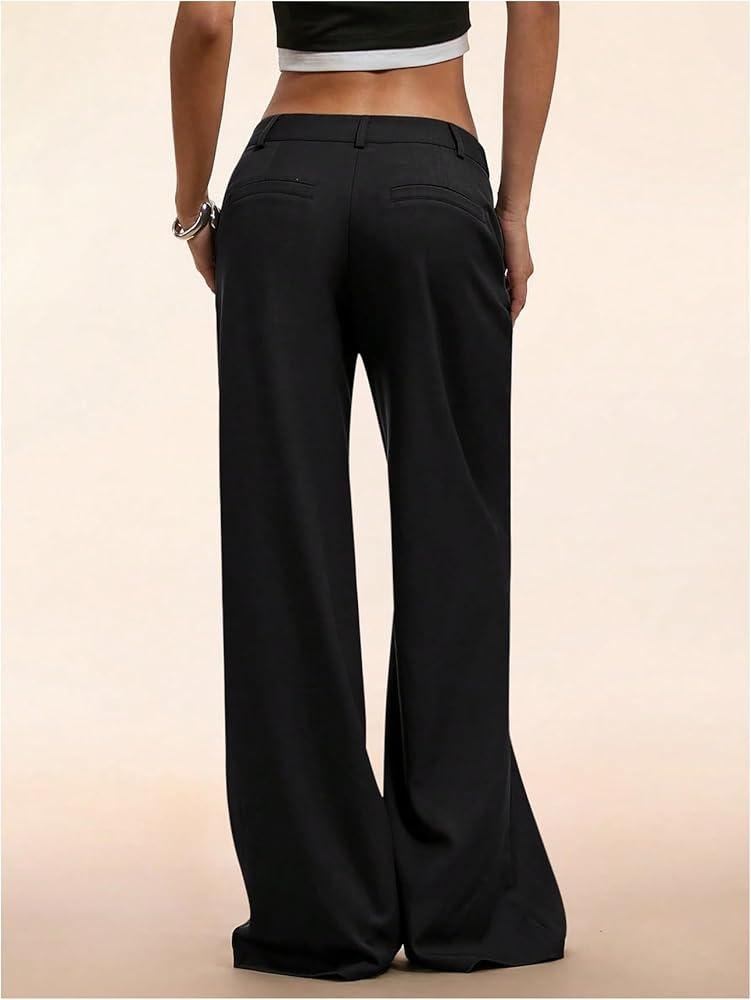
The rise in women's pants is the distance from the crotch seam to the top of the waistband.
If you have ever loved a pair of pants in the store but disliked the fit at home, the rise may be the reason. Understanding what is the rise in women's pants helps you choose styles that sit comfortably, shape your outfit, and match your body proportions. This guide explains the main rise types, how to measure them, and how to find your best fit.
What Is the Rise in Women’s Pants?
When people ask what is the rise in women's pants, they are asking about the vertical length between two points:
• The crotch seam, where the front and back panels meet
• The top edge of the waistband
This measurement affects where the pants sit on your body. A short rise sits lower near the hips. A long rise reaches closer to the natural waist. A medium rise falls between these two points.
Think of the rise as the “vertical room” in your pants. The waist measurement controls how tightly the pants wrap around you. The rise controls where that waistband sits from front to back.
The rise can change how pants feel, even when the waist and hip measurements look correct. Pants with too little rise may pull down or feel tight at the crotch. Pants with too much rise may bunch near the zipper or sit higher than you want.

Why the Rise Matters for Fit
Understanding what is the rise in women's pants makes clothing sizes easier to compare. Two pairs marked with the same waist size can feel very different because their rise measurements are not the same.
A well-matched rise can improve:
• Comfort when sitting, walking, or bending
• Waistband placement
• Coverage at the front and back
• The shape of the hip and seat area
• The balance between your torso and legs
• The overall look of an outfit
Body shape matters, but height alone does not decide your best rise. A tall person may prefer a lower rise, while a shorter person may enjoy a high rise. Your torso length, hip shape, and personal comfort are more useful guides.
In my experience helping people compare clothing fits, many shoppers blame the size when the real issue is the rise. They try a larger size, but the pants still feel wrong. The waistband may become loose while the crotch area remains uncomfortable. Changing the rise often solves the problem faster than changing the size.

Types of Rise in Women’s Pants
The main types are low rise, mid rise, and high rise. Some brands also use terms such as ultra-low rise, super-high rise, or original rise. These labels are helpful, but they are not perfectly uniform across brands.
Low-rise pants
Low-rise pants sit below the natural waist, often around the upper hips. They became especially popular in the late 1990s and early 2000s.
Common features include:
• A shorter front and back rise
• More space between the waistband and the belly button
• A longer-looking torso
• A lower waistband that may show more skin when you bend
Low-rise pants can feel comfortable if you dislike fabric around your waist. However, they may offer less coverage when sitting or moving. The back rise matters here because a low back rise can cause the waistband to slide down.
Mid-rise pants
Mid-rise pants sit between the hip and natural waist. They are often a safe choice because they provide balanced coverage without feeling too high.
Mid-rise styles work well for:
• Everyday jeans
• Office trousers
• Casual chinos
• Straight-leg and bootcut pants
• People who want moderate stomach coverage
Because brands define mid rise in different ways, check the actual measurement when possible. One brand’s mid-rise pants may fit like another brand’s high-rise pants.
High-rise pants
High-rise pants sit near or above the natural waist. They have a longer rise and often provide more front and back coverage.
High-rise pants may help create a longer-looking leg line because the waistband sits higher on the body. They also pair well with tucked-in shirts, cropped sweaters, and fitted tops.
Still, high rise does not suit everyone. If the waistband sits above your natural waist, it may feel restrictive or create extra fabric near the zipper. The best high-rise fit should lie flat without digging into your stomach.
Ultra-high-rise pants
Ultra-high-rise pants sit well above the natural waist. They are common in some denim, fashion, and vintage-inspired collections.
These pants can create a strong waist shape, but their fit must be precise. A small mistake in the rise may cause pressure at the rib cage or excess fabric at the lower abdomen.

How to Measure the Rise in Women’s Pants
If you want to know what is the rise in women's pants, you can measure a pair you already own. This gives you a useful comparison when shopping online.
Follow these steps:
-
Lay the pants flat on a table or bed.
-
Close the zipper and button.
-
Smooth out the fabric without stretching it.
-
Find the crotch seam where the front and back seams meet.
-
Measure straight up to the top edge of the front waistband.
-
Record the measurement in inches.
This is the front rise. Some clothing brands list only the front rise, while others list both front rise and back rise. The back rise can be important if you need more coverage through the seat.
For a more complete fit check, measure pants that feel good and pants that feel uncomfortable. Compare the numbers. This can show whether you prefer a shorter, medium, or longer rise.
Do not compare measurements from flat pants with measurements taken on your body. The fabric may stretch, and different measuring methods can produce different results.

Front Rise and Back Rise Explained
Many shoppers learn what is the rise in women's pants by looking only at the front rise. However, the back rise also plays a major role in comfort.
The front rise runs from the crotch seam to the front waistband. It affects how the pants sit over the lower stomach.
The back rise runs from the crotch seam to the back waistband. It affects coverage over the seat and lower back.
A pair of pants may have a comfortable front rise but a short back rise. In that case, the waistband may slide down when you sit or bend. This is common for people with fuller hips, a longer torso, or a more curved seat.
Pants with a longer back rise can provide better coverage. Some designs also use a contoured waistband. This waistband follows the curve of the body and can reduce gaping at the back.

How the Rise Changes Your Body Proportions
The rise can change the visual balance of an outfit. It does not change your body, but it changes where the clothing creates a line.
Low-rise pants usually make the torso look longer and the legs look shorter. High-rise pants can make the legs look longer and create a more defined waist. Mid-rise pants offer a neutral balance.
This does not mean one rise is better than another. It depends on the look you want and how you want the pants to feel.
For example:
• A high-rise wide-leg pant can create a long, clean line.
• A mid-rise straight-leg jean can create a classic daily look.
• A low-rise cargo pant can give an outfit a relaxed, modern feel.
The rise also works with shirt length. A high-rise pant often looks polished with a tucked shirt. A low-rise style may work better with a longer top that provides extra coverage.

Choosing the Right Rise for Your Body and Lifestyle
The best answer to what is the rise in women's pants is not only a measurement. It is also a question of comfort, movement, and personal style.
Consider these factors:
Your torso length
A longer torso may feel comfortable in high-rise pants because they provide more vertical coverage. A shorter torso may prefer mid-rise pants if high-rise waistbands feel too close to the bra line.
Your hip and seat shape
Curved bodies may need a longer back rise or a contoured waistband. If pants pull across the hips but gap at the waist, the cut may not match your shape.
Your daily movement
If you bend, sit, or move often, look for enough rise in both the front and back. Work pants, travel pants, and active styles should stay in place without constant adjustment.
Your preferred coverage
Choose low rise if you like a lower waistband. Choose mid rise for moderate coverage. Choose high rise if you want the waistband near your natural waist.