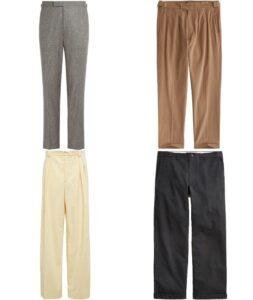
Men’s pants are generally called pants in American English and trousers in British English.
If you ask what are men's pants called, the simple answer is “pants” in the United States. However, the word can describe many styles, from jeans and chinos to dress pants and joggers. Knowing the right name helps you shop with confidence, choose the right fit, and dress well for any setting.

What are men’s pants called in American English?
In American English, the standard word is “pants.” It usually means clothing worn from the waist to the ankles, with separate sections for each leg. For example, you might say, “He bought a new pair of pants.”
The word “pants” is normally plural because the garment has two leg sections. “Pant” is not common in everyday American speech, although it may appear in product names, fashion writing, or technical descriptions.
Common American terms include:
• Pants: The general term for most lower-body garments with two legs.
• Trousers: A more formal or traditional word, often used in fashion and retail.
• Slacks: Comfortable, non-denim pants that are usually smarter than jeans.
• Dress pants: Tailored pants worn with business or formal clothing.
• Jeans: Durable pants made from denim.
• Chinos: Cotton twill pants with a clean, slightly dressy look.
• Khakis: Casual cotton pants, often tan, beige, or olive.
The best term depends on the garment, the occasion, and the region. A store may use “men’s pants” as its main category, then divide it into more specific styles.
What are men’s pants called in British English?
In British English, men’s pants are usually called “trousers.” The word “pants” often means underwear, especially in the United Kingdom and Ireland.
This difference can cause confusion. If an American says, “I need new pants,” they usually mean outer clothing. If a British speaker says, “I need new pants,” the listener may think of underwear.
Here is a simple comparison:
• American English: “I bought new pants for work.”
• British English: “I bought new trousers for work.”
• American English: “I need comfortable underwear.”
• British English: “I need comfortable pants.”
Canada, Australia, and other English-speaking regions may use both terms. Local habits can vary, so context matters. In international online stores, “trousers” often sounds more formal, while “pants” is widely understood.
Main types of men’s pants
Understanding the names of men’s pants makes shopping much easier. Each style has a different cut, fabric, and purpose.
Jeans
Jeans are made from denim, a strong cotton fabric. They are common for casual wear and come in many washes, such as dark blue, medium blue, black, gray, and white.
Popular jean fits include:
• Straight-leg jeans: The leg stays nearly the same width from the knee to the ankle.
• Slim-fit jeans: The leg is narrower but not skin-tight.
• Skinny jeans: The fabric fits closely from the waist to the ankle.
• Relaxed-fit jeans: The seat and legs offer more room.
• Bootcut jeans: The leg opens slightly at the bottom to fit over boots.
• Tapered jeans: The leg narrows toward the ankle.
Dark jeans usually look cleaner and more polished. Light or distressed jeans tend to look more casual.
chinos
chinos are usually made from cotton twill. They are lighter and neater than most jeans, which makes them useful for casual offices, dinners, travel, and weekend outfits.
Khakis are often treated as a type of chino, though the terms are not always used in exactly the same way. Khaki is also a color, while chinos describe a style of pants.
Navy, stone, olive, gray, and tan chinos are easy to match. They work well with polo shirts, button-down shirts, sweaters, and casual jackets.
Dress pants
Dress pants are tailored pants designed for professional or formal outfits. They may be made from wool, wool blends, polyester blends, cotton, or linen.
Dress pants are often worn with:
• A dress shirt and tie
• A suit jacket or blazer
• A sweater in a business-casual setting
• A formal shirt for weddings or special events
Suit pants are made to match a specific suit jacket. They should not usually be mixed with a different jacket because the color, fabric, and finish may not match.
Slacks
“Slacks” is a broad term for comfortable, non-denim pants. The word is common in American workplaces and department stores.
Slacks may include wool trousers, synthetic dress pants, or cotton pants with a relaxed cut. They are usually more polished than jeans but less formal than tuxedo trousers.
Cargo pants
Cargo pants have large utility pockets, often placed on the sides of the thighs. They began as practical work and military clothing but are now common in streetwear and casual fashion.
Cargo pants can be useful for travel, outdoor work, and hiking. However, large pockets add visual weight, so a simple shirt often creates a more balanced outfit.
Corduroy pants
Corduroy pants are made from fabric with raised vertical ridges called wales. They feel warm and soft, making them popular in fall and winter.
Fine-wale corduroy looks smoother and more refined. Wide-wale corduroy creates a stronger vintage or casual look.
Linen pants
Linen pants are light, cool, and breathable. They are a strong choice for hot weather, beach trips, summer weddings, and relaxed events.
Linen wrinkles easily. That is part of its natural character, but a neat fit and light pressing can keep the outfit looking intentional.
Joggers and sweatpants
Joggers usually have an elastic waist and elastic cuffs at the ankles. Sweatpants are soft casual pants made for exercise, lounging, or relaxed daily wear.
Modern joggers may use technical fabric and have a slim shape. They can look sharp with clean sneakers and a simple jacket, but they are not suitable for every office or formal event.
What is the difference between pants, trousers, and slacks?
“Pants” is the broadest everyday term in American English. It can describe almost any garment worn on the lower body, including jeans, chinos, cargo pants, and dress pants.
“Trousers” often sounds more formal or traditional. Fashion brands, tailors, and style guides may use “trousers” to describe tailored pants, especially when discussing wool or suit clothing.
“Slacks” usually suggests comfortable, separate pants that are not part of a suit. The lines are not strict, though. A retailer may call the same item dress pants, trousers, or slacks.
Think of these terms as overlapping circles:
• Pants: The broad category.
• Trousers: A formal or traditional term for pants.
• Slacks: Comfortable, usually non-denim pants.
• Dress pants: Pants made for smart or professional clothing.
The name alone does not determine quality or formality. Fabric, cut, color, details, and styling all matter.
How men’s pants are named by fit
Fit describes how pants sit on the body and how much space they provide. The same waist size can feel very different in different cuts.
Slim fit
Slim-fit pants have a narrow shape through the seat and thigh. They often taper toward the ankle.
They suit people who prefer a clean outline, but the fabric should not pull across the pockets or thighs. If the pants restrict walking, sitting, or climbing stairs, the fit is too tight.
Straight fit
Straight-fit pants have a more even width from the thigh to the hem. They offer a classic look and work well with many body types.
Straight jeans and chinos are especially versatile. They can be worn with sneakers, boots, loafers, or casual dress shoes.
Relaxed fit
Relaxed-fit pants provide more room in the seat, thigh, and sometimes the lower leg. They are useful for movement, physical work, and anyone who dislikes a close fit.
A relaxed cut should still fit correctly at the waist. Extra room should look intentional rather than baggy.
Athletic fit
Athletic-fit pants are made for larger thighs and glutes with a smaller waist. They can reduce pulling and gaping, especially for men who lift weights or play sports.
This fit is often a better choice than buying a larger waist size and having the waistband altered.
Tapered fit
Tapered pants are wider near the thigh and narrower near the ankle. This creates a modern shape without requiring a tight fit throughout the leg.
Tapered pants work well with low-profile sneakers and boots. The ankle opening should not bunch heavily around the shoe.
Wide-leg fit
Wide-leg pants have a generous cut from the hip to the hem. They offer comfort and create a bold, relaxed silhouette.
The rest of the outfit should usually be simple. A fitted or neatly tucked shirt can prevent the look from becoming shapeless.
How to choose the right name when shopping
Online stores use many overlapping labels. The clearest way to shop is to focus on the garment’s purpose, fabric, and fit.
Use these search terms based on your needs:
-
For work: Search for men’s dress pants, work trousers, or business-casual slacks.
-
For smart casual outfits: Search for chinos, tailored cotton pants, or smart trousers.
-
For everyday wear: Search for jeans, five-pocket pants, or casual pants.
-
For travel: Search for stretch chinos, travel pants, or lightweight trousers.
-
For exercise: Search for joggers, training pants, or sweatpants.
-
For hot weather: Search for linen pants, cotton-linen trousers, or lightweight pants.
-
For outdoor use: Search for cargo pants, hiking pants, or utility trousers.
Always check the size chart. A label such as “32” may refer to the waist, but actual measurements can vary between brands.
A helpful fitting check is to sit, walk, and bend before removing the tags. The waistband should stay secure without digging into the body. The pockets should lie flat, and the fabric should not strain across the front.
Common mistakes when choosing men’s pants
Even well-dressed men can choose the wrong pants because small details change the whole outfit.
Choosing size over fit
A waist measurement is only one part of fit. The rise, thigh, seat, knee, and hem also affect comfort and appearance.
If the waist fits but the thighs are tight, try an athletic or relaxed cut. If the waist is loose but the legs fit well, a tailor may be able to adjust the waistband.
Ignoring the rise
The rise is the distance from the crotch seam to the top of the waistband. Low-rise pants sit below the natural waist, while mid-rise and high-rise pants sit higher.
A rise that is too short can feel tight when sitting. A rise that is too long may create extra fabric and an untidy front.
Wearing the wrong hem length
Pants that are too long may bunch at the shoe. Pants that are too short can expose too much sock and look unplanned, unless that cropped style is intentional.
Common hem options include:
• No break: The fabric meets the shoe with little or no fold.
• Half break: A small fold appears at the front.
• Full break: A deeper fold creates a more traditional look.
The best length depends on the cut, shoe, and personal style.
Matching the wrong formality
Jeans with heavy fading may not suit a formal office. Wool dress pants may look out of place at a beach picnic.
Match the fabric and finish to the setting. When unsure, clean dark chinos are often a safe middle ground.
Overlooking pocket design
Large pockets, flaps, zippers, and decorations change the visual balance of pants. Simple pockets usually look more polished, while cargo pockets create a more rugged effect.
This is a useful lesson from helping people compare outfits: the small details often matter more than the brand name.
Men’s pants by occasion
The right name for men’s pants often depends on where you plan to wear them.
Business and office wear
For a traditional office, choose wool trousers, dress pants, or suit pants. Neutral colors such as navy, charcoal, medium gray, and black are easy to coordinate.
For business casual clothing, chinos or neat slacks may work. Company dress codes vary, so observe what respected coworkers wear before choosing a new style.
Weddings and formal events
Formal events may require suit trousers, tuxedo trousers, or tailored dress pants. The invitation should guide your choice.
Tuxedo trousers often have a satin stripe along the outer leg. They are normally worn with a tuxedo jacket and formal shoes.
Casual weekends
Jeans, chinos, five-pocket pants, corduroy pants, and casual cargo pants are common weekend choices. The best option depends on weather, activity, and personal taste.
Dark jeans can look neat with a button-down shirt. Light jeans and graphic shirts create a more relaxed outfit.
Outdoor work and travel
Cargo pants, utility pants, hiking pants, and stretch travel pants offer movement and storage. Look for strong seams, durable fabric, and pockets that close securely.
For travel, a small amount of stretch can improve comfort. However, very thin fabric may wear faster, so check reviews and care instructions.
Warm-weather events
Linen pants, cotton trousers, and lightweight chinos help reduce heat. Light colors reflect more sunlight, but they may show stains more easily.
Choose breathable socks and shoes as well. Comfortable pants cannot solve every problem if the full outfit traps heat.
Fabric guide for men’s pants
Fabric affects comfort, appearance, care, and durability.
• Cotton: Soft and versatile, but it may wrinkle and shrink if washed or dried with high heat.
• Denim: Strong and durable, with a casual appearance that changes over time.
• Wool: Breathable and refined, making it useful for dress pants and cool weather.
• Linen: Very breathable and light, but naturally prone to wrinkles.
• Polyester: Durable and often wrinkle-resistant, though it may feel less breathable than natural fibers.
• Nylon: Light and strong, often used in outdoor and travel pants.
• Spandex or elastane: Adds stretch and improves movement, but too much can reduce structure.
Blended fabrics combine the qualities of several fibers. For example, cotton with a small amount of elastane can feel more flexible than pure cotton.
Care labels matter. Washing instructions help preserve color, shape, and fabric strength. Many dress pants last longer when aired out, brushed, and dry-cleaned only when needed.
A simple men’s pants wardrobe
You do not need dozens of pairs. A small, balanced wardrobe can cover most daily needs.
Consider starting with:
• One pair of dark, straight or slim jeans
• One pair of medium-wash casual jeans
• One pair of navy or tan chinos
• One pair of gray or charcoal dress pants
• One pair of black or dark formal pants
• One pair of comfortable joggers
• One pair of seasonal pants, such as linen or corduroy
Choose colors that work with your current shirts and shoes. A small wardrobe is easier to maintain, and each item gets more use.
A practical mistake to avoid is buying a stylish pair that matches nothing you own. Before purchasing, imagine at least three outfits using shirts and shoes already in your closet.
Why the correct pants name matters
Knowing what are men's pants called helps you communicate clearly with sales staff, search online, and understand dress codes. It also helps you compare similar products without relying only on photographs.
For example, “black pants” is not very specific. “Black slim-fit wool trousers” gives information about color, cut, and fabric. “Stretch cotton chinos” tells you more about comfort and purpose.
The name can also prevent cultural confusion. If you shop in the United States, “pants” normally means outerwear. If you shop in the United Kingdom, “trousers” is usually the safer word.
Still, names are not universal. Retailers may use marketing terms differently, and fashion trends can change the meaning of a label. Always review the product measurements, material details, photos, and return policy.
Frequently Asked Questions: What are men’s pants called?
What are men’s pants called in the United States?
Men’s pants are usually called “pants” in the United States. More specific names include jeans, chinos, slacks, dress pants, cargo pants, and joggers.
What are men’s pants called in the United Kingdom?
Men’s pants are usually called “trousers” in the United Kingdom. In British English, “pants” often refers to underwear.
Are trousers and pants the same thing?
They can mean the same type of clothing, but regional use differs. “Pants” is more common in American English, while “trousers” is more common in British English and often sounds more formal.
What are men’s formal pants called?
Men’s formal pants are commonly called dress pants, suit trousers, or tuxedo trousers. The correct term depends on whether they are worn with a business outfit, suit, or tuxedo.
What are casual men’s pants called?
Casual men’s pants may be called jeans, chinos, khakis, cargo pants, corduroy pants, joggers, or sweatpants. The best name depends on the fabric, cut, and level of formality.
Is it correct to say “a pant”?
In everyday American English, people usually say “a pair of pants,” not “a pant.” “Pant” may appear in technical, fashion, or product language, but it is uncommon in normal conversation.
What is the difference between chinos and khakis?
Chinos are a style of cotton-twill pants, while khaki is both a color and a commonly used name for casual cotton pants. In everyday shopping, the terms often overlap.
What should men wear instead of jeans for a business-casual outfit?
Chinos, tailored cotton pants, or clean dress slacks are common alternatives to jeans. Choose a neat fit and pair them with a collared shirt, sweater, or blazer when appropriate.
Conclusion
So, what are men’s pants called? In American English, the general term is “pants.” In British English, “trousers” is more common, while specific styles include jeans, chinos, slacks, dress pants, cargo pants, joggers, and linen pants.
The best choice depends on the fit, fabric, occasion, climate, and regional language. Start by learning these basic names, then check measurements and try different cuts to find what feels comfortable and looks right. Explore more style guides, compare your favorite fits, and share your go-to pair of men’s pants in the comments.
Madison Clark is a footwear expert and the voice behind MyStyleGrid.com. She specializes in honest shoe reviews, style tips, and practical guides to help readers find the perfect pair for any occasion. With years of experience in blogging and content creation, Madison makes footwear knowledge simple, stylish, and easy to follow.