Lace-up boots are commonly called lace-up boots, but specific styles include combat, service, hiking, and Oxford boots.
If you have searched for “what are lace up boots called,” you are not alone. The name changes with the boot’s height, purpose, sole, leather, and lacing design. This guide explains the common names, key differences, and best uses so you can identify the right pair with confidence.
What are lace up boots called?
The broad term is simply lace-up boots. This name describes boots that use laces to secure the foot, ankle, or lower leg. Unlike pull-on boots, lace-up boots let you adjust the fit across the instep and ankle.
However, shoppers and shoe experts often use more specific names. The correct term depends on the boot’s shape and intended use.
Common names include:
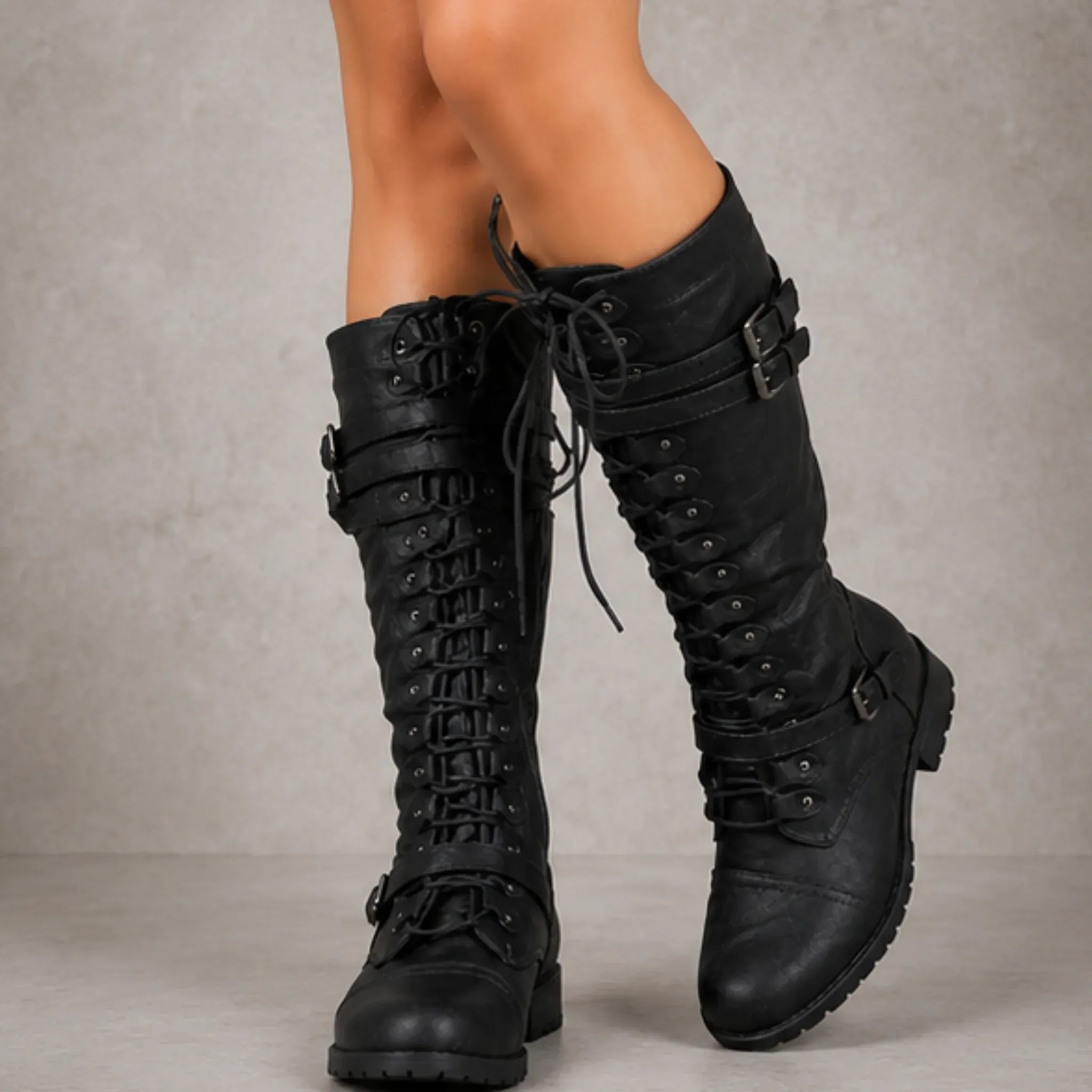
• Combat boots for rugged, military-inspired designs
• Service boots for sturdy everyday leather boots
• Work boots for job-site protection and long wear
• Hiking boots for outdoor trails and uneven ground
• Chukka boots for short ankle boots with open lacing
• Derby boots for boots with visible open eyelet sections
• Oxford boots for boots with closed lacing and a neat shape
• Engineer boots for tall, work-style boots that may use both laces and straps
In other words, “lace-up boots” is the family name. Names such as combat boots and hiking boots describe a particular member of that family.
Why are lace-up boots called different names?
Boot names often come from their history, construction, or main use. A boot made for soldiers may be called a combat boot, while a boot made for trail walking may be called a hiking boot.
Designers also use shoe-making terms to describe how the laces attach to the upper. The two main systems are open lacing and closed lacing.
Open lacing
Open-lace boots have eyelet panels that sit on top of the front part of the boot. They usually feel roomier across the instep and offer a more relaxed look.
Derby boots and many work boots use open lacing. This design also makes it easier to adjust the boot for a high instep or wider foot.
Closed lacing
Closed-lace boots have the eyelet panels sewn beneath the front section of the upper. The boot often looks smoother, slimmer, and more formal.
Oxford boots are the best-known example. Oxford-style lace-up boots can work with dress pants, wool trousers, or smart casual outfits.
Historical names
Some boot names come from military or trade history. Combat boots were made for military use, while service boots became popular as practical footwear for work, travel, and daily wear.
These names still matter today, even when the modern boot is made for fashion rather than active service.

The most common types of lace-up boots
Knowing the main categories makes it much easier to shop. Here is what the most common lace-up boot names usually mean.
Combat boots
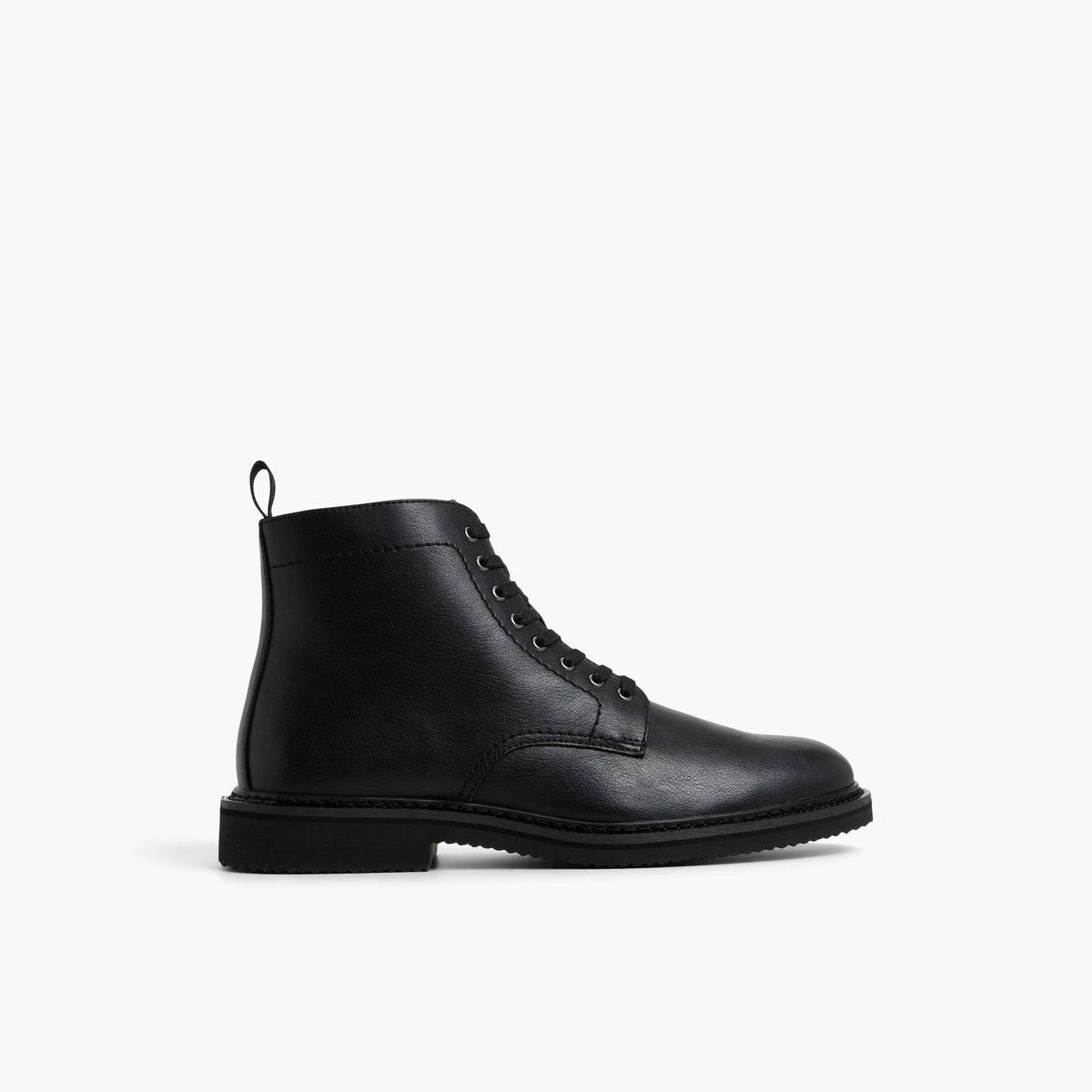
Combat boots have a strong, practical look. They often feature a tall ankle shaft, firm heel support, durable leather or synthetic materials, and a thick rubber sole.
Modern combat boots may be styled with jeans, cargo pants, skirts, or casual dresses. Some are built for outdoor use, while others are mainly fashion boots.
Service boots
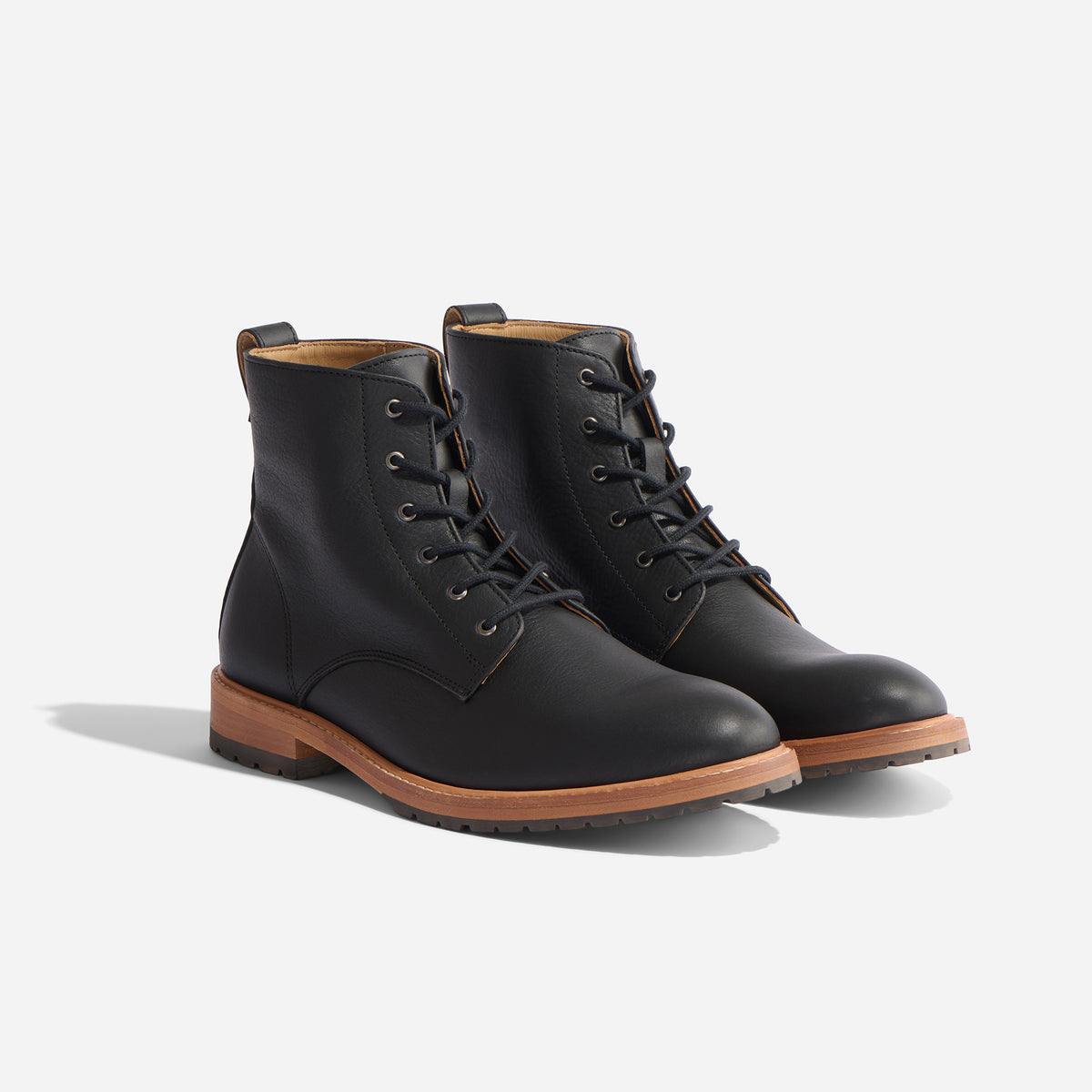
service boots usually have a clean shape and a tough build. They often use full-grain leather, a moderate heel, metal eyelets, and a welted or stitched sole.
A good service boot can serve as an everyday boot for years. It may look less bulky than a combat boot while still offering strong support and weather resistance.
Work boots
Work boots are designed for demanding conditions. Depending on the job, they may include safety toes, slip-resistant soles, electrical hazard protection, waterproof membranes, or puncture-resistant materials.
Do not assume every lace-up work boot provides the same protection. Check the product label and the safety standards required for your workplace.
Hiking boots
Hiking boots support walking on trails and rough ground. They usually have deep tread, cushioned midsoles, firm heel counters, and materials that help manage water and dust.
Some hiking boots rise above the ankle for extra support. Others are low-cut and feel more like trail shoes.
Chukka boots
Chukka boots are short lace-up boots that usually reach the ankle. They often have two or three pairs of eyelets and a simple upper.
Suede chukkas look relaxed, while leather chukkas can appear polished. They are a useful choice when you want something between a shoe and a tall boot.
Oxford boots
Oxford boots use closed lacing. They usually have a sleek upper and a formal appearance.
They are a strong match for suits, dress trousers, and business-casual clothing. Because the lacing area has less room to spread, Oxford boots may feel tight on high-volume feet.
Derby boots
Derby boots use open lacing. Their eyelet panels sit on top of the vamp, which gives the boot a more flexible and casual look.
They are often easier to fit than Oxford boots. If you need more room over the instep, Derby boots are worth trying first.
Lace-up boots versus other boot styles
The answer to “what are lace up boots called” becomes clearer when you compare them with other boot types.
Lace-up boots versus Chelsea boots
Chelsea boots have elastic side panels and no laces. They are easy to put on and remove, but they offer less fit adjustment than lace-up boots.
Lace-up boots usually provide a more secure hold around the ankle. Chelsea boots often create a cleaner, simpler outline.
Lace-up boots versus zip-up boots
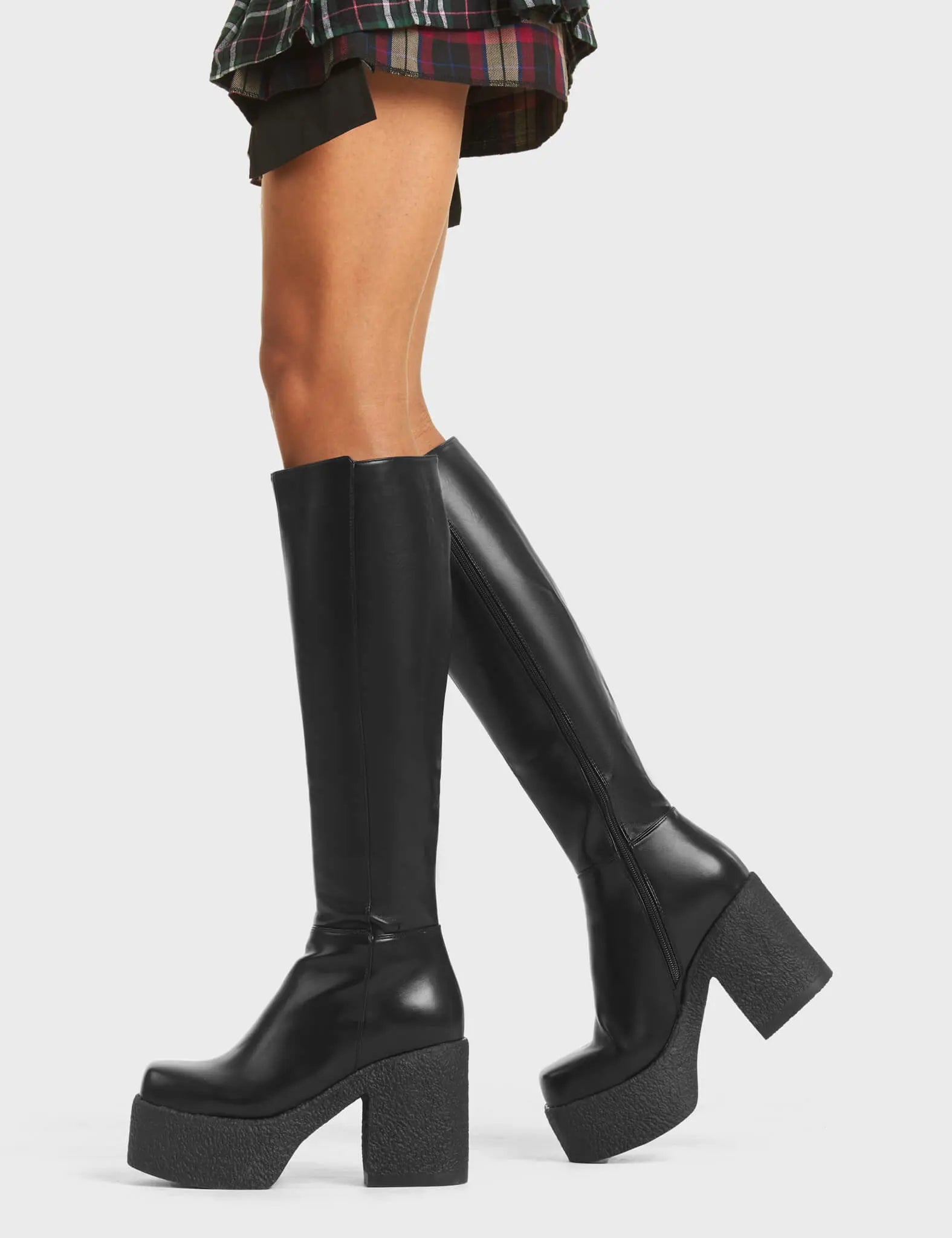
Zip-up boots close with a zipper. Some pairs also include laces for decoration or extra adjustment.
A zipper is convenient, especially when you wear the same boots often. Still, laces can provide a more precise fit and may be easier to replace if damaged.
Lace-up boots versus pull-on boots
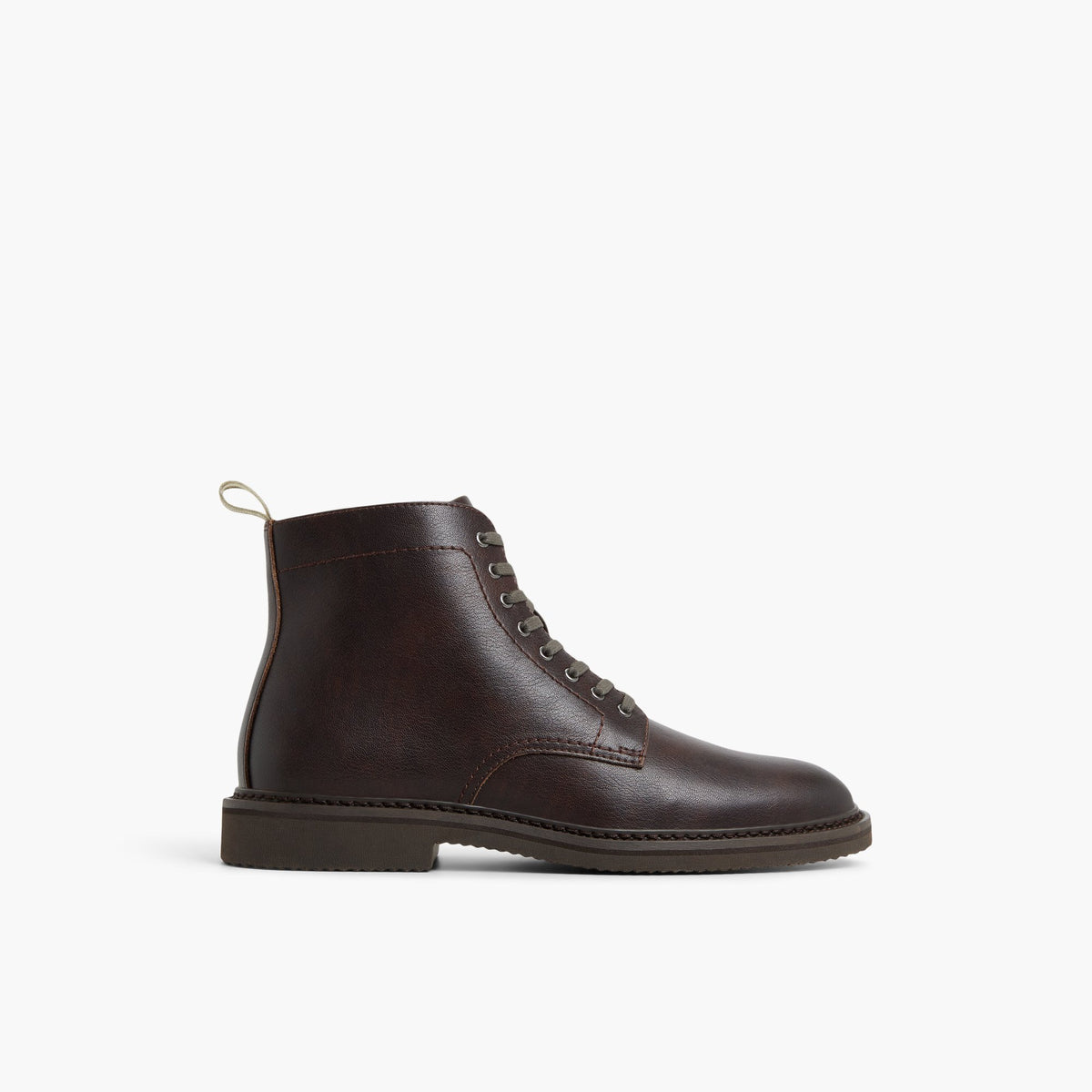
Pull-on boots have no laces, zippers, or other fasteners. Cowboy boots, rubber rain boots, and some work boots use this design.
Pull-on boots are quick and simple. Lace-up boots usually hold the heel and ankle more firmly.
Lace-up boots versus monk boots
Monk boots use one or more buckles instead of laces. They often look formal and stylish.
They can be a good choice for office wear, but they do not offer the same small fit adjustments as a well-laced boot.

How to choose the right lace-up boot
The best lace-up boot depends on your foot, lifestyle, climate, and clothing needs. Start with function before appearance.
1. Choose the right purpose
Ask where you will wear the boots.
• For trails, choose hiking boots with strong traction.
• For job sites, choose certified work boots with the required safety features.
• For daily wear, consider service boots or casual Derby boots.
• For formal outfits, look at Oxford boots.
• For fashion, combat boots offer a bold and flexible style.
2. Check the fit
Try boots at the end of the day. Feet often swell slightly after hours of walking, so this gives you a more realistic fit.
Your heel should stay mostly in place. Your toes should have room to move, and the widest part of your foot should rest over the widest part of the boot.
A simple fit test helps:
-
Wear the socks you plan to use.
-
Lace the boots firmly without crushing your foot.
-
Walk up and down a hard surface.
-
Check for heel lift, toe pressure, and rubbing.
-
Bend your feet and look for painful creases.
In my experience, many people buy boots too loose because the leather feels stiff at first. That mistake can cause heel slip and blisters. A firm but comfortable fit is better than hoping an oversized boot will tighten later.
3. Consider the sole
The sole affects comfort, grip, weight, and noise. A lugged rubber sole offers better traction on dirt and wet ground, while a smooth leather or rubber sole looks more refined.
A thick sole can add durability but may feel heavy. A lighter sole often feels better for city walking.
4. Review the materials
Full-grain leather is strong and can develop a rich patina. Suede feels soft but needs more care in wet weather. Synthetic materials may cost less and can be easier to clean.
Water-resistant and waterproof are not the same. Water-resistant boots may handle light moisture, while waterproof boots are designed to block water more effectively when properly sealed.
5. Look at construction
Common construction methods include cemented, Blake-stitched, and Goodyear-welted designs.
• Cemented boots use adhesive to attach the sole. They are often light and affordable.
• Blake-stitched boots have stitching that runs through the sole and upper. They can feel flexible but may need more care around water.
• Goodyear-welted boots use a separate welt between the upper and sole. They are often durable and easier to resole, though they may feel stiff at first.
No construction method is perfect for every buyer. Your budget, comfort needs, and expected use should guide the choice.
How to lace and break in lace-up boots
Correct lacing can change how a boot feels. It can reduce pressure, hold the heel, and make long walks more comfortable.
For a secure everyday fit, lace from the bottom upward and keep even tension on both sides. If your heel slips, use a heel-lock method at the top two eyelets.
If the top of your foot feels tight, skip one eyelet over the pressure point. If your heel feels loose, tighten the upper section while keeping the lower section comfortable.
Break in leather boots slowly. Wear them indoors for short periods before taking them on a long trip. Thick socks may help, but they should not be used to force a boot that is too small.
A common mistake is wearing brand-new boots for a full day. I have found that this is one of the fastest ways to create hot spots and blisters. Short sessions give the leather and your feet time to adjust.
Care tips for lace-up boots
Good care helps lace-up boots last longer and look better. The routine depends on the material.
Leather boots
• Remove dirt with a soft brush or damp cloth.
• Let wet boots dry at room temperature.
• Apply a suitable leather conditioner when the leather looks dry.
• Use shoe trees to help maintain the shape.
• Avoid placing leather boots beside a heater, which can dry and crack the leather.
Suede boots
• Brush suede with a suede brush.
• Treat stains with a product made for suede.
• Use a protective spray that matches the material.
• Avoid soaking suede whenever possible.
Work and hiking boots
Clean mud from the sole and upper after each demanding trip. Check the laces, eyelets, seams, and tread for damage.
Replace worn laces before they break. If the tread is smooth or the sole separates from the upper, repair or replace the boots before using them in risky conditions.

What do lace-up boots say about style?
Lace-up boots can look rugged, polished, casual, or formal. Small details change the overall effect.
Dark leather with a slim shape looks refined. Brown leather feels relaxed and classic. Chunky soles create a modern streetwear look, while narrow soles suit smart outfits.
For an easy everyday outfit, wear service boots with straight-leg jeans and a flannel shirt. For a sharper look, pair Oxford boots with tailored trousers. Combat boots work well with denim, utility clothing, or simple layers.
The key is balance. If the boots are large and bold, keep the rest of the outfit clean. If the boots are sleek, you can add texture through knitwear, denim, or wool.
Common mistakes to avoid
Even experienced shoppers can choose the wrong pair. These simple checks prevent many problems.
• Buying by size alone: Boot brands can fit differently, so always check length and width.
• Ignoring the intended use: Fashion boots may not provide the support or protection needed for hiking or work.
• Choosing style over traction: Smooth soles can be unsafe on wet or uneven ground.
• Expecting instant comfort: Quality leather often needs a short break-in period.
• Overlooking care needs: Suede and untreated leather need more protection than coated materials.
• Wearing the wrong socks: Thin dress socks may slide in a work boot, while very thick socks may create pressure.
• Failing to check return rules: Fit can be difficult to judge until you walk in the boots.
These points explain why the answer to “what are lace up boots called” is only the start. The more important question is which lace-up boot matches your feet and daily needs.
Frequently asked questions about what are lace up boots called
What is another name for lace-up boots?
Lace-up boots may also be called combat boots, service boots, work boots, hiking boots, Derby boots, or Oxford boots. The exact name depends on the boot’s design and purpose.
Are lace-up boots the same as combat boots?
No. Combat boots are one type of lace-up boot, but not every lace-up boot is a combat boot. Oxford, Derby, hiking, and service boots may also use laces.
What are short lace-up boots called?
Short lace-up boots are often called chukka boots, ankle boots, Derby boots, or Oxford boots. The best term depends on the number of eyelets, lacing style, and overall shape.
Are lace-up boots good for walking?
Many lace-up boots are good for walking because the laces can secure the foot and ankle. For long walks, choose cushioning, flexible materials, proper width, and a sole with suitable traction.
Are lace-up boots better than slip-on boots?
Neither style is always better. Lace-up boots usually offer a more adjustable fit, while slip-on boots are faster to wear and remove.
How should lace-up boots fit?
Your toes should have room to move, your heel should stay mostly secure, and the widest part of your foot should match the widest part of the boot. The laces should hold your foot without causing numbness or sharp pressure.
Conclusion
So, what are lace up boots called? The general name is lace-up boots, but the specific style may be a combat boot, service boot, work boot, hiking boot, chukka, Derby, or Oxford boot.
Focus on the boot’s purpose, fit, sole, materials, and construction before choosing a pair. Try them with the socks you will wear, break them in slowly, and care for the material correctly. Explore styles that match your routine, and share your favorite lace-up boot type in the comments.

Madison Clark is a footwear expert and the voice behind MyStyleGrid.com. She specializes in honest shoe reviews, style tips, and practical guides to help readers find the perfect pair for any occasion. With years of experience in blogging and content creation, Madison makes footwear knowledge simple, stylish, and easy to follow.