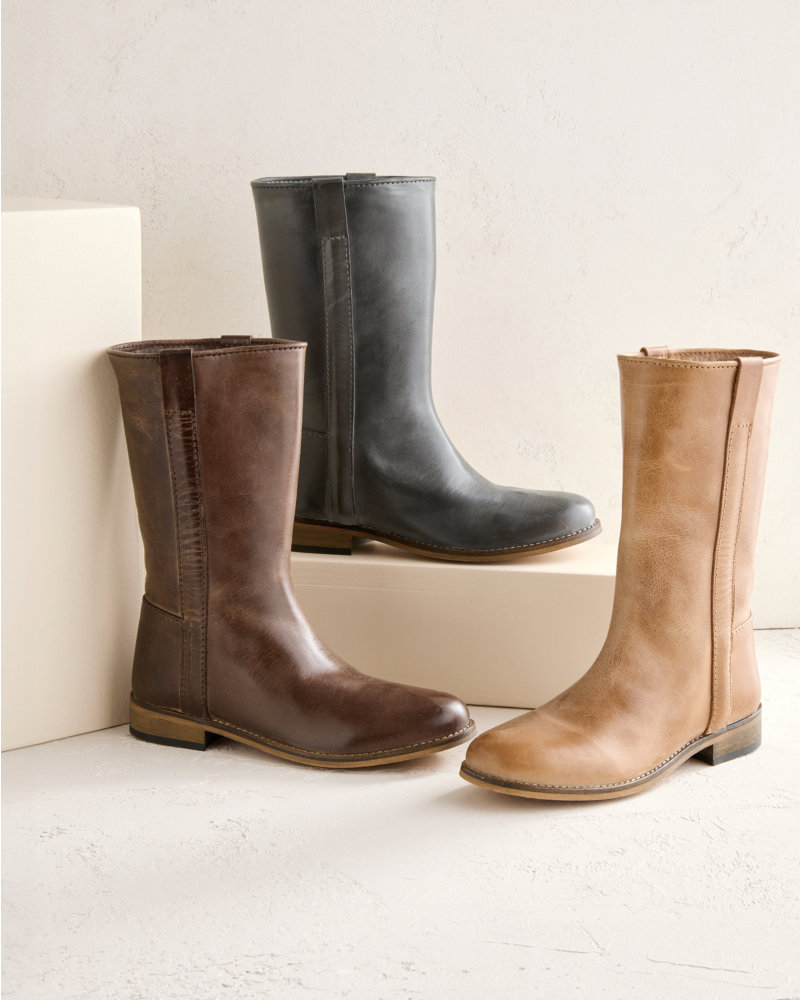
Mid calf boots are shoes that rise from below the knee to the middle of the calf.
If you are wondering what are mid calf boots, the answer involves more than boot height. Their shaft length, fit, materials, and shape affect comfort, warmth, style, and how well they work with your clothes. This guide explains how mid calf boots fit, where to wear them, how to style them, and how to choose a pair that feels as good as it looks.
What Are Mid Calf Boots?
Mid calf boots are boots with a shaft that ends around the middle of the lower leg. They sit higher than ankle boots but lower than knee-high boots. The exact height may vary by brand, foot size, and leg shape.
Most mid calf boots reach about 10 to 14 inches above the foot, although there is no single industry measurement. A boot may be called mid calf if its shaft ends near the center of the calf rather than at the ankle, knee, or thigh.
When people ask what are mid calf boots, they often mean a flexible everyday style. These boots can have flat soles, heels, wedges, or rugged lug treads. They may also include features such as:
• Leather, suede, rubber, or synthetic uppers
• Side zippers, pull tabs, buckles, or laces
• Waterproof membranes or sealed seams
• Insulated linings for cold weather
• Round, square, almond, or pointed toes
• Slim, regular, or wide calf openings
The best pair should feel secure around your foot and ankle without squeezing your calf. A well-fitted boot should allow your toes to move and should not rub the back of your leg.
How Mid Calf Boots Differ From Other Boot Styles
Understanding boot height makes shopping much easier. Mid calf boots occupy the space between short boots and tall boots, so they offer a balance of coverage and movement.
• Ankle boots end at or just above the ankle bone. They are easy to wear with jeans, skirts, and many types of pants.
• Mid calf boots reach the center of the lower leg. They provide more warmth and leg coverage than ankle boots.
• Knee-high boots rise to just below the knee. They offer more coverage but may feel warmer and less flexible.
• Over-the-knee boots extend above the knee. They create a bold look and often require more careful styling.
The main difference is not only height. The shaft width also matters. Two boots with the same listed height may look very different because one has a narrow shaft and the other has a loose, relaxed opening.
For example, a fitted mid calf boot can look polished with a dress. A wide, slouchy boot may look better with leggings or tucked-in jeans. This is one reason the answer to what are mid calf boots changes slightly by design and use.

Why People Wear Mid Calf Boots
Mid calf boots are popular because they combine style with practical coverage. They protect more of the leg than ankle boots while allowing more movement than many knee-high styles.
Common benefits include:
• Better coverage in cool weather
• Protection from light rain, mud, and dust
• Supportive soles for daily walking
• A strong shape that balances loose clothing
• Many options for casual and dressy outfits
• A useful transition style for fall and spring
They can also help create visual balance. A mid calf boot adds weight to the lower leg, which can complement a long coat, sweater dress, or wide-leg outfit.
Still, these boots are not ideal for every person or outfit. A boot that ends at the widest part of the calf may make the leg look shorter. That is not a rule, but it is a styling effect worth considering. Try the boots with the clothes you plan to wear most often.
In my experience with boot fitting, comfort usually depends more on shaft shape and toe space than on brand name. A beautiful boot becomes a poor choice if it pinches the calf or forces the toes forward.
Types of Mid Calf Boots
The phrase what are mid calf boots includes several different designs. Choosing the right type starts with knowing where and how you plan to wear them.
Casual Mid Calf Boots
Casual styles often have flat soles, low heels, or flexible rubber outsoles. They work well with jeans, leggings, cargo pants, and casual dresses.
Look for padded footbeds and soft materials if you plan to wear them for long walks. A pull-on style may be convenient, but a zipper can make the fit easier to adjust.
Leather Mid Calf Boots
Leather boots are known for durability and a natural ability to mold to the foot. Full-grain leather often lasts well when cleaned and conditioned, while softer leather may feel comfortable sooner.
Leather can absorb water, so use a product made for the specific finish. Do not assume every leather boot is waterproof.
Suede Mid Calf Boots
Suede has a soft, textured surface and a relaxed look. It works well for fall outfits but needs protection from heavy rain, salt, and mud.
A suede brush can help lift dirt. Always test a cleaning product on a hidden area first.
Waterproof Mid Calf Boots
Waterproof boots are useful for wet sidewalks, outdoor work, travel, and rainy climates. Check the product details carefully. Water-resistant boots repel some moisture, while waterproof boots are built to block water under stated conditions.
A waterproof label does not always mean the boot is comfortable in warm weather. Breathable lining and moisture-wicking socks can help reduce sweat.
Riding and Equestrian-Inspired Boots
These boots often have a clean shaft, a low heel, and a structured shape. They can look polished with leggings, slim jeans, or simple dresses.
Do not use a fashion riding boot for actual riding unless it has suitable construction, heel support, and safety features.
Winter Mid Calf Boots
Winter boots may include insulation, thick soles, fleece lining, or waterproof materials. Check the temperature rating when one is provided, but remember that ratings vary by activity, socks, and personal comfort.
A thick sole can reduce heat loss from cold ground. However, a stiff boot may need a break-in period.

How Should Mid Calf Boots Fit?
A good fit begins with the foot, not the calf. Try boots on while wearing the socks you expect to use with them. Feet may swell during the day, so afternoon or evening can be a better time to check the fit.
Use this simple fitting process:
- Place your heel fully into the back of the boot.
- Check that your toes can move without touching the front.
- Walk on a hard floor and notice any slipping or pressure.
- Bend your ankle and look for rubbing at the shaft.
- Check that the calf opening does not pinch or collapse.
- Try both boots, since feet are often slightly different sizes.
Some heel movement is normal in a new boot, especially with leather. Excessive movement can cause blisters and may mean the boot is too large or lacks proper support.
If you have wide calves, search for wide-calf or adjustable-calf designs. Measuring your calf with a soft tape can help. Measure around the widest part while wearing the pants or leggings you plan to tuck inside.
A common mistake is buying a larger shoe size to gain more calf room. This can make the foot slide and create pain. Choose the correct foot size first, then find a shaft that fits your leg.
How to Style Mid Calf Boots
Mid calf boots can work across many wardrobes. The key is to create a clear line between the boot, your clothing, and your leg.
Try these outfit ideas:
• Wear black mid calf boots with dark jeans for a long, streamlined look.
• Pair brown leather boots with straight-leg jeans and a knit sweater.
• Wear a floral midi dress with simple boots for a relaxed fall outfit.
• Combine a sweater dress with low-heeled boots for a balanced cold-weather look.
• Use rugged boots with leggings, a flannel shirt, and a long coat.
• Wear sleek boots with a tailored skirt and opaque tights.
Pants can be tucked into boots if the shaft is wide enough. If the pants bunch up, try slimmer denim, leggings, or a boot with a wider opening.
With skirts and dresses, the hem matters. A small gap between the boot top and hem can show some skin or tights. A longer hem can cover most of the shaft and create a softer, layered look.
When people ask what are mid calf boots in a fashion context, they may be looking for a way to update an outfit without wearing knee-high boots. Mid calf styles offer that change while remaining easy to wear.
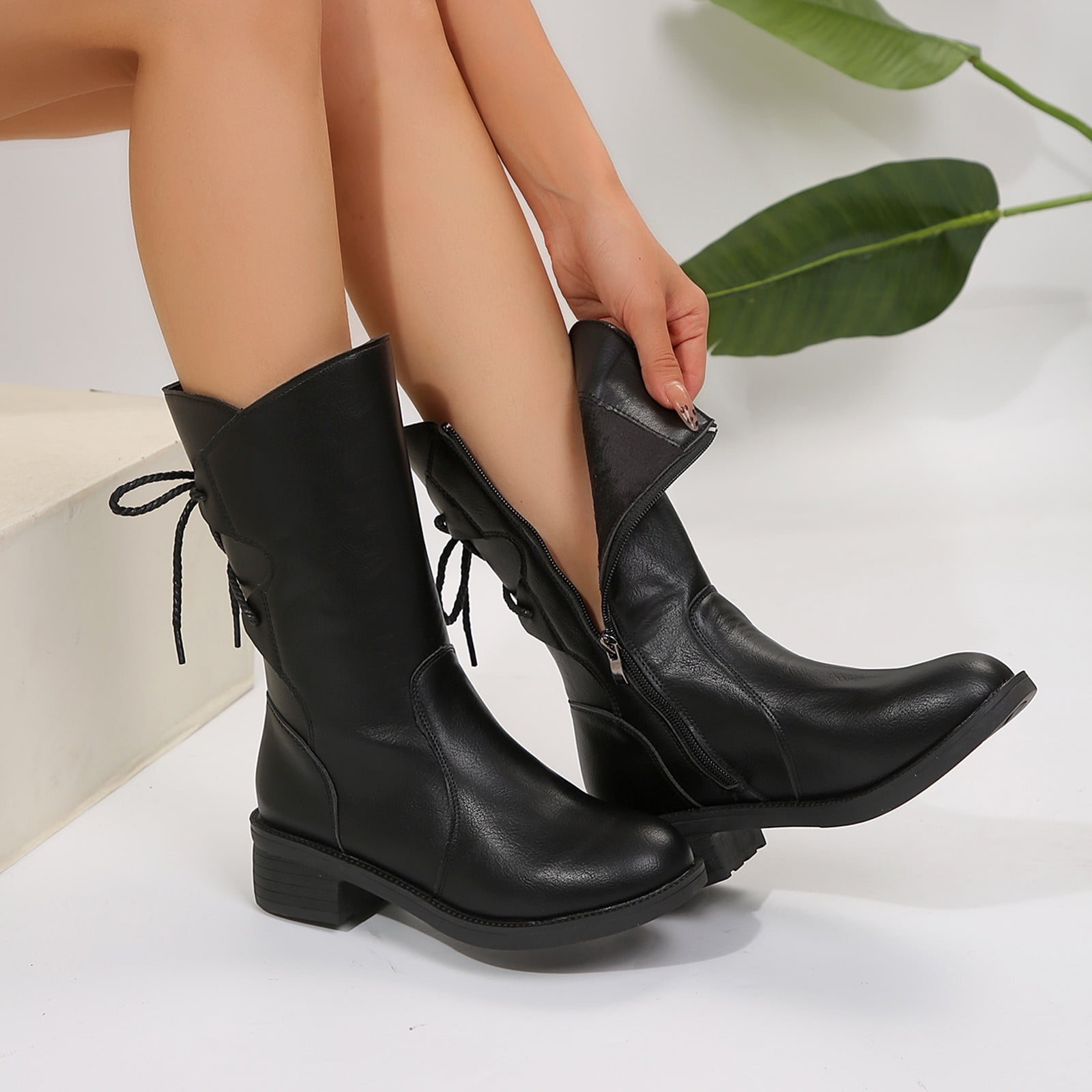
Are Mid Calf Boots Comfortable for Walking?
Mid calf boots can be comfortable for walking when they have good support, the right size, and a flexible fit. Height alone does not determine comfort.
Look for these features:
• A cushioned insole
• A stable heel under about two inches for daily walking
• A flexible forefoot
• A sole with reliable traction
• A padded collar or soft shaft
• Enough toe room
• Firm heel support
High heels can increase pressure on the front of the foot. A very stiff shaft can also limit ankle movement. If you walk often, test the boots indoors first and increase wear time slowly.
The break-in period matters for leather and structured boots. Wear them at home with normal socks for short sessions. Do not wait until a long trip to discover that the heel slips or the shaft rubs.
People with foot pain, arthritis, diabetes, or balance concerns may need advice from a qualified health professional or footwear specialist. General boot advice cannot replace individual medical guidance.
How to Care for Mid Calf Boots
Good care can extend the life of mid calf boots. Start by following the care label because leather, suede, and synthetic materials need different products.
For most boots:
• Brush away dry dirt after wear.
• Let damp boots dry at room temperature.
• Keep boots away from direct heaters and fireplaces.
• Use shoe trees or clean paper to help maintain shape.
• Apply leather conditioner only to finished leather.
• Use a suede brush and suede protector on suede.
• Clean salt marks soon after winter wear.
Do not soak boots unless the manufacturer says they are washable. Water can damage adhesives, leather finishes, and inner padding.
Rotate your boots when possible. Giving one pair time to dry can reduce odor and material wear. Clean socks also help protect the boot lining.
Common Mistakes to Avoid
Knowing what are mid calf boots is helpful, but choosing the wrong pair can still lead to discomfort. Avoid these common mistakes:
• Buying by appearance without checking the shaft measurement
• Wearing thin socks with a boot designed for thick winter socks
• Ignoring calf width
• Assuming leather boots are waterproof
• Choosing a heavy sole for long city walks
• Skipping the indoor fit test
• Wearing new boots on a full-day trip
• Using the wrong cleaner or polish
Another mistake is focusing only on the boot size printed on the box. Sizing can vary between brands and even between different models from the same brand. The fit should guide your choice more than the number.

What Are Mid Calf Boots Best For?
Mid calf boots are best for people who want more coverage than ankle boots without the full height of knee-high boots. They suit casual wear, travel, light outdoor use, work outfits, and seasonal dressing.
They are especially useful in:
• Cool fall weather
• Mild winter conditions
• Rainy city commutes
• Outdoor events
• Casual office settings
• Travel wardrobes
• Dresses and skirts that need more coverage
They may not be the best choice for very hot weather, intense hiking, or deep snow unless they have suitable insulation, traction, and waterproof construction. Always match the boot to the activity.
The most useful answer to what are mid calf boots is practical: they are versatile boots for moderate coverage and everyday style, but the ideal pair depends on fit, climate, and use.
Frequently Asked Questions About What Are Mid Calf Boots
What height are mid calf boots?
Mid calf boots usually end around the middle of the lower leg. Many have shafts that measure about 10 to 14 inches from the top of the heel, but measurements vary by brand and boot size.
Are mid calf boots good for winter?
Some mid calf boots are suitable for winter if they have insulation, waterproof materials, and slip-resistant soles. Fashion boots without these features may work in cool weather but may not protect your feet in snow or icy conditions.
Can you wear mid calf boots with jeans?
Yes, you can wear mid calf boots with skinny jeans, straight-leg jeans, or leggings. Tuck slimmer pants into the shaft, or choose a boot with a wider opening for relaxed pants.
Are mid calf boots flattering?
Mid calf boots can look flattering when the shaft ends at a comfortable point and the outfit has balanced proportions. A similar color between your pants or tights and boots can create a longer visual line.
Should mid calf boots be tight around the calf?
The shaft should feel secure but not tight. You should be able to move comfortably and wear your usual socks or pants without pinching, rubbing, or leaving deep marks.
Can short people wear mid calf boots?
Yes. Shorter people can wear mid calf boots successfully by choosing a streamlined shape, a low heel, or a color close to their pants or tights. The right proportions matter more than height rules.
How do you measure for mid calf boots?
Measure from the floor beside your heel to the point where you want the boot to end. Then measure around the widest part of your calf while wearing the clothing and socks you plan to use.
Conclusion
Mid calf boots rise to the middle of the lower leg and offer a useful balance between coverage, comfort, and style. They come in casual, leather, suede, waterproof, winter, and dressier designs, so the best pair depends on your climate, wardrobe, and daily activities.
Focus on foot fit, calf width, shaft height, traction, and material care. Try boots with your usual socks and walk in them before committing. Now that you know what are mid calf boots, explore styles that match your routine, and share your favorite boot-fitting tip in the comments.

Madison Clark is a footwear expert and the voice behind MyStyleGrid.com. She specializes in honest shoe reviews, style tips, and practical guides to help readers find the perfect pair for any occasion. With years of experience in blogging and content creation, Madison makes footwear knowledge simple, stylish, and easy to follow.