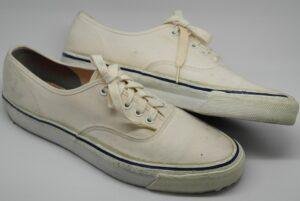
Vans shoes were invented in 1966, when the Van Doren Rubber Company opened in Anaheim, California.
The story of when Vans shoes were invented is more than a date. It explains how a small California shoe shop built a direct customer model, created lasting designs, and became a major part of skate and street culture. This guide covers the founders, the first Vans shoes, key design milestones, and why the brand still matters today.

When was Vans shoes invented?
Vans shoes were invented in 1966. The company began as the Van Doren Rubber Company in Anaheim, California, on March 16, 1966.
The first store was unusual for its time. Vans made shoes on-site and sold them directly to customers. This approach helped the company keep prices fair and build a close connection with local buyers.
The founders were:
• Paul Van Doren, who helped lead the business and manage production
• Jim Van Doren, Paul’s brother and a key company executive
• Gordon Lee, who helped oversee the business
• Serge D’Elia, the company’s investor and partner
The first Vans shoes were simple canvas deck shoes. They had rubber soles, basic colors, and a practical shape. The first model is now known as the Authentic, though it was originally called the Style #44.
The history behind the first Vans shoes
To understand when Vans shoes were invented, it helps to look at the founders’ experience in shoe production. Paul Van Doren and Jim Van Doren had worked at the Randy’s shoe company in Massachusetts before moving west.
Paul noticed that many shoe companies used outside factories and sold products through other retailers. He believed a company could make better shoes by controlling production and selling them straight to customers.
That idea shaped the first Vans store. Customers could choose a style and color, then return later the same day to pick up their finished shoes. This direct model made Vans different from many shoe brands at the time.
The first store opened with three basic shoe styles. The company focused on durability, comfort, and a firm rubber sole. These qualities made the shoes useful for everyday wear, work, and early board sports.
A small detail from the opening day has become part of Vans history. The store opened before the company had enough cash to make change for customers. Some buyers received shoes without paying in full and returned later to settle their bills. That story reflects the brand’s early community-based spirit.
What were the first Vans shoes called?
The first Vans shoes were called the Style #44 Deck Shoe. Today, most people know this design as the Vans Authentic.
The Authentic had a low-cut shape, canvas upper, metal eyelets, and a thick rubber waffle sole. Its clean design made it easy to wear with jeans, shorts, or casual work clothes.
The waffle sole became one of the brand’s most important features. It offered strong grip and helped the shoe stay stable on a skateboard. Although Vans did not begin as a dedicated skate company, skateboarders quickly noticed the practical benefits.
The first Authentic shoes were available in simple colors. Over time, Vans added more colors, patterns, and materials. The basic design stayed almost the same, which helped make it a lasting classic.
When people ask when Vans shoes were invented, they often mean when the famous skate shoes first appeared. The answer is still 1966, but Vans developed its skate identity over several later years.
How Vans became connected to skateboarding
Vans shoes were invented for general use, but skateboarders helped shape the brand’s identity. Southern California had a growing surf and skate scene in the 1960s and 1970s. Many local skaters wanted shoes that could handle board grip, foot movement, and repeated impact.
Vans shoes had several features that suited skating:
• A rubber waffle sole for board grip
• A flexible canvas upper
• A low profile that allowed better foot control
• A simple design that was easy to replace
• A relatively affordable price for young skaters
Vans paid attention to what skaters needed. The company began working more directly with athletes and adjusted its designs for better support and durability.
In 1976, professional skateboarders Tony Alva and Stacy Peralta helped create the Vans Era. It was one of the first skate shoes designed with direct input from professional skaters. The shoe added padded collars and came in bold color combinations.
This was a major turning point. Vans was no longer only a local shoe maker. It was becoming a brand built around skate performance and youth culture.
Important Vans shoe milestones
Knowing when Vans shoes were invented is only the beginning. Several later models helped turn the company into a global footwear brand.
1977: The Old Skool
The Old Skool debuted in 1977 as the Style #36. It was the first Vans shoe to include the leather side stripe, which later became one of the brand’s most recognizable details.
The stripe was first known as the jazz stripe. Paul Van Doren reportedly drew a simple design inspired by sports car shapes. The final stripe gave the shoe a unique look and added some reinforcement to the upper.
The Old Skool mixed canvas and leather panels. That combination made it more durable than an all-canvas shoe. It also helped the model stand out from other sneakers.
1977: The Slip-On
The Vans Slip-On also became popular in the late 1970s. Its laceless design made it quick to wear and easy to recognize.
The style became especially popular in Southern California. Its checkerboard version later became one of the most famous patterns in footwear.
1978: The Sk8-Hi
The Sk8-Hi launched in 1978 as a high-top skate shoe. It provided more ankle coverage than the Authentic, Era, and Old Skool.
The design kept the side stripe and waffle sole but added a taller upper. This made it popular with skaters who wanted extra support and with customers who liked the high-top look.
1982: Vans in popular culture
Vans gained wider attention after appearing in the 1982 movie Fast Times at Ridgemont High. The film helped expose the brand to a much larger audience.
The checkerboard Slip-On became strongly linked with the movie and with California youth culture. This was one of several moments when a practical skate shoe became a fashion symbol.
Why did Vans shoes become so popular?
The answer to when Vans shoes were invented explains the beginning, but not their long life. Vans stayed popular because the company combined useful design with strong cultural connections.
Several factors helped the brand grow:
• Simple designs that were easy to recognize
• Durable rubber soles
• Many colors and patterns
• Close ties to skateboarding
• Support from musicians, artists, and athletes
• Styles that worked with casual clothing
• A balance between tradition and new design
Vans shoes also invite personal expression. A plain black Old Skool can look clean and simple. A checkerboard Slip-On can feel bold and playful. The same basic shoe can fit many personal styles.
That flexibility is one reason Vans has remained relevant across generations. Parents may remember wearing the shoes in the 1980s or 1990s, while younger customers discover them through skateboarding, music, fashion, or social media.
What does “Off the Wall” mean?
“Off the Wall” became Vans’ famous slogan in the 1970s. The phrase came from skateboarders who performed tricks off the walls of empty swimming pools.
The slogan captured the company’s connection to creativity and unconventional sports. It also helped Vans present itself as more than a basic shoe maker.
The Vans logo and Off the Wall branding became closely linked to skateboarding. They represented a style that felt independent, energetic, and different from mainstream sports culture.
This message still appears across Vans shoes, clothing, skate parks, events, and advertising. It gives the brand a clear identity without changing the core look of its classic footwear.
Are Vans shoes made for skateboarding?
Some Vans shoes are designed specifically for skateboarding, while others are mainly lifestyle shoes. Classic models such as the Authentic and Slip-On have skate history, but their modern versions may not provide the same protection as technical skate shoes.
For regular skating, look for features such as:
• Reinforced or double-layered uppers
• Impact protection under the heel
• Strong stitching in high-wear areas
• A secure fit around the foot
• A sole designed for board feel and grip
Vans makes dedicated skate models with updated materials and construction. These shoes often use stronger suede, improved cushioning, and enhanced durability.
Classic Vans can work for casual skating, walking, or daily use. However, serious skaters should choose a model made for repeated impact. A lifestyle shoe may wear out faster and offer less protection during hard landings.
How durable are Vans shoes?
Vans shoes can be durable, but their lifespan depends on the model, materials, use, and care. Suede and leather versions often handle heavy wear better than thin canvas. Skate shoes with reinforced panels usually last longer during board use.
Common signs of wear include:
• Smooth or damaged tread
• Holes near the toe
• Loose stitching
• Crushed heel padding
• Separation between the sole and upper
To extend the life of Vans shoes, keep them dry when possible and clean them with a soft brush. Avoid putting suede shoes in a washing machine. For canvas shoes, gentle hand cleaning is usually safer than strong chemicals.
One common mistake is wearing the same pair for every activity. A pair used for skating, hiking, rain, and daily walking will wear much faster than a pair used mainly indoors or on clean sidewalks.
Vans shoes compared with other classic sneakers
When was Vans shoes invented? The answer places the brand among the earliest modern California skate and lifestyle shoe companies. However, Vans developed a different identity from brands such as Converse, Adidas, and Nike.
Vans focused on:
• Skateboarding and board sports
• Direct ties to local youth culture
• Waffle rubber soles
• Canvas and suede construction
• Low-profile casual designs
Converse became strongly associated with basketball and music. Adidas built a broad identity across sports and streetwear. Nike grew through athletic research and performance technology.
Vans followed another path. It used a simple product foundation and built meaning through community, subculture, and design. That path helped the brand remain recognizable even as sneaker technology changed.
Common mistakes when researching when was Vans shoes invented
Many articles confuse the invention of Vans shoes with the release of later famous models. This can create an inaccurate timeline.
Keep these points in mind:
• Vans began in 1966, not in the 1970s
• The first model was the Style #44, now called the Authentic
• The Old Skool arrived in 1977
• The Slip-On became famous in the late 1970s and early 1980s
• The Sk8-Hi launched in 1978
• Vans’ skate identity grew after the company had already opened
Another mistake is assuming every Vans shoe is built for serious skateboarding. Many classic models are lifestyle shoes today, even though their designs have roots in skate culture.
The most accurate answer to when Vans shoes were invented is therefore March 16, 1966, with later milestones explaining how the brand became famous.
Frequently asked questions about when was Vans shoes invented
When was Vans shoes invented?
Vans shoes were invented in 1966. The Van Doren Rubber Company opened its first store in Anaheim, California, on March 16 of that year.
Who invented Vans shoes?
Paul Van Doren, Jim Van Doren, Gordon Lee, and Serge D’Elia founded the company. Paul and Jim Van Doren brought important experience from the shoe manufacturing industry.
What was the first Vans shoe?
The first Vans shoe was the Style #44 Deck Shoe. It is now known as the Vans Authentic.
Were Vans originally made for skateboarding?
No. Vans first sold general-purpose canvas shoes, but skateboarders quickly adopted them because of their grip, flexible design, and durable rubber soles.
When did the Vans Old Skool come out?
The Vans Old Skool debuted in 1977 as the Style #36. It was the first Vans model to feature the famous side stripe.
When did Vans become popular?
Vans began building a strong following in Southern California during the 1960s and 1970s. Skateboarding, professional skaters, movies, music, and the checkerboard Slip-On helped the brand reach a wider audience.
Are Vans still made today?
Yes. Vans continues to sell classic models such as the Authentic, Old Skool, Slip-On, and Sk8-Hi. The company also produces technical skate shoes, clothing, and accessories.
Conclusion
Vans shoes were invented in 1966 when the Van Doren Rubber Company opened in Anaheim. The first Style #44 became the Authentic, while later models such as the Era, Old Skool, Slip-On, and Sk8-Hi built the brand’s skate and streetwear legacy.
The lasting lesson is simple: a practical product can become iconic when it serves real people and grows with its community. If you are choosing your first pair, compare the classic lifestyle styles with Vans’ modern skate models, then explore the design that best fits your daily use.
Rubel Miah is the Senior Editor at MyStyleGrid.com, where he brings a sharp editorial eye and an unshakable love for fashion to everything he does. A true style addict, Rubel lives and breathes trends, from streetwear to high fashion, and has a knack for turning inspiration into impactful stories. With years of experience in fashion journalism and digital media, he curates content that empowers readers to express themselves through style. When he’s not editing features or forecasting the next big thing, you’ll find him hunting down vintage pieces or capturing street style moments around the city.