Peter Moore designed the original Air Jordan 1, creating the shoe that launched Michael Jordan’s signature line.
The answer to who designed the Jordan shoes depends on the model. Peter Moore created the Air Jordan 1, Bruce Kilgore helped shape the Air Jordan 2, and Tinker Hatfield designed many of the most famous later models. This guide breaks down the key designers, their ideas, and the details that made Jordan shoes a lasting part of sneaker culture.
Who Designed the Original Air Jordan 1?
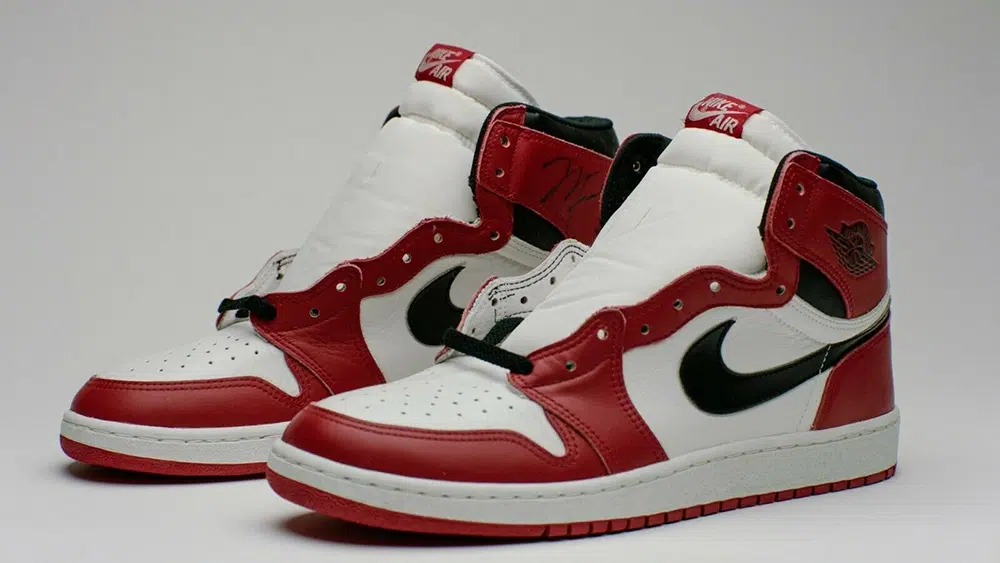
Peter Moore designed the Air Jordan 1 for Nike in 1984. The shoe launched publicly in 1985 and became Michael Jordan’s first signature sneaker.
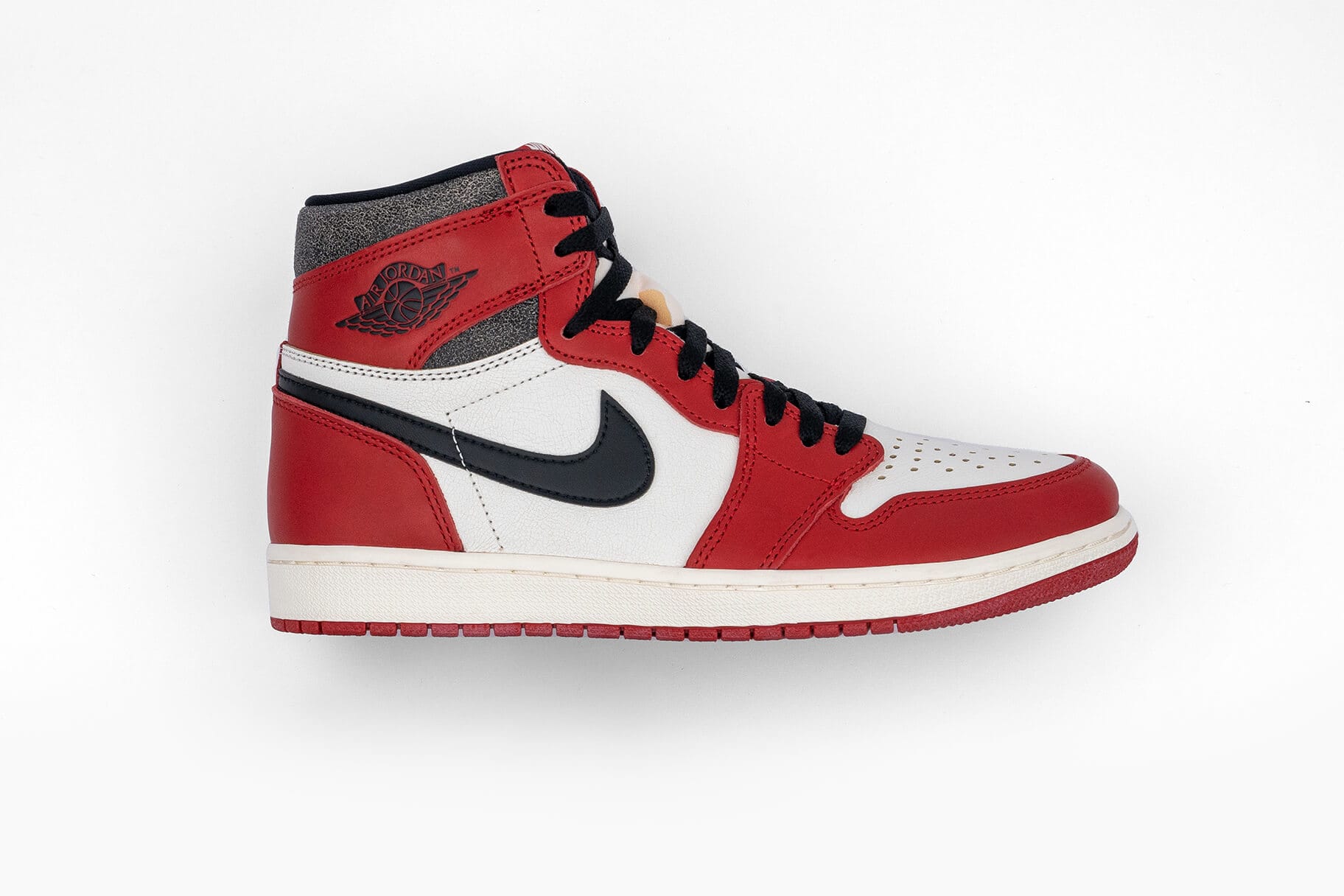
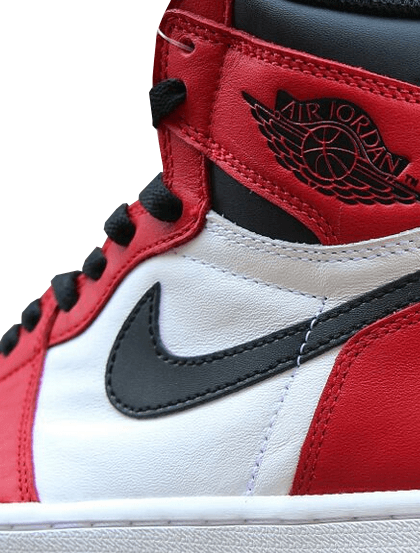
Moore was a Nike creative director and designer. He gave the shoe its bold color blocking, high-top shape, large wings logo, and famous Swoosh. The design looked different from the white tennis shoes that were common on basketball courts at the time.
The Air Jordan 1 also carried strong visual links to Michael Jordan’s team colors. Its black and red colorway matched the Chicago Bulls, which helped the shoe gain instant attention.
The answer to who designed the Jordan shoes often begins with Peter Moore because the Air Jordan 1 created the entire Jordan footwear category.
Moore’s design had three important goals:
• Give Jordan a shoe with a strong personal identity
• Create a basketball shoe that looked fast and aggressive
• Make the sneaker attractive on and off the court
The Air Jordan 1 was not just a performance shoe. It became a piece of street style. That mix still defines Jordan shoes today.
Why Was the Air Jordan 1 So Important?
The Air Jordan 1 changed how athletes and fans viewed basketball shoes. Before its release, most performance sneakers used simple colors and low-key designs. The Air Jordan 1 took a louder approach.
Its design made the shoe easy to spot. The wings logo added a premium feel, while the Swoosh connected it to Nike’s existing identity. The shoe also used a high-cut collar to support the ankle, though modern players may prefer lighter and more flexible designs.
The NBA fined Michael Jordan for wearing a black-and-red shoe that did not meet its uniform rules. This helped create one of the most effective stories in sports marketing. Nike turned the controversy into attention, and attention helped drive demand.


It is important to note that the widely repeated “banned” story is often simplified. The league’s issue involved uniform colors and an earlier Nike basketball shoe, while Nike used the story to promote the Air Jordan line. Still, the controversy helped make the shoe famous.
When people ask who designed the Jordan shoes, they often mean the person who created this first iconic model. That person was Peter Moore.
Who Designed the Air Jordan 2?
Bruce Kilgore is widely credited with designing the Air Jordan 2. Peter Moore also played a role in the shoe’s creative direction and development.
The Air Jordan 2 moved away from the bold panel design of the first model. It used a cleaner upper, a faux lizard-skin finish, and a more refined look. Nike wanted the shoe to feel closer to a luxury product than a basic basketball sneaker.
The Air Jordan 2 was made in Italy, which supported its upscale image. It also removed the Swoosh from the upper. This gave the Jordan identity more room to stand on its own.
Kilgore had already designed the Nike Air Force 1. His experience with basketball shoes helped shape the Air Jordan 2’s sole and performance structure.
This model shows why who designed the Jordan shoes is not always a simple one-person answer. Nike often used a team of designers, developers, athletes, and brand leaders.
Who Designed the Air Jordan 3?
Tinker Hatfield designed the Air Jordan 3. It was one of the most important moments in the history of Jordan shoes.
Hatfield joined Nike as an architect and later became a leading footwear designer. He brought a fresh approach to the Jordan line. The Air Jordan 3 introduced several features that became closely linked to the brand:
• The Jumpman logo
• Visible Air cushioning in the heel
• Elephant-print overlays
• A mid-top shape with a padded collar
The Jumpman logo came from a photograph of Michael Jordan jumping in the air. Its use helped Jordan shoes build a visual identity separate from the Nike Swoosh.


The Air Jordan 3 also helped keep Michael Jordan with Nike. At the time, he had interest from other brands. The shoe’s design, marketing, and performance helped strengthen his relationship with Nike.
Tinker Hatfield later designed many other Jordan models. His work is a major reason people connect the answer to who designed the Jordan shoes with his name.
What Jordan Shoes Did Tinker Hatfield Design?
Tinker Hatfield designed many famous Jordan models from the Air Jordan 3 through the Air Jordan 15. However, some shoes involved additional designers and different creative teams.
His best-known Jordan designs include:
• Air Jordan 3
• Air Jordan 4
• Air Jordan 5
• Air Jordan 6
• Air Jordan 7
• Air Jordan 8
• Air Jordan 9
• Air Jordan 10
• Air Jordan 11
• Air Jordan 12
• Air Jordan 13


• Air Jordan 14
• Air Jordan 15
Hatfield’s designs often mixed performance features with visual storytelling. For example, the Air Jordan 4 used mesh panels and molded wings. The Air Jordan 5 drew inspiration from a fighter plane. The Air Jordan 11 used patent leather, giving a basketball shoe a formal, almost dress-shoe appearance.
The Air Jordan 11 is especially important. Its patent leather helped the shoe look sharp enough for special events while still working on the court. Michael Jordan famously wore it during the 1995–96 NBA season and later with a tuxedo in the film “Space Jam.”
When researching who designed the Jordan shoes, it helps to look at each model instead of treating the line as one single design.

Who Designed Later Air Jordan Models?
Later Jordan shoes were designed by several talented Nike and Jordan Brand designers. The Jordan line grew beyond Michael Jordan’s playing career and became a large performance and lifestyle business.
Some notable designers include:
• Wilson Smith, who designed the Air Jordan 16 and Air Jordan 17
• Tate Kuerbis, who designed the Air Jordan 18
• Jason Mayden, who contributed to later Jordan Brand projects
• Tinker Hatfield, who returned to the Jordan line for select projects
The Air Jordan 16 used a removable gaiter that covered the laces. This created a more formal look while adding a unique design feature. The Air Jordan 17 used a briefcase-style box and a jazz-inspired presentation, showing how Jordan products often blend sports with culture.
Jordan Brand also works with outside designers, artists, athletes, and fashion labels. This has led to collaborations with names such as Off-White, Dior, Travis Scott, Union, and A Ma Maniére.
As a result, who designed the Jordan shoes can refer to a lead designer, a design team, a collaborator, or a creative director. Product credits may vary based on the model and project.


How Did Michael Jordan Influence the Designs?
Michael Jordan was not the sole designer of his shoes, but his feedback strongly influenced them. He tested prototypes, discussed comfort, and helped shape the look and story of the line.
A signature athlete must wear the shoe during real play. That means the design must support movement, landing, traction, and comfort. Jordan’s playing style also influenced the shoes. He needed a balance of control, cushioning, flexibility, and support.
Michael Jordan’s personality shaped the visual side as well. His shoes often used bold colors, sharp lines, and details linked to his career. The Jumpman logo became one of the clearest examples of an athlete’s image becoming a global brand.
A common mistake is to assume that a famous athlete personally designed every signature shoe. In reality, the athlete gives feedback while professional designers turn that feedback into a working product.
That distinction makes the answer to who designed the Jordan shoes more accurate and more useful.

How Jordan Shoe Design Has Changed
Jordan shoes have changed from heavy basketball sneakers into a wide range of performance, retro, and lifestyle products.
Early models focused on:
• Ankle support
• Leather construction
• Foam cushioning
• Durable rubber outsoles
Modern Jordan shoes may use:
• Engineered mesh
• Lightweight foam
• Carbon fiber plates
• Advanced traction patterns
• Flyknit or woven materials
• Recycled materials in some products
Retro releases often keep the original shape and colors. They may not match the comfort or technology of a modern basketball shoe. This is an important point for buyers. A classic Air Jordan can look excellent but may not provide the same support as a current performance model.
In my experience reviewing sneaker design and fit, the most common mistake is choosing a retro model for serious basketball only because it looks iconic. For daily wear, a retro can work well. For frequent court play, a current performance shoe is often the safer choice.
The answer to who designed the Jordan shoes matters, but the right shoe also depends on how you plan to use it.
How to Tell Which Designer Created a Jordan Model
You can identify a Jordan designer by checking reliable product histories, Nike design features, and official brand information. Shoe boxes and product pages may list the model name, but they do not always name every designer.
Use these steps:
-
Identify the exact model, such as Air Jordan 1 High or Air Jordan 11.
-
Check the shoe’s release year.
-
Look for official Nike or Jordan Brand history.
-
Compare information from established sneaker publications and design interviews.
-
Separate confirmed credits from popular fan claims.
Do not assume that the most famous designer worked on every Jordan shoe. Tinker Hatfield designed many major models, but Peter Moore designed the Air Jordan 1 and Bruce Kilgore is strongly associated with the Air Jordan 2.
It is also wise to distinguish between original designers and later collaborators. A modern collaboration may change the colors, materials, and branding while keeping the original shoe structure.

Why Designer Names Matter to Sneaker Fans
Designer names help explain why certain Jordan shoes look and feel different. They also show how footwear design combines art, engineering, sports science, and marketing.
Peter Moore gave the line its first visual language. Bruce Kilgore helped move it toward a more refined style. Tinker Hatfield expanded the concept with visible technology and strong stories.
Knowing who designed the Jordan shoes can also help collectors understand value. Original models, important design changes, and early uses of features such as visible Air cushioning often receive special attention.
Still, a designer’s name should not be the only reason to buy a shoe. Consider:
• Fit and sizing
• Cushioning
• Intended use
• Material quality
• Release history
• Comfort for your foot shape
• Authenticity and seller reputation
A famous design can still feel uncomfortable on your feet. The best Jordan shoe is the one that fits your needs, not just the one with the biggest name.
Common Design Mistakes to Avoid When Buying Jordan Shoes
Many buyers focus only on color and resale value. That can lead to poor choices, especially when buying older or limited shoes.
Avoid these mistakes:
• Buying without checking the model’s fit
• Assuming every retro has modern performance
• Ignoring signs of counterfeit construction
• Paying extra for hype without checking condition
• Wearing rare shoes in harsh weather
• Choosing a narrow model if you need more room
For authenticity, inspect stitching, logos, shape, packaging, and seller history. One detail alone cannot prove that a shoe is genuine. If the price seems far below normal market value, treat it as a warning sign.
I also recommend trying on a similar Jordan model before buying an expensive pair online. Jordan sizing can vary across models, and older shoes may use different materials and shapes.
The history of who designed the Jordan shoes is valuable, but practical buying habits protect your money.

Frequently Asked Questions About Who Designed the Jordan Shoes
Who designed the original Air Jordan 1?
Peter Moore designed the original Air Jordan 1. He created its high-top shape, bold color blocking, wings logo, and Swoosh placement.
Did Michael Jordan design his own shoes?
Michael Jordan did not design the shoes alone. He gave Nike feedback about performance, comfort, and style, while professional footwear designers developed the final products.
Who designed the Air Jordan 3?
Tinker Hatfield designed the Air Jordan 3. The shoe introduced visible Air cushioning, elephant print, and the Jumpman logo to the Jordan line.
Who designed the Air Jordan 2?
Bruce Kilgore is widely credited with designing the Air Jordan 2, with Peter Moore also involved in its creative direction. The shoe used a cleaner luxury-inspired look and removed the Swoosh from the upper.
Did Tinker Hatfield design every Jordan shoe?
No. Tinker Hatfield designed many major models, especially from the Air Jordan 3 through the Air Jordan 15, but other designers worked on later and specialized Jordan shoes.
Who designed the Air Jordan 11?
Tinker Hatfield designed the Air Jordan 11. Its patent-leather upper became one of the most recognizable features in basketball footwear.
Are Jordan shoes designed only for basketball?
No. Jordan shoes include performance basketball models, retro releases, training shoes, and lifestyle sneakers. Some retros are better for casual wear than serious basketball.
Conclusion
Peter Moore designed the original Air Jordan 1, Bruce Kilgore helped shape the Air Jordan 2, and Tinker Hatfield designed many of the most influential models that followed. Other Nike and Jordan Brand designers also helped the line grow into a global footwear legacy.
The best way to understand who designed the Jordan shoes is to study each model, its release year, its technology, and its design story. If you are buying a pair, look beyond the name: check the fit, purpose, authenticity, and comfort. Explore the history of your favorite model, compare trusted sellers, and share which Jordan design means the most to you.

Rubel Miah is the Senior Editor at MyStyleGrid.com, where he brings a sharp editorial eye and an unshakable love for fashion to everything he does. A true style addict, Rubel lives and breathes trends, from streetwear to high fashion, and has a knack for turning inspiration into impactful stories. With years of experience in fashion journalism and digital media, he curates content that empowers readers to express themselves through style. When he’s not editing features or forecasting the next big thing, you’ll find him hunting down vintage pieces or capturing street style moments around the city.