Dr. Scholl’s shoes can help plantar fasciitis when they offer firm arch support, cushioning, and a stable fit.
Are Dr. Scholl’s shoes good for plantar fasciitis? Sometimes, yes—but the answer depends on the shoe model, your foot shape, and how much support your heel needs. After reviewing common foot-care guidance and the way supportive footwear affects heel pain, I find that Dr. Scholl’s shoes may reduce daily discomfort for some people, but they are not a cure. This guide explains what to look for, which features matter, and when to choose a different option.
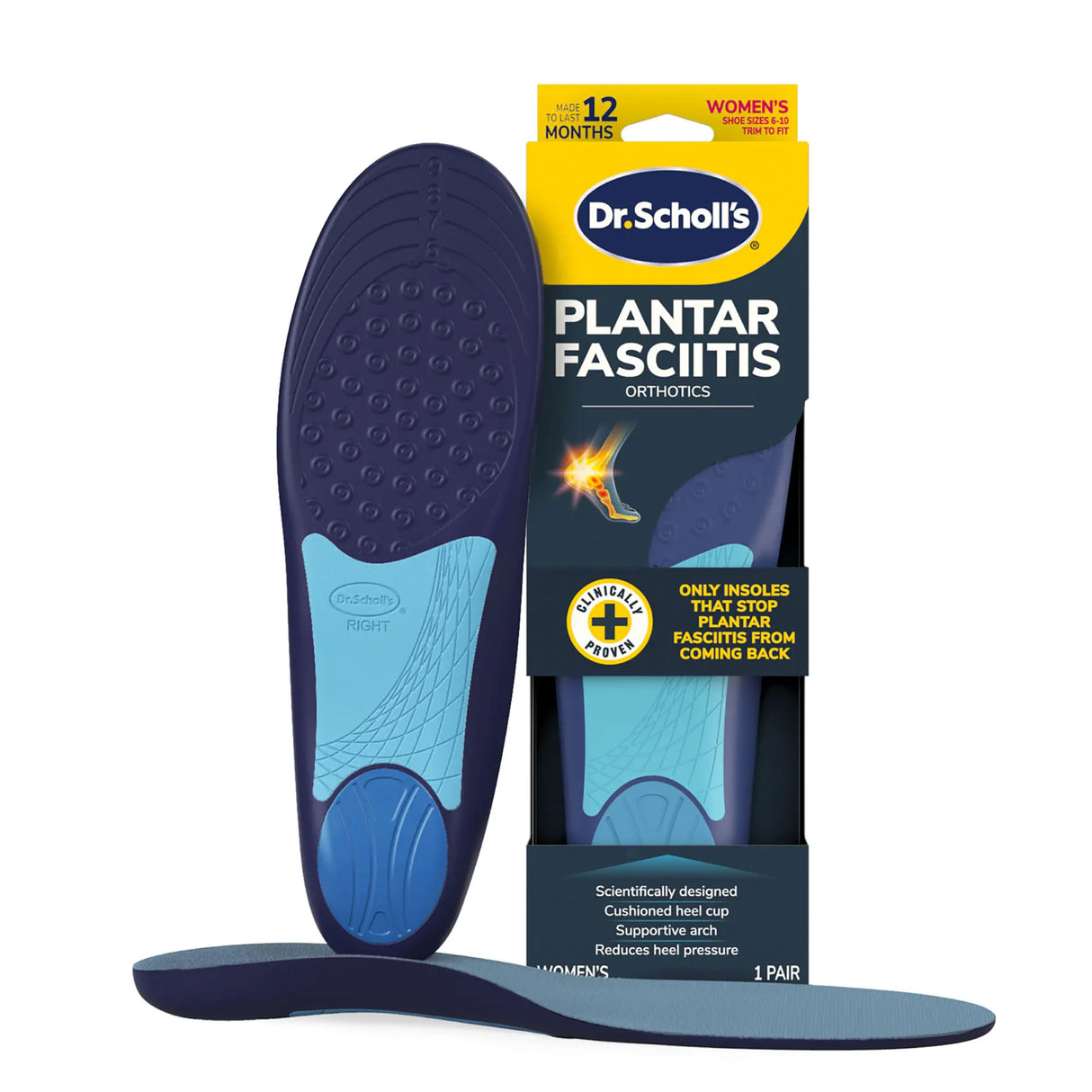
Are Dr. Scholl’s shoes good for plantar fasciitis?
Dr. Scholl’s shoes can be good for plantar fasciitis if they fit well and support your feet. Some styles include cushioned footbeds, contoured insoles, shock-absorbing materials, and built-in arch support. These features may reduce stress on the plantar fascia, the strong band of tissue that connects the heel bone to the toes.
However, not every Dr. Scholl’s shoe offers the same level of support. A soft casual slip-on may feel comfortable at first but provide little stability during a long walk. A structured walking shoe may be a better choice for someone with heel pain.
Plantar fasciitis often causes sharp pain under the heel, especially with the first steps in the morning. It may also hurt after sitting for a long time or standing on hard floors. Supportive shoes can help manage these symptoms by spreading pressure more evenly across the foot.
The most accurate answer to “are Dr. Scholl’s shoes good for plantar fasciitis?” is that they can be useful for mild or moderate symptoms, but they are not ideal for every foot. Your comfort, arch shape, walking pattern, and the shoe’s construction all matter.

How plantar fasciitis affects your feet
The plantar fascia acts like a natural strap beneath your foot. It helps support the arch and absorbs some force when you walk or run. Repeated strain can cause small injuries and irritation near the heel.
Common causes and risk factors include:
• Wearing flat or unsupportive shoes for long periods
• Walking or standing on hard surfaces
• Increasing exercise too quickly
• Tight calf muscles
• Limited ankle movement
• Being overweight
• Having very high arches or flat feet
• Spending more time barefoot than your feet can handle
The condition is often linked to mechanical stress rather than one single injury. For example, a person may feel fine during a short walk but develop heel pain after several weeks of standing at work.
A good shoe cannot repair damaged tissue by itself. Still, it can act like a shock absorber. It may reduce the load placed on the heel while your foot heals.
This is why the question “are Dr. Scholl’s shoes good for plantar fasciitis?” should include more than brand recognition. The shoe must match your needs and work with other care methods, such as calf stretches and activity changes.
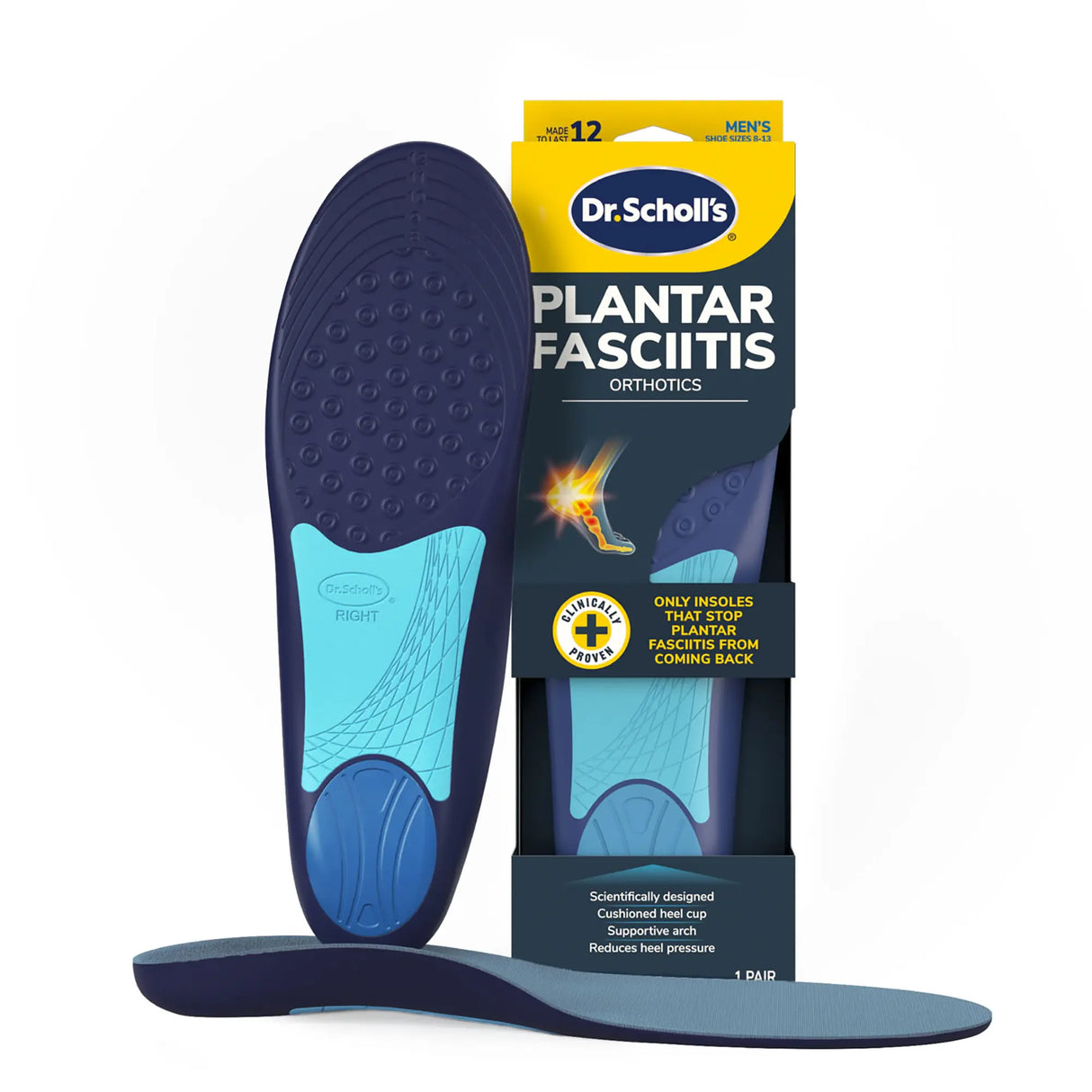
Features that may make Dr. Scholl’s shoes helpful
Some Dr. Scholl’s styles may support people with plantar fasciitis because they include useful comfort and stability features. Look for these details rather than choosing a shoe based only on its label.
Cushioning
Cushioning can soften the impact of each step. This may be helpful if you walk on concrete, tile, or other hard surfaces.
Good cushioning should feel supportive, not like standing on a thick pillow. Extremely soft foam may compress quickly and allow your foot to roll inward. A balanced footbed often works better than the softest one.
Arch support
Arch support helps distribute pressure across the foot. It may reduce the amount of stretching placed on the plantar fascia during walking.
The support should meet your arch without creating a painful lump. If the arch bump feels too high, it can cause new discomfort. A lower or more flexible support may suit some people better.
Heel support
A firm heel counter can help keep the rear of the foot stable. This may reduce excess movement and make walking feel more controlled.
A slightly raised heel may also reduce tension on the plantar fascia and calf. However, a very high heel is not a good long-term solution because it can change your walking pattern.
Shock absorption
Materials designed to absorb impact may reduce stress on the heel. This feature is especially useful for people who stand or walk for many hours.
Shock absorption works best when combined with a stable sole. Cushioning alone does not guarantee good support.
A secure fit
A shoe should hold your heel in place without squeezing your toes. Laces, adjustable straps, or supportive uppers can help prevent your foot from sliding forward.
Your toes should have enough room to move. Crowded toes can change how you walk and may create other foot problems.
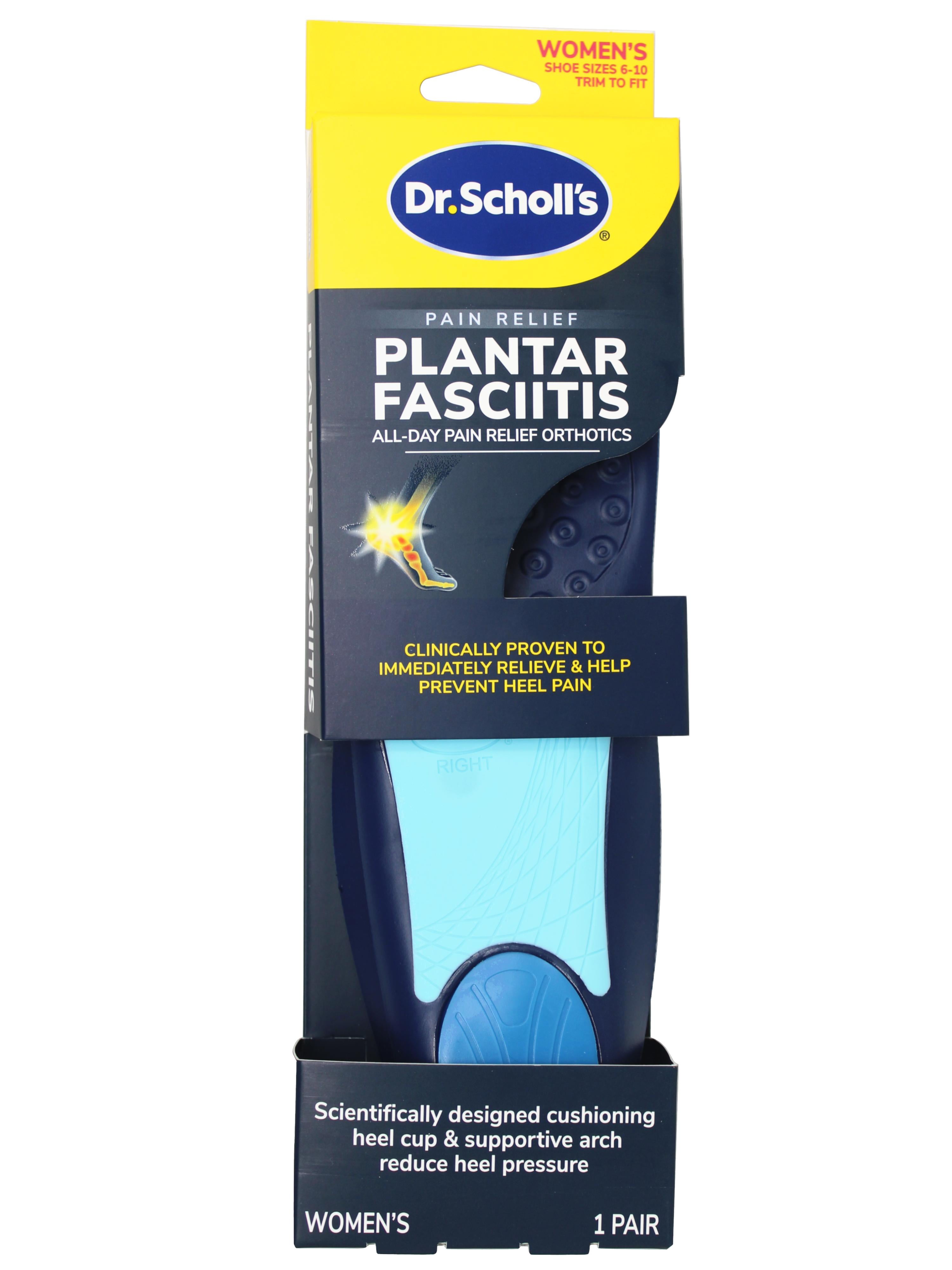
Which Dr. Scholl’s shoe styles may work best?
Dr. Scholl’s offers many types of shoes, including walking shoes, sneakers, work shoes, sandals, boots, and casual footwear. Their features can vary widely, so it is not accurate to say that every style is good for plantar fasciitis.
Walking shoes and athletic shoes
Walking shoes and athletic shoes are often the best place to start. They usually offer more cushioning and structure than thin flats or fashion shoes.
Look for:
• A firm midsole
• A stable heel
• A removable insole
• A flexible front that bends near the toes
• A wide enough toe box
• Secure laces or adjustable closures
A walking shoe may be a practical choice for daily errands, work, and light exercise. It should feel comfortable from the first wear. Do not assume that a painful break-in period is normal.
Work shoes
People who stand at work may benefit from a supportive work shoe with a cushioned insole. Slip-resistant soles can also improve safety in kitchens, hospitals, stores, and other workplaces.
Try work shoes at the end of the day. Feet often swell after hours of standing, and a shoe that fits in the morning may feel tight later.
Sandals
Some Dr. Scholl’s sandals may work for plantar fasciitis if they have a contoured footbed, arch support, and a stable sole. Flat sandals with thin soles are less likely to provide enough protection.
Avoid sandals that force your toes to grip the sole. This gripping action may increase tension through the bottom of the foot.
Dress shoes
Dress shoes are often the hardest type to fit for plantar fasciitis. A low, stable heel and a cushioned insole are better choices than narrow shoes with high heels.
For special events, wear supportive shoes during travel and change into dress shoes only for shorter periods. This simple habit can reduce the total strain on your feet.
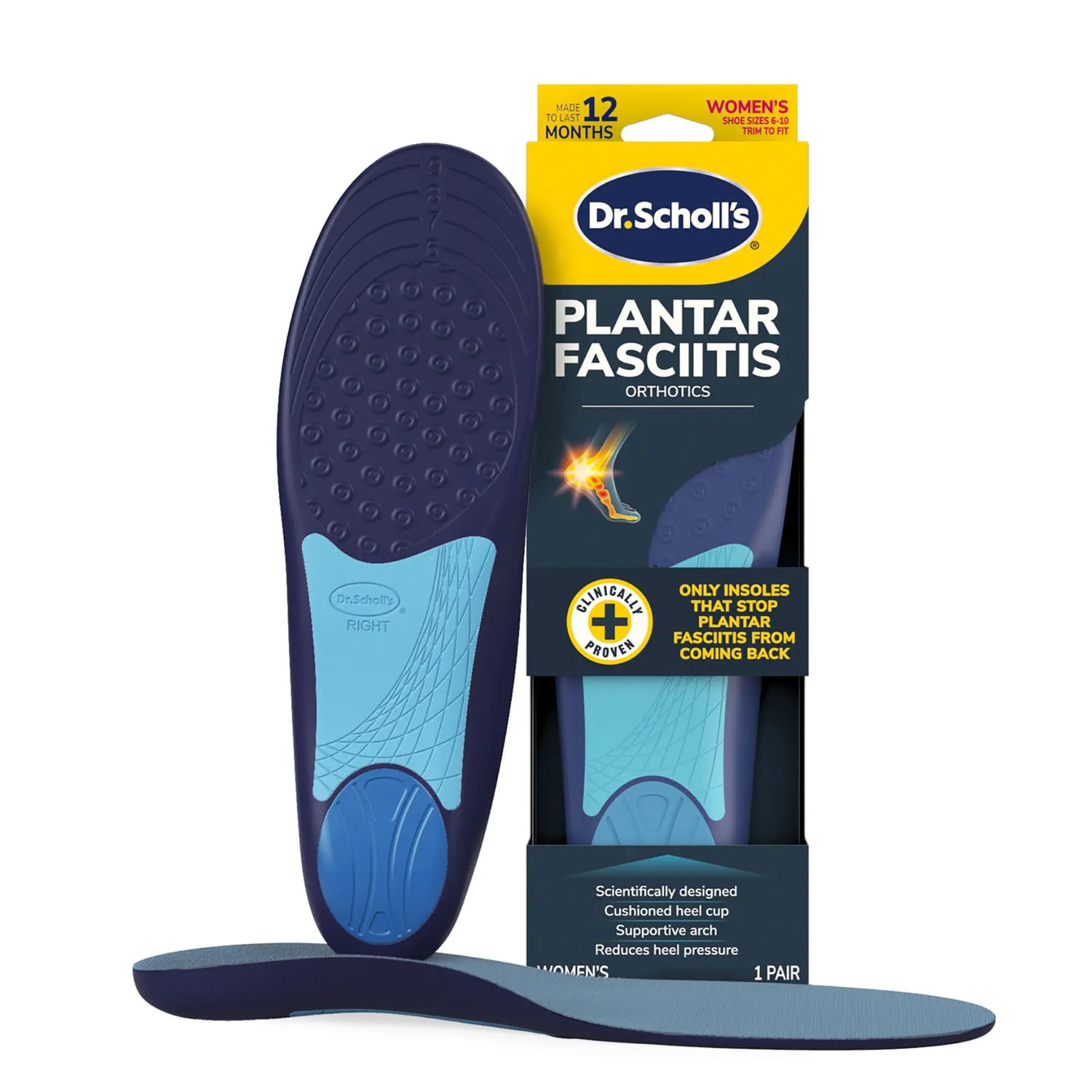
Benefits of Dr. Scholl’s shoes for heel pain
When the right model fits your foot, Dr. Scholl’s shoes may offer several practical benefits.
• They are widely available in stores and online.
• Many styles are less expensive than custom orthopedic footwear.
• Some models include built-in cushioning and arch support.
• Several styles are designed for walking or long periods of standing.
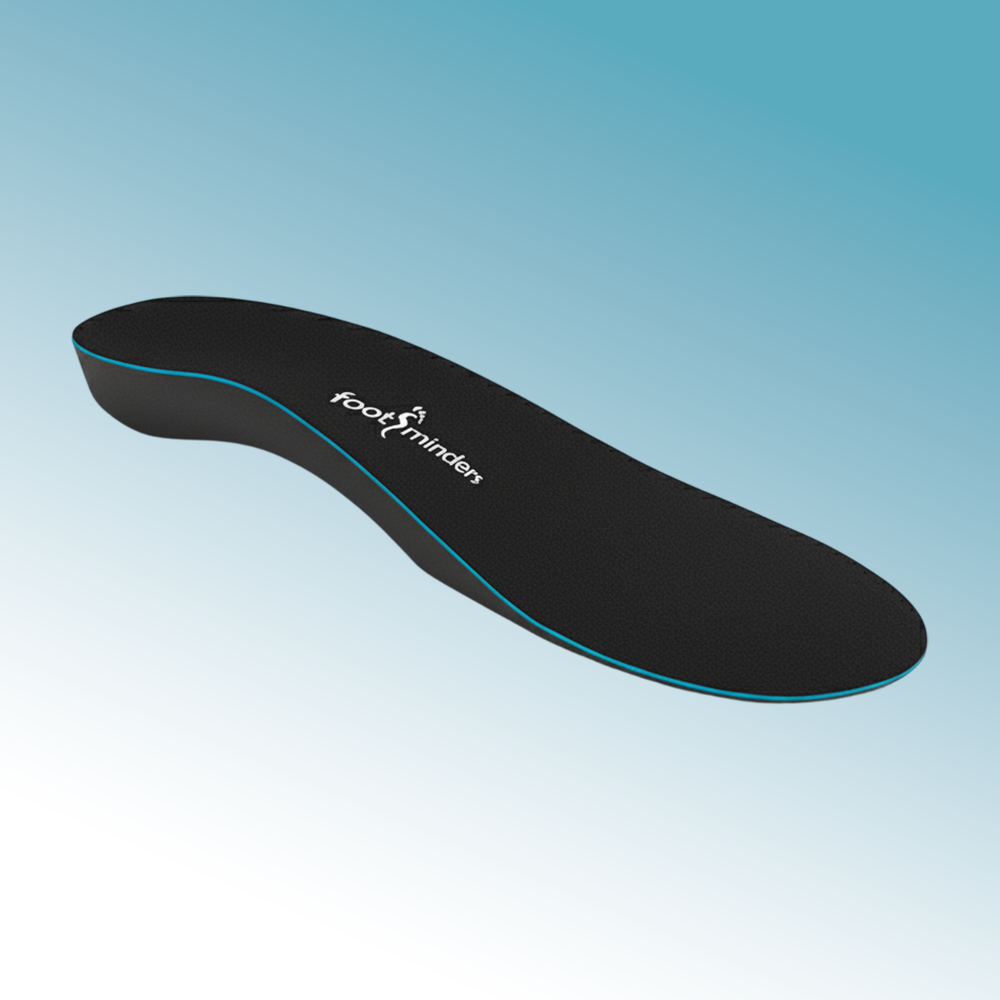
• Some shoes have removable insoles, allowing you to use an orthotic.
• They may be easier to wear every day than rigid medical footwear.
The main benefit is convenience. People are more likely to manage foot pain when supportive shoes are comfortable, affordable, and easy to find.
A common lesson in foot care is that the best shoe is the one you will actually wear. A highly supportive shoe that stays in the closet cannot help your feet. A comfortable shoe that you use daily may provide more practical value.
Still, comfort is not the same as treatment. A shoe can reduce symptoms while the underlying cause remains. If pain continues, you may need a professional assessment.
Limitations of Dr. Scholl’s shoes
Dr. Scholl’s shoes are not designed for every case of plantar fasciitis. Some people need more control, stronger arch support, or a custom treatment plan.
Possible limitations include:
• Support may be too mild for severe overpronation.
• Some soft styles may wear down quickly.
• Certain shoes may have a narrow toe box.
• Built-in insoles may not match your arch shape.
• Fashion styles may lack enough heel stability.
• Cushioning may hide pain without correcting the cause.
• The shoe may feel good indoors but fail during long walks.
Another issue is product variation. One Dr. Scholl’s model may have a strong, stable base, while another may feel flat and flexible. Always judge the individual shoe instead of the brand alone.
If your pain becomes worse after wearing the shoes, stop using them. More cushioning is not always better. Your foot should feel supported, not pushed into an unnatural position.

How to choose Dr. Scholl’s shoes for plantar fasciitis
Use this step-by-step process when shopping.