The best walking shoes for Achilles tendonitis offer soft cushioning, stable support, and a gentle heel-to-toe transition.
A short walk can feel hard when every step pulls at the back of your heel. The right shoe may reduce strain, improve comfort, and help you stay active while your tendon heals. I look for a cushioned heel, firm midfoot support, a roomy toe box, and a smooth rocker shape. I also avoid shoes that slip at the heel or bend too easily. This guide covers the best walking shoes for Achilles tendonitis, plus useful heel cups, sleeves, and inserts. Always seek medical care for sharp pain, swelling, weakness, or a sudden “pop.”

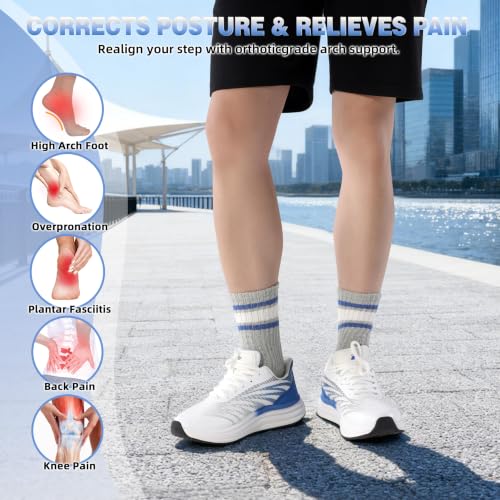
OrthoComfoot Men’s Orthopedic Walking Shoes,…
【High Arch Support for Pain Relief】Built-in high arch support evenly disperses plantar pressure, relieves plantar fasciitis discomfort, heel pain and foot fatigue. It stabilizes foot posture, reduces strain on knees…

Women’s Orthopedic Arch Support Walking…
Arch Support & Fasciitis Relief: Ergonomic arch support stabilizes your feet and reduces plantar fascia strain. Specifically designed for people with plantar fasciitis, it relieves heel/foot pain when walking/standing, provides…

Ryka Women’s, Devotion X Walking…
BEST FOR: High-performance fitness walking PERFORMANCE TECH: Full-length RE-ZORB responsive cushioning for shock absorption + impact protection, plus extra RE-ZORB in the forefoot and heel MADE FOR WOMEN FIT: Women’s…
OrthoComfoot Men’s Orthopedic Walking Shoes

The OrthoComfoot men’s walking shoe is built for shoppers who want a supportive daily sneaker. Its design targets common foot concerns such as arch strain, heel pain, and poor alignment. The cushioned platform can make pavement feel less harsh during errands or light walks. Its athletic look also works well with jeans, work clothes, and casual outdoor wear.
I like this style for people who need more structure than a soft knit shoe can give. A stable arch area may help limit excess foot motion, which can affect the Achilles tendon up the chain. The heel should feel secure without being squeezed. As with any orthopedic shoe, break it in with short walks before using it all day.
Pros:
- Supportive design for daily walking
- Cushioning helps soften hard roads and sidewalks
- Useful for shoppers with arch or heel concerns
- Athletic look suits casual outfits
- Good option for light hiking and travel
- May reduce foot fatigue during long errands
Cons:
- The firm support may feel strong at first
- Fit can vary by foot shape
- Not a substitute for treatment of a tendon tear
My Recommendation
I recommend this pair for men who want the best walking shoes for Achilles tendonitis with noticeable arch support and a sturdy feel. It suits daily errands, travel, and easy trail use. Choose it if your feet tire in flexible shoes. The value is strongest when you want one casual pair for many low-impact tasks, subject to current size and price availability.
Women’s Orthopedic Arch Support Walking Shoes

This women’s orthopedic sneaker focuses on arch support and soft comfort. It is aimed at walking, casual use, and light road running. The purple color gives it more personality than a plain medical-looking shoe. Its broad purpose makes it a practical pick for busy days that include standing, shopping, and short walks.
For Achilles discomfort, I pay close attention to the rear collar and heel hold. A shoe should cradle the heel rather than let it slide with each step. The cushioned sole may help lower the shock that travels from the ground to the heel. Wear your usual walking socks when checking the fit, and leave room for natural toe movement.
Pros:
- Arch support may improve walking comfort
- Soft cushioning helps absorb step impact
- Versatile shape for errands and casual wear
- Bright color adds style to a support shoe
- Suitable for women who stand for long periods
- Room for a gradual break-in period
Cons:
- Color options may not suit every wardrobe
- Arch height may feel too firm for flat feet
- Light running may be better than hard training
My Recommendation
This is a good choice for women who want supportive footwear without a bulky look. I would place it among the best walking shoes for Achilles tendonitis for casual daily use, especially when arch fatigue joins heel soreness. It is less suited to intense running or court sports. Check the seller’s size chart before ordering because comfort depends on a precise fit.
Ryka Devotion X Women’s Walking Shoe

The Ryka Devotion X is a familiar name in women’s walking shoes. It has a sport-focused design for fitness walks, errands, and daily movement. The cushioned build can make each step feel smoother on firm ground. I also like its lighter athletic profile for shoppers who dislike heavy orthopedic footwear.
It is important to separate comfort from medical treatment. A cushioned walking shoe can support activity, but it cannot repair an injured tendon by itself. For Achilles pain, look for a heel that stays in place and a sole that bends near the forefoot, not in the middle. Start with short walks and watch how your tendon feels later that day.
Pros:
- Light athletic design for active walking
- Cushioning supports everyday comfort
- Easy style for exercise and casual use
- Good choice for women who dislike stiff shoes
- Works well for neighborhood and treadmill walks
- Known walking-shoe design from an established brand
Cons:
- May not provide enough motion control for every user
- Some feet may need an added heel cup
- Not designed for severe tendon injury care
My Recommendation
I recommend the Ryka Devotion X for women who want a lighter, more athletic option. It may be one of the best walking shoes for Achilles tendonitis when comfort, weight, and daily exercise matter most. Choose another model if you need very firm arch control. Its overall value is appealing for walkers who prefer a normal sports-shoe feel.
Dr.Tucker+ Heel Pads for Shoe Comfort

Heel pads can change the feel of a shoe without buying a new pair. The Dr.Tucker+ heel pads are designed to cushion the heel and help reduce pressure during contact with the ground. They may help make a firm shoe feel more forgiving. This can be useful for someone whose Achilles pain comes with general heel soreness.
Placement matters more than many buyers expect. The pad must sit flat and stay centered, or it can create a new pressure spot. Use it in a shoe with enough space, since adding material can make the heel area feel tight. I would test one short walk before relying on it for a full work shift.
Pros:
- Low-cost way to add heel cushioning
- Can improve comfort in suitable walking shoes
- Easy to move between compatible shoes
- Useful for heel impact on hard floors
- May help extend the comfort of older shoes
- Simple option for travel or work footwear
Cons:
- May slide in shoes with a loose lining
- Takes up extra room inside the heel
- Does not correct the cause of tendonitis
My Recommendation
This product is best for walkers who already own a decent shoe but need more heel softness. It can complement the best walking shoes for Achilles tendonitis, though it should not replace a stable, well-fitting shoe. Pick it for mild heel pressure and test the placement slowly. The value is good when you need a small comfort upgrade rather than a full footwear change.
PROFOOT Achilles Tendonitis Heel Cup

The PROFOOT heel cup is made for women’s shoe sizes 6 through 10. It aims to support the heel and improve comfort around the rear of the foot. A heel cup can help keep the heel centered while spreading pressure across a wider area. That may make walking feel less jarring for some users.
I see this insert as a useful add-on for a stable sneaker with removable space. It should not force your heel upward so much that the shoe rubs the tendon. Try it with a shoe that has a secure collar and enough depth. If pain increases, stop using it and ask a foot-care professional for advice.
Pros:
- Designed with Achilles discomfort in mind
- Supports heel positioning inside the shoe
- Can reduce the feel of direct heel impact
- Fits a useful range of women’s sizes
- Works with many everyday walking shoes
- Small and easy to carry between pairs
Cons:
- Only listed for women’s sizes 6 through 10
- May not fit shallow or tight shoes
- Needs careful placement to avoid rubbing
My Recommendation
I recommend the PROFOOT cup for women who need extra heel alignment and cushioning. It is especially helpful when a good shoe still feels hard under the heel. Use it with, rather than instead of, the best walking shoes for Achilles tendonitis. Its value depends on fit, so measure your shoe and allow a short adjustment period.
ZenToes Achilles Tendon Support Sleeve

The ZenToes support sleeve adds light compression and padding around the Achilles area. It can provide a gentle, held-in feeling under a walking shoe. The padded design may also protect a tender spot from rubbing against the shoe collar. This makes it useful for people who want support that travels with them.
A sleeve must feel snug, not numb or restrictive. I would put it on before the shoe and check for wrinkles, since folds can irritate the skin. It may help with comfort, but compression does not heal every cause of Achilles pain. Follow care directions and stop if you notice tingling, color change, or more pain.
Pros:
- Provides light compression around the tendon
- Padded area may reduce shoe-collar rubbing
- Thin design can fit inside many sneakers
- Useful during walking and daily activity
- Easy to wash and reuse as directed
- Helpful for people who want wearable support
Cons:
- Compression may feel too tight for some users
- Can become warm during long walks
- Does not replace a proper diagnosis or rehab plan
My Recommendation
This sleeve is best for walkers who need gentle support and protection from rubbing. It can pair well with the best walking shoes for Achilles tendonitis, especially during a gradual return to activity. I would not use it to push through sharp pain. It offers good value as a small, portable comfort aid.
SURRAY Women’s Arch Support Sneakers

The SURRAY women’s sneaker is aimed at walking comfort and arch support. Its tennis-shoe shape makes it easy to wear for errands, casual travel, and light activity. The supportive footbed may help reduce the tired feeling that builds during long periods on your feet. It also offers a simple alternative to very bulky orthopedic footwear.
For Achilles tendonitis, I want a shoe that feels steady from heel to forefoot. This model may work well when your foot needs more support than a flat casual sneaker provides. Make sure the heel counter holds you without pressure on the sore tendon. A gradual break-in remains wise, even when the shoe feels comfortable indoors.
Pros:
- Supportive design for everyday walking
- Arch structure may reduce foot fatigue
- Casual tennis style is easy to wear
- Useful for standing and light errands
- May suit shoppers seeking a firm footbed
- Can work as a daily backup pair
Cons:
- May feel firm compared with soft mesh shoes
- Fit may vary across wide and narrow feet
- Not intended for intense athletic training
My Recommendation
I recommend SURRAY for women who want a supportive everyday sneaker at a practical price. It belongs on a shortlist of the best walking shoes for Achilles tendonitis when arch comfort and casual style are key. It may not suit anyone who needs a very plush sole. Check the fit at the heel and toe before taking longer walks.
Women’s Extra-Wide Toe Box Sneakers

This women’s sneaker focuses on a roomy toe box, light weight, and orthopedic support. The extra width can help people whose toes feel cramped in standard shoes. A spacious front also allows the toes to spread during walking. The purple design gives the shoe a casual, fashion-friendly look.
A roomy toe box does not directly cure Achilles tendonitis, but it can improve overall foot comfort. Less crowding may help you walk with a more natural step. I would check that the heel remains secure, because a wide front should not mean a loose rear fit. This pair may be useful for people with swelling, sensitive feet, or a preference for extra space.
Pros:
- Extra-wide front gives toes more room
- Light build may reduce leg fatigue
- Useful for sensitive or swollen feet
- Supportive design for casual walking
- Comfortable choice for standing tasks
- Stylish color for daily outfits
Cons:
- May feel too roomy on narrow feet
- Wide fit can reduce heel security if sized poorly
- Not a replacement for diabetic foot care
My Recommendation
This is best for women who need a wide toe box and gentle daily support. I would consider it among the best walking shoes for Achilles tendonitis for people who feel cramped in normal sneakers. It is less suitable for narrow feet unless the heel fit is secure. Its value is strongest for walking, travel, and relaxed outdoor use.
Men’s Orthopedic Breathable Walking Shoes
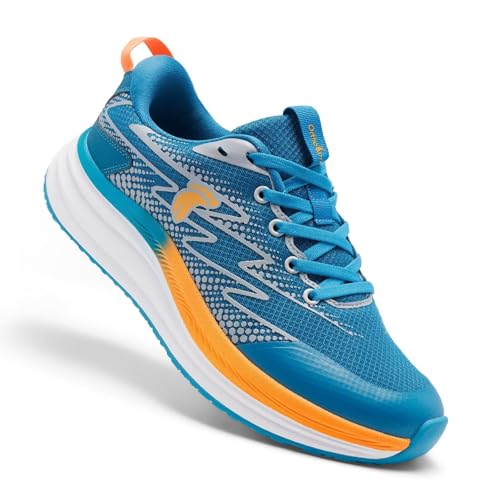
This men’s orthopedic walking shoe combines a breathable upper with arch support and heel cushioning. It is made for casual walking, light running, hiking, and daily use. The sporty blue and orange color gives it an active look. I see it as a flexible choice for men who spend time both indoors and outdoors.
Breathability matters when warm, damp feet lead to slipping and friction. A stable midsole also matters because the foot should not roll wildly with each step. For Achilles pain, use the shoe on level ground first. If you plan to hike, build distance slowly and avoid steep hills during a painful flare.
Pros:
- Breathable design supports day-long comfort
- Arch support may help reduce foot strain
- Suitable for walking and light trail use
- Sporty look works for active casual wear
- Cushioning helps soften firm surfaces
- Useful for men who need a versatile sneaker
Cons:
- Bright color may not fit work settings
- Trail use should remain light and gradual
- Support level may not suit every arch type
My Recommendation
I recommend this pair for men who want breathable support for daily walking and easy outdoor activity. It can be one of the best walking shoes for Achilles tendonitis for shoppers who want more than an indoor sneaker. Avoid demanding hikes during active pain. The overall value is good if you need one pair for errands, walks, and casual trails.
Brooks Adrenaline GTS 25 Men’s Shoe
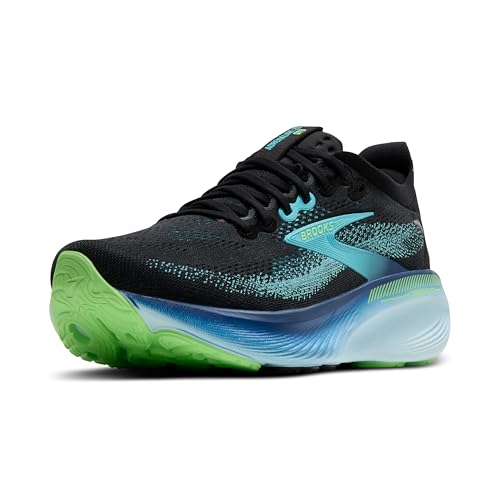
The Brooks Adrenaline GTS 25 is a strong option for men who want a structured road-walking shoe. Brooks designs the Adrenaline line around cushioning and guidance, which can help walkers who dislike unstable footwear. The shoe has a traditional running profile that suits brisk walks, treadmill sessions, and daily use. Its black color also looks neat beyond the gym.
Good guidance should feel like a quiet hand, not a hard wall. I look for a smooth transition and a secure heel because both can make walking feel more natural. The Adrenaline may suit people who overpronate, but no shoe fits every foot. If you have a high arch or a rigid ankle, test the fit and ask a clinician if pain continues.
Pros:
- Structured design supports stable walking
- Cushioning suits roads and hard sidewalks
- Good choice for brisk walks and treadmills
- Secure athletic fit can reduce heel movement
- Neutral black color works for many settings
- Strong option for walkers seeking a trusted running model
Cons:
- Costs more than many basic walking shoes
- Guidance features may feel unusual at first
- Medium width may not suit very wide feet
My Recommendation
The Brooks Adrenaline GTS 25 is my top pick for men who want a polished, structured walking shoe. It is a leading candidate for the best walking shoes for Achilles tendonitis when stability, cushioning, and road use matter. It may be more shoe than a casual walker needs. Still, its build and versatility can justify the price for frequent walkers.
How Achilles Tendonitis Changes Your Shoe Choice
Achilles tendonitis is irritation or pain in the strong tendon that joins the calf muscles to the heel bone. It often hurts during the first steps after rest, then returns with longer activity. The condition can develop from a sudden rise in walking, running, hills, or poor recovery. A shoe cannot fix the tendon, but it can change the load placed on it.
The best walking shoes for Achilles tendonitis usually have a comfortable heel, steady support, and enough cushioning for your surface. A slightly raised heel-to-toe drop may reduce the amount of stretch demanded from the tendon. However, a sudden switch to a very different shoe can also cause trouble. Change footwear slowly, much like turning down a dimmer switch instead of flipping it off.
Medical guidance often includes activity changes, gradual strengthening, and a review of walking mechanics. The American Academy of Orthopaedic Surgeons notes that treatment depends on the cause and severity of the problem. Physical therapists may guide calf loading and return to activity. Seek urgent care after a sudden injury, a loud pop, major swelling, or trouble pushing off.
Key Features I Check Before Buying
Heel cushioning and heel security
The heel should feel padded but not trapped. A loose heel makes the foot slide, which can increase rubbing at the tendon. A collar that presses directly on a sore spot can also cause trouble. Walk around indoors and check whether the heel stays in place without a tight top edge.
A modest heel-to-toe drop
Heel-to-toe drop means the height difference between the heel and forefoot. A moderate drop may reduce tendon stretch for some walkers. It is not a cure, and more drop is not always better. If you change from a flat shoe, give your body time to adapt.
Firm support under the middle of the foot
A shoe that folds in the middle may feel soft but provide little control. I prefer a sole that bends near the toes while keeping the midfoot stable. This helps the foot move forward in a cleaner line. People with very different arch shapes may need a custom assessment.
A wide, comfortable toe box
Your toes should not touch the front or press against each other. A roomy toe box lets them spread and helps reduce pressure on the forefoot. Do not confuse extra toe space with a loose shoe. The heel and midfoot should still fit securely.
Traction for your usual surface
Slick soles can make you shorten your stride or tense your legs. Choose rubber traction that matches sidewalks, indoor floors, or easy trails. Deep trail lugs are not needed for normal pavement. A smooth, stable outsole is often better for daily walking.
A breathable upper
Warm feet can sweat and slide. Mesh or breathable fabric may improve comfort during long walks. Yet the upper must still hold the foot. Look for a balance between airflow and support, not the thinnest material possible.
How to Get the Right Fit
Measure both feet late in the day, when feet are often a little larger. Wear the socks you plan to use for walking. Leave about a thumb’s width between your longest toe and the shoe front. Your toes should move freely, but your heel should not lift with each step.
Do not judge a shoe by standing still for ten seconds. Walk, turn, and climb a few steps if possible. Pay attention to the first contact at the heel and the push-off at the toes. A small hot spot can become a large problem after a mile.
If you use an insert or heel cup, try it during the fit check. It takes up room and can raise the heel. The shoe still needs enough depth to close without pressure. When ordering online, check the current return policy and keep the packaging until you know the fit works.
Simple Ways to Walk More Comfortably
Begin with short, flat walks. Avoid sudden hill work, speed work, and long weekend walks during a flare. If symptoms remain worse the next morning, reduce the distance or rest and ask a professional for guidance. Pain that grows each day deserves attention.
Warm up with easy movement before a walk. Follow the exercise plan given by your physical therapist rather than copying random stretches online. Some tendon problems respond well to progressive calf loading, but the correct amount depends on the person. Never use a new shoe to mask severe pain.
Replace worn shoes when the tread is smooth or the midsole feels flat. Many walkers wait until the upper tears, but the cushioning can fade first. Rotate two suitable pairs if your budget allows. This gives each shoe time to recover and lets you notice which pair your tendon prefers.
Best For Comparison Table
| Best for | Why |
|---|---|
| Best overall men’s walking shoe | Brooks Adrenaline GTS 25 offers cushioning, guidance, and a stable road-walking feel. |
| Best women’s light walking shoe | Ryka Devotion X gives active walkers a lighter design with everyday cushioning. |
| Best support add-on | ZenToes, PROFOOT, and Dr.Tucker+ can add targeted padding or support to a suitable shoe. |
FAQs Of best walking shoes for achilles tendonitis
What are the best walking shoes for Achilles tendonitis?
The best pair has good heel cushioning, a secure heel, stable midfoot support, and a smooth sole transition. Brooks Adrenaline GTS 25 is a strong structured choice. Ryka Devotion X suits women who prefer a lighter athletic shoe.
Should I choose a high heel drop for Achilles pain?
A modest heel-to-toe drop may reduce tendon stretch for some people. Still, a sudden change can create new strain. Choose comfort and change shoes over several days.
Can heel cups help Achilles tendonitis?
Heel cups may cushion the heel and slightly reduce strain for some users. They must fit well and should not cause rubbing. Stop using one if pain, numbness, or skin irritation develops.
Can I keep walking with Achilles tendonitis?
Many people can continue gentle walking, but pain should guide the amount. Use flat ground, shorten the walk, and avoid hills during a flare. Get medical advice for severe, sudden, or worsening symptoms.
When should I replace walking shoes?
Replace them when the tread wears down, the midsole feels flat, or your feet start to ache sooner. Visible damage is not the only sign of wear. Compare an old pair with a new pair on a flat surface.
Final Verdict: Which Should You Buy?
For most men, I would choose the Brooks Adrenaline GTS 25 for its stable, cushioned road-walking design. Women may prefer the Ryka Devotion X for a lighter feel. The best walking shoes for Achilles tendonitis should fit your foot, surface, and pain level.
Add a heel cup or sleeve only when it improves comfort. Start slowly, replace worn shoes, and seek care for sharp or sudden pain. Smart shoe choice can make each walk feel more like a bridge than a battle.

Madison Clark is a footwear expert and the voice behind MyStyleGrid.com. She specializes in honest shoe reviews, style tips, and practical guides to help readers find the perfect pair for any occasion. With years of experience in blogging and content creation, Madison makes footwear knowledge simple, stylish, and easy to follow.