Look for true UV400 protection, effective glare reduction, clear lenses, a secure fit, and quality that matches your activities.
Knowing what to look for in polarized sunglasses helps you avoid dark lenses that look stylish but offer poor protection or weak optical quality. With the right lens, fit, and safety features, you can reduce glare, see more clearly, and protect your eyes during driving, fishing, hiking, sports, and everyday errands.

What Are Polarized Sunglasses?
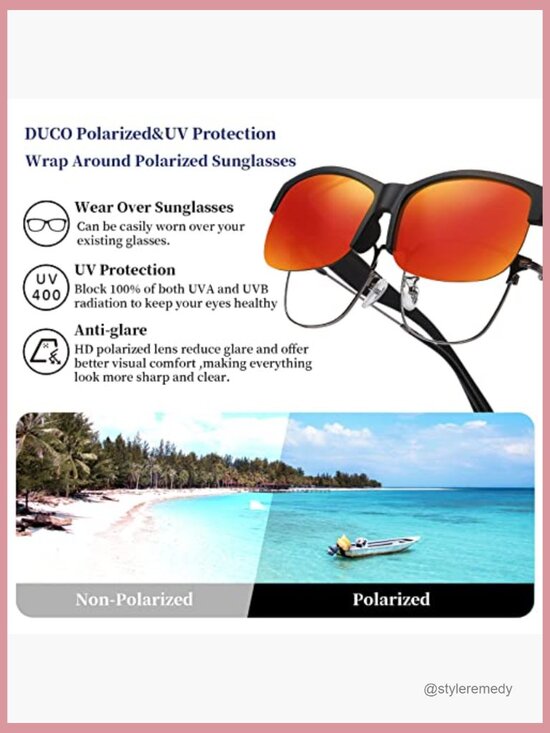
Polarized sunglasses contain a special filter that reduces reflected glare. Glare forms when sunlight bounces off flat surfaces such as water, roads, snow, glass, and sand. The filter blocks much of this intense horizontal light before it reaches your eyes.
Regular tinted sunglasses make the world darker. Polarized sunglasses can make it clearer and more comfortable. However, polarization alone does not guarantee protection from ultraviolet radiation. This difference is one of the most important things to understand when learning what to look for in polarized sunglasses.
A quality pair should offer both:
• Polarized lenses to reduce glare
• 100% UVA and UVB protection, often labeled UV400
• Clear, undistorted vision
• A comfortable and stable fit
• Lens quality suited to your activity
Think of polarization as a window blind for harsh reflected light. It cuts the glare, but it does not replace the need for UV protection.
Why Polarized Sunglasses Matter
Glare can make your eyes work harder. It may cause squinting, watery eyes, headaches, and temporary difficulty seeing details. This can be especially uncomfortable during long drives or outdoor activities.
Polarized lenses are most useful around reflective surfaces. They can help you see into water, notice changes in pavement, and reduce the bright glare that comes from snow. They may also improve visual comfort on sunny days.
The main benefits include:


• Reduced glare from roads, water, snow, and glass
• Better visual comfort during long periods outdoors
• Improved contrast in many bright conditions
• Less squinting and eye strain
• More comfortable driving during the day
• Better visibility for fishing and water sports
Polarized sunglasses do not make you immune to bright light. They also do not replace protective eyewear in workplaces, construction areas, or high-risk sports. If flying, driving at night, or using digital screens, polarization can sometimes create visual issues because it may interact with certain displays.
1. Check for 100% UV Protection
The first answer to what to look for in polarized sunglasses is reliable ultraviolet protection. Choose sunglasses labeled “100% UVA and UVB protection” or “UV400.” The label should come from a trustworthy seller or manufacturer.
UVA and UVB rays can affect the eyes over time. Extended exposure is linked with conditions such as cataracts, eye-surface growths, and damage to sensitive eye tissue. Children also need sunglasses because their eyes receive substantial outdoor exposure throughout life.
Do not judge UV protection by lens darkness. A very dark lens can still provide poor UV protection. In fact, dark lenses without proper UV filtering may allow your pupils to open wider while harmful rays still enter.
Look for these signs:
• UV400 protection
• 100% UVA and UVB protection
• Compliance with applicable U.S. eyewear standards


• Clear labeling from a reputable brand
• A return policy if the product does not match its claims
The Food and Drug Administration regulates many aspects of sunglasses sold in the United States, while industry standards address lens performance, impact resistance, and optical quality. A label is helpful, but a trusted retailer is also important.
2. Confirm That the Lenses Are Truly Polarized
Not every dark lens is polarized. Some inexpensive products use a basic tint and market themselves with vague language. Look for clear wording such as “polarized lens” or “polarized filter.”
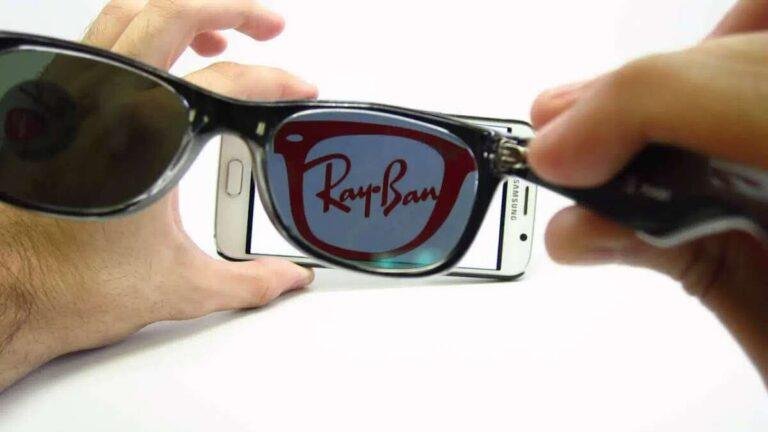
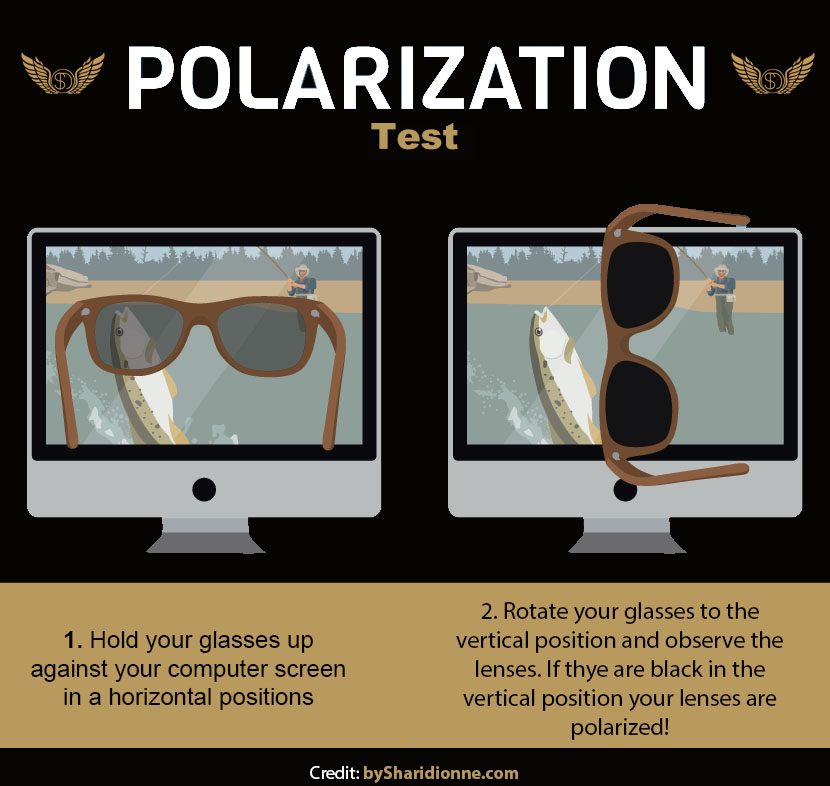
You can perform a simple home check with two pairs of polarized sunglasses. Hold one pair in front of the other and rotate one lens by about 90 degrees. If both pairs are polarized, the view should become very dark at a certain angle.
You can also look at an LCD screen. Some polarized lenses make phone, car, or ATM screens appear darker when you tilt your head. This test is not perfect, but it can offer a quick clue.
For the best results, the polarization filter should be evenly applied across the lens. Poor filters may create uneven brightness, strange patches, or blurry areas. This is why what to look for in polarized sunglasses includes optical consistency, not just a sticker on the package.
3. Choose the Right Lens Color
Lens color changes how the world looks and may affect contrast. It does not automatically indicate lens quality. The best color depends on how and where you plan to use the sunglasses.
Gray lenses
Gray lenses provide fairly natural color and reduce overall brightness. They are a strong choice for driving, beach walks, and general outdoor use.
Brown or amber lenses
Brown lenses can increase contrast and make some details easier to see. They are popular for hiking, fishing, and changing light. However, they may alter color more than gray lenses.
Green lenses
Green lenses can reduce glare while preserving fairly balanced color. They work well for general outdoor use and golf.
Yellow or orange lenses
These colors may improve contrast in low light or overcast conditions. They are not ideal for intense sunlight unless they also have a suitable darkness rating.
Blue or fashion tints
Blue and colored fashion lenses may look appealing, but color alone says nothing about UV protection or polarization. Check the technical features first.
A useful rule is simple: choose gray for natural color, brown for contrast, and a lighter lens for variable light. Avoid choosing only by appearance.


4. Understand Lens Darkness and Light Transmission
Lens darkness and polarization are different features. Polarization controls reflected glare, while lens darkness controls how much visible light reaches your eyes.
Sunglasses sold in the United States and Europe may use different labeling systems. Many products list a lens category or visible light transmission rating. Category 3 lenses are common for bright sunlight. Category 4 lenses are very dark and generally unsuitable for driving.
For ordinary use, look for lenses that feel comfortable without making the scene too dim. Extremely dark sunglasses can make it harder to see in shade, tunnels, or changing weather.
Pay special attention if you use sunglasses for:
• Driving
• Cycling
• Skiing
• Boating
• Trail running
• High-altitude travel
• Desert travel
For driving, choose lenses that reduce glare but still let you see road signs, traffic lights, and shaded areas clearly. Never use sunglasses that make colors or details difficult to identify.
5. Inspect Optical Clarity
High-quality sunglasses should provide a clean, stable image. When you look through the lenses, straight lines should remain straight. You should not see waves, ripples, blurry patches, or a sudden change in sharpness as you move your eyes.
A practical test is to hold the sunglasses at arm’s length and look through one lens at a straight door frame or window edge. Slowly move the glasses from side to side. If the line bends or jumps, the lens may have poor optical quality.
Quality polarization should not create a hazy or distorted view. This matters most when you drive, cycle, fish, or take part in sports that require quick visual decisions.


In my practical evaluation of eyewear, optical flaws are often easier to notice after several hours than after a quick store fitting. A lens may seem acceptable for two minutes but cause eye fatigue during a long road trip. Take time to assess clarity, especially when buying online.
6. Select the Best Lens Material
Lens material affects weight, impact resistance, clarity, and cost. The most common choices are glass, standard plastic, polycarbonate, and Trivex.
Glass lenses
Glass often provides excellent optical clarity and scratch resistance. The tradeoff is extra weight and a greater risk of breaking during impact. Glass may suit relaxed activities but is less practical for active sports.
Standard plastic lenses
Plastic lenses are light and affordable. They can provide good clarity but may scratch more easily unless they have a protective coating.
Polycarbonate lenses
Polycarbonate is light and impact resistant. It is a common choice for sports, cycling, children’s sunglasses, and active outdoor use. Its optical clarity can be slightly lower than glass or premium plastic.
Trivex lenses
Trivex is light, impact resistant, and known for good optical performance. It may cost more, but it can be a strong option for active users and prescription sunglasses.
When deciding what to look for in polarized sunglasses, match the material to the risk. A casual walker may value light weight and style. A cyclist or kayaker may need impact resistance above all else.

7. Find a Secure and Comfortable Fit
Even excellent lenses are not useful if the frames slide down, pinch, or leave gaps around your eyes. A good fit keeps the lenses in the right position and limits stray light from the sides.
Check these areas:
• The bridge should rest comfortably without pinching.
• The temples should stay secure without squeezing.
• The frame should not slide when you bend forward.
• Your eyelashes should not touch the lenses.
• The lenses should cover your eyes without blocking your view.
• The frame should sit evenly on both sides of your face.
Wraparound frames can block more side glare. They are useful for cycling, boating, skiing, and beach use. Large frames may offer extra coverage, but they should not touch your cheeks or create pressure behind your ears.
A common mistake is choosing frames that are too loose because they feel comfortable in the store. After an hour outdoors, loose frames often slide, collect sweat, and force you to adjust them constantly. Comfort means stable and pressure-free, not simply loose.
8. Consider Frame Quality and Durability
Frames should match your lifestyle. Lightweight nylon and flexible plastic can work well for daily wear. Metal frames may offer a refined look but can become hot in the sun or corrode near salt water if they lack proper protection.
Check the hinges, nose pads, and temple arms. These are common failure points. Hinges should open smoothly without feeling weak. Nose pads should not feel sharp or leave deep marks. Temple arms should align evenly when the sunglasses rest on a flat surface.
For children, look for flexible, impact-resistant frames with no sharp edges. For sports, choose frames designed to stay secure during movement. For travel, consider a sturdy case because scratches and bent frames can ruin a good pair quickly.
A protective case is not an accessory to ignore. It is one of the simplest ways to extend the life of polarized sunglasses.
9. Look for Useful Lens Coatings
Coatings can improve performance, but not every coating is essential. Consider your needs before paying more.
Scratch-resistant coating
This coating can reduce minor scratches, but it does not make lenses scratch-proof. Store sunglasses in a hard case and clean them with a microfiber cloth.
Anti-reflective coating
An anti-reflective coating may reduce reflections from the back of the lens. This can improve comfort when sunlight comes from behind you or when you wear sunglasses for long periods.
Water-repellent coating
A hydrophobic coating helps water and oily marks slide off the lens. It can be useful for boating, fishing, skiing, and rainy travel.
Mirror coating
A mirror coating reflects some visible light and can make sunglasses appear stylish. It does not automatically mean the lenses have better UV protection or polarization.
Avoid cleaning lenses with paper towels, clothing, or household glass cleaner. These can leave fibers, damage coatings, or spread oil across the surface. Rinse away loose grit, use lukewarm water, and clean with a lens-safe product.

10. Match the Sunglasses to Your Activity
The best pair for a beach day may not be the best pair for driving or skiing. Activity should guide your choice.
For driving
Choose gray or brown polarized lenses with clear optics and moderate darkness. Avoid lenses that make traffic lights or dashboard displays hard to read. Never use very dark category 4 lenses behind the wheel.
For fishing and boating
Polarized lenses can reduce water glare and help reveal objects below the surface. Brown, amber, or copper lenses may improve contrast. Choose floating frames if losing them in the water is a real concern.
For skiing and snow sports
Snow reflects large amounts of light. Choose full UV protection, a secure fit, strong side coverage, and lenses suited to bright conditions. Make sure the sunglasses or goggles fit safely with your helmet.
For cycling and running
Prioritize impact resistance, a stable frame, ventilation, and wide coverage. Lightweight polycarbonate or Trivex lenses may be practical choices.
For hiking
Look for a balance of clarity, comfort, coverage, and durability. Brown or green lenses may help with contrast, while gray lenses preserve a more natural view.
For everyday use
Focus on comfort, UV protection, clear optics, and a frame you will actually wear. The best sunglasses are the ones you keep on when the sun is strong.
11. Think About Prescription Needs
Prescription wearers can choose polarized sunglasses with prescription lenses or use polarized clip-ons. Prescription polarized lenses are usually more comfortable and provide a cleaner appearance.
Ask your eye care professional about lens material, thickness, coatings, and frame shape. High prescriptions may need thinner materials or a carefully selected frame to maintain good optics.
If you use progressive lenses, the frame must be tall enough to provide useful distance and intermediate viewing areas. A very shallow frame may limit how well the prescription works.
Do not assume that every polarized clip-on will align properly with your regular glasses. Misalignment can cause reflections, poor coverage, and visual discomfort. Test the setup before relying on it for long drives.
12. Check Safety Standards and Seller Claims
A reliable seller should provide clear information about UV protection, polarization, lens material, and return terms. Be cautious when a listing makes broad claims such as “medical-grade vision” without explaining the technology.
For industrial work, safety glasses must meet the relevant impact standard. Regular polarized sunglasses are not automatically safety glasses. If your job involves flying particles, chemicals, or high-impact hazards, use certified protective eyewear designed for that environment.
For general sunglasses, look for honest product details rather than impressive marketing. The key question is not how expensive the sunglasses look. It is whether the product provides verified protection and consistent vision.
The American Academy of Ophthalmology recommends sunglasses that block 99% to 100% of UVA and UVB rays. This advice is more important than brand popularity, lens color, or fashion trends.
Common Mistakes to Avoid
Knowing what to look for in polarized sunglasses also means knowing what to reject. Several common mistakes can lead to discomfort or poor protection.
• Choosing dark lenses without checking UV protection
• Assuming polarized means UV-blocking
• Buying a poor fit because the frame looks attractive
• Ignoring optical distortion
• Using very dark sunglasses for driving
• Cleaning lenses with rough fabric
• Buying fake or poorly labeled products
• Selecting lenses only by color
• Forgetting side coverage during high-glare activities
• Assuming expensive sunglasses are automatically better
One mistake I often see in real-world eyewear selection is focusing on the logo before checking the lens details. A famous brand can make excellent sunglasses, but the name alone does not guarantee the right color, fit, or activity rating.
How to Test Polarized Sunglasses Before Buying
Use this simple checklist in a store or at home:
-
Check the label for 100% UVA and UVB protection or UV400.
-
Confirm that the lenses are described as polarized.
-
Look through each lens at a straight line.
-
Watch for waves, blur, uneven color, or visual distortion.
-
Try the sunglasses with your usual hat or helmet.
-
Tilt your head toward an LCD screen to check for display changes.
-
Wear them for several minutes to check pressure points.
-
Move your head and bend forward to test stability.
-
Check whether the frame blocks too much side vision.
-
Ask about replacement lenses, warranty coverage, and returns.
If buying online, read the technical specifications and customer reviews carefully. Reviews that mention glare, fit, distortion, and long-term comfort are more useful than comments about appearance alone.
Are Polarized Sunglasses Always the Best Choice?
Polarized sunglasses are excellent for reducing reflected glare, but they are not perfect for every situation. Some liquid-crystal displays may look dark or uneven through polarized lenses. This can affect phones, navigation systems, gas pumps, and some vehicle dashboards.
Polarization may also be less useful in low light, at night, or when glare is not the main problem. Never wear dark polarized sunglasses at night because they reduce the light available to your eyes.
Some pilots and people who use specialized instruments may need nonpolarized lenses. If your work depends on reading digital screens, test the sunglasses with those screens before buying.
The goal is not to find one pair for every possible situation. The goal is to choose the right lens for the light, task, and environment.
Frequently Asked Questions About What to Look for in Polarized Sunglasses
Are polarized sunglasses better than regular sunglasses?
Polarized sunglasses are better at reducing reflected glare from surfaces such as roads, water, and snow. They are not automatically better at blocking UV rays, so always confirm that they provide 100% UVA and UVB protection.
How can you tell if polarized sunglasses are real?
Look for clear polarization labeling from a trusted seller. You can also rotate the sunglasses in front of another polarized pair or view an LCD screen at an angle; the image may become noticeably darker.
Do polarized sunglasses protect your eyes from UV rays?
Polarization and UV protection are separate features. Choose sunglasses labeled UV400 or 100% UVA and UVB protection because polarized lenses alone do not guarantee ultraviolet protection.
What lens color is best for polarized sunglasses?
Gray lenses provide natural color and work well for general use and driving. Brown, amber, and copper lenses may improve contrast, while green lenses offer a balanced option for many outdoor activities.
Can you drive with polarized sunglasses?
Yes, polarized sunglasses can reduce road glare and improve comfort during daytime driving. Avoid very dark lenses, check that traffic signals remain clear, and test whether your dashboard or navigation screen becomes difficult to read.
Are polarized sunglasses good for fishing?
Yes, they can reduce glare from the water and make it easier to see surface details. Brown, amber, or copper lenses may improve contrast, while a secure frame and water-resistant coating add practical value.
Are expensive polarized sunglasses worth the price?
Higher prices may provide better optics, fit, coatings, materials, and warranty support, but cost alone does not prove quality. Compare UV protection, clarity, durability, comfort, and return policies before deciding.
Conclusion
The most important things to look for in polarized sunglasses are verified UV protection, true polarization, clear optics, suitable lens color, comfortable fit, durable materials, and features that match your activity. Remember that dark lenses are not always protective, and polarized lenses are not automatically UV-blocking.
Start by checking the label, then test the view, fit, and comfort. Choose reliable sunglasses that protect your eyes and suit the way you spend time outdoors. Explore trusted eyewear options, compare the technical details, and share your own fitting tips in the comments.

Rubel Miah is the Senior Editor at MyStyleGrid.com, where he brings a sharp editorial eye and an unshakable love for fashion to everything he does. A true style addict, Rubel lives and breathes trends, from streetwear to high fashion, and has a knack for turning inspiration into impactful stories. With years of experience in fashion journalism and digital media, he curates content that empowers readers to express themselves through style. When he’s not editing features or forecasting the next big thing, you’ll find him hunting down vintage pieces or capturing street style moments around the city.