Minimalist shoes may help some people with plantar fasciitis, but they can also worsen symptoms.
The answer depends on your foot strength, walking habits, pain level, and how quickly you change shoes. This guide explains what minimalist shoes do, when they may help, when to avoid them, and how to test them safely.
What are minimalist shoes?
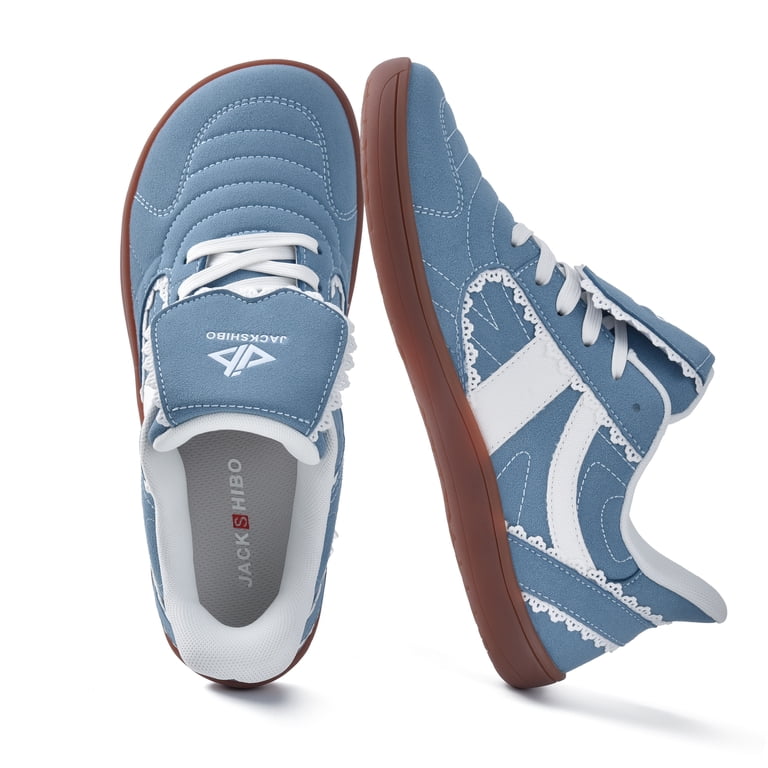
Minimalist shoes are designed to feel more like walking barefoot. They usually have a thin sole, little or no heel lift, a flexible build, and a wide toe box. Many also offer little arch support or cushioning.
The goal is not always to make walking easier. Instead, these shoes may let your feet move and work more naturally. That can build foot strength over time, but it can also place more load on the plantar fascia, calves, and Achilles tendon.
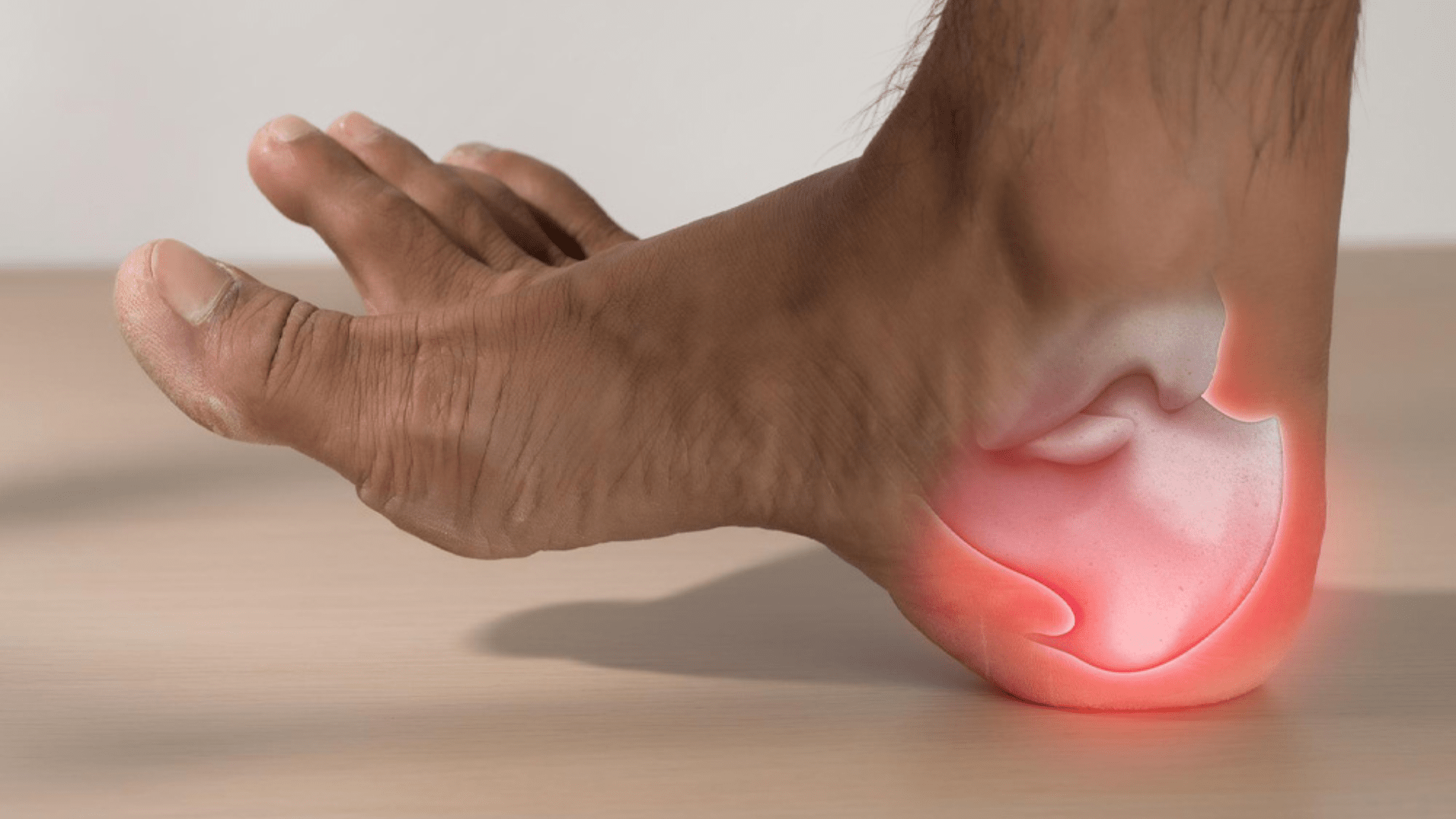
The plantar fascia is a strong band of tissue under the foot. It runs from the heel bone to the base of the toes. It helps support the arch and absorb force when you walk or run.
Plantar fasciitis often causes:
• Sharp heel pain with the first steps in the morning
• Pain after sitting for a long time
• Tenderness under or near the heel
• Pain that returns after long walks or runs
• Tight calf muscles or limited ankle movement
The term “plantar fasciitis” is common, but some long-term cases involve tissue irritation and degeneration rather than simple inflammation. This is one reason recovery can take time.

Are minimalist shoes good for plantar fasciitis?
Minimalist shoes are not automatically good or bad for plantar fasciitis. They may help a person who has strong feet, good ankle movement, and mild symptoms. They may harm someone who has severe pain, weak foot muscles, or a sudden change in walking load.
The key issue is load. A minimalist shoe does not remove stress from your foot. It often changes where that stress goes. Less cushioning and a lower heel may increase work for the plantar fascia, calf, and small muscles of the foot.
Research on barefoot-style shoes and plantar fasciitis remains limited. There is no strong evidence that minimalist shoes treat plantar fasciitis on their own. Most trusted treatment plans focus on gradual activity changes, calf and foot exercises, supportive footwear when needed, and treatment of contributing factors.
So, are minimalist shoes good for plantar fasciitis? They can be useful as part of a careful plan, but they are not a universal treatment.
A useful rule is simple:
• If your pain improves and stays mild, a slow trial may be reasonable.
• If your pain rises during the day or the next morning, reduce use.
• If you limp, change your stride, or feel sharp heel pain, stop the trial.
How minimalist shoes may affect the plantar fascia
Your footwear changes how your foot meets the ground. A thick, cushioned shoe may reduce some impact sensations. A minimalist shoe may increase feedback from the ground and ask more from your foot muscles.
A low heel-to-toe drop can also change your stride. This design may encourage a shorter step and a softer landing for some people. It may also increase the stretch placed on the calf and the tissues under the foot.
The effect depends on more than the shoe. Your body weight, walking speed, surface, foot shape, muscle strength, and daily activity all matter. A shoe that feels fine for a five-minute walk may cause pain after a full day at work.
Think of the plantar fascia as a rope under a bridge. It helps hold the arch up. If you suddenly ask that rope to carry more force, it may become sore. If you increase the load slowly, the tissues may adapt better.
Common changes caused by minimalist shoes include:
• More movement in the toes
• Greater work for the arch muscles
• More demand on the calf and Achilles tendon
• Less built-in cushioning
• A lower heel position
• More ground feedback

Possible benefits of minimalist shoes
Some people report that minimalist shoes improve balance, foot awareness, and comfort. These benefits may come from a wider toe box, flexible materials, or a more natural walking pattern rather than from the lack of cushioning alone.
A wide toe box can allow the toes to spread. This may help you feel more stable during walking. It can also reduce pressure on bunions, crowded toes, and the front of the foot.
Minimalist shoes may also encourage foot muscle use. Small studies on barefoot-style footwear suggest that regular, gradual use can affect foot muscle strength and size. However, stronger muscles do not prove that minimalist shoes cure plantar fasciitis.
Other possible benefits include:
• Better awareness of how your foot lands
• A more natural toe position
• Less pressure from stiff shoe materials
• Improved comfort for some people
• A lighter shoe that feels easier to wear
• A useful tool for gradual foot-strength work
In practical footwear testing, one lesson appears again and again: comfort during the first few minutes does not predict comfort the next day. Plantar fasciitis often reacts after rest, not only during activity. Always check how your heel feels the next morning.

Possible risks and limitations
The biggest mistake is switching from supportive shoes to minimalist shoes too fast. A sudden change can increase stress on the plantar fascia and calf. It may also trigger Achilles tendon pain, calf soreness, metatarsal pain, or a bone stress injury.
Minimalist shoes may be a poor choice during a painful flare. If you have trouble walking in regular shoes, barefoot-style footwear may provide too little protection. Pain can cause you to alter your stride, which may create problems in the knee, hip, or lower back.
You may also need more support if you have:
• Severe heel pain
• A recent foot or ankle injury
• Very stiff calves
• Limited ankle motion
• Weak foot muscles
• Diabetes with reduced sensation
• Significant flat feet or a painful high arch
• Balance problems
• A history of stress fractures
Minimalist shoes are not the same as medical treatment. They do not replace a physical examination, a progressive exercise plan, or care from a qualified health professional.
Avoid using pain as a test of toughness. Mild muscle soreness can be normal after new activity. Sharp heel pain, worsening morning pain, swelling, numbness, or limping is a signal to stop and reassess.

How to transition safely
If you want to try minimalist shoes, treat the change like a training program. Your feet need time to build strength and tolerance. Start with short periods on flat, predictable surfaces.
A gradual plan may look like this:
- Wear the shoes for 10 to 15 minutes indoors.
- Check your symptoms during the day and the next morning.
- Repeat for several days if your pain stays stable.
- Add five to 10 minutes at a time.
- Keep longer walks and runs in your usual shoes at first.
- Stop or step back if symptoms increase.
Do not begin with running, hiking, long shopping trips, or a full work shift. These activities create far more foot load than a short indoor trial.
It also helps to keep a simple symptom record. Write down how long you wore the shoes, what surface you used, and how your heel felt the next morning. This gives you better information than judging the shoe after one brief walk.
During the transition, consider alternating footwear. You might wear a supportive shoe for work and test minimalist shoes for a short walk. This approach lets you build capacity without placing all of your daily load on a new shoe.
Exercises that may support recovery
Exercise is one of the most useful parts of plantar fasciitis care. The right exercises can improve calf flexibility, foot strength, and tolerance to daily load. Start gently and progress over time.
Common options include:
Calf stretching
Stand facing a wall with one leg behind you. Keep the back heel down and gently bend the front knee. Hold for 20 to 30 seconds, then repeat two or three times on each side.
You can also perform a bent-knee calf stretch to target deeper calf muscles. The stretch should feel mild, not sharp.
Plantar fascia and toe stretch
Sit and cross one ankle over the other knee. Pull the toes back gently until you feel a light stretch along the sole. Hold for 10 seconds and repeat several times.
Calf raises
Hold a wall or counter for balance. Slowly rise onto your toes, then lower your heels with control. Begin with both feet and progress to one foot only when symptoms remain stable.
Foot muscle work
Try spreading your toes, gently pressing your big toe down while lifting the other toes, or picking up a towel with your toes. These drills may improve control, but they should not cause heel pain.
A physical therapist can match exercises to your strength and symptoms. Guidelines from major orthopedic and physical therapy groups commonly support stretching and strengthening for plantar heel pain, although the best program varies from person to person.

How to choose minimalist shoes for plantar fasciitis
If you decide to test minimalist shoes, focus on fit and control. A shoe should feel secure without squeezing your toes. You should have enough room to move your toes and enough grip to walk without sliding.
Look for:
• A wide toe box
• A secure midfoot fit
• A flexible sole that does not twist too easily
• A smooth, comfortable interior
• Enough protection for your walking surface
• A shape that matches your foot
• A return policy that allows a careful trial
Do not assume that the thinnest shoe is the best shoe. Some people do better with a flexible shoe that still has modest cushioning. Others need a stable, supportive shoe while symptoms settle.
Try shoes later in the day, when feet are often slightly larger. Walk on a firm indoor surface. Check whether your heel, arch, toes, and calf all feel comfortable.
A good shoe should not force you to grip the ground with your toes. It should not make you roll outward, collapse inward, or shorten your stride because of pain.

Minimalist shoes versus supportive shoes
Supportive shoes often have more cushioning, a firmer midsole, a heel counter, or a structured arch area. These features can make walking more comfortable during a plantar fasciitis flare. They may also reduce the need for your foot to control every movement.
Minimalist shoes offer a different approach. They provide less correction and may encourage more foot movement. This can be useful for some people, but it demands more from the tissues that are already sore.
Neither style is always best. The right choice depends on your current symptoms and your activity goals.
A supportive shoe may be better when:
• Pain is moderate or severe
• You must stand for many hours
• You walk on hard floors
• You are returning to activity after an injury
• Your feet fatigue quickly
• You have poor balance or weak calves
A minimalist shoe may be worth testing when:
• Symptoms are mild and stable
• You can walk without a limp
• Your calves and feet tolerate exercise
• You want to improve foot strength gradually
• You can control the length of use
• You have no major foot or nerve condition
Some people use both types. There is no rule that says you must choose one style for every activity.

When to seek professional care
Many cases of plantar fasciitis improve with steady home care, but persistent pain deserves attention. See a podiatrist, physical therapist, or sports medicine clinician if symptoms do not improve after several weeks of sensible care.
Seek care sooner if you have severe pain, marked swelling, numbness, weakness, fever, or pain after a fall. A clinician can check for other causes, such as a stress fracture, nerve irritation, tendon injury, arthritis, or heel pad problems.
You should also seek advice before trying minimalist shoes if you have diabetes, reduced foot sensation, poor circulation, inflammatory arthritis, or a known bone condition. Reduced sensation can make it hard to notice harmful pressure or injury.
A professional can assess your walking pattern, ankle motion, calf strength, foot shape, and footwear. This is more useful than choosing a shoe based only on online reviews.
Common mistakes to avoid
The most common error is treating minimalist shoes as a cure. They are a footwear option, not a guaranteed solution. Recovery usually depends on managing total load and improving the capacity of the foot and lower leg.
Other mistakes include: