Business casual pants are polished, comfortable trousers that look smarter than jeans but less formal than suit pants.
Understanding what are business casual pants can make getting dressed for work much easier. The right pair should fit well, feel comfortable through a long day, and match your workplace without looking too stiff or too relaxed. This guide explains the best fabrics, colors, fits, outfit ideas, mistakes to avoid, and simple ways to choose with confidence.

What Are Business Casual Pants?
Business casual pants are trousers that sit between formal dress pants and casual jeans. They look neat and professional, but they allow more comfort and personal style than traditional office suits.
Common examples include:
• Chinos
• Khakis
• Twill trousers
• Corduroy pants in some workplaces
• Wool blend trousers
• Pressed cotton pants
• Dressy ankle pants
• Dark, clean five pocket pants in relaxed offices
The exact meaning of business casual pants can change by workplace. A technology company may accept dark, clean jeans, while a law office may expect wool trousers or pressed chinos. When unsure, dress slightly more formally until you understand the office culture.
Business casual pants usually have a clean shape, a smooth or lightly textured fabric, and a simple design. They should not look like gym wear, beachwear, or clothing meant for heavy outdoor work.

Key Features of Business Casual Pants
Knowing the basic features helps you separate business casual pants from casual trousers or formal suit pants.
A polished fit
Fit is often more important than the brand or price. Business casual pants should sit comfortably at your natural waist and follow your legs without pulling.
A good pair should have:
• Enough room to sit, walk, and climb stairs
• A waistband that stays in place without pressing
• A clean line through the hips and thighs
• A hem that reaches the top of your shoe or creates a small break
• No large folds or excess fabric around the ankles
Very tight pants can look unsuitable for a professional setting. Very loose pants may appear careless, even when the fabric is high quality.
A refined fabric
Fabric gives business casual pants much of their character. Cotton twill and chino fabric are popular because they are soft, durable, and easy to care for. Wool blends look more formal and work well for meetings, presentations, and conservative offices.


Good fabric choices include:
• Cotton twill
• Chino cotton
• Wool or wool blends
• Linen blends for warm weather
• Corduroy with a fine wale
• Stretch fabrics with a small amount of elastane
Avoid thin, shiny, wrinkled, or overly sporty materials. Sweatpants, leggings, nylon hiking pants, and cargo pants usually do not meet a traditional business casual standard.
Simple details
Business casual pants tend to have clean lines. They may include front pockets, back welt pockets, belt loops, and a zip fly. Extra features should be subtle.
Large cargo pockets, bold logos, contrast stitching, heavy distressing, and oversized hardware can make pants look too casual for many offices.

Business Casual Pants vs. Other Types of Pants
The difference between pants categories is not always clear. Comparing them can make dress codes easier to understand.
Business casual pants vs. dress pants
Dress pants are often made from wool, polyester, or a refined blend. They may have a crease down the front and a smoother, more formal finish.
Business casual pants can include dress pants, but they do not have to be as formal. Chinos and cotton trousers are usually more relaxed. Both can work in an office when the fit, color, and styling are appropriate.
Business casual pants vs. khakis
Khaki describes a color and, in many cases, a cotton trouser style. Khakis are often beige, tan, or light brown.
Some khakis are excellent business casual pants. Others are too loose, rugged, or casual. A clean pair with a flat front and a tailored fit looks more professional than a pair with large pockets or a worn finish.
Business casual pants vs. chinos
Chinos are cotton twill pants with a clean, simple design. They are among the most common business casual pants because they are easy to dress up or down.
Navy, charcoal, olive, tan, and stone chinos can work with button down shirts, polo shirts, sweaters, and leather shoes.
Business casual pants vs. jeans
Jeans are usually more casual than business casual pants. Some relaxed workplaces allow dark, solid jeans with no fading or distressing.
If jeans are allowed, choose a dark indigo or black pair with a clean finish. Avoid ripped knees, heavy fading, frayed hems, and very loose cuts unless your workplace clearly permits them.


Business casual pants vs. suit trousers
Suit trousers are designed to match a jacket made from the same fabric. Wearing suit trousers without the matching jacket can sometimes look incomplete.
Business casual pants are more flexible. They are designed to work with different shirts, sweaters, blazers, and shoes.
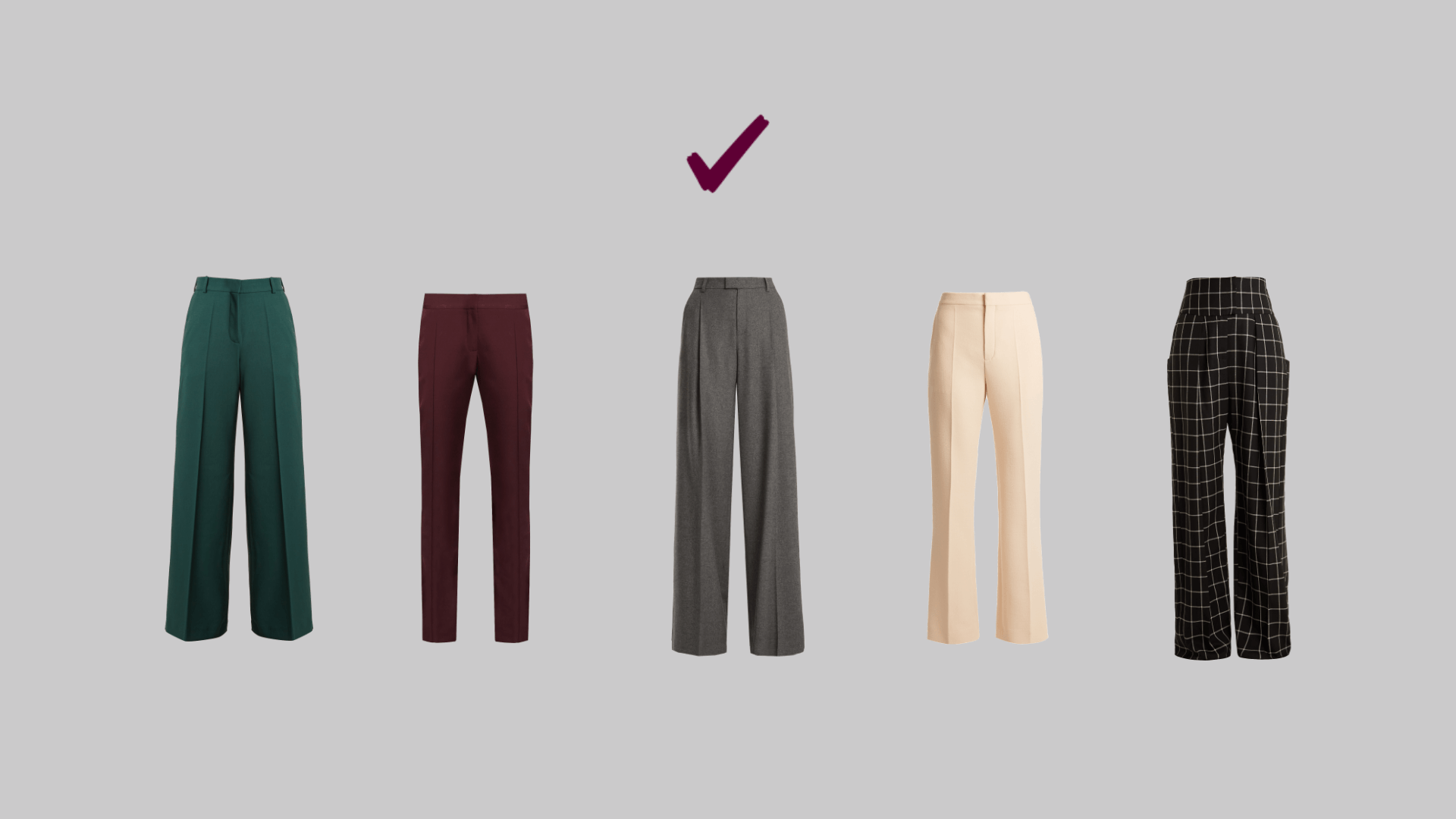
Best Colors for Business Casual Pants
Color affects how formal your outfit looks. Neutral shades are the safest place to start.
The most useful colors include:
• Navy: Professional, versatile, and easy to pair
• Charcoal: Refined and suitable for formal office settings
• Medium gray: Clean and flexible across seasons
• Khaki: Classic and approachable
• Stone: Light and useful for spring or summer
• Olive: Stylish but still subtle
• Brown: Warm and suitable for fall and winter
• Black: Sleek, though it can look more formal or stark
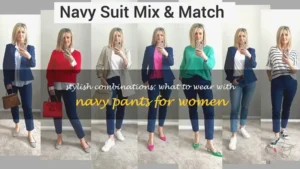
Navy and charcoal are often the best first choices. They pair well with white, blue, gray, cream, and light pink shirts.
Tan and stone pants work well with darker tops. For example, tan chinos with a light blue shirt create a classic business casual outfit. Charcoal pants with a white shirt and dark brown shoes create a sharper look for an interview or client meeting.
Bright red, neon green, loud patterns, and heavily washed colors may be harder to wear in a professional setting. They can work in creative offices, but they require more care when building the rest of the outfit.

How Should Business Casual Pants Fit?
The best business casual pants balance comfort and structure. You should be able to move freely, but the pants should still hold a clear shape.
Use this fit checklist:
- Check the waistband. It should stay secure without needing a tight belt.
- Sit down. The waistband and thighs should not pinch.
- Look at the pockets. They should lie flat instead of opening or pulling.
- Check the seat. There should be no deep wrinkles or excessive fabric.
- Examine the leg. It should follow your shape without clinging.
- Check the hem. It should meet your shoes neatly.
- Walk and climb stairs. Comfort matters as much as appearance.
A straight fit offers a classic shape. A slim fit looks more modern but should never restrict movement. An athletic fit gives extra room in the seat and thighs while keeping a narrower leg.
The best cut depends on your body and comfort. Do not choose a size only because the label says slim, relaxed, or modern. Try the pants on and judge the actual fit.
One common mistake is buying pants that fit the waist but are too long. A simple alteration can improve the appearance of business casual pants more than buying a more expensive pair.


What to Wear With Business Casual Pants
Business casual pants work because they can support many types of outfits. Start with the pants, then build around their color and formality.
Shirts
Suitable shirt choices include:
• Oxford button down shirts
• Poplin dress shirts
• Knit polo shirts
• Simple polo shirts
• Fine gauge sweaters
• Turtlenecks in suitable offices
• Blouses and shell tops
• Neat knit tops
A tucked shirt usually looks more formal. An untucked shirt can work when the hem is designed to sit neatly outside the pants. If the shirt is too long, oversized, or wrinkled, the outfit may look unfinished.
Jackets and sweaters
A blazer instantly makes business casual pants look more polished. Navy blazers pair especially well with gray, tan, olive, and khaki trousers.
Cardigans, crew neck sweaters, and V neck sweaters also work well. Choose a clean knit without large graphics or heavy bulk.
Shoes
The best shoes depend on the office and the outfit. Common choices include:
• Loafers
• Derby shoes
• Oxford shoes
• Monk strap shoes
• Clean leather sneakers in relaxed offices
• Ballet flats
• Loafers for women and men
• Ankle boots
• Low profile dress boots
Match the shoe formality to the pants. Chinos can work with clean sneakers or loafers. Wool trousers usually look better with leather dress shoes or refined boots.
Belts and accessories
A belt that matches the color and formality of your shoes creates a more complete look. Keep watches, bags, jewelry, and other accessories simple.
Accessories do not need to be expensive. They need to look clean, intentional, and suitable for the workplace.

Business Casual Pants for Men
For men, business casual pants often include chinos, wool trousers, cotton trousers, and refined five pocket pants.
A reliable office wardrobe might include:


• Navy chinos
• Gray wool blend trousers
• Tan chinos
• Charcoal cotton trousers
• Olive pants for a relaxed office
• Dark, clean five pocket pants when allowed
Pair navy business casual pants with a white Oxford shirt and brown loafers. Pair gray trousers with a light blue shirt and dark brown belt. For a more relaxed day, wear tan chinos with a knit polo and clean leather sneakers.
Avoid combining too many casual elements. For example, cargo pants, a graphic T shirt, and athletic sneakers may be comfortable but will not usually create a business casual outfit.

Business Casual Pants for Women
For women, business casual pants can include ankle pants, tailored trousers, chinos, wide leg trousers, and polished pull on pants.
Useful choices include:
• Black ankle pants
• Navy straight leg trousers
• Gray wide leg pants
• Cream or stone trousers
• Tailored chinos
• Dark brown pants
• Fine wale corduroy in cooler months
Pair ankle pants with a blouse and loafers. Wear wide leg trousers with a tucked knit top or a fitted blazer. If the pants are loose, a more structured top can help balance the outfit.
The same basic rules apply to everyone: clean fabric, suitable coverage, a comfortable fit, and a professional finish. Workplace expectations may also depend on company culture and local norms.

Are Jeans Ever Business Casual?
Jeans can be business casual in some workplaces, but they are not accepted everywhere. The answer depends on the written dress code and the culture of the office.
If jeans are allowed, choose:
• Dark blue or black denim
• A clean, solid finish
• A medium or tailored fit
• No rips, holes, or frayed sections
• A simple design without large logos
Wear them with a collared shirt, blazer, sweater, or polished shoes. This helps maintain a professional balance.
Do not assume that casual Friday rules apply every day. If you have an interview, client meeting, presentation, or first day at work, choose traditional business casual pants instead of jeans.
Seasonal Fabric Choices
Business casual pants should match the weather as well as the setting.
Spring and summer
Choose lightweight cotton, linen blends, tropical wool, and breathable fabrics. Light gray, stone, tan, navy, and cream can create a fresh warm weather outfit.
Linen wrinkles easily. That texture may be acceptable in a relaxed office, but heavily wrinkled pants can look careless in a formal workplace.
Fall and winter
Choose wool blends, heavier cotton twill, corduroy, and brushed fabrics. Brown, charcoal, olive, navy, and deep burgundy can work well during cooler months.
Corduroy is comfortable and stylish, but fine wale corduroy usually looks more office appropriate than thick, rugged corduroy.
Fabric weight also affects comfort. Heavy pants may look structured but can feel uncomfortable indoors if your workplace is warm.
Common Mistakes to Avoid
Even good business casual pants can look wrong when worn or cared for poorly.
Avoid these mistakes:
• Wearing pants that are too tight or too loose
• Ignoring wrinkles and stains
• Choosing pants with worn hems
• Wearing athletic pants to a traditional office
• Matching black pants with an overly casual shirt
• Using too many bold colors at once
• Wearing pants that are too long
• Selecting cargo pockets for a formal workplace
• Treating every office as equally casual
• Forgetting that shoes affect the entire outfit
A useful rule is to examine the whole outfit from a distance. If the pants look neat but the shoes are worn out, the outfit may still feel casual. Professional style works as a complete picture.
How to Build a Small Wardrobe
You do not need dozens of pairs of pants. A small group of well chosen business casual pants can cover most workdays.
Start with these three:
- Navy chinos for daily wear
- Charcoal or gray trousers for meetings
- Tan or stone chinos for lighter outfits
Add olive, brown, black, or dark denim based on your workplace. Before buying another color, make sure you have shirts and shoes that work with it.
Care also matters. Follow the washing label, remove stains quickly, and use a steamer or iron when needed. Hang trousers properly so they keep their shape.
A practical lesson from fitting and styling work is that people often buy variety before they buy versatility. One well fitting navy pair can serve more outfits than three unusual colors that are hard to match.
How to Choose Business Casual Pants for Your Workplace
Dress codes are often less precise than people expect. “Business casual” can mean different things in a bank, school, design studio, hospital, or technology company.
Use these steps:
- Read the employee handbook or dress policy.
- Look at what experienced employees wear.
- Notice what people wear on normal days, not only special events.
- Ask a manager or human resources representative if the policy is unclear.
- Dress slightly more formally for interviews and important meetings.
- Adjust your style once you understand the culture.
The U.S. Department of Labor does not set one universal definition of business casual clothing. Dress standards are usually set by individual employers, which is why company guidance matters more than a single general rule.
Frequently Asked Questions About What Is Business Casual Pants
Are chinos considered business casual pants?
Yes, chinos are commonly considered business casual pants. Choose a clean pair in a neutral color with a good fit, and wear them with a collared shirt, sweater, blazer, or polished shoes.
Can business casual pants have a pattern?
Yes, subtle patterns such as a small check, windowpane, or faint stripe can work. Avoid loud prints unless your workplace clearly supports creative or fashion forward clothing.
Can I wear black business casual pants?
Yes, black pants can be business casual when they have a clean fit and a suitable fabric. Pair them with a lighter shirt and refined shoes to prevent the outfit from looking too severe.
How long should business casual pants be?
The hem should meet the top of your shoe and create a small, clean break. Ankle pants may end above the shoe, but the length should look intentional rather than accidentally short.
Are cargo pants business casual?
Most cargo pants are too casual because their large pockets and rugged design create an outdoor look. Some modern office styles may allow slim cargo trousers, but check the dress code before wearing them.
Can I wear sneakers with business casual pants?
You can wear clean, simple sneakers in many relaxed workplaces. Choose low profile leather or canvas sneakers without bright colors, athletic details, or visible damage.
Should business casual pants be ironed?
They do not always need to look sharply pressed, but they should not have deep wrinkles. Steaming or ironing helps cotton, linen blend, and wool pants look more polished.
[CodeImg not included because this is the FAQ section.]
Conclusion
Business casual pants are polished trousers that offer a middle ground between formal dress pants and casual clothing. Chinos, tailored cotton trousers, wool blends, and refined ankle pants can all work when they fit well and match your workplace.
Start with versatile colors such as navy, gray, tan, and charcoal. Check the fit, keep the fabric clean, choose suitable shoes, and follow your company’s dress expectations. A simple, well fitted pair will usually make a stronger impression than an expensive pair with the wrong cut.
Use these tips to build outfits that feel comfortable and professional. Explore more workplace style guides, and share your favorite business casual pants and outfit ideas in the comments.
Madison Clark is a footwear expert and the voice behind MyStyleGrid.com. She specializes in honest shoe reviews, style tips, and practical guides to help readers find the perfect pair for any occasion. With years of experience in blogging and content creation, Madison makes footwear knowledge simple, stylish, and easy to follow.