Rubber boots do break in slightly, but they rarely stretch like leather boots.
If you are wondering, “Do rubber boots break in?” the honest answer is yes, but only to a limited degree. Natural movement, warmth, and wear can make them feel more flexible and comfortable. However, rubber does not mold to your feet as deeply as leather, so fit matters from day one. This guide explains how rubber boots change over time, how long the process takes, and how to avoid blisters, pinching, and wasted money.

Do rubber boots break in?
Yes, rubber boots can break in, but the process is subtle. The rubber may become softer at flex points, while the lining and insole may settle around your feet. The boot can feel less stiff after several wears.
Still, rubber boots do not stretch much in length or width. Think of them as a firm rubber band that becomes more flexible, not as a leather shoe that slowly reshapes itself. If the boots are too small, breaking them in will not fix the main problem.
Most people notice these changes:
• The ankle area bends more easily.
• The sole flexes better while walking.
• The lining feels less new and stiff.
• Pressure points may become less noticeable.
• The footbed may settle slightly.
The answer to “Do rubber boots break in?” also depends on the boot design. Thin rain boots often soften faster than thick work boots. Neoprene-lined boots may feel comfortable sooner because the lining adds stretch and warmth. Heavy rubber hunting boots may need more time because their walls and soles are thicker.

How long does it take to break in rubber boots?
Most rubber boots need about 3 to 10 wears before they feel more natural. Light rain boots may feel comfortable after a few short walks. Thick work, farm, or hunting boots can take two to four weeks of regular use.
The break-in time depends on several factors:


• Rubber thickness: Thick rubber resists bending more than thin rubber.
• Boot height: Tall boots can rub your calf or bend behind the knee.
• Lining material: Neoprene and fabric liners often feel softer than bare rubber.
• Sole design: A stiff sole can make the whole boot feel harder to walk in.
• Fit: A well-sized boot breaks in more easily than a tight one.
• Weather: Warm conditions can make rubber more flexible, while cold weather can make it feel firm.
In my own testing of rain and work boots, short walks worked better than one long first outing. Wearing a new pair for six hours on day one often caused hot spots near the heel and ankle. Ten to twenty minutes at a time gave the boots room to flex without punishing my feet.
What changes during the break-in period?
The break-in period changes comfort more than size. Rubber boots may develop a more natural flex where your ankle bends. The inner lining may also compress, which can create a little more room around the foot.
The upper part of the boot often changes first. Each step bends the same areas, much like opening a new book along its spine. The sole may also become easier to roll from heel to toe.
However, several things usually do not change much:
• The boot will not gain a full size.
• The toe box will not widen dramatically.
• The shaft will not become much taller or shorter.
• A narrow design will not become a wide design.
• Serious heel slip will not always disappear.


This is why trying on rubber boots with the socks you plan to wear is so important. Thick winter socks can make a close fit feel too tight. Thin socks may hide a fit problem that appears later in cold weather.

How to break in rubber boots safely
A slow break-in routine can reduce rubbing and foot pain. It also helps you find problems before wearing the boots for work, travel, or a long outdoor trip.
Use these steps:
-
Wear the boots indoors for 10 to 20 minutes.
-
Walk on clean floors to test heel movement and toe space.
-
Wear your usual socks during each test.
-
Check your feet for red marks or hot spots.
-
Increase wear time by 15 to 30 minutes every few uses.
-
Take the boots off if you feel sharp pain or numbness.
-
Use them outside only after they feel safe indoors.
If one area rubs, cover the skin with a blister bandage before your next short walk. You can also wear a thin liner sock under a thicker sock. This reduces friction by allowing the sock layers to move against each other.
Do not force the process with painful walks. Pain is not proof that the boots are breaking in. It is often a sign that the boot shape does not match your foot.
Can you stretch rubber boots?
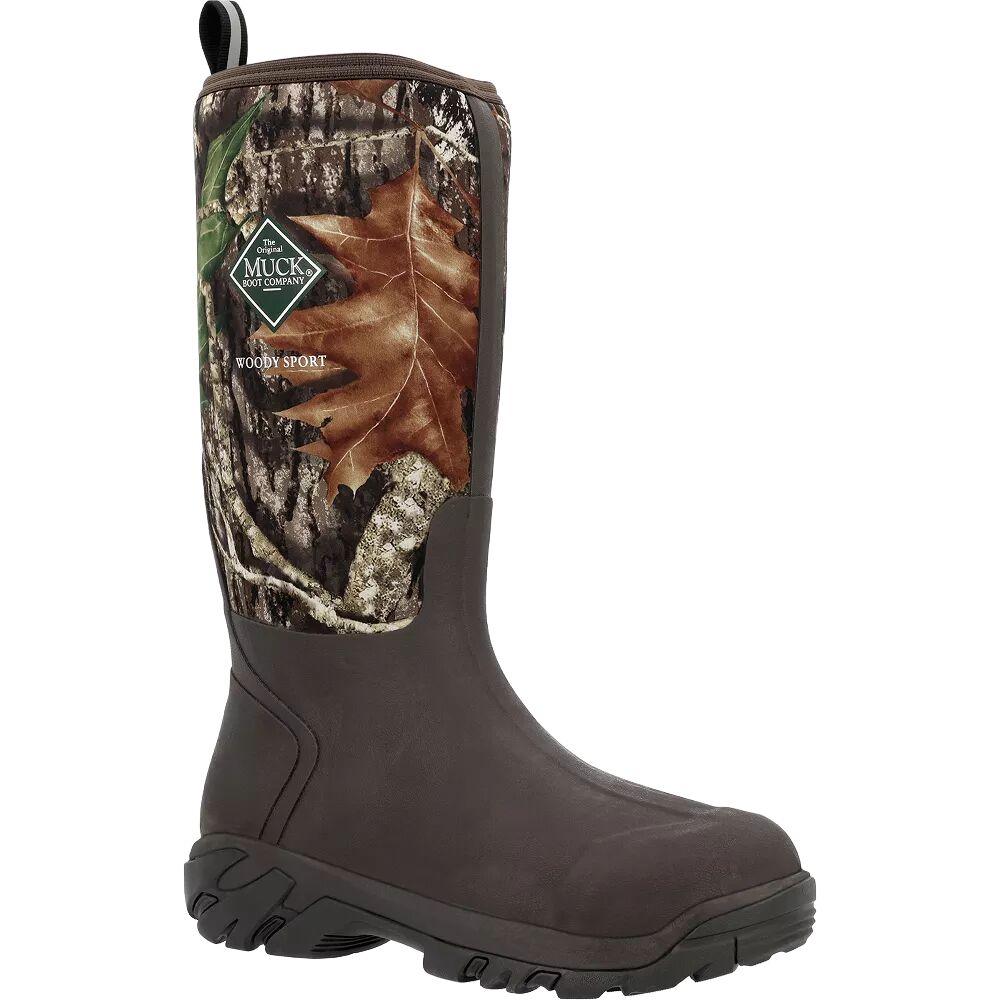
You can sometimes create a small amount of extra room, but stretching rubber boots has limits. Gentle warmth may make the material more flexible for a short time. It will not reliably add a full width or length.


Some people use a boot stretcher, thick socks, or warm air. These methods require care. Too much heat can weaken rubber, damage glue, shrink the lining, or change the shape of the boot.
If you want to try gentle stretching:
• Wear thick socks and put on the boots.
• Walk indoors for 10 to 15 minutes.
• Use mild warmth from a hair dryer at a distance.
• Keep the air moving instead of heating one spot.
• Stop if the rubber becomes hot, shiny, soft, or distorted.
Never place rubber boots near a heater, radiator, oven, or open fire. High heat can damage the rubber compound and may release unpleasant fumes. Boiling water is also a poor choice because it can warp the boot and harm the lining.
If the boots are clearly too small, returning them is safer than trying to reshape them. The best answer to “Do rubber boots break in?” is not a promise that heat can solve every fit issue.
How should rubber boots fit before they break in?
Rubber boots should feel comfortable before the break-in period begins. They can feel firm, but they should not cause pain, numbness, or strong pressure.
Look for these fit signs:
• Your toes can move freely.
• Your heel lifts only slightly when you walk.
• The widest part of your foot sits in the widest part of the boot.
• The shaft does not cut into your calf.


• Your ankle can bend without harsh rubbing.
• You can wear your normal socks.
A little heel movement is common in pull-on rubber boots. The sole may prevent the foot from gripping like it would in a lace-up shoe. Excessive heel slip, however, can cause blisters and make walking tiring.
Check the toe room while standing. Feet spread under body weight, so a boot that feels roomy while sitting may feel tight after a few steps. Leave enough space for natural movement, especially if you wear the boots in cold weather.
Why do new rubber boots hurt?
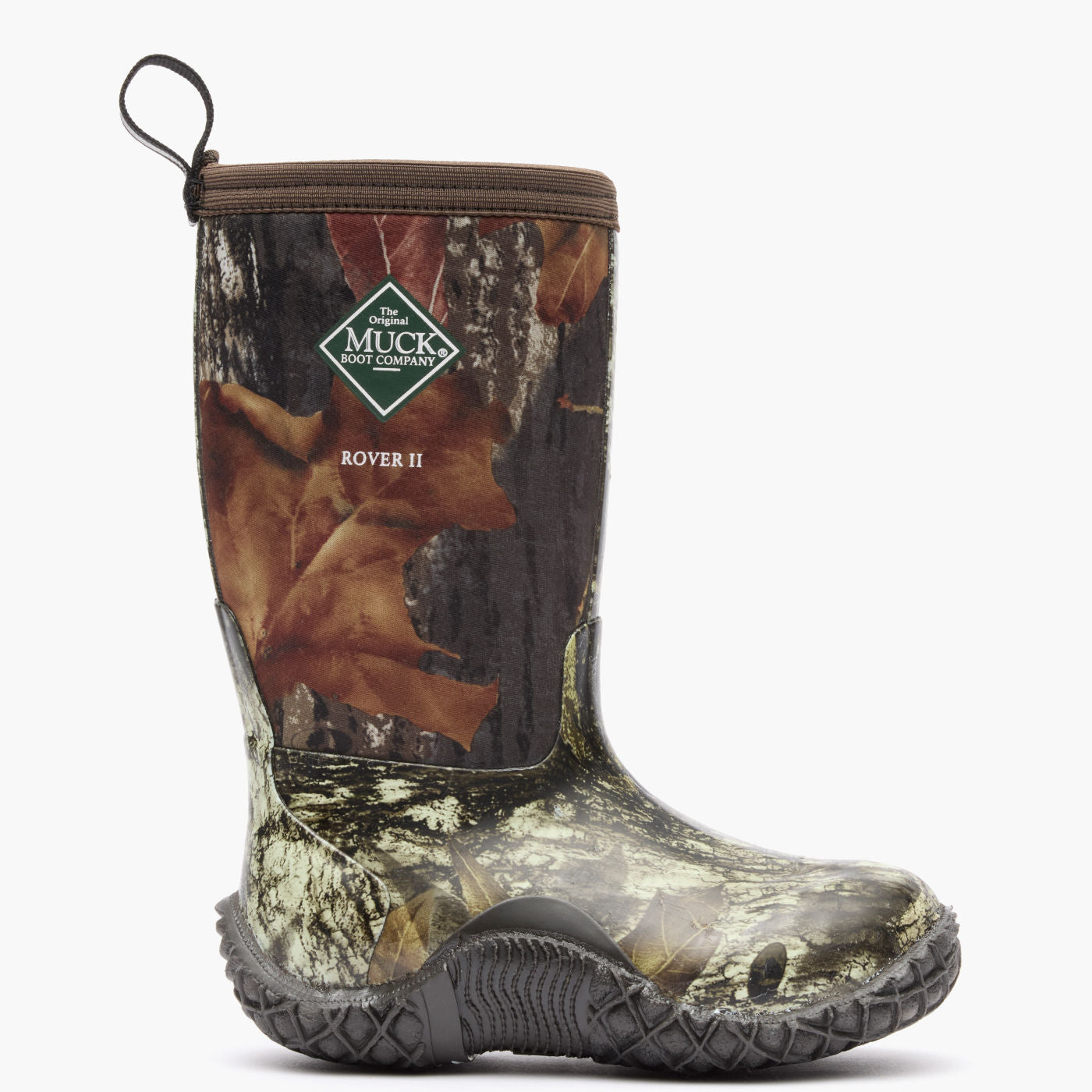
New rubber boots can hurt because the material is stiff, the boot shape is unfamiliar, or the fit is not right. Tall boots may rub the calf or crease behind the knee. Short boots may press against the ankle as you walk.
Common causes include:
• A narrow toe box.
• A stiff ankle bend.
• Rough seams or edges.
• Poor heel control.
• A boot shaft that is too tight.
• Socks that trap moisture.
Moisture makes friction worse. If your feet sweat inside the boots, the skin becomes softer and more likely to blister. Moisture-wicking socks can help, but they cannot correct a boot that is too tight.
A common mistake is wearing cotton socks for a full day in new rubber boots. Cotton absorbs sweat and stays damp. Wool blends and synthetic hiking socks often manage moisture better, especially during outdoor work.
If pain continues after several short wears, stop using the boots until you identify the cause. Persistent pain may mean the boot is the wrong size or shape. It may also point to a foot concern that deserves advice from a qualified health professional.
How can you make rubber boots more comfortable?
The right socks, insoles, and fit checks can make a major difference. Rubber itself does not breathe well, so comfort depends on managing moisture and pressure.
Try these practical improvements:
• Use moisture-wicking socks.
• Add a supportive insole if the original footbed is flat.
• Apply blister protection to known hot spots.
• Wear boot liners in cold conditions.
• Keep the boots dry between uses.
• Trim toenails to reduce pressure in the toe box.
• Loosen or adjust any removable gaiter or strap.
An insole can improve comfort, but it also takes up space. If the boot already feels tight, adding a thick insole may make the problem worse. Remove the original insert first if the design allows it.
Rubber boots should dry at room temperature. Remove the insoles and place the boots in a well-ventilated area. Avoid direct sunlight and strong heat, which can age rubber and cause cracks over time.

What mistakes should you avoid?
The biggest mistake is assuming that every rubber boot will become larger with wear. That belief can lead to painful walks and damaged feet. Rubber boots break in by becoming more flexible, not by transforming into a new size.
Avoid these habits:
• Do not wear new boots all day at once.
• Do not use boiling water to stretch them.
• Do not place them on a radiator.
• Do not ignore numbness or sharp pain.
• Do not add thick socks to fix a very tight boot.
• Do not use petroleum products unless the manufacturer approves them.
• Do not store wet boots in a sealed bag.
Many rubber boot makers recommend products made for rubber care. Some oils, solvents, and household cleaners can break down rubber or leave the surface sticky. Check the care instructions for your specific pair before applying anything.
Another mistake is judging comfort only while standing still. Walk up stairs, bend your ankles, and sit down. These movements reveal pressure points that may not appear during a simple try-on.

Do rubber boots break in differently by type?
Yes. The type of rubber boot affects how quickly it becomes comfortable.
Rain boots
Light rain boots often break in quickly. Their rubber is usually thinner, and their main goal is water protection rather than heavy support. They may still rub at the heel if the fit is loose.
Work boots
Work rubber boots tend to be thicker and more structured. They offer protection and durability, but they may need a longer break-in period. A cushioned insole and moisture-wicking socks can improve all-day comfort.
Hunting boots
Hunting boots may combine rubber with neoprene or insulation. Neoprene can flex well, but insulation makes the boot warmer and sometimes tighter. Test them with the socks you will use outdoors.
Garden boots
Short garden boots are often easy to wear because they allow more ankle movement. Their main comfort issue is usually a flat footbed or poor grip rather than stiffness.
Safety rubber boots
Safety boots may contain protective toe caps and reinforced soles. These parts do not break in like rubber. Make sure the protective area leaves enough room before buying.

How do you care for rubber boots after breaking them in?
Good care helps rubber boots stay flexible and waterproof. Rinse off mud, salt, and chemicals after use. Let the boots dry fully before storing them.
Follow this simple routine:
-
Wipe away dirt with clean water.
-
Use mild soap for stubborn marks.
-
Dry the outside with a soft cloth.
-
Remove the insoles if possible.
-
Air-dry the boots at room temperature.
-
Store them upright in a cool, dark place.
-
Keep them away from fuel, solvents, and sharp objects.
Rubber can develop a pale, powdery film called blooming. This is often a surface effect from materials inside the rubber moving outward. It does not always mean the boot is failing. A product approved for rubber care can usually improve its appearance.
Inspect the boots before each season. Look for cracks, splits, sticky areas, or leaks around seams. Once rubber begins to crack deeply, comfort and waterproofing may decline quickly.
When should you replace rubber boots?
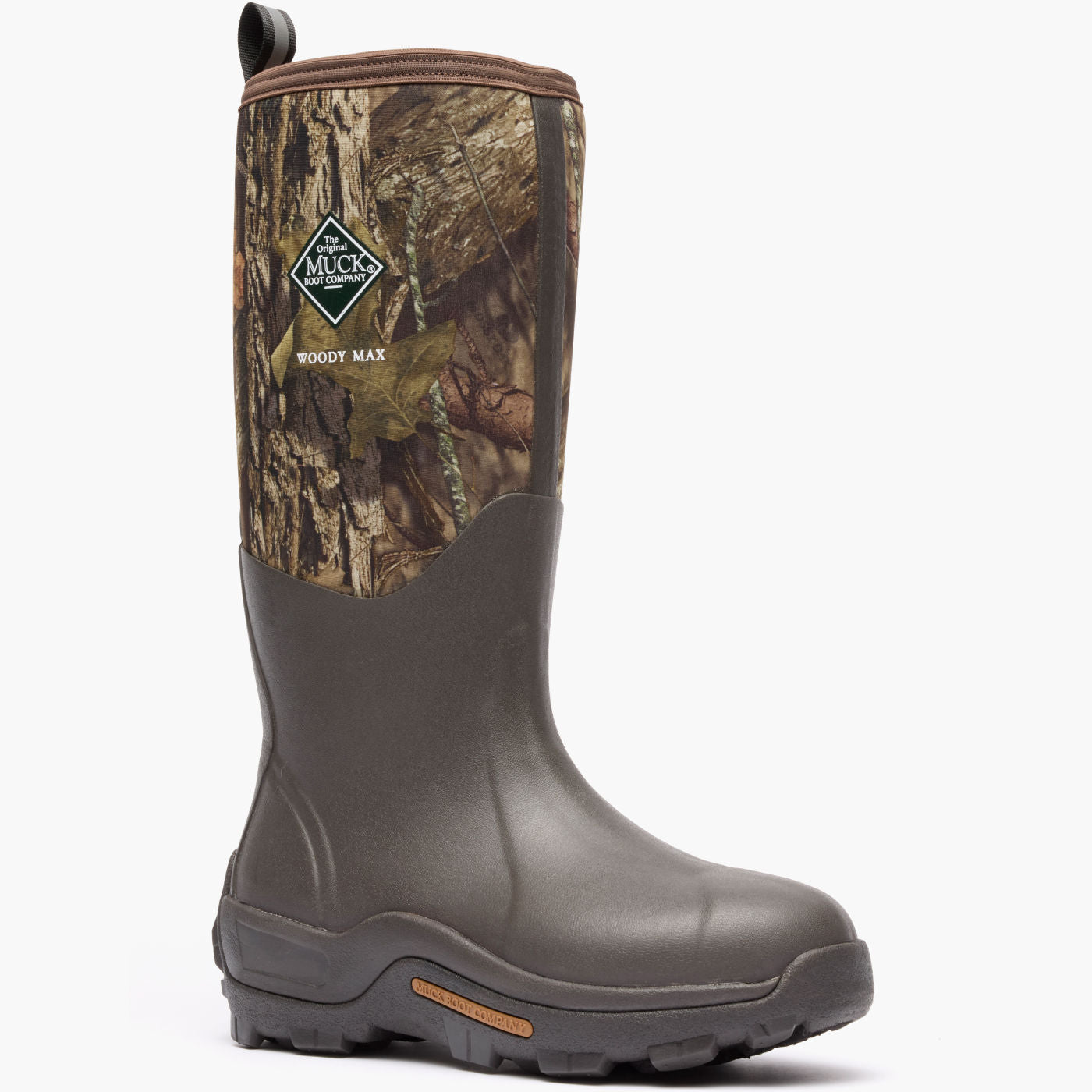
Replace rubber boots when they no longer protect your feet or keep water out. Small surface marks may not be serious, but deep cracks and leaks are warning signs.
Consider replacing them if:
• Water enters through cracks.
• The sole is worn smooth.
• The rubber feels sticky or brittle.
• The shaft has split.
• The boot has lost its shape.
• The lining causes repeated blisters.
• The tread no longer grips wet ground.
Do not rely on a waterproof boot with a damaged sole in slippery conditions. Good tread is part of safety, not just comfort. For work boots, follow workplace rules and replace them when protective features are damaged.
A well-cared-for pair may last for years, but lifespan varies with use, storage, climate, and rubber quality. Frequent exposure to sunlight, heat, chemicals, and salt can shorten that life.
Frequently Asked Questions About Do Rubber Boots Break In
Do rubber boots get softer over time?
Yes, rubber boots usually become more flexible at the ankle and other bend points. They do not normally stretch enough to fix a boot that is too short or too narrow.
How many wears do rubber boots need to break in?
Most pairs feel better after three to ten short wears. Thick work or hunting boots may need several weeks of regular use.
Can I stretch rubber boots with heat?
Gentle warmth may help the rubber flex, but it offers limited stretching. Avoid high heat, radiators, ovens, and boiling water because they can damage the rubber and lining.
Should rubber boots feel tight at first?
They may feel firm, but they should not cause pain, numbness, or strong pressure. A tight toe box or painful heel usually means the boot does not fit correctly.
Why do my rubber boots rub my heels?
Heel rubbing often comes from excess movement, stiff boot edges, or damp socks. Try moisture-wicking socks and blister protection, but replace the boots if the heel continues to slip badly.
Do neoprene-lined rubber boots break in faster?
Neoprene-lined boots often feel comfortable sooner because neoprene is soft and flexible. The rubber shell still has limited stretch, so the starting fit remains important.
Can insoles make rubber boots more comfortable?
Yes, supportive insoles can improve cushioning and reduce foot fatigue. However, a thick insole can make a tight boot feel even smaller.
Conclusion
Do rubber boots break in? They do, but only a little. Expect more flexibility, a softer feel, and better movement at the ankle. Do not expect a tight boot to become a full size larger or a narrow toe box to become wide.
Choose the right fit first, then break in the boots with short walks, good socks, and gentle care. Avoid harsh heat and never treat serious pain as a normal part of the process. If you are shopping for your next pair, compare the fit, lining, sole, and intended use before buying, and share your own rubber boot experience in the comments.

Madison Clark is a footwear expert and the voice behind MyStyleGrid.com. She specializes in honest shoe reviews, style tips, and practical guides to help readers find the perfect pair for any occasion. With years of experience in blogging and content creation, Madison makes footwear knowledge simple, stylish, and easy to follow.