Skechers sandals can be good for your feet when the style fits well and offers proper support.
Are Skechers sandals good for your feet? The answer depends on the pair, your foot shape, and how you plan to wear them. Some models provide soft cushioning, arch support, and a stable sole. Others may feel too flat, loose, or flexible for long walks. This guide explains what to look for, who may benefit, and when another type of sandal may be a better choice.
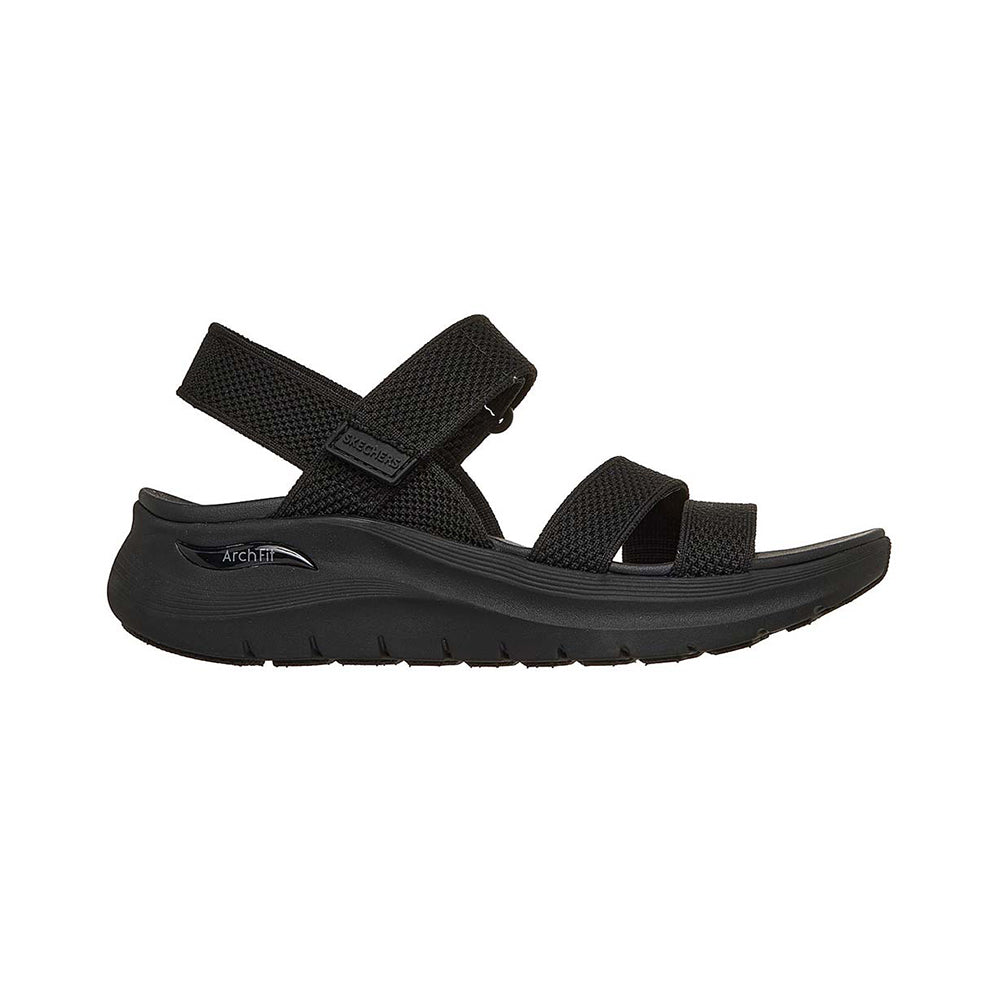
Are Skechers sandals good for your feet?
Skechers sandals can be good for your feet for casual use, travel, errands, and light walking. Many pairs have cushioned footbeds, flexible soles, and adjustable straps. These features can reduce pressure and improve comfort compared with thin flip-flops.
Still, comfort is not the same as support. A sandal may feel soft but lack enough structure for your arch, heel, or ankle. The best choice depends on the design, not only the Skechers name.
Are Skechers sandals good for your feet during long walks? Some are, but not all. Walking sandals with a firm footbed, secure straps, and a supportive midsole are usually better than loose slides or very thin sandals.
Your feet should feel supported from heel to toe. Your toes should not grip the footbed to keep the sandal in place. If they do, the sandal may be too loose or poorly shaped for you.

What makes a sandal healthy for your feet?
A foot-friendly sandal should help your foot move in a natural way. It should also reduce excess pressure on the heel, ball of the foot, and toes.
Look for these key features:
• A contoured footbed that follows the shape of your arch
• A stable sole that does not twist too easily
• Soft but firm cushioning
• Adjustable straps that hold the foot in place
• Enough room for your toes to spread


• A heel area that keeps your foot from sliding
• A sole with good grip
A sandal does not need to be hard to be supportive. Think of support like a mattress. A soft mattress may feel pleasant at first, but your body still needs enough structure to stay aligned.
Skechers sandals often focus on comfort through foam cushioning and flexible materials. That can work well for daily wear. However, people with plantar fasciitis, severe overpronation, bunions, or arthritis may need more specialized support.
How Skechers sandal features affect foot comfort
Different Skechers technologies and designs can feel very different. Always check the product details instead of assuming every model offers the same support.
Cushioning
Many Skechers sandals use foam or memory foam materials. These can soften impact when you walk on hard floors or pavement.
Cushioning may help people who spend a lot of time standing. It can also make sandals feel comfortable during short trips and casual outings.
The limitation is that very soft foam may compress over time. It may also provide less stability for people who need strong arch control.
Arch support
Some Skechers sandals have a shaped footbed or built-in arch support. This may help reduce strain for people with average arches.
Arch support should feel noticeable but not painful. If the arch presses sharply into your foot, the sandal may not match your foot shape.
People with flat feet may need a firmer and more structured design. People with high arches may prefer a footbed with more cushioning and a deeper curve.
Straps and fit
A secure strap is one of the most important parts of a walking sandal. It keeps your foot from sliding forward and helps prevent toe gripping.
Adjustable straps are useful because feet can swell during warm weather. They also let you create a closer fit without making the sandal too tight.
Avoid sandals that rub your toes, press on a bunion, or allow your heel to slip off the edge. These fit problems can lead to blisters and changes in the way you walk.
Sole flexibility
A flexible sole can make a sandal feel natural. It is useful for short walks and relaxed daily wear.


However, the sole should not bend in the middle with almost no resistance. A sandal that folds too easily may offer little protection from rough ground and may increase foot fatigue.
A good test is to bend the sandal gently. It should flex near the ball of the foot, not collapse through the center.
Traction
Good traction helps reduce slips on tile, wet pavement, and uneven ground. This matters even more for older adults or anyone with balance concerns.
Check the bottom of the sandal for a textured rubber outsole. Smooth soles may look stylish but can be less safe on wet surfaces.

Benefits of wearing Skechers sandals
Are Skechers sandals good for your feet when compared with basic flip-flops? In many cases, yes. Their main advantage is that several designs offer more cushioning and a more secure fit.
Potential benefits include:
• More cushioning than thin rubber flip-flops
• Lightweight materials for everyday comfort
• Adjustable straps on many styles
• Roomier designs for different foot shapes
• Easy slip-on options for quick errands
• Rubber outsoles with useful traction
• Designs for casual walking and travel
Some people find cushioned sandals helpful when they stand on hard surfaces. A supportive footbed may also reduce the tired feeling that can develop after a long day.


Skechers sandals may be a good option for people who want comfort without wearing athletic shoes. They can work well with summer clothes, travel outfits, and casual workwear.
Even so, a comfortable sandal is not automatically suitable for every activity. Hiking, running, long-distance walking, and sports require more protection and stability.
Possible drawbacks of Skechers sandals
Are Skechers sandals good for your feet if you wear them all day? That depends on the model and your feet. Some pairs may not provide enough support for long periods of walking or standing.
Common drawbacks may include:
• Too much softness without enough structure
• A flat footbed in some casual styles
• Straps that rub sensitive skin
• Limited heel support in slides
• Foam that compresses with frequent use
• Poor stability on uneven ground
• A loose fit that makes the toes grip
Slides and slip-on sandals can be especially tricky. They are easy to wear, but your foot may work harder to keep them in place. This can stress the toes and the muscles under the foot.
Very flat sandals may also bother people with plantar fasciitis or heel pain. They offer little help with shock absorption or arch control.
Pay attention to how your feet feel after wearing them. Pain, numbness, tingling, or lasting soreness is a sign to stop and reassess the fit.


Are Skechers sandals good for plantar fasciitis?
Are Skechers sandals good for your feet if you have plantar fasciitis? Some may help, but a soft footbed alone is not enough.
Plantar fasciitis causes pain near the heel and along the bottom of the foot. Supportive footwear may reduce stress on the plantar fascia, especially when walking on hard surfaces.
If you have plantar fasciitis, look for:
• A firm and supportive arch
• Moderate cushioning
• A stable heel area
• A slight heel rise
• A deep footbed that holds your foot
• Secure straps
Avoid very flat flip-flops and loose sandals. They may make your foot work harder and can increase discomfort.
Research on footwear for plantar heel pain shows that comfort, support, and load reduction all matter. No single sandal works for every person. If pain continues, a podiatrist can check your walking pattern and recommend inserts or medical treatment.
Are Skechers sandals good for flat feet?
Are Skechers sandals good for your feet if you have flat arches? Some styles can work well, but you may need more structure than a basic casual sandal provides.
Flat feet are not always a problem. Many people have flexible flat feet and walk without pain. Others may experience fatigue, ankle strain, knee discomfort, or heel pain.
Choose a sandal with:
• A firm midsole
• A noticeable but comfortable arch shape
• A wide and stable base
• Adjustable straps
• A heel cup or raised heel edge
Avoid sandals that twist easily from side to side. They may not give your foot enough control.
If you use orthotics, choose a sandal with a removable footbed or enough depth to fit your device. Not every Skechers sandal can accept an orthotic.

Are Skechers sandals good for wide feet?
Are Skechers sandals good for your feet if you need a wide fit? They can be, especially when the style has adjustable straps and a roomy toe area.
Do not judge width by the label alone. Your toes should lie flat, and the sides of your foot should not spill over the footbed.
Try these fit checks:
-
Stand up while wearing the sandals.
-
Make sure your longest toe does not touch the front edge.
-
Check that the widest part of your foot sits fully on the footbed.
-
Walk on a firm surface for several minutes.
-
Look for red marks after removing the sandals.
A wide sandal should not be so loose that your foot slides from side to side. Extra width helps only when the sandal still holds the heel and midfoot securely.
Are Skechers sandals good for older adults?
Are Skechers sandals good for your feet as you age? Some models may be useful because they are light, cushioned, and easy to put on.
Older adults often benefit from sandals that offer:
• Strong traction
• A closed or secure heel
• Adjustable fasteners
• A stable, non-slip sole
• A low and steady heel
• Good visibility and simple design
Loose slippers and backless slides may increase the risk of trips. A sandal with a heel strap is often safer for walking outdoors.
If balance is a concern, choose stability over style. A sandal should feel steady when you turn, climb stairs, or walk across uneven ground.

How to choose the best Skechers sandals for your feet
Are Skechers sandals good for your feet in your daily routine? Use a simple selection process before buying.
1. Match the sandal to the activity
For short errands, a comfortable slide may be fine. For travel or long walks, choose a sandal with straps, cushioning, arch support, and a durable outsole.
For outdoor use, look for stronger traction and materials that can handle moisture. For indoor use, comfort and easy adjustment may matter more.
2. Shop later in the day
Feet often swell slightly as the day goes on. Trying sandals in the afternoon can help you avoid a fit that feels too tight later.
Wear the socks, if any, that you plan to use with the sandals. This gives you a more accurate fit.
3. Walk before deciding
Take several minutes to walk, turn, and stand. Notice whether your heel slips or your toes grip the footbed.
A good sandal should feel stable from the first wear. Do not assume painful areas will always “break in.”
4. Check the footbed
Look for a footbed that supports your arch without pressing hard. The heel should sit inside the back of the sandal.
Your toes need space to spread. They should not hang over the front or touch the edge.
5. Inspect the sole
Try to twist the sandal gently. A little flexibility is useful, but the sole should not fold in half.
Look at the tread. Deep patterns often provide better grip than a smooth bottom.
6. Review the return policy
Footwear fit can vary by model. A clear return policy lets you test the sandals at home without taking a large risk.
Keep the sandals clean and avoid outdoor wear until you know they fit well.

How to break in Skechers sandals safely
Even a good sandal can cause mild rubbing during the first few wears. Start with short periods at home.
Use this plan:
-
Wear the sandals for 20 to 30 minutes.
-
Check for hot spots or red marks.
-
Adjust the straps before adding more time.
-
Wear them for a short walk if they feel comfortable.
-
Stop if you develop pain, numbness, or a blister.
Do not use a long walk to test brand-new sandals. A small rubbing spot can become a painful blister within an hour.
If a strap rubs, a soft blister pad may help. However, repeated rubbing usually means the shape or size is wrong.
When Skechers sandals may not be the best choice
Are Skechers sandals good for your feet in every situation? No. Some foot problems need more support than a casual sandal can offer.
Consider a medical or orthopedic footwear option if you have:
• Ongoing heel pain
• Diabetes with reduced foot feeling
• Severe bunions
• Significant arthritis
• A recent foot injury
• Repeated ankle sprains
• Numbness or tingling
• Serious balance problems
People with diabetes should check their feet often and avoid footwear that creates pressure points. Reduced sensation can make a small injury harder to notice.
A podiatrist can help if pain lasts more than a few weeks or affects your normal walking. Professional advice is especially important after surgery or injury.
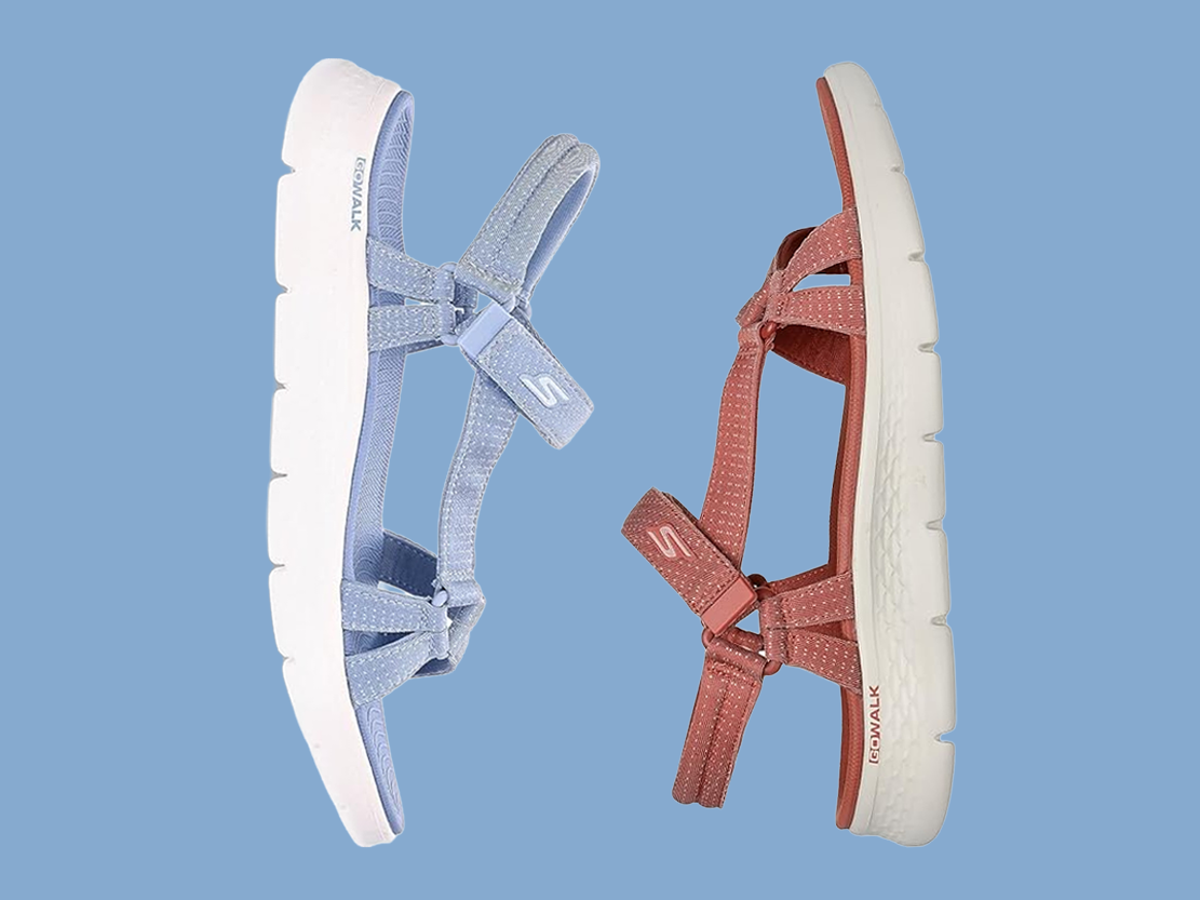
Practical foot-care tips when wearing sandals
Are Skechers sandals good for your feet over the long term? Healthy habits matter as much as the sandal itself.
Keep these tips in mind:
• Rotate between two pairs when possible.
• Let sandals dry fully after heavy sweating.
• Check the soles for uneven wear.
• Replace sandals when the footbed becomes flat or damaged.
• Keep toenails trimmed and inspect your skin.
• Avoid wearing open sandals in rough or hazardous areas.
Uneven wear can reveal how you walk. If one side wears down much faster, the sandal may no longer give balanced support.
Clean feet and dry straps can also reduce odor and skin irritation. If you notice swelling, redness, or a sore that does not heal, seek medical advice.
What I would look for in a real-world test
A useful sandal test is simple. I would wear the pair indoors first, then use it for errands, stairs, and a longer walk. The goal is to see how the foot responds after several hours, not just how the sandal feels for five minutes.
I would also compare the pair with a basic flip-flop. If the Skechers sandal keeps the heel secure, reduces toe gripping, and feels stable on turns, it offers a clear comfort advantage.
One mistake people often make is choosing the softest pair. In practice, the best sandal usually balances softness with support. Your feet need a cushion, but they also need a steady platform.

Frequently Asked Questions
Are Skechers sandals good for walking?
Some Skechers sandals are good for walking, especially those with arch support, secure straps, cushioning, and a stable outsole. Casual slides and thin sandals may be better for short trips than long walks.
Are Skechers sandals good for plantar fasciitis?
Some models may help because they offer cushioning and support, but not every pair is suitable. Choose a firm footbed with arch support and avoid very flat, loose sandals.
Do Skechers sandals provide arch support?
Some Skechers sandals provide built-in arch support, while others have a flatter footbed. Check the product design and try the sandals on to see whether the arch shape matches your foot.
Can you wear Skechers sandals all day?
You may be able to wear supportive models all day if they fit well and cause no pain. Start with shorter periods and stop if you notice rubbing, heel pain, numbness, or toe fatigue.
Are Skechers sandals good for wide feet?
Many Skechers sandals can work for wide feet because they offer roomy designs and adjustable straps. The full foot should rest on the footbed without side pressure or toe overhang.
Are Skechers sandals good for older adults?
Some can be a good choice if they have a secure heel, adjustable straps, strong traction, and a stable sole. Backless slides may be less suitable for people with balance concerns.
How long do Skechers sandals last?
Their lifespan depends on use, body weight, walking surfaces, and materials. Replace them when the sole loses traction, the footbed becomes uneven, or the straps no longer hold your foot securely.
Conclusion
Are Skechers sandals good for your feet? They can be, but the right pair matters more than the brand alone. Look for a supportive footbed, secure fit, good traction, enough toe room, and cushioning that does not feel unstable.
Use casual sandals for casual activities, and choose stronger footwear for long walks, hiking, or foot problems. Try sandals later in the day, walk before buying, and pay attention to pain or pressure.
Your feet should feel supported, not trapped or exhausted. Compare different Skechers styles, follow the fit checks above, and share your own experience with Skechers sandals in the comments.

Madison Clark is a footwear expert and the voice behind MyStyleGrid.com. She specializes in honest shoe reviews, style tips, and practical guides to help readers find the perfect pair for any occasion. With years of experience in blogging and content creation, Madison makes footwear knowledge simple, stylish, and easy to follow.